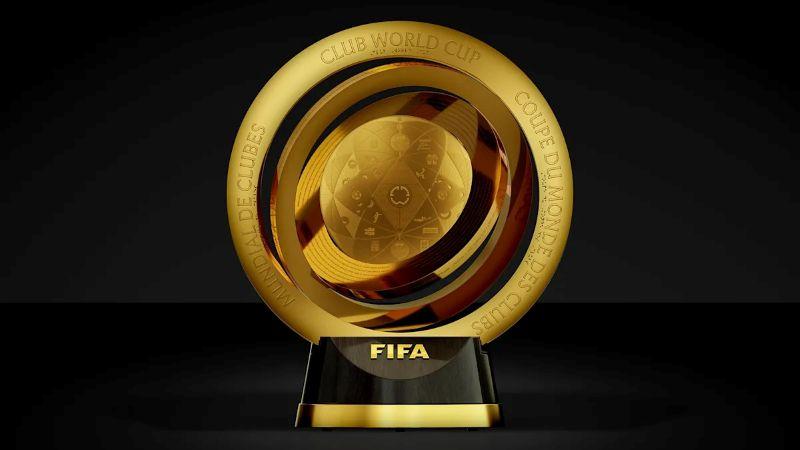
FIFA’s newly expanded Club World Cup kicks off this weekend in the United States, featuring 32 elite football teams and a staggering $1 billion in total prize money. But as the glitzy competition begins, questions loom about its long-term impact on players, domestic leagues, and the global football ecosystem. With top European clubs like PSG, Real Madrid, Chelsea, and Manchester City participating, the tournament offers a payday of up to $125 million for the winner but at what cost?
Elite players are being pushed to their physical limits. PSG's Vitinha, for instance, has already played over 60 matches for club and country this season. With only a short break before the next campaign begins, many fear the game’s biggest names are on the verge of burnout. Player unions such as FIFPro have warned of potential strike action, citing "excessively long and intense seasons" that leave no room for recovery.
The tournament's timing has also drawn fire for overloading an already jam-packed football calendar. Domestic leagues and continental competitions like the CONCACAF Gold Cup are forced to share attention or make do without star players. USA national coach Mauricio Pochettino is missing key figures like Weston McKennie and Timothy Weah, who are committed to Club World Cup duties with Juventus.
Critics argue that the financial rewards risk creating a wider gap between rich and modest clubs. While giants like PSG and Manchester City further fatten their coffers, clubs from smaller football markets like South Africa’s Mamelodi Sundowns or Oceania's Auckland City enter with massive financial incentives that could tilt the balance in their domestic leagues. Auckland City alone receives $3.5 million as an appearance fee, a figure unimaginable in their local competitions.
Domestic leagues, particularly in Europe, are frustrated. La Liga president Javier Tebas warned of the Club World Cup’s potential to damage national leagues’ competitiveness. The Premier League's Mathieu Moreuil echoed this, criticizing international bodies for over-saturating the schedule.
Despite the backlash, FIFA remains committed to its ambitious vision. Supporters like PSG manager Luis Enrique view it as a world-class competition that elevates the sport’s profile globally. Still, many within the football community believe that such a large-scale tournament, staged every four years, may be a step too far unless global scheduling is addressed.
As the Club World Cup unfolds, it will not only showcase world-class football but also test the sport’s ability to balance commercial growth with player welfare and competitive fairness. Whether it reshapes global football or implodes under its own weight remains to be seen.