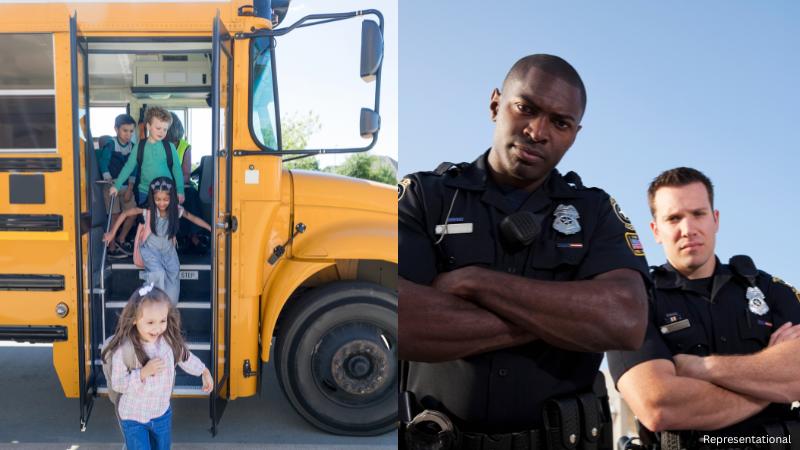
The start of the new school year in Washington DC, less than 36 hours away, is stirring up a mix of emotions for many families. For most years, this time brings excitement about new clothes, fresh books, and reuniting with friends. But this year, parents and students in the district are entering classrooms with unease and worry after seeing federal officers and military troops patrolling neighborhoods for the past two weeks. The atmosphere, usually filled with back-to-school anticipation, has instead been shadowed by concerns over safety, law enforcement presence, and the broader implications of federal intervention in the city.
Parents like Iris Jacob, who has three children enrolled in the DC Public School system, say the joy of preparing for a new academic year is clouded by anxiety. She shared her conflicting emotions, saying she felt excited for her kids to begin their studies but also scared because she had never faced such a heavy federal presence in her neighborhood before. For her, the fear is not just personal but something she sees mirrored in her children, who are learning to navigate the sight of armed officers stationed close to their schools.
Her eighth-grade daughter Ife expressed that the constant presence of police and military officers cannot be ignored. She described how seeing them everywhere has created a tense environment for young people who are supposed to feel safe while focusing on their education. Her younger daughter Ozioma, about to start fifth grade, voiced a simple but profound concern, saying she hopes the officers truly protect them because, at the end of the day, they are just kids trying to go to school. These raw sentiments highlight how deeply the presence of troops has unsettled children who should otherwise be enjoying the excitement of a new school year.
Across the district, many other parents have echoed similar worries at community events organized to address these issues. Mothers and fathers raised questions about the safety of students not only during school hours but also once they leave school buildings and head back home. They fear that no clear protocols have been established to ensure children are protected as they navigate streets now filled with police and federal agents. Parents argue that the school system should be providing stronger guidance and assurances, but many feel they have received only minimal information from the district. Some parents said they joined multiple calls with school officials, only to hear vague messages about knowing their rights without any detailed plans for student safety under the unusual circumstances.
The concerns extend beyond immediate safety. Families have criticized the decision to pour resources into law enforcement rather than investing in community services that could directly benefit children and families. Students themselves have voiced frustration, saying money should be directed toward libraries, programs, and educational support rather than increasing a military or police presence that leaves them feeling anxious. For many young people, the experience of seeing armed officers so close to their daily lives is intimidating, and they want assurance that their city values their education and well-being above political and security strategies.
In response to the growing unease, officials from the DC Public School system held a virtual information session to address the issue. They reassured families that schools would see minimal impact from the federal patrols and emphasized that officers have no authority to conduct law enforcement activities on school property without a warrant or court order. This statement was meant to calm fears, but many parents remain unconvinced, saying that the psychological effect of such a strong law enforcement presence cannot be easily dismissed, especially for impressionable children.
The situation underscores a broader debate about the role of federal intervention in Washington DC and its impact on local communities. For families preparing for the first day of school, the hope is that their children will be able to focus on learning, making friends, and enjoying their classrooms rather than worrying about the troops stationed nearby. The presence of police and federal officers may be framed as protection by some, but for parents like Iris and her daughters, it feels like an intrusion that adds fear to what should be a time of excitement and new beginnings.
As the first day of school approaches, many families remain torn between excitement and fear. They want their children to succeed academically, but they also demand an environment that allows them to feel safe and supported. Whether the reassurances from DCPS are enough to ease these concerns remains to be seen. For now, the voices of both parents and students make clear that the conversation about safety, community investment, and the role of federal authorities will continue to shape the school year ahead.