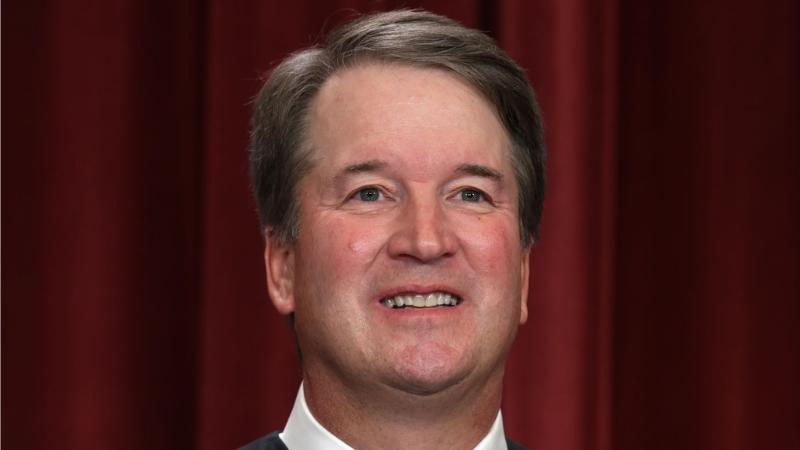
Justice Brett Kavanaugh on Thursday addressed criticism regarding the Supreme Court's handling of emergency cases, often referred to as the shadow docket, during a conference in Kansas City attended by judges and legal professionals. In recent years, the court has faced increasing scrutiny for issuing decisions on urgent matters, particularly those involving policies from the Trump administration, without providing extensive explanations or holding full hearings. Critics have argued that the court's approach lacks transparency, as many of these decisions have been issued quickly, frequently siding with the government, and often without the standard process of full briefings and oral arguments.
Kavanaugh defended the court's methods, stating that the justices take these emergency cases very seriously and are committed to ensuring they receive appropriate consideration despite the expedited timelines. He acknowledged that the question of whether a president's policies should be allowed to take effect while litigation is ongoing is complex and significant. He emphasized that the court does not view its preliminary decisions as final judgments on the merits of the cases, but rather as temporary measures while the full legal process continues.
According to Kavanaugh, the court has been working to enhance its procedures to provide more clarity in these high-stakes decisions. He pointed out that in recent years the Supreme Court has made efforts to expand its analysis, including holding oral arguments and issuing detailed rulings in several key cases. For example, he mentioned the court’s involvement in narrowing injunctions that had blocked Trump’s controversial policy on birthright citizenship, a case in which the court went beyond the minimal explanation typically associated with shadow docket decisions. Additionally, Kavanaugh referred to cases during the Biden administration involving Covid-19 vaccine mandates, where the court similarly engaged in oral arguments before reaching a decision.
Kavanaugh stated that the court has increased its written explanations compared to the past, signaling a shift toward greater transparency while still managing the demands of urgent legal matters. His comments come at a time when the judiciary faces significant public and political criticism, particularly when rulings do not align with the expectations of influential figures such as former President Donald Trump and his supporters. Despite the challenges, Kavanaugh expressed his admiration for the judges and legal professionals present, recognizing their essential role in maintaining the rule of law and safeguarding the independence of the judiciary.
The justice underscored that maintaining an independent judiciary is crucial to the health of constitutional democracy, describing it as the "crown jewel" of the system. He encouraged fellow judges to continue upholding the principles of impartiality and resilience in the face of external pressures. At the same time, he reminded them that criticism is an inevitable part of the judicial role, requiring a strong commitment to their responsibilities despite public scrutiny.
Kavanaugh’s remarks provide insight into how the Supreme Court views its evolving approach to handling emergency cases, balancing the need for swift action with the obligation to ensure fairness and transparency. While he acknowledged the validity of concerns regarding the shadow docket, he reaffirmed that the justices are making continuous efforts to refine their processes and better communicate their reasoning in decisions that can have far-reaching consequences. His defense of the court highlights an ongoing effort to bridge the gap between judicial efficiency and the public’s demand for accountability in decisions that shape the nation’s legal landscape.