#constitutionallaw
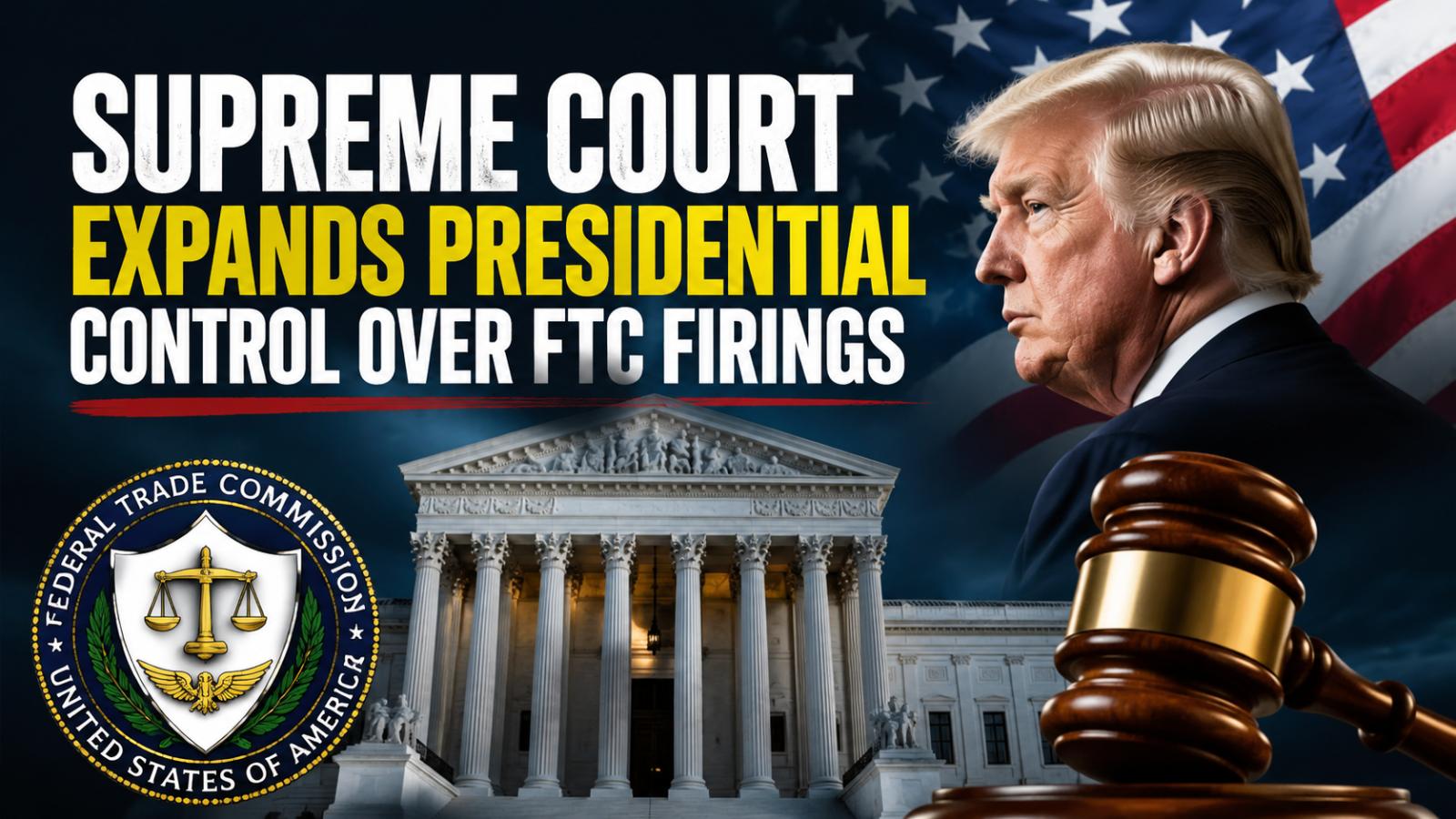
US Supreme Court expands presidential control over FTC firings
A major ruling from the US Supreme Court has redefined how much authority the president holds over independent federal agencies, including the Federal Trade Commission. In a closely watched 6–3 decision, the court concluded that certain protections preventing removal of agency officials without cause are inconsistent with the constitutional structure of executive power. The judgment effectively strengthens presidential oversight, allowing broader discretion in removing commissioners who exercise executive functions. Background of the FTC dismissal dispute The case arose after FTC commissioner Rebecca Slaughter was removed from her position without being given a formal reason tied to misconduct or inefficiency. She challenged the decision, arguing that the Federal Trade Commission Act of 1914 only permits removal under limited conditions such as neglect of duty or wrongdoing. Her legal team maintained that her dismissal violated statutory safeguards designed to protect agency independence. The dispute quickly escalated into a constitutional question about how far presidential authority extends over regulatory bodies. Court’s interpretation of executive authority Writing for the majority, Chief Justice John Roberts held that officials exercising executive power must remain accountable to the president. The court reasoned that insulating such officials from removal undermines the constitutional principle of a unified executive branch. As a result, the Federal Trade Commission’s structure was found to be partially incompatible with absolute “for cause” removal protection. The ruling split the court 6–3, with dissenting justices warning that the decision weakens institutional safeguards designed to prevent political interference in regulatory enforcement. Legal precedent and structural implications The decision revisits long-standing administrative law principles tied to earlier rulings that had supported limits on presidential removal power for independent agencies. By narrowing those protections, the court has opened the door for broader executive control over a range of federal commissions that previously operated with significant autonomy. Legal analysts expect the ruling to influence disputes involving multiple regulatory bodies beyond the FTC, particularly where commissioners have statutory job protections. Impact on independent agencies and governance The ruling could affect dozens of federal agencies that rely on “for cause” removal standards to maintain operational independence. These institutions, which include regulatory, labor, and enforcement bodies such as the Federal Trade Commission, may now face closer oversight from the White House. Supporters of the ruling argue it strengthens accountability and reduces bureaucratic insulation. Critics, however, warn it concentrates too much power in the executive branch and could weaken regulatory neutrality. Political reactions and dissenting views Former President Donald Trump welcomed the decision, describing it as a significant reinforcement of presidential authority over federal institutions. In contrast, Justice Sonia Sotomayor issued a strong dissent, arguing that the ruling undermines structural protections that prevent excessive executive control over independent agencies. The decision is expected to remain a key reference point in future constitutional debates on the balance of power between the presidency and regulatory institutions.
US Supreme Court expands presidential control over FTC firings
A major ruling from the US Supreme Court has redefined how much authority the president holds over independent federal agencies, including the Federal Trade Commission. In a closely watched 6–3 decision, the court concluded that certain protections preventing removal of agency officials without cause are inconsistent with the constitutional structure of executive power. The judgment effectively strengthens presidential oversight, allowing broader discretion in removing commissioners who exercise executive functions. Background of the FTC dismissal dispute The case arose after FTC commissioner Rebecca Slaughter was removed from her position without being given a formal reason tied to misconduct or inefficiency. She challenged the decision, arguing that the Federal Trade Commission Act of 1914 only permits removal under limited conditions such as neglect of duty or wrongdoing. Her legal team maintained that her dismissal violated statutory safeguards designed to protect agency independence. The dispute quickly escalated into a constitutional question about how far presidential authority extends over regulatory bodies. Court’s interpretation of executive authority Writing for the majority, Chief Justice John Roberts held that officials exercising executive power must remain accountable to the president. The court reasoned that insulating such officials from removal undermines the constitutional principle of a unified executive branch. As a result, the Federal Trade Commission’s structure was found to be partially incompatible with absolute “for cause” removal protection. The ruling split the court 6–3, with dissenting justices warning that the decision weakens institutional safeguards designed to prevent political interference in regulatory enforcement. Legal precedent and structural implications The decision revisits long-standing administrative law principles tied to earlier rulings that had supported limits on presidential removal power for independent agencies. By narrowing those protections, the court has opened the door for broader executive control over a range of federal commissions that previously operated with significant autonomy. Legal analysts expect the ruling to influence disputes involving multiple regulatory bodies beyond the FTC, particularly where commissioners have statutory job protections. Impact on independent agencies and governance The ruling could affect dozens of federal agencies that rely on “for cause” removal standards to maintain operational independence. These institutions, which include regulatory, labor, and enforcement bodies such as the Federal Trade Commission, may now face closer oversight from the White House. Supporters of the ruling argue it strengthens accountability and reduces bureaucratic insulation. Critics, however, warn it concentrates too much power in the executive branch and could weaken regulatory neutrality. Political reactions and dissenting views Former President Donald Trump welcomed the decision, describing it as a significant reinforcement of presidential authority over federal institutions. In contrast, Justice Sonia Sotomayor issued a strong dissent, arguing that the ruling undermines structural protections that prevent excessive executive control over independent agencies. The decision is expected to remain a key reference point in future constitutional debates on the balance of power between the presidency and regulatory institutions.
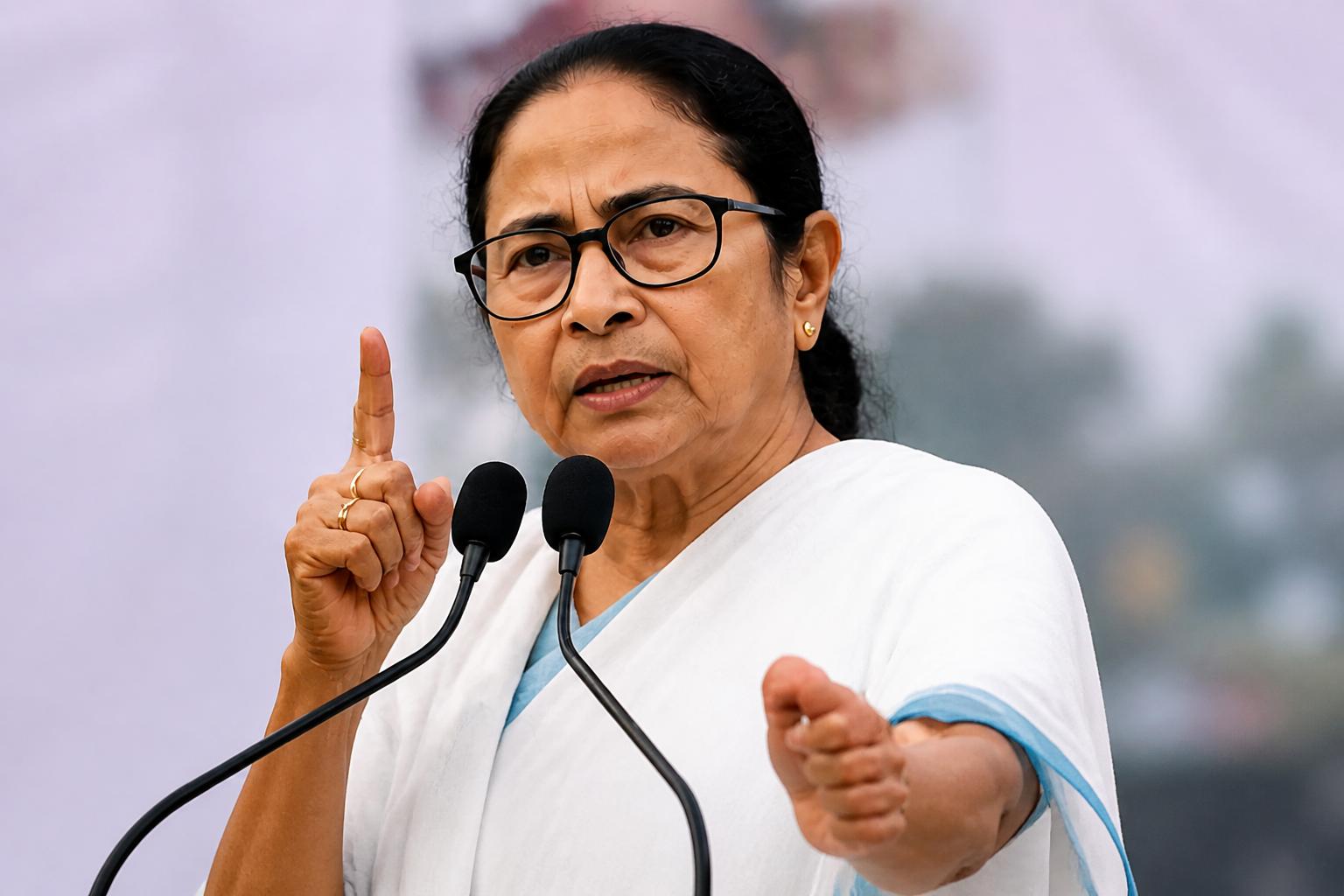
Mamata Banerjee Refuses to Resign After BJP Victory in Bengal: What Happens Next?
In a defiant stance after the BJP's overwhelming victory in the 2026 Bengal Assembly elections, Mamata Banerjee has refused to resign from her position as Chief Minister, despite losing her Bhabanipur seat. The Trinamool Congress (TMC) leader, who has led Bengal for over a decade, declared, “I won’t resign. I didn’t lose,” in a packed press conference. This statement has raised questions about the constitutional implications of her refusal to step down, as the TMC government’s term
Mamata Banerjee Refuses to Resign After BJP Victory in Bengal: What Happens Next?
In a defiant stance after the BJP's overwhelming victory in the 2026 Bengal Assembly elections, Mamata Banerjee has refused to resign from her position as Chief Minister, despite losing her Bhabanipur seat. The Trinamool Congress (TMC) leader, who has led Bengal for over a decade, declared, “I won’t resign. I didn’t lose,” in a packed press conference. This statement has raised questions about the constitutional implications of her refusal to step down, as the TMC government’s term
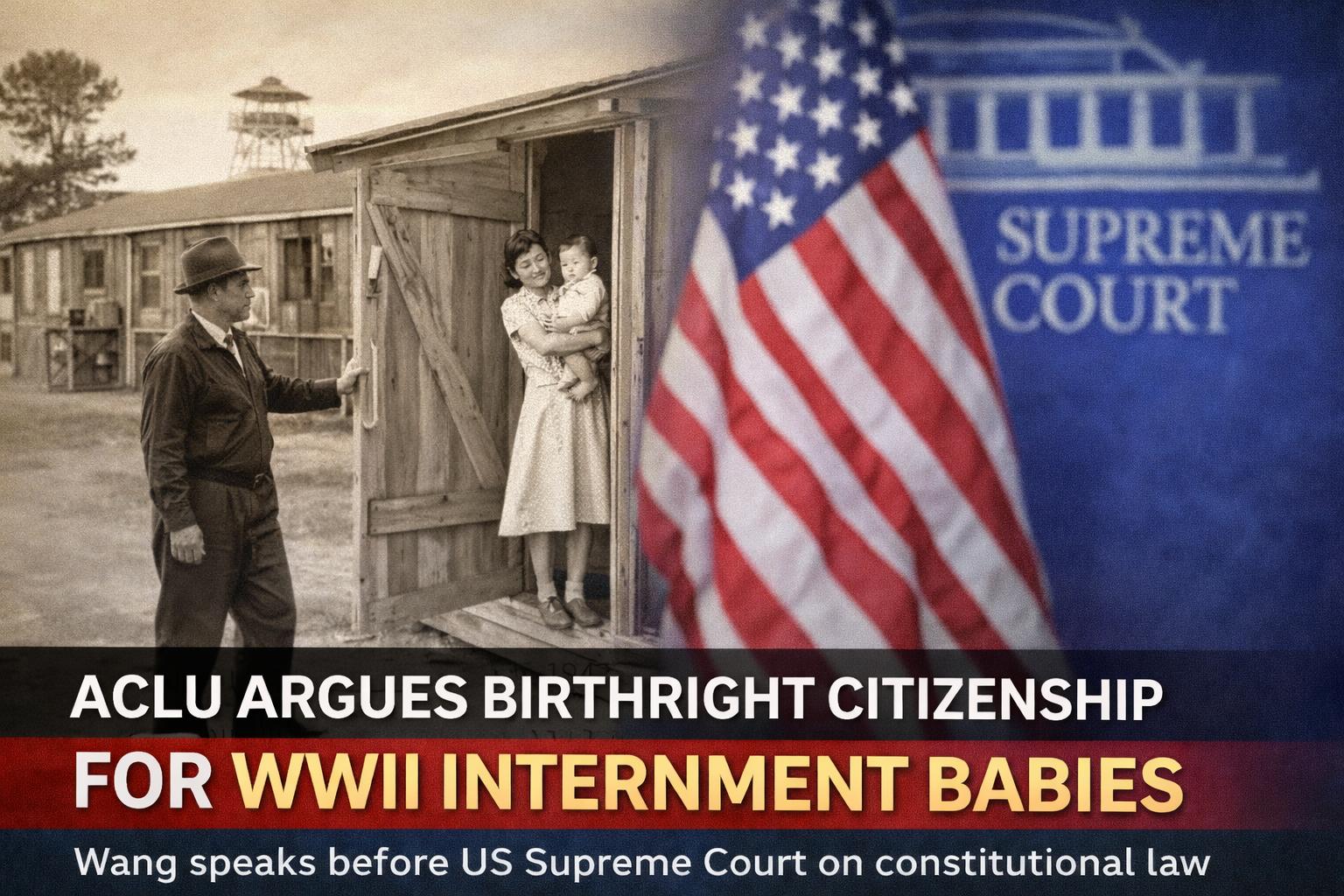
ACLU argues birthright citizenship using WWII internment example
An attorney for the American Civil Liberties Union argued before the U.S. Supreme Court that historical precedent supports granting citizenship to individuals born on American soil, referencing births during World War II-era Japanese internment as a key example. During an exchange with Justice Amy Coney Barrett, ACLU lawyer Wang pointed to the treatment of children born in U.S. detention camps, emphasizing that such individuals were widely recognized as American citizens under existing law.
ACLU argues birthright citizenship using WWII internment example
An attorney for the American Civil Liberties Union argued before the U.S. Supreme Court that historical precedent supports granting citizenship to individuals born on American soil, referencing births during World War II-era Japanese internment as a key example. During an exchange with Justice Amy Coney Barrett, ACLU lawyer Wang pointed to the treatment of children born in U.S. detention camps, emphasizing that such individuals were widely recognized as American citizens under existing law.
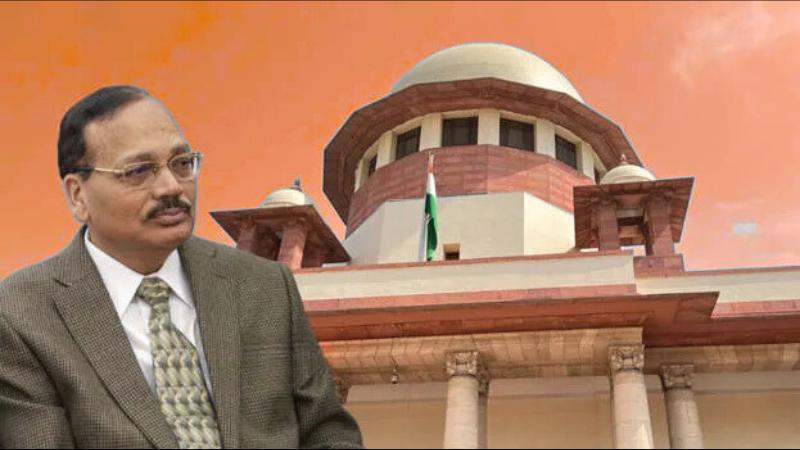
Justice Surya Kant Appointed 53rd Chief Justice of India, To Assume Office on Nov 24
Justice Surya Kant, one of the senior-most judges of the Supreme Court, has been officially appointed as the 53rd Chief Justice of India (CJI). The announcement was made by Union Law Minister Arjun Ram Meghwal, who congratulated Justice Kant on his appointment via X (formerly Twitter). He will take charge on November 24, 2025, succeeding Chief Justice DY Chandrachud, and will hold office until February 9, 2027. Justice Surya Kant, who hails from Haryana, has a distinguished judicial
Justice Surya Kant Appointed 53rd Chief Justice of India, To Assume Office on Nov 24
Justice Surya Kant, one of the senior-most judges of the Supreme Court, has been officially appointed as the 53rd Chief Justice of India (CJI). The announcement was made by Union Law Minister Arjun Ram Meghwal, who congratulated Justice Kant on his appointment via X (formerly Twitter). He will take charge on November 24, 2025, succeeding Chief Justice DY Chandrachud, and will hold office until February 9, 2027. Justice Surya Kant, who hails from Haryana, has a distinguished judicial
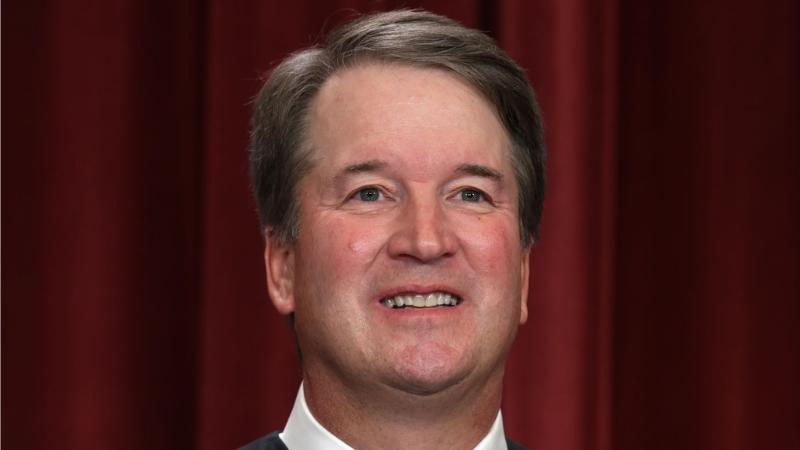
Justice Brett Kavanaugh defends supreme court handling of emergency cases criticism
Justice Brett Kavanaugh on Thursday addressed criticism regarding the Supreme Court's handling of emergency cases, often referred to as the shadow docket, during a conference in Kansas City attended by judges and legal professionals. In recent years, the court has faced increasing scrutiny for issuing decisions on urgent matters, particularly those involving policies from the Trump administration, without providing extensive explanations or holding full hearings. Critics have argued that
Justice Brett Kavanaugh defends supreme court handling of emergency cases criticism
Justice Brett Kavanaugh on Thursday addressed criticism regarding the Supreme Court's handling of emergency cases, often referred to as the shadow docket, during a conference in Kansas City attended by judges and legal professionals. In recent years, the court has faced increasing scrutiny for issuing decisions on urgent matters, particularly those involving policies from the Trump administration, without providing extensive explanations or holding full hearings. Critics have argued that
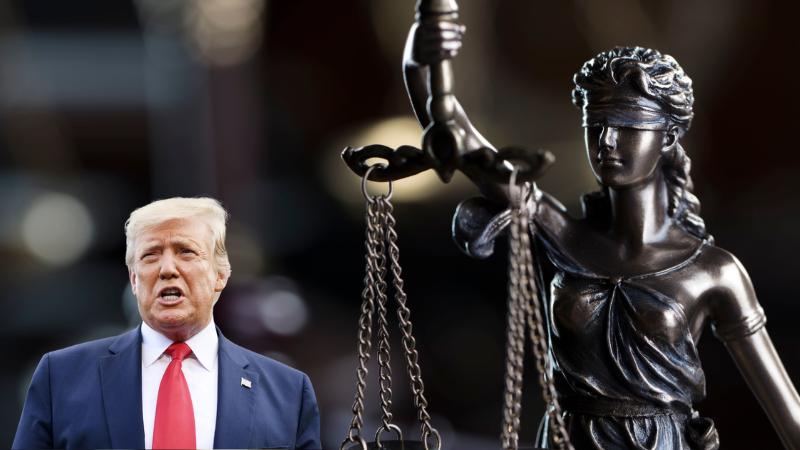
Trump Wins Legal Boost on Immigration as Court Limits Federal Judges' Broad Injunctions
Washington, June 27 – The United States Supreme Court handed President Donald Trump a significant legal victory on Friday by narrowing the authority of federal judges to issue sweeping nationwide injunctions, a move that could allow his contested immigration policies—including the attempt to limit birthright citizenship—to advance in parts of the country. However, the court stopped short of ruling on the constitutionality of Trump’s order, leaving the future of the bir
Trump Wins Legal Boost on Immigration as Court Limits Federal Judges' Broad Injunctions
Washington, June 27 – The United States Supreme Court handed President Donald Trump a significant legal victory on Friday by narrowing the authority of federal judges to issue sweeping nationwide injunctions, a move that could allow his contested immigration policies—including the attempt to limit birthright citizenship—to advance in parts of the country. However, the court stopped short of ruling on the constitutionality of Trump’s order, leaving the future of the bir