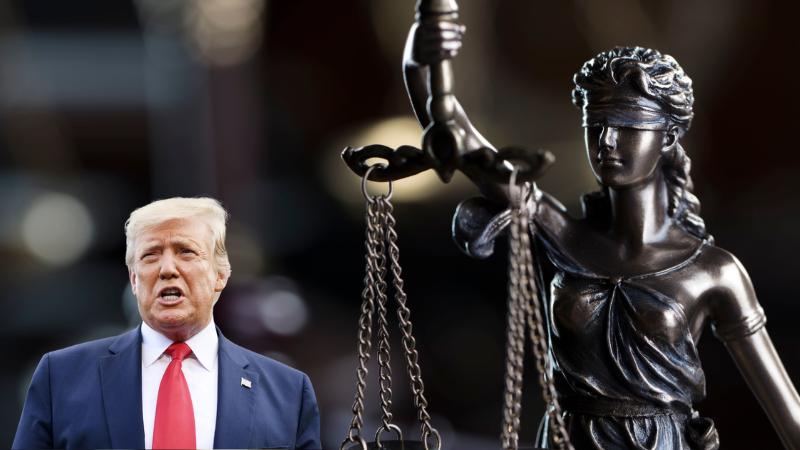
Washington, June 27 – The United States Supreme Court handed President Donald Trump a significant legal victory on Friday by narrowing the authority of federal judges to issue sweeping nationwide injunctions, a move that could allow his contested immigration policies—including the attempt to limit birthright citizenship—to advance in parts of the country. However, the court stopped short of ruling on the constitutionality of Trump’s order, leaving the future of the birthright citizenship directive unresolved.
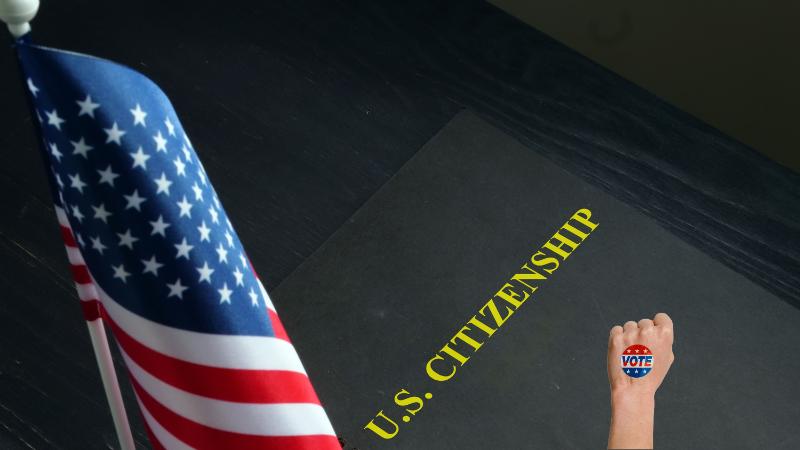
The 6-3 decision, authored by Justice Amy Coney Barrett and backed by the court’s conservative majority, concluded that federal courts had overstepped in issuing universal injunctions that blocked Trump’s executive order nationwide. The directive in question, signed on his first day back in office, instructs federal agencies not to recognize the U.S. citizenship of children born on American soil unless at least one parent is either a U.S. citizen or lawful permanent resident. According to those who challenged the order, more than 150,000 newborns each year would be stripped of citizenship if the policy is enforced.
While the court’s decision refrains from addressing whether Trump’s executive order violates the 14th Amendment, it does instruct lower courts in Maryland, Massachusetts, and Washington state—where three federal judges had previously blocked the order—to reassess the breadth of their rulings. Specifically, it states that those courts must consider limiting their injunctions to apply only to the plaintiffs before them. This restriction on broad judicial relief may pave the way for Trump’s policy to be implemented in some jurisdictions, at least temporarily.
President Trump welcomed the ruling as a constitutional win, asserting that courts should not wield unchecked power to halt policies on a nationwide scale. “It was a grave threat to democracy, frankly,” Trump told reporters. “Instead of merely ruling on the immediate cases before them, these judges have attempted to dictate the law for the entire nation.”
Justice Barrett emphasized in the ruling that the judiciary must act within its bounds and not automatically block executive actions for the entire country. She argued that the law sometimes prohibits courts from issuing such expansive remedies, even when the executive branch’s actions are challenged
Justice Sonia Sotomayor, writing in dissent for the court’s liberal wing, strongly disagreed. She criticized the majority for ignoring the apparent unconstitutionality of Trump’s order and focusing solely on limiting judicial powers. “The majority ignores entirely whether the president's executive order is constitutional,” she wrote, adding that the obvious unlawfulness of the order justifies broad injunctive relief. Sotomayor urged those potentially impacted to pursue class action lawsuits to protect their rights and seek temporary injunctions for entire classes of affected individuals.
Indeed, just two hours after the decision was released, lawyers in the Maryland case filed a motion requesting class action status to protect all children who would lose citizenship under the policy. They argued that the Supreme Court’s language supports class-wide relief in such instances and called for swift court action to safeguard the rights of vulnerable children and families.
Immigrant advocacy groups and legal experts have denounced the executive order as unconstitutional and harmful. They point to the 14th Amendment, ratified in 1868, which guarantees citizenship to all persons born or naturalized in the United States. Legal precedent, including the landmark 1898 decision in United States v. Wong Kim Ark, has long been interpreted to mean that children born on U.S. soil, regardless of parental status, are citizens. Trump’s administration disputes that interpretation, arguing the clause was never intended to apply to children of undocumented immigrants or temporary visitors.
The Justice Department, representing the administration, argued in court that Trump’s executive order reflects the original intent of the 14th Amendment and asked the justices to uphold it without evaluating its legality. Critics argue this approach attempts to shield unlawful policies from judicial review and sets a dangerous precedent that undermines constitutional protections.
Friday’s ruling has generated a mixed response. While supporters of the administration see it as a necessary check on judicial overreach, opponents view it as a dangerous step toward weakening protections for immigrant families. Washington state Attorney General Nick Brown, who helped secure one of the original injunctions, said the ruling was disappointing but clarified that broad injunctions may still be allowed when necessary to provide full relief.
Public opinion on the matter is deeply divided. A recent poll found that only 24% of Americans support ending birthright citizenship, while 52% oppose it. Among Democrats, opposition stands at 84%, compared to 43% support among Republicans. The issue continues to spark intense national debate over the meaning of the Constitution, the role of the judiciary, and the limits of executive power.
Although the Supreme Court did not strike down Trump’s birthright citizenship order, its decision to restrict nationwide injunctions signals a potential shift in how federal courts intervene in future policy disputes. It also underscores the court’s willingness to reinterpret longstanding judicial practices in ways that may favor executive authority.
As legal challenges continue, immigrant rights organizations are preparing to escalate the battle through class action litigation and renewed advocacy. Whether or not Trump’s order ultimately takes effect, the ruling has already stirred fresh controversy in an already polarized national conversation on immigration and constitutional rights.