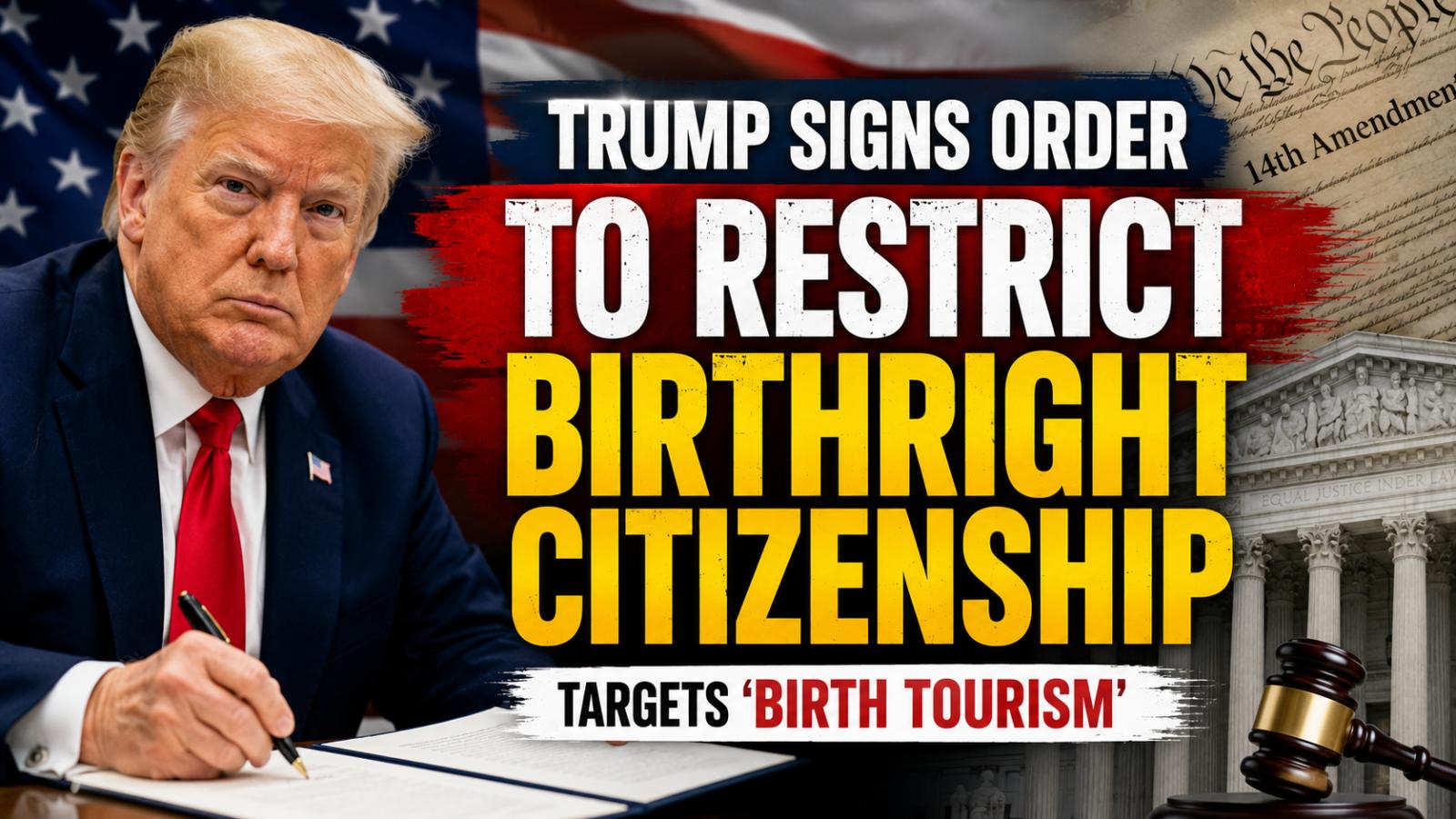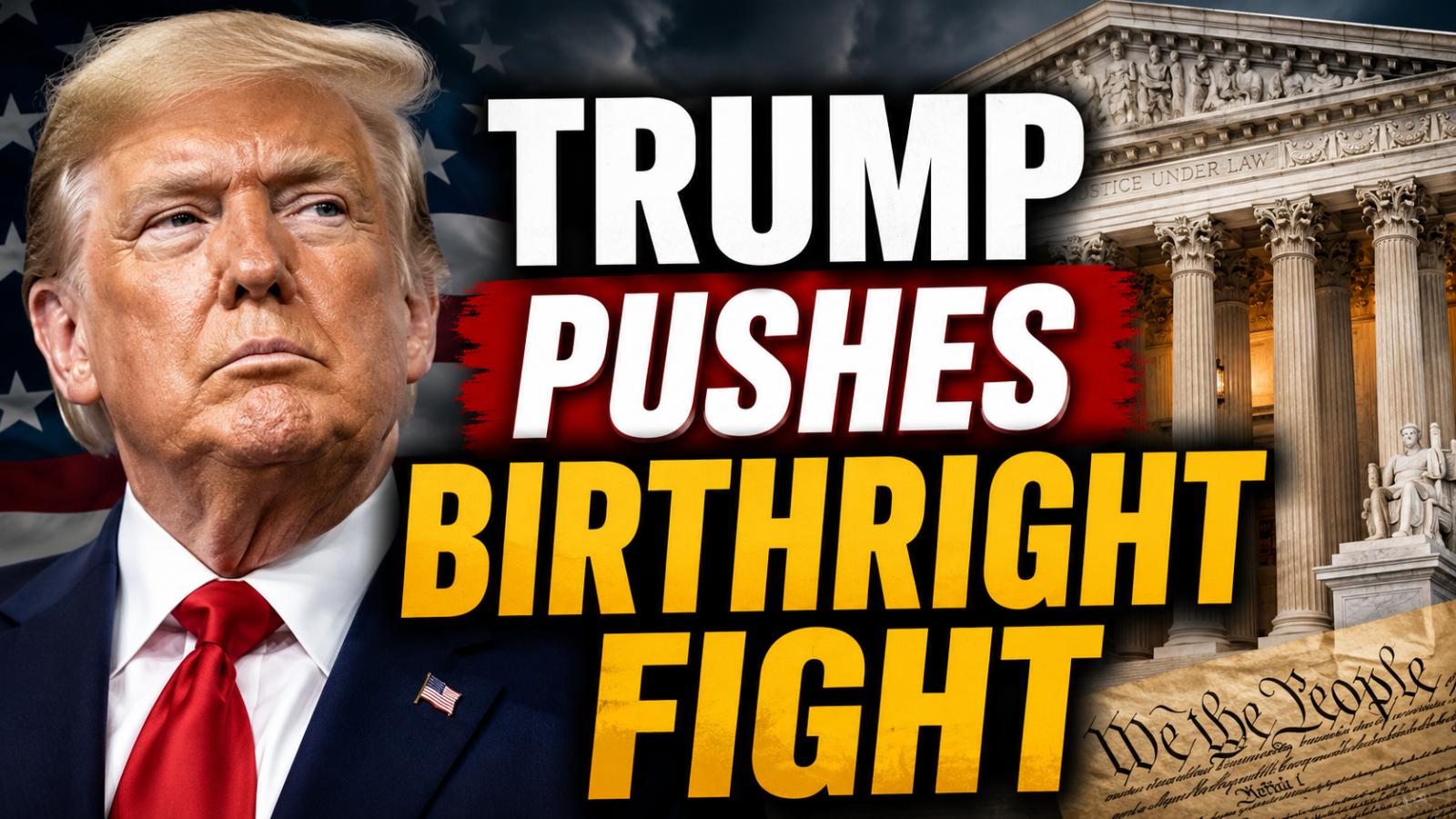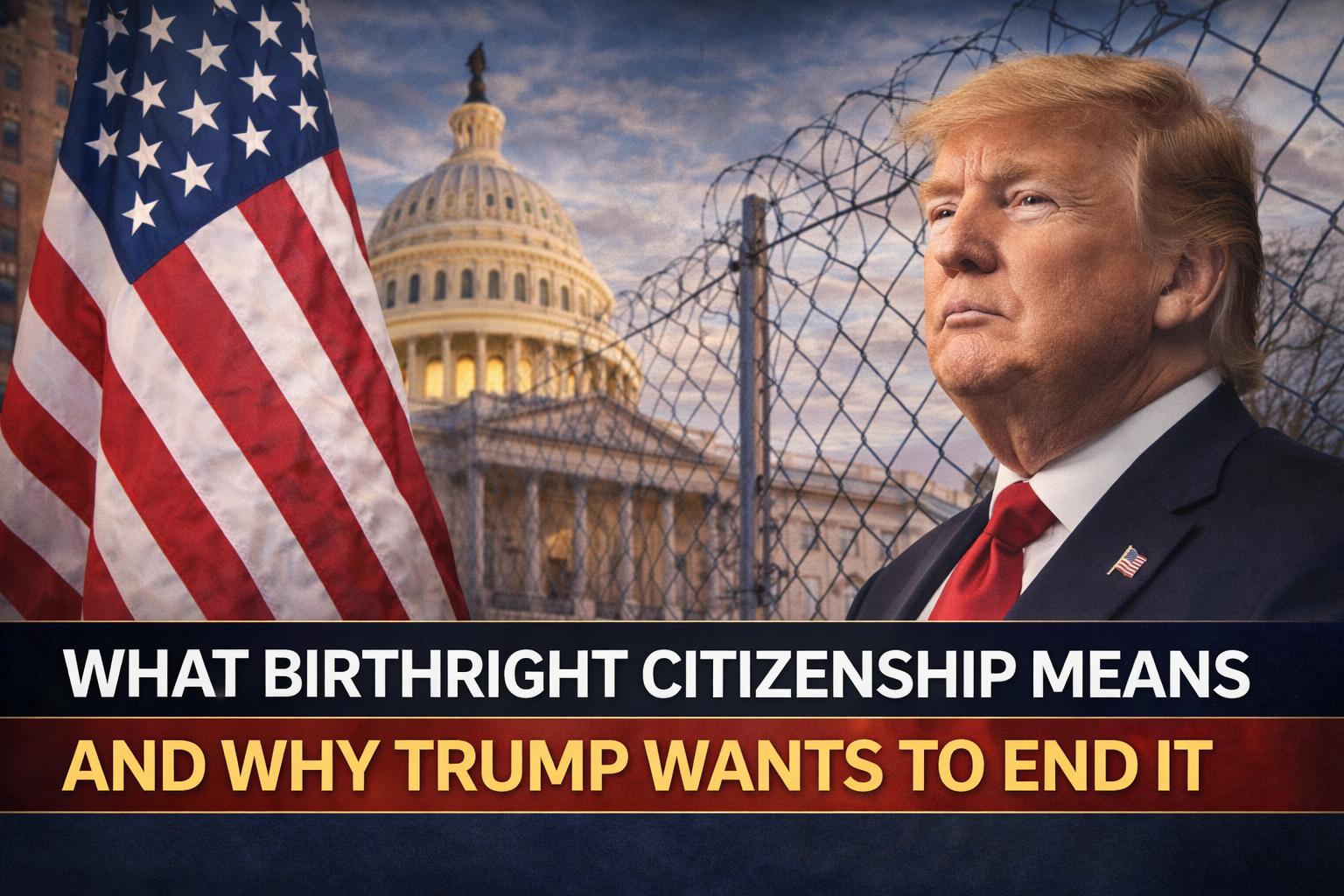
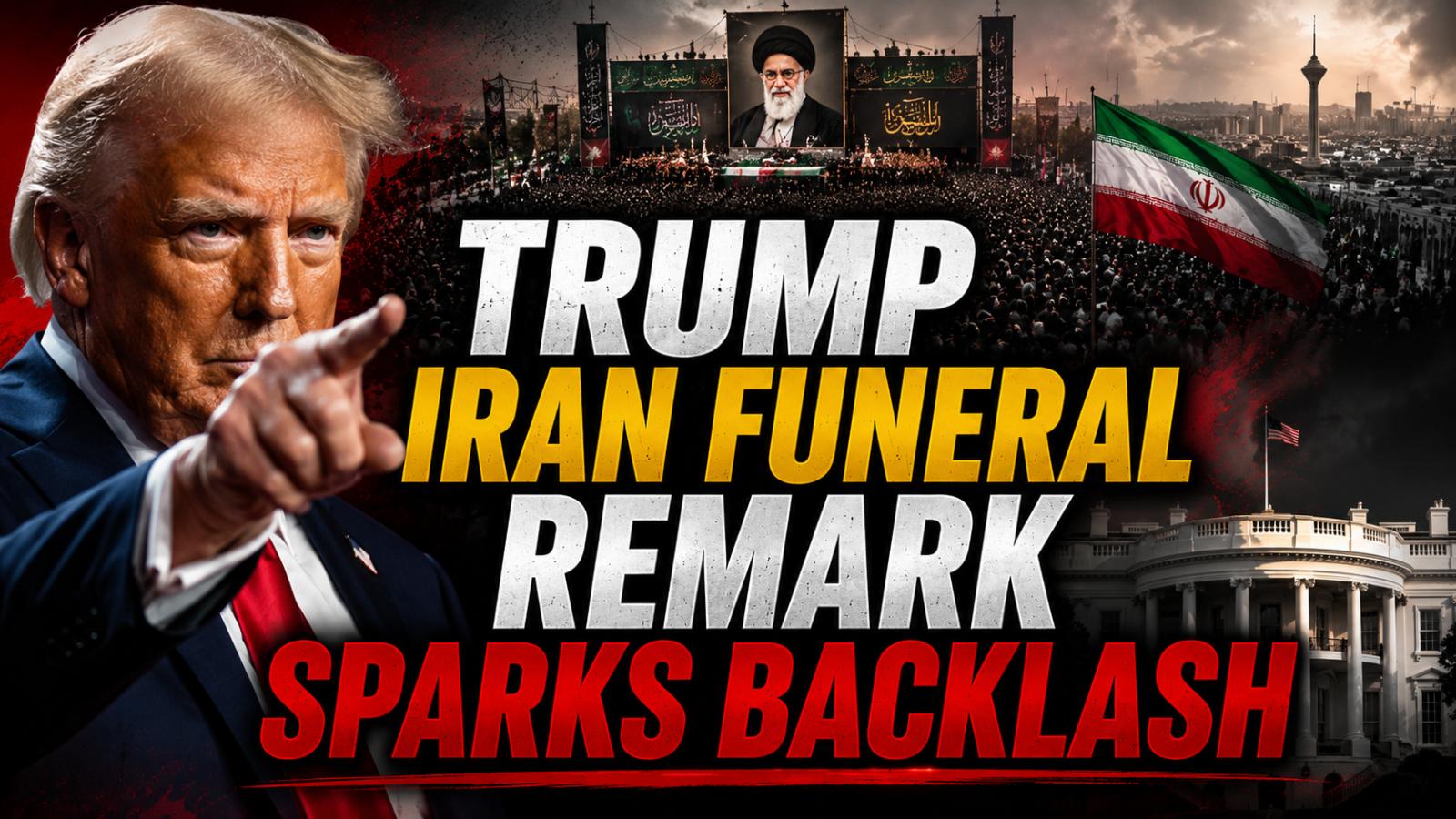

Trump Presses Court On Citizenship Case US President Donald Trump intensified pressure on the Supreme Court on Thursday,May 21,2026 warning that it would be a “disgrace” if the justices rule against his effort to limit birthright citizenship. Speaking at a White House event, Trump urged the court to support his position on automatic citizenship for children born in the United States, a policy central to his broader immig
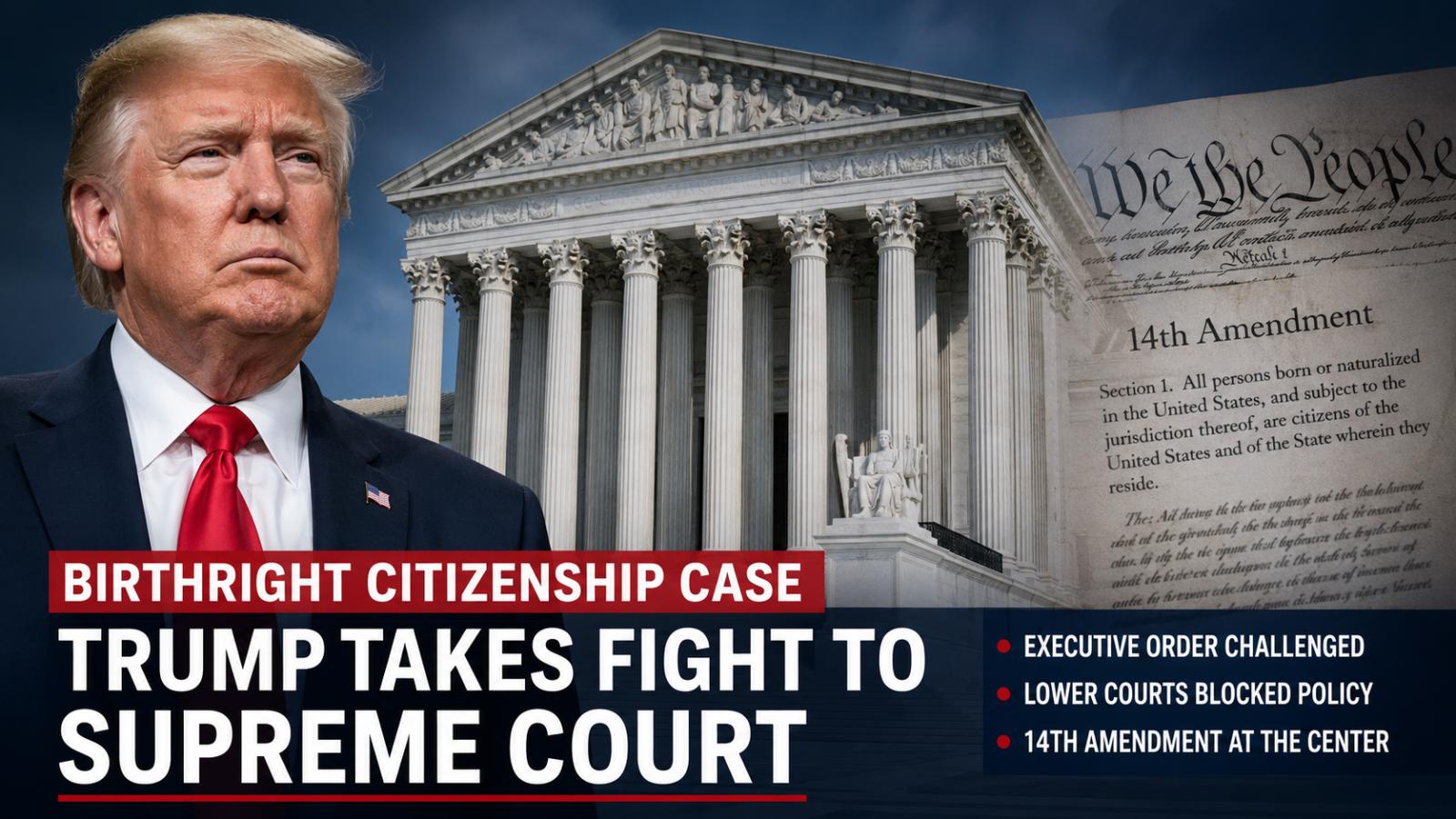
The Trump birthright citizenship case is heading toward a major Supreme Court decision after lower courts blocked the president’s effort to restrict automatic US citizenship for some children born in the United States. President Donald Trump criticized the possibility of losing the case during remarks at the White House on Thursday, May 21, 2026, warning it would be a “disgrace” if the Supreme Court ruled against his administration’s positio
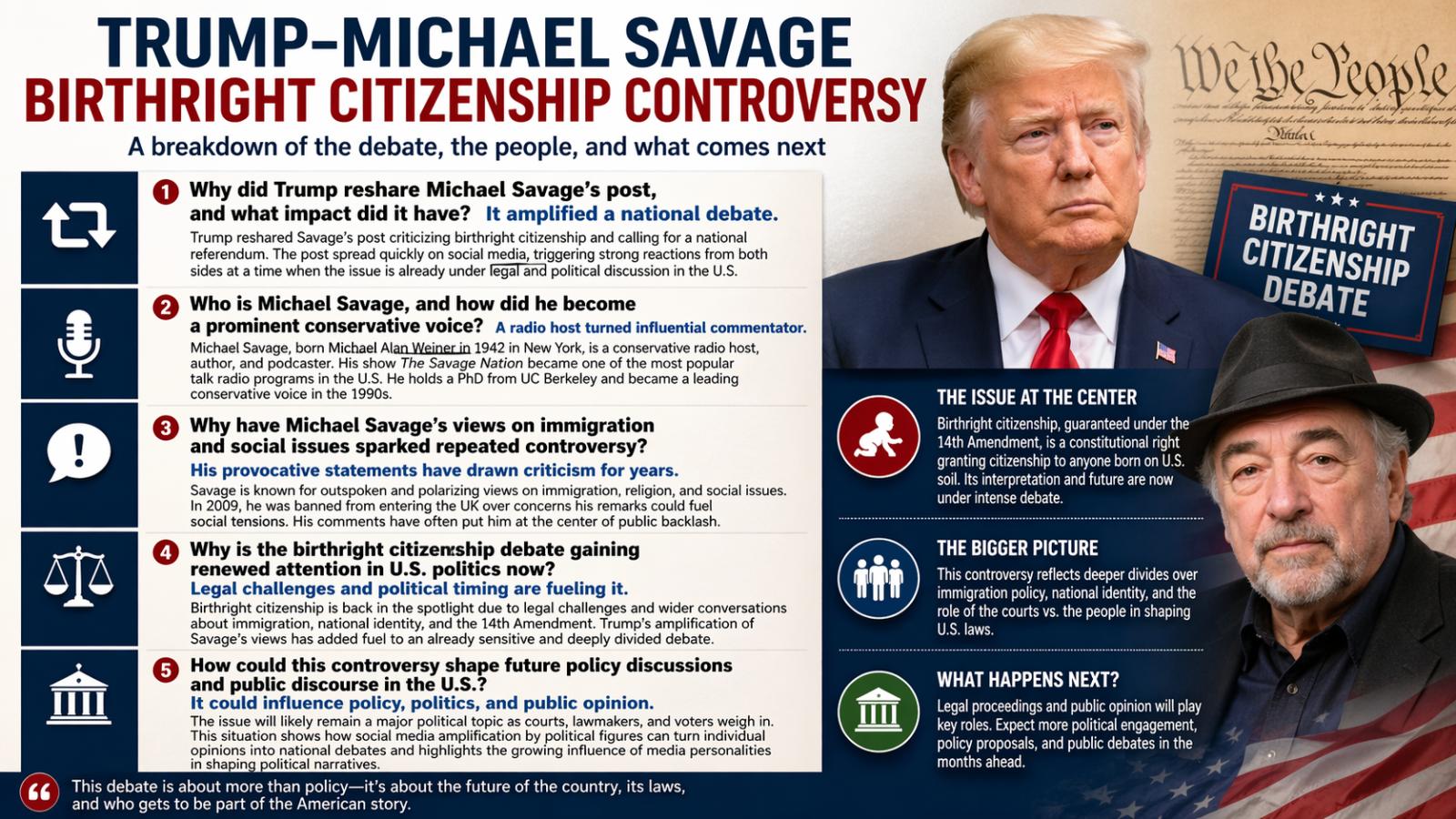
Why did Donald Trump reshare Michael Savage’s post, and what impact did it have? The controversy began when Donald Trump reshared a detailed po
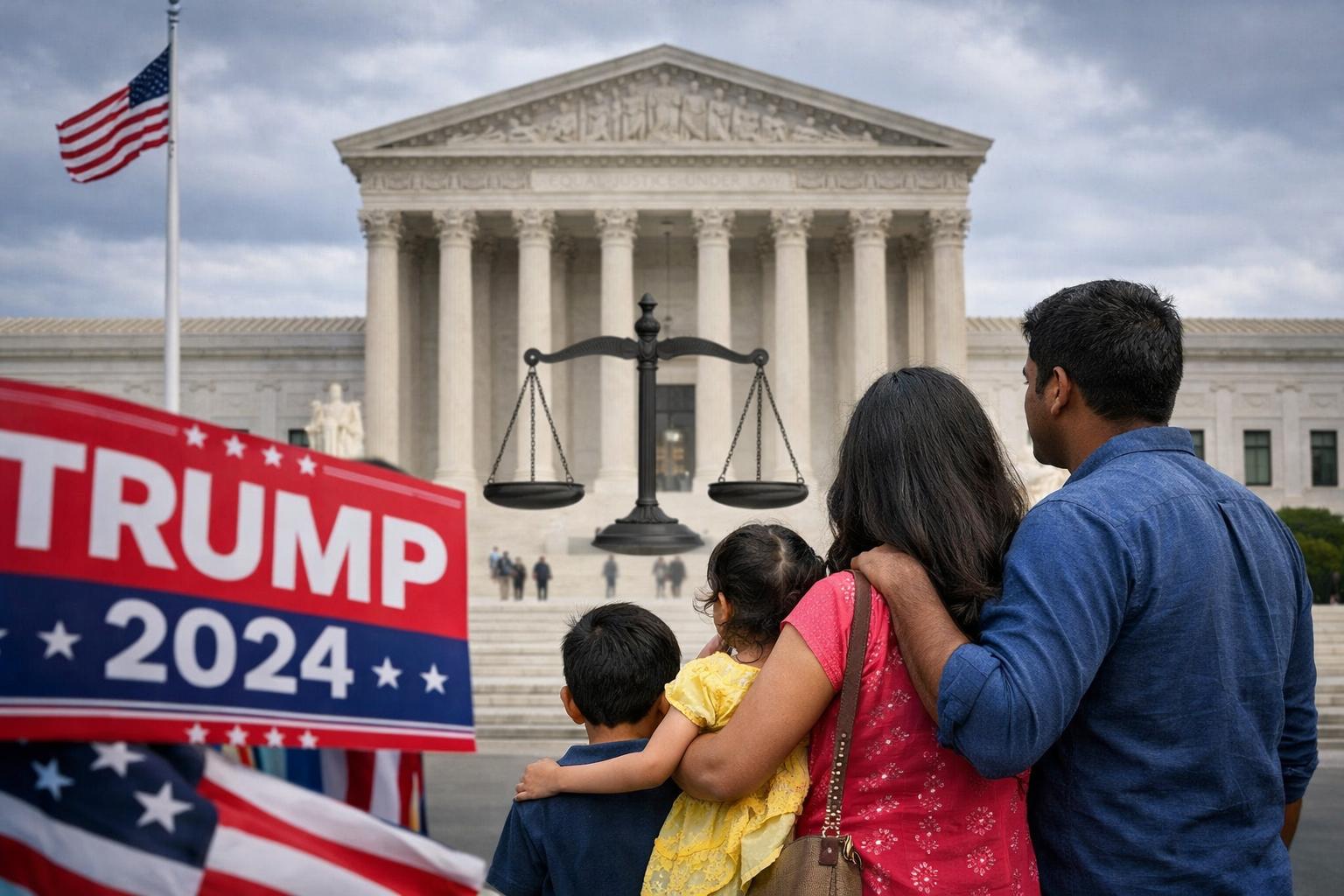
The U.S. Supreme Court is reviewing a contentious policy backed by President Donald Trump that seeks to limit birthright citizenship, prompting strong objections from South Asian advocacy organizations that warn of widespread legal and social consequences. In an amicus brief submitted to the court, a coalition led by the South Asian American Justice Collaborative argued that the proposed restrictions could leave thousands of children born in the United States effectively stateless, creating long
The US Supreme Court is reviewing a major legal challenge to President Donald Trump’s January 2025 executive order seeking to end birthright citizenship. During a hearing on Wednesday, April 1, 2026, justices examined whether the policy aligns with the US Constitution and federal law. Birthright citizenship is based on the 14th Amendment, which states that anyone born in the United States is automatically a citizen, regardless of their parents’ immigration status. This principle
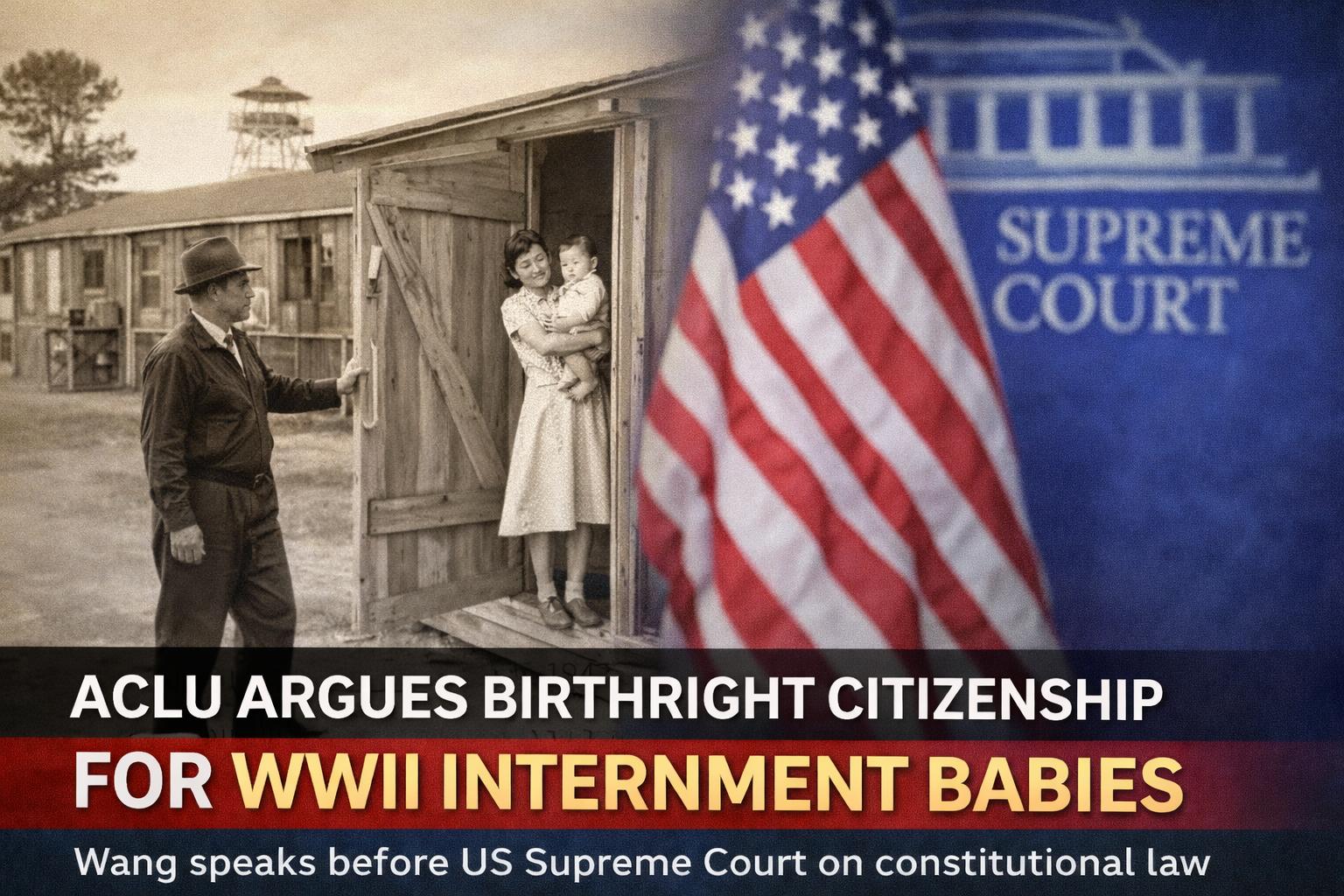
An attorney for the American Civil Liberties Union argued before the U.S. Supreme Court that historical precedent supports granting citizenship to individuals born on American soil, referencing births during World War II-era Japanese internment as a key example. During an exchange with Justice Amy Coney Barrett, ACLU lawyer Wang pointed to the treatment of children born in U.S. detention camps, emphasizing that such individuals were widely recognized as American citizens under existing law.
The Supreme Court is preparing for a closed-door conference on Friday to consider whether it will take up a major dispute over President Donald Trump’s birthright citizenship order. The order, issued on the first day of his second term, declares that children born in the United States to parents who are in the country illegally or temporarily are not entitled to American citizenship. Federal courts across the country have uniformly blocked the order, preventing it from taking effect in any
Washington, June 27 – The United States Supreme Court handed President Donald Trump a significant legal victory on Friday by narrowing the authority of federal judges to issue sweeping nationwide injunctions, a move that could allow his contested immigration policies—including the attempt to limit birthright citizenship—to advance in parts of the country. However, the court stopped short of ruling on the constitutionality of Trump’s order, leaving the future of the bir
The United States Supreme Court on Thursday appeared divided as it considered two major legal questions: the fate of former President Donald Trump’s executive order seeking to end birthright citizenship, and the broader judicial practice of nationwide injunctions that lower courts have used to block such policies. Although none of the justices openly supported the constitutionality of Trump’s controversial order—which attempts to deny citizenship to certain individuals born