Trump seeks rehearing on citizenship ruling
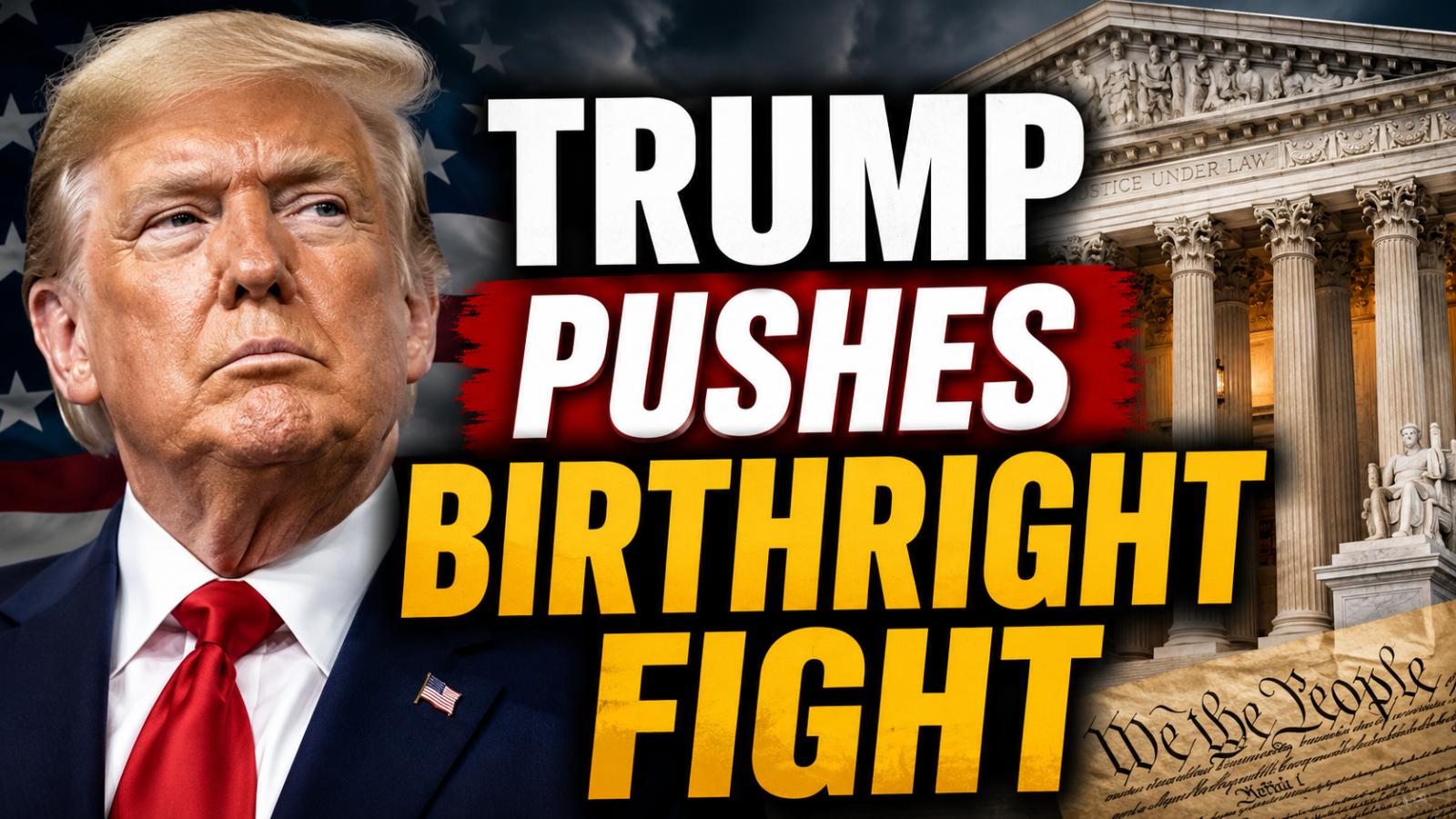
US President Donald Trump said he would immediately ask the Supreme Court to rehear its ruling on birthright citizenship, arguing that the decision could encourage abuse of the immigration system. In a post on Truth Social, Trump claimed that signs and billboards near the southern border and in Mexico were advertising services related to giving birth in the United States. He described the practice as a scam and said American citizenship should not be treated as something that can be bought or sold.
The Supreme Court recently rejected Trump’s effort to limit birthright citizenship through executive action, ruling that children born in the United States to parents who are unlawfully or temporarily present are citizens at birth under the 14th Amendment’s Citizenship Clause. Trump criticised the decision as a “miscarriage of justice” and said he would ask the justices to reconsider. Requests for rehearing at the Supreme Court are allowed but are rarely granted after a final ruling.
Immigration argument returns to focus
Trump argued that birthright citizenship could become a major route for people seeking US citizenship for their children, followed by later family-based immigration. He claimed that businesses and individuals could profit from arranging childbirth in the United States, though he did not provide detailed evidence in the post. His remarks reflect a broader immigration position that has been central to his administration’s policy agenda, including efforts to tighten border rules and reduce pathways he views as vulnerable to abuse.
Legal path remains uncertain
The president did not explain the exact legal basis for the rehearing request or provide a filing timeline. The Supreme Court’s ruling was grounded in the 14th Amendment, which has long been understood to grant citizenship to most people born on US soil and subject to US jurisdiction. Any renewed challenge would face a difficult legal path because the court has already addressed the core constitutional issue.
For US-based readers, the dispute is about more than one executive order. It raises questions about presidential power, constitutional citizenship rights and how far the federal government can go in reshaping immigration policy without a constitutional amendment or new legislation. Trump’s rehearing pledge keeps the issue alive politically, but the legal chances of reversing the ruling remain uncertain.