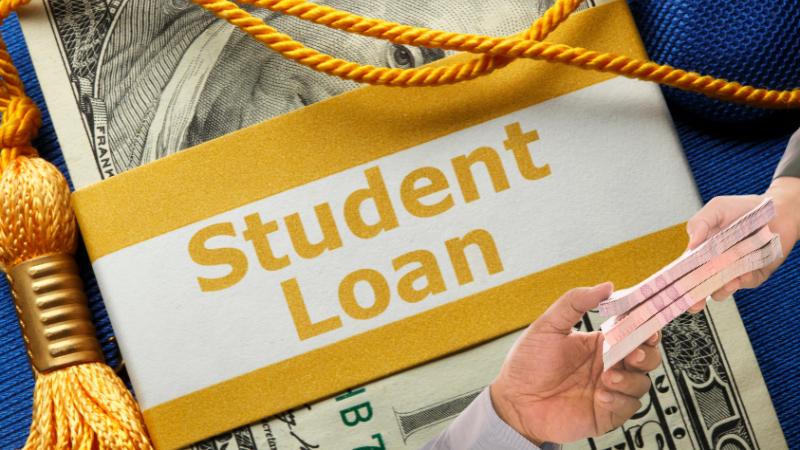
In a sweeping move set to impact millions of Americans, the U.S. Department of Education announced it will resume collections on approximately five million defaulted federal student loans starting May 5. This marks the first time since the pandemic-era pause that collections will be enforced, ending a five-year period of relief that shielded borrowers from wage garnishments and federal benefit offsets.
The action targets borrowers who had already defaulted on their student loans prior to the COVID-19 crisis. According to federal guidelines, a loan enters default when no payments have been made for at least 270 days. Once in default, these loans are subject to aggressive recovery tactics, including wage garnishment and the seizure of tax refunds and Social Security benefits. The return to collections follows significant restructuring at the Department of Education, where staff cuts have raised concerns about the agency’s capacity to assist borrowers transitioning back into repayment. These reductions are part of a broader initiative led by President Donald Trump to dismantle and reorganize the Federal Student Aid office, raising uncertainty about the future of student loan servicing.
Officials argue the resumption of collections is necessary to ensure fiscal responsibility and restore legal compliance in federal lending. Education Secretary Linda McMahon defended the administration’s stance, stating that the federal government must no longer carry the cost of what she described as misguided and unsustainable student loan policies. She criticized previous efforts to eliminate debt through executive action, saying they lacked constitutional authority and simply shifted the financial burden to taxpayers. The end of the collections pause comes at a time when many borrowers are still grappling with the financial consequences of the pandemic. Experts warn that returning to involuntary collections without adequate support systems could deepen economic hardship. Defaulting on a student loan not only damages credit scores but can also limit access to further financial aid and, in some states, even result in the suspension of driver’s licenses.
While the administration has promised a national communications campaign to educate borrowers on how to return to repayment or apply for forgiveness programs, critics argue that this is insufficient. They point to recent layoffs within the department as a significant barrier to providing timely and effective support.
Mike Pierce, executive director of the Student Borrower Protection Center, condemned the move, saying it unfairly targets vulnerable Americans. He called the reintroduction of aggressive collection practices "cruel and unnecessary," particularly given the economic pressures many working families continue to face. The timing of the announcement is also critical, as it comes amidst a broader federal reshuffling of the student loan system. President Trump recently declared that the student loan portfolio, valued at over $1.6 trillion, will be reassigned to the Small Business Administration. While intended to streamline operations, some experts, including former Under Secretary of Education James Kvaal, warn that such a major transition could disrupt services at a time when stability is most needed.
Kvaal, who has served in both the Obama and Biden administrations, cautioned that downsizing the Education Department while millions of borrowers attempt to reenter repayment is a risky strategy. With fewer staff to assist in processing income-driven repayment plans and forgiveness applications, many borrowers could slip through the cracks and end up in collections despite being eligible for relief. The Department of Education maintains that its efforts are aimed at ensuring a fair and lawful loan program, emphasizing that borrowers have had ample time to prepare for repayment. But the reality for many is far more complex. Borrowers navigating unemployment, underemployment, or lingering financial strain from the pandemic may find themselves quickly overwhelmed by the sudden shift.
For those in default, the consequences are serious. Wage garnishments, once initiated, divert funds directly from paychecks. Federal tax returns can be intercepted, and other government benefits, including Social Security, may be withheld. These measures are difficult to reverse once implemented, making it critical that borrowers act swiftly to explore available options for rehabilitation or repayment.
As May 5 approaches, millions of Americans will face the harsh reality of federal debt collection machinery kicking back into gear. The resumption of collections, paired with an uncertain federal support infrastructure, could have ripple effects on both individual financial stability and the broader economy. Whether the new outreach campaign succeeds in guiding borrowers to safety remains to be seen. What’s clear is that the clock is ticking for those in default — and the system, now in transition, is under intense scrutiny from both advocates and economists alike.