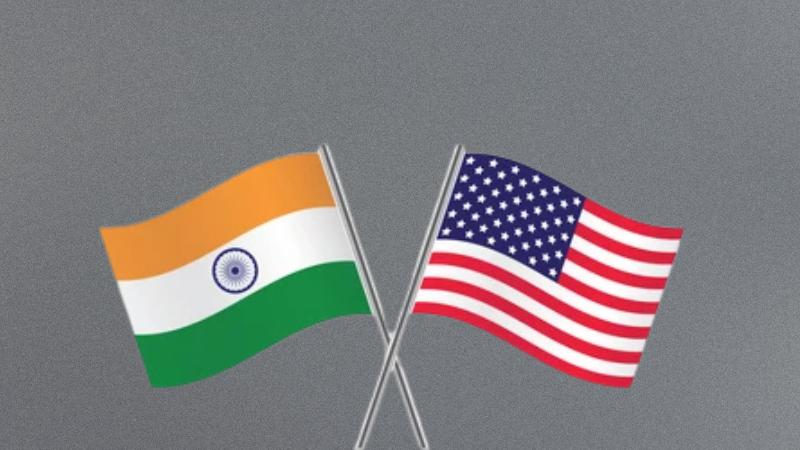
India and the United States are close to concluding a mini trade deal that is expected to provide temporary relief from some of the additional tariffs imposed on Indian exports and open limited access for American agricultural and dairy products. According to sources familiar with the negotiations, the deal, though not final yet, is likely to be announced soon, with both governments aiming to conclude talks before the August 1 deadline set by the US administration. This agreement will serve as a precursor to a broader free trade agreement (FTA) between the two countries, which is expected to be signed later this year.
The mini trade pact has taken shape following weeks of intense discussions between trade officials from both countries. Key areas of the deal include concessions from New Delhi on certain agricultural and dairy products that are not commonly produced in India, and potential tariff reductions on American automobiles. The Indian government is reportedly willing to ease some of its long-held barriers, provided these concessions do not compromise sensitive sectors such as domestic dairy or genetically modified crop policy. The latter remains a non-negotiable issue for India, and no provisions related to GM crops are expected in the mini deal.
From the US side, the mini deal may reduce or eliminate the additional tariffs of approximately 26 percent that were announced earlier this year, although the baseline tariff of 10 percent on Indian goods is expected to remain unchanged. These extra tariffs were part of a broader trade measure introduced by President Donald Trump in April, aimed at addressing the US trade deficit with multiple nations. India exports around $77 billion worth of goods to the US annually, while importing approximately $42 billion, making the US India’s largest export destination.
US President Trump has made reducing trade deficits a key goal of his administration, and India has faced repeated criticism from him over its high tariffs on imported goods, particularly on American-made automobiles and agricultural products. The mini deal is seen as a necessary step to reset bilateral trade relations before the larger FTA is finalized. Trump has also set a hard deadline, giving countries until August 1 to reach interim trade agreements or face significant new tariffs. While several other nations have received letters from the US president threatening tariff hikes—including Canada and the European Union—India has not yet been issued a formal letter, suggesting that progress in talks has been satisfactory so far.
India’s chief negotiator, Rajesh Aggarwal, is currently in Washington leading the final leg of discussions. His team, part of the Ministry of Commerce and Industry, arrived earlier this week to meet US counterparts and iron out the remaining issues. Secretary of Commerce Howard Lutnick has been instrumental in pushing the negotiations forward, particularly in pressing India to further open its agricultural sector. He has held multiple rounds of talks with India’s Commerce and Industry Minister Piyush Goyal to bridge outstanding gaps in trade policy.
The broader geopolitical context adds urgency to the negotiations. The US has been actively renegotiating or threatening to revise multiple trade agreements around the world. President Trump recently wrote to European Commission President Ursula von der Leyen, warning of a 30 percent tariff on all EU exports to the US if trade talks do not progress. Similarly, Canada has been warned of a 35 percent tariff hike. These letters reflect the administration’s aggressive posture on trade, aimed at realigning global trade balances in America’s favor.
For India, a successful mini deal with the US would mark its second major trade breakthrough this year. Prime Minister Narendra Modi is scheduled to travel to the United Kingdom on July 23 to sign a free trade agreement with the British government. That deal notably excludes sensitive items like dairy, cheese, and apples, but includes tariff reductions on spirits such as gin. The Indian government also hopes to finalize a comprehensive FTA with the European Union by the end of 2025.
The final contours of the mini trade deal with the US are still under discussion, but both sides have signaled optimism. The agreement is expected to focus primarily on short-term tariff adjustments and limited market access, with broader issues—such as digital trade, services, intellectual property, and strategic sectors—being deferred to the comprehensive FTA framework later this year.
India’s willingness to allow limited imports of specific US dairy and agricultural products not commonly available domestically may help neutralize longstanding sticking points in bilateral trade talks. However, concerns remain that such concessions, even if narrowly defined, could have ripple effects on India’s other trade negotiations, especially with the EU, where agriculture and dairy remain contentious topics.
The mini deal, if concluded, would mark a significant milestone in India-US trade relations, especially amid rising global trade uncertainty. Both governments appear eager to present this agreement as a win-win solution that reinforces their broader strategic partnership while protecting core economic interests. The final announcement is expected to depend on President Trump’s decision and could come as early as next week, pending approval from both capitals.