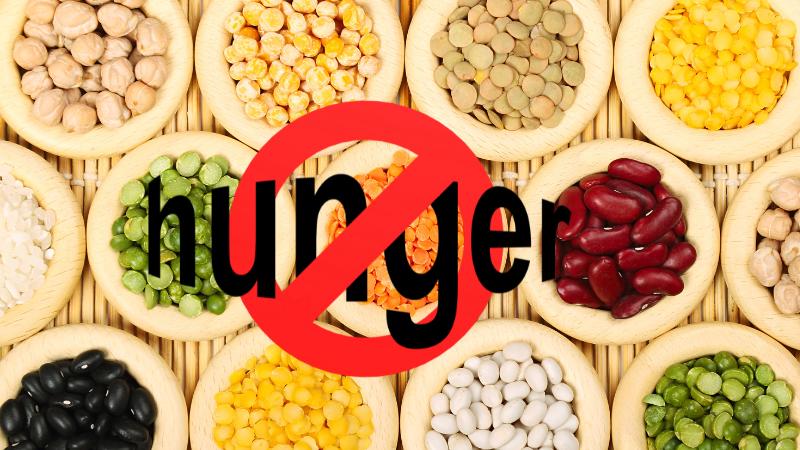
According to individuals familiar with the situation, including former employees of the federal agency responsible for humanitarian relief and other aid workers, the affected food stocks have remained idle in warehouses located in Djibouti, South Africa, Dubai, and Houston. The storage facilities, which operate under the Bureau for Humanitarian Assistance, currently hold an estimated 60,000 to 66,000 metric tonnes of food. The inventory includes fortified grains, high-energy biscuits, and vegetable oil, originally sourced from US farmers and manufacturers.
Some of the food products are nearing expiration by July, meaning they could soon be rendered unusable. In that event, sources say the most likely outcomes would be incineration, diversion for animal feed, or outright disposal. The total estimated value of these commodities exceeds $98 million. Based on global food distribution metrics, one tonne of food can sustain roughly 1,660 individuals daily. That means the food currently held in these warehouses has the potential to feed over a million people for three months or an entire region of over a million residents for more than a month.
The decision to reduce global food aid came earlier this year, amid administrative changes and a shift in policy. These changes have halted many relief operations and interrupted critical supply chains at a time when global hunger is rising due to ongoing conflicts, inflation, and worsening climate conditions. Current global estimates indicate that around 343 million people face acute food insecurity, with 1.9 million of them enduring catastrophic hunger levels—conditions approaching full-scale famine. These cases are most severe in regions already destabilized by war, political instability, or drought, including parts of Africa, the Middle East, and the Caribbean.
Officials familiar with the aid program say that while no final decisions have been made on how to handle the expiring inventory, discussions are ongoing. The overseeing federal agency stated that it is actively working with partners to distribute the stored food before it becomes unsalvageable. According to a spokesperson, steps are being taken to ensure continuity of emergency aid efforts and a full transition of responsibilities by July as part of a broader reorganization.
Aid experts warn that time is running out. With mounting global food insecurity and resources already strained, allowing any portion of this critical aid to go to waste would represent a severe setback in the fight against hunger. The situation highlights how swiftly bureaucratic decisions can reverberate across the globe, particularly in vulnerable communities that rely heavily on international assistance for basic survival. As the expiration dates draw near, advocates urge swift action and prioritization of food distribution logistics to prevent irreversible losses and provide relief to millions in urgent need.