#usaid
US Colombia Earthquake Aid Reaches $15.5 Million After Deadly Quake
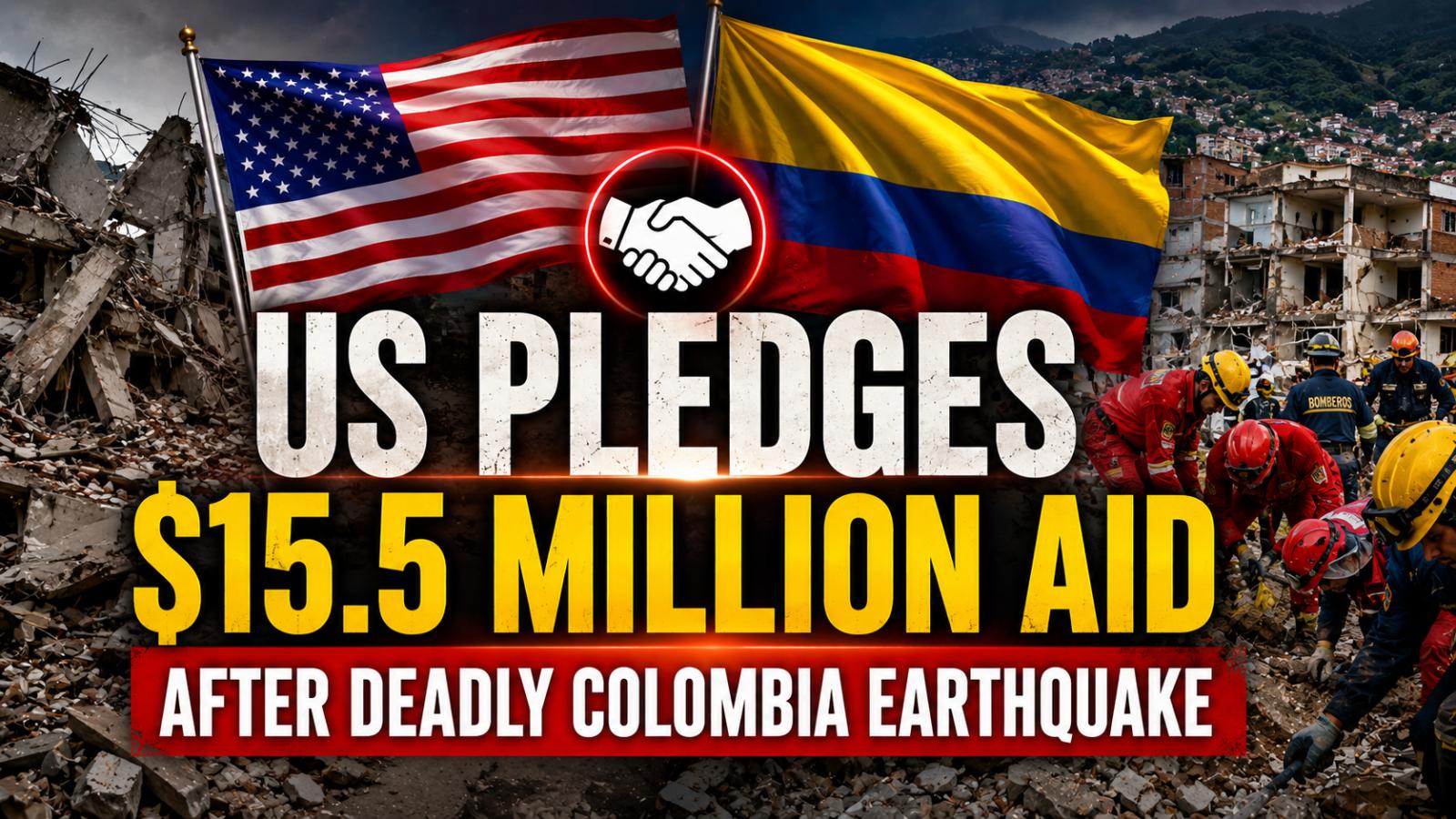
US Colombia earthquake aid worth $15.5 million has been announced as the country struggles with the aftermath of a devastating magnitude 7.4 earthquake. At least 111 people have been confirmed dead, while rescue crews continue searching damaged buildings across western Colombia for survivors. US disaster aid reaches $15.5 million The US Sta
US Colombia Earthquake Aid Reaches $15.5 Million After Deadly Quake
US Colombia earthquake aid worth $15.5 million has been announced as the country struggles with the aftermath of a devastating magnitude 7.4 earthquake. At least 111 people have been confirmed dead, while rescue crews continue searching damaged buildings across western Colombia for survivors. US disaster aid reaches $15.5 million The US Sta
Rubio Says WHO Was Late Detecting Congo Ebola Outbreak as Deaths Rise
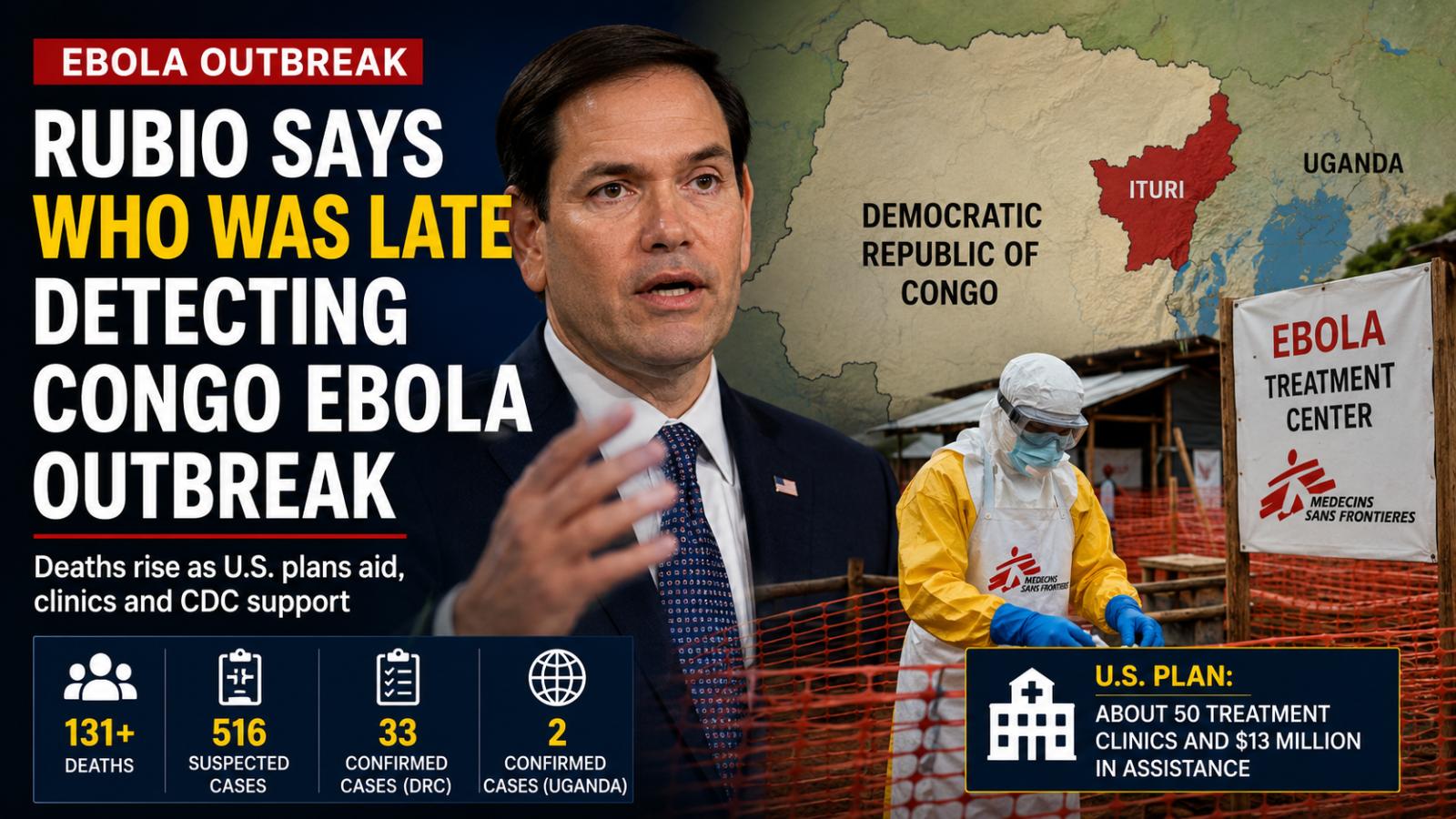
U.S. Secretary of State Marco Rubio said on Tuesday, May 19, 2026, that the World Health Organization was “a little late” in detecting the Ebola outbreak spreading in the Democratic Republic of Congo, as deaths continued to rise and Washington prepared support for the response. The outbreak has intensified concern among global health officials because of its speed, suspected death toll and spread in difficult field conditions. Reuters reported at least 131 fatalities linked to t
Rubio Says WHO Was Late Detecting Congo Ebola Outbreak as Deaths Rise
U.S. Secretary of State Marco Rubio said on Tuesday, May 19, 2026, that the World Health Organization was “a little late” in detecting the Ebola outbreak spreading in the Democratic Republic of Congo, as deaths continued to rise and Washington prepared support for the response. The outbreak has intensified concern among global health officials because of its speed, suspected death toll and spread in difficult field conditions. Reuters reported at least 131 fatalities linked to t
Changes to U.S. medical aid system may risk HIV and malaria supply chains
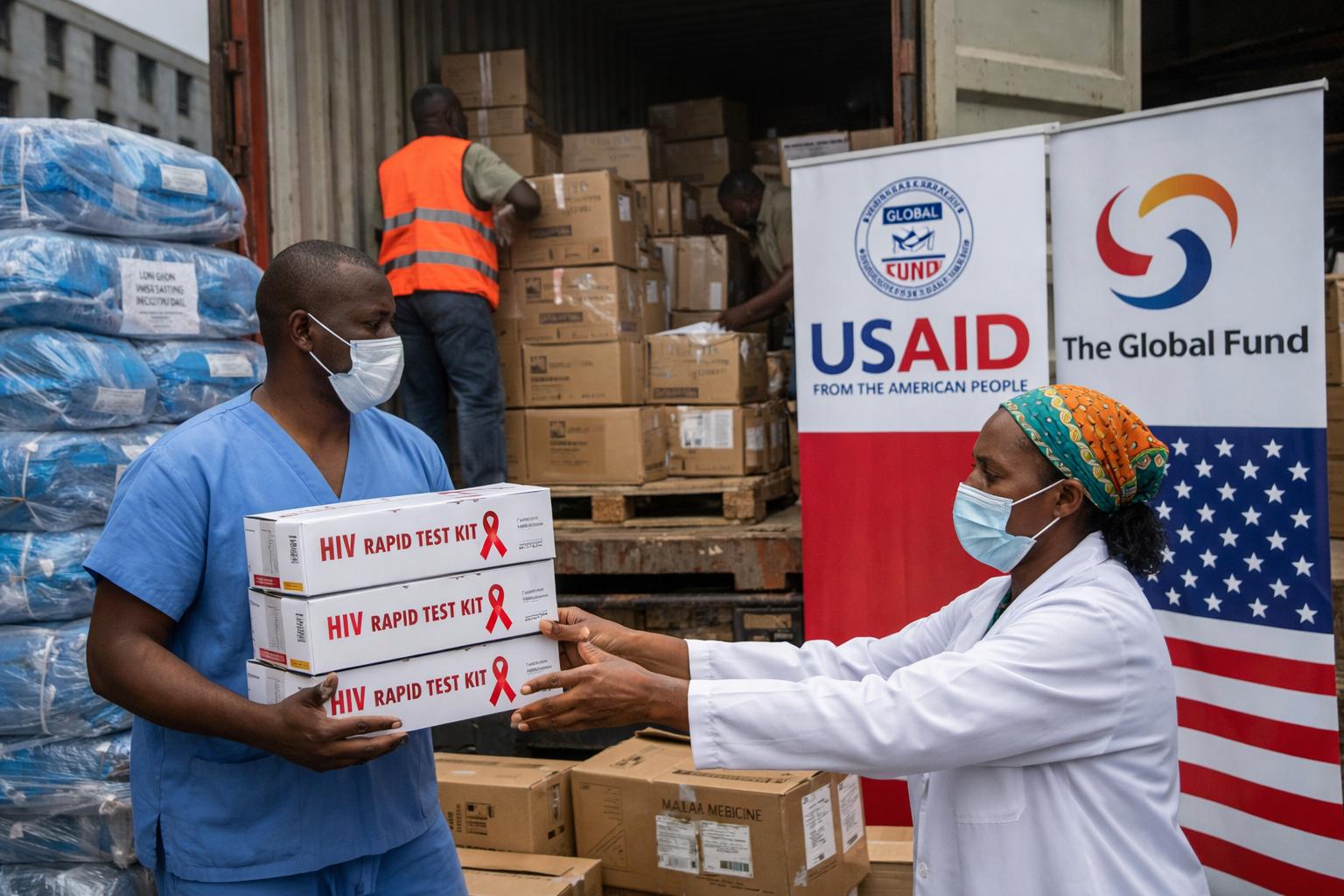
NAIROBI/LONDON — Friday, April 3, 2026 — The United States is restructuring how it delivers critical medical supplies for diseases such as HIV and malaria to lower-income countries, a move that officials and experts warn could disrupt life-saving services across multiple regions. For nearly a decade, the U.S. managed its medical aid through the Global Health Supply Chain Program, overseen by private contractor Chemonics. Between 2016 and 2024, the program distributed more than $5 billion worth of HIV and malaria treatments and prevention tools to roughly 90 countries, primarily in sub-Saharan Africa and parts of Asia. That system was first disrupted in January 2025, when President Donald Trump halted international aid on the first day of his presidency. The decision left large quantities of medical supplies stranded in ports and warehouses, including antiretroviral drugs and insecticide-treated bed nets. Although a waiver later allowed the resumption of some life-saving shipments, uncertainty has persisted. The latest shift comes as the administration reduces foreign aid spending, dismantles the U.S. Agency for International Development (USAID), and transitions away from contractor-led programs toward direct agreements with recipient governments. According to multiple sources, the U.S. State Department instructed staff in 17 African countries and Haiti via an internal email sent on Tuesday, April 1, 2026, to begin phasing out the current supply program by Friday, May 30, 2026. The same communication noted that the Chemonics contract would end on Tuesday, September 30, 2026, aligning with broader USAID program closures. However, officials cautioned that a rushed transition could create immediate risks to service continuity, potentially leading to shortages of essential medicines. Experts familiar with the process say the timeline is particularly challenging because procuring and delivering medical products to remote regions can take up to a year. Rapid changes could therefore interrupt treatment for patients relying on consistent access to HIV medications and malaria prevention tools. The U.S. government is reportedly exploring collaboration with the Global Fund to Fight AIDS, Tuberculosis and Malaria, which already manages approximately $2 billion in annual health procurement. Still, negotiations remain unclear, and earlier discussions had anticipated a transition closer to November 2027. The administration’s broader “America First” global health strategy emphasizes direct funding to national governments and increased use of private logistics firms. Officials argue the previous system was inefficient and costly, while critics warn that abrupt structural changes could weaken established supply chains. Recent bilateral agreements have been signed with several countries, including Kenya, Rwanda, and Uganda, though implementation details are still under negotiation. Legal and administrative challenges in some regions continue to delay progress, adding to concerns about potential disruptions in critical healthcare delivery systems.
Changes to U.S. medical aid system may risk HIV and malaria supply chains
NAIROBI/LONDON — Friday, April 3, 2026 — The United States is restructuring how it delivers critical medical supplies for diseases such as HIV and malaria to lower-income countries, a move that officials and experts warn could disrupt life-saving services across multiple regions. For nearly a decade, the U.S. managed its medical aid through the Global Health Supply Chain Program, overseen by private contractor Chemonics. Between 2016 and 2024, the program distributed more than $5 billion worth of HIV and malaria treatments and prevention tools to roughly 90 countries, primarily in sub-Saharan Africa and parts of Asia. That system was first disrupted in January 2025, when President Donald Trump halted international aid on the first day of his presidency. The decision left large quantities of medical supplies stranded in ports and warehouses, including antiretroviral drugs and insecticide-treated bed nets. Although a waiver later allowed the resumption of some life-saving shipments, uncertainty has persisted. The latest shift comes as the administration reduces foreign aid spending, dismantles the U.S. Agency for International Development (USAID), and transitions away from contractor-led programs toward direct agreements with recipient governments. According to multiple sources, the U.S. State Department instructed staff in 17 African countries and Haiti via an internal email sent on Tuesday, April 1, 2026, to begin phasing out the current supply program by Friday, May 30, 2026. The same communication noted that the Chemonics contract would end on Tuesday, September 30, 2026, aligning with broader USAID program closures. However, officials cautioned that a rushed transition could create immediate risks to service continuity, potentially leading to shortages of essential medicines. Experts familiar with the process say the timeline is particularly challenging because procuring and delivering medical products to remote regions can take up to a year. Rapid changes could therefore interrupt treatment for patients relying on consistent access to HIV medications and malaria prevention tools. The U.S. government is reportedly exploring collaboration with the Global Fund to Fight AIDS, Tuberculosis and Malaria, which already manages approximately $2 billion in annual health procurement. Still, negotiations remain unclear, and earlier discussions had anticipated a transition closer to November 2027. The administration’s broader “America First” global health strategy emphasizes direct funding to national governments and increased use of private logistics firms. Officials argue the previous system was inefficient and costly, while critics warn that abrupt structural changes could weaken established supply chains. Recent bilateral agreements have been signed with several countries, including Kenya, Rwanda, and Uganda, though implementation details are still under negotiation. Legal and administrative challenges in some regions continue to delay progress, adding to concerns about potential disruptions in critical healthcare delivery systems.
Trump announces $10 billion US pledge to Gaza peace board
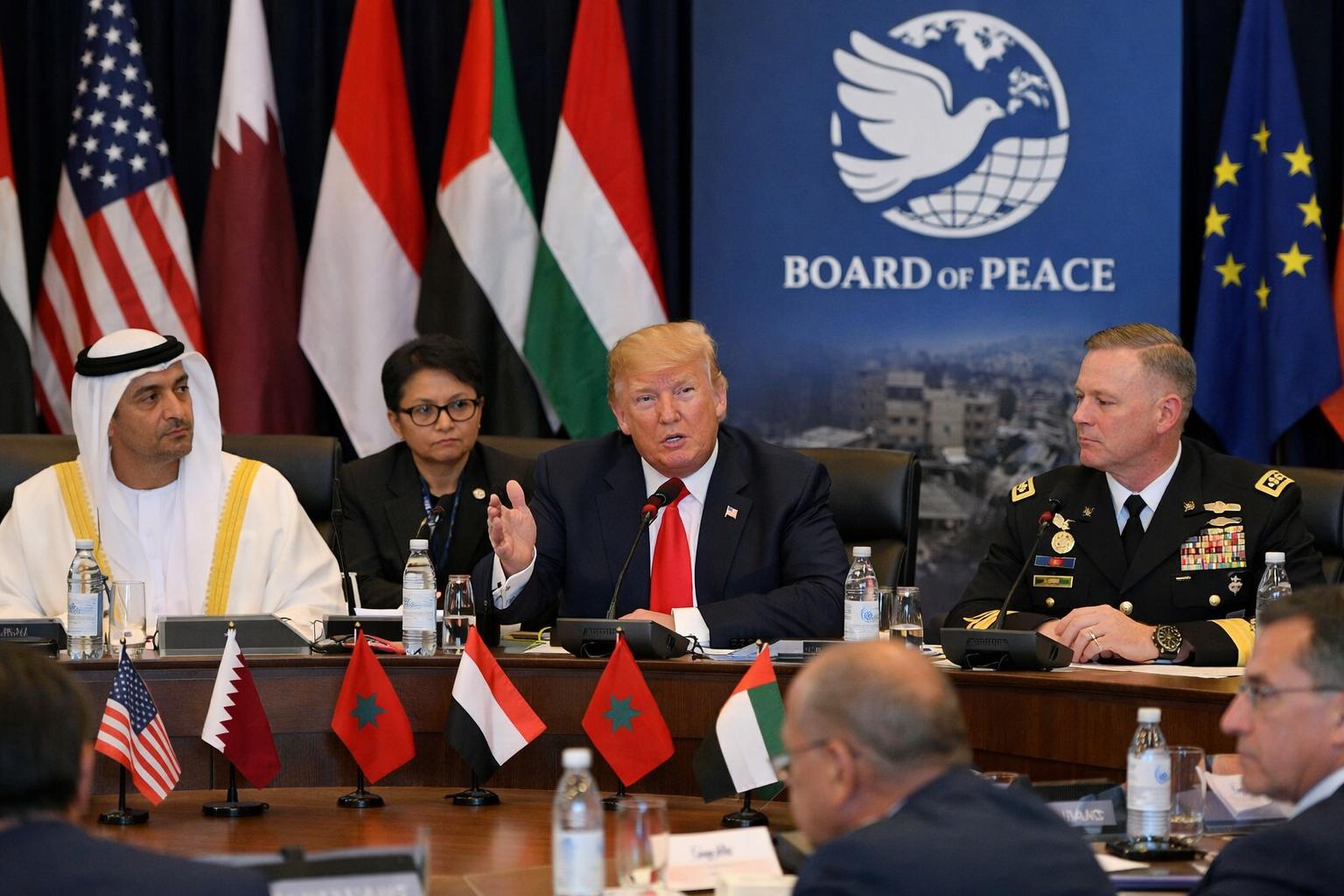
President Donald Trump on Thursday announced that the United States will contribute $10 billion to the newly formed Board of Peace, a central element of his 20-point plan aimed at stabilising and rebuilding Gaza. Speaking at the board’s inaugural meeting in Washington, Trump told representatives from nearly 50 countries that the United States intended to play a leading financial role in the initiative, though questions remain about how the funding will be sourced amid the administration’s
Trump announces $10 billion US pledge to Gaza peace board
President Donald Trump on Thursday announced that the United States will contribute $10 billion to the newly formed Board of Peace, a central element of his 20-point plan aimed at stabilising and rebuilding Gaza. Speaking at the board’s inaugural meeting in Washington, Trump told representatives from nearly 50 countries that the United States intended to play a leading financial role in the initiative, though questions remain about how the funding will be sourced amid the administration’s
Trump administration destroys $9.7m worth of contraceptives meant for poor nations
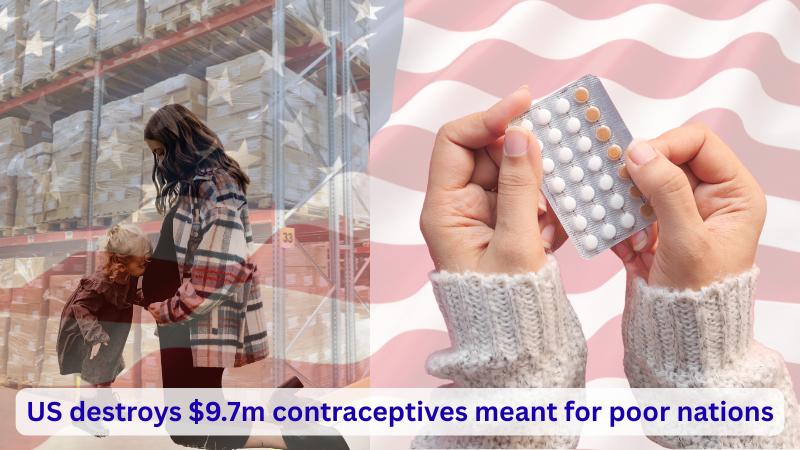
The Trump administration has come under intense criticism after the United States Agency for International Development (USAID) confirmed that nearly ten million dollars’ worth of contraceptives earmarked for people in low-income nations were deliberately destroyed earlier this year. The products, which included birth control pills, intrauterine devices, and hormonal implants valued at $9.7 million, were stored in a warehouse in Belgium before being incinerated at a medical waste facilit
Trump administration destroys $9.7m worth of contraceptives meant for poor nations
The Trump administration has come under intense criticism after the United States Agency for International Development (USAID) confirmed that nearly ten million dollars’ worth of contraceptives earmarked for people in low-income nations were deliberately destroyed earlier this year. The products, which included birth control pills, intrauterine devices, and hormonal implants valued at $9.7 million, were stored in a warehouse in Belgium before being incinerated at a medical waste facilit
US aid cuts leave millions of meals stuck in warehouses
Food rations capable of feeding approximately 3.5 million people for a month are decaying in global storage as a result of recent US aid funding cuts. These emergency supplies, held across four major international warehouses, are now at risk of being wasted unless redistributed quickly. According to individuals familiar with the situation, including former employees of the federal agency responsible for humanitarian relief and other aid workers, the affected food stocks have remai
US aid cuts leave millions of meals stuck in warehouses
Food rations capable of feeding approximately 3.5 million people for a month are decaying in global storage as a result of recent US aid funding cuts. These emergency supplies, held across four major international warehouses, are now at risk of being wasted unless redistributed quickly. According to individuals familiar with the situation, including former employees of the federal agency responsible for humanitarian relief and other aid workers, the affected food stocks have remai
HIV testing drops sharply in South Africa after US aid cuts hit health worker funding
Testing and monitoring for HIV in South Africa have experienced a sharp decline in recent months, following significant cuts in US aid that previously supported healthcare workers and local clinics. According to unreleased data from South Africa's National Health Laboratory Service, the drop in viral load testing—especially among vulnerable groups such as pregnant women, infants, and youth—is raising alarm among health experts. The United States had been contributing approxima
HIV testing drops sharply in South Africa after US aid cuts hit health worker funding
Testing and monitoring for HIV in South Africa have experienced a sharp decline in recent months, following significant cuts in US aid that previously supported healthcare workers and local clinics. According to unreleased data from South Africa's National Health Laboratory Service, the drop in viral load testing—especially among vulnerable groups such as pregnant women, infants, and youth—is raising alarm among health experts. The United States had been contributing approxima
USAID Accused of Sending $2 Billion to Hamas, Funding Terror-Linked Groups in Pakistan and South Asia
The United States Agency for International Development (USAID) has been accused of sending over $2 billion in aid to Hamas since the October 7, 2023, attacks on Israel, raising concerns over how U.S. foreign aid is allocated. The claims were presented during a House Committee hearing on USAID’s financial practices, bringing renewed scrutiny to the agency’s funding policies. Additionally, reports suggest that USAID provided financial assistance to Falah-e-In
USAID Accused of Sending $2 Billion to Hamas, Funding Terror-Linked Groups in Pakistan and South Asia
The United States Agency for International Development (USAID) has been accused of sending over $2 billion in aid to Hamas since the October 7, 2023, attacks on Israel, raising concerns over how U.S. foreign aid is allocated. The claims were presented during a House Committee hearing on USAID’s financial practices, bringing renewed scrutiny to the agency’s funding policies. Additionally, reports suggest that USAID provided financial assistance to Falah-e-In
Trump Administration Cuts 2,000 USAID Jobs, Places Thousands on Leave
The Trump administration has taken a dramatic step in reshaping U.S. foreign aid by terminating 2,000 employees from the U.S. Agency for International Development while placing thousands more on administrative leave around the globe. Following a ruling by a federal judge, the decision affects both domestic and international USAID staff, leaving only those designated as essential for mission-critical functions, leadership, or specific programs in active service. As of 11:59 p.m. EST on
Trump Administration Cuts 2,000 USAID Jobs, Places Thousands on Leave
The Trump administration has taken a dramatic step in reshaping U.S. foreign aid by terminating 2,000 employees from the U.S. Agency for International Development while placing thousands more on administrative leave around the globe. Following a ruling by a federal judge, the decision affects both domestic and international USAID staff, leaving only those designated as essential for mission-critical functions, leadership, or specific programs in active service. As of 11:59 p.m. EST on
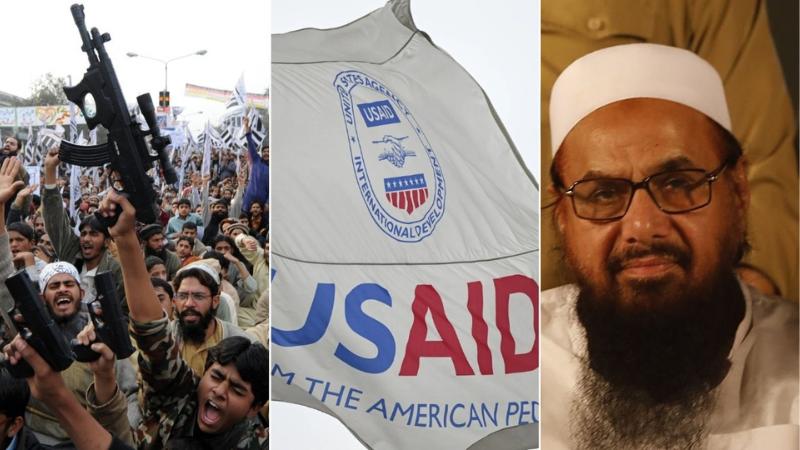
USAID Funds Terrorist Outfit Falah-e-Insaniat Foundation Linked to Lashkar-e-Taiba
USAID, the US government’s aid agency, has come under scrutiny after it was revealed that American taxpayer money was used to fund the Falah-e-Insaniat Foundation (FIF), a Pakistan-based organization linked to the Lashkar-e-Taiba (LeT) terrorist group. The FIF is considered a front for LeT, the terror group responsible for the 2008 Mumbai attacks, which killed 166 people, including six Americans.Despite being banned by the US government in 2010, FIF continued to receive funding, raising
USAID Funds Terrorist Outfit Falah-e-Insaniat Foundation Linked to Lashkar-e-Taiba
USAID, the US government’s aid agency, has come under scrutiny after it was revealed that American taxpayer money was used to fund the Falah-e-Insaniat Foundation (FIF), a Pakistan-based organization linked to the Lashkar-e-Taiba (LeT) terrorist group. The FIF is considered a front for LeT, the terror group responsible for the 2008 Mumbai attacks, which killed 166 people, including six Americans.Despite being banned by the US government in 2010, FIF continued to receive funding, raising