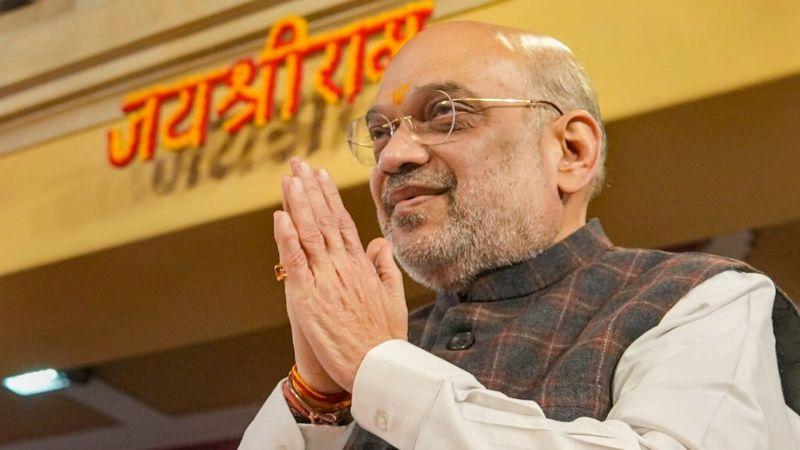
August 5, 2025, marks a landmark moment in the career of Union Home Minister Amit Shah, who now becomes the longest-serving Home Minister in India’s history, surpassing the tenure of his political mentor LK Advani. This symbolic date also coincides with the anniversary of one of the most impactful decisions under Shah’s leadership the abrogation of Article 370, which revoked the special status of Jammu and Kashmir and fulfilled a long-standing ideological goal of the Bharatiya Janata Party.
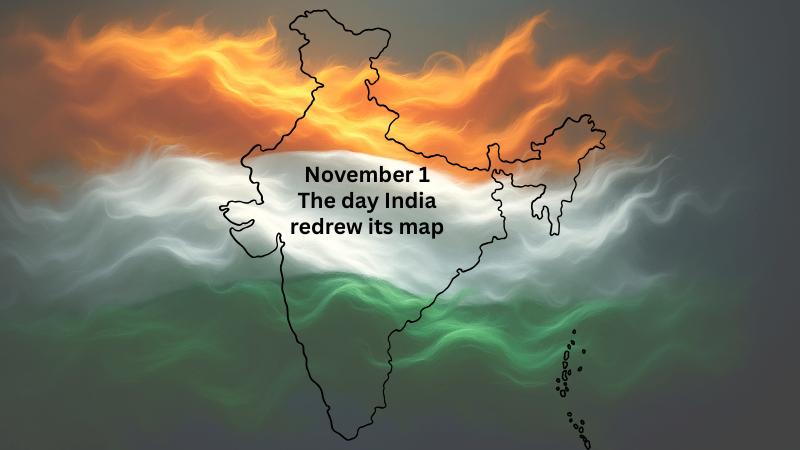
Amit Shah assumed the office of the Home Minister in 2019 and has since completed 2,194 days in the role, overtaking Advani's 2,193-day tenure. On August 5, 2019, Shah introduced the presidential order and resolution in the Rajya Sabha that led to the complete integration of Jammu and Kashmir with the Indian Union. The Rajya Sabha and Lok Sabha both passed the resolution with significant majority, paving the way for the Jammu and Kashmir Reorganisation Act. This bifurcated the state into two union territories—Jammu and Kashmir (with a legislature) and Ladakh (without one).
While the revocation of Article 370 remains the crown jewel of Shah’s legacy, his tenure has seen major overhauls in internal security and legislative reform. Under his direction, India witnessed a sharp decline in Naxal-related violence, with fatalities dropping to under 600 between 2019 and 2024, compared to over 5,200 in the previous five years. Security forces also suffered fewer casualties, showcasing improved coordination and tactical operations.
The passage of the Citizenship Amendment Act (CAA) in 2019 was another major legislative achievement. Despite nationwide protests, the Act was upheld and fast-tracked citizenship for persecuted minorities from Pakistan, Afghanistan, and Bangladesh. Shah also played a significant role in initiating the Uniform Civil Code (UCC) debate and ensuring the abolition of the practice of triple talaq, further aligning with BJP's reformist ideology.
In addition to security and legislation, Shah spearheaded an unprecedented overhaul of India's colonial-era criminal justice system. He introduced and facilitated the passage of three new laws Bharatiya Nyaya Sanhita, Bharatiya Nagarik Suraksha Sanhita, and Bharatiya Sakshya Adhiniyam replacing the IPC, CrPC, and Evidence Act. These reforms are seen as a pivotal step in aligning India's legal framework with modern realities.
While Shah’s track record has drawn both national and international attention, not all challenges have been fully resolved. Ethnic violence in Manipur, continuing since May 2023, remains a pressing issue. However, Shah has treated it as a top priority, maintaining a constant watch and deploying necessary administrative and law enforcement measures.
As Amit Shah crosses a historic milestone and consolidates his position as a key architect of modern India's internal security and legislative landscape, his influence on India’s political and constitutional fabric is undeniable. With talks of Jammu and Kashmir’s statehood restoration gathering momentum, August 5 continues to be a defining date not just for Shah, but for India’s evolving political narrative.