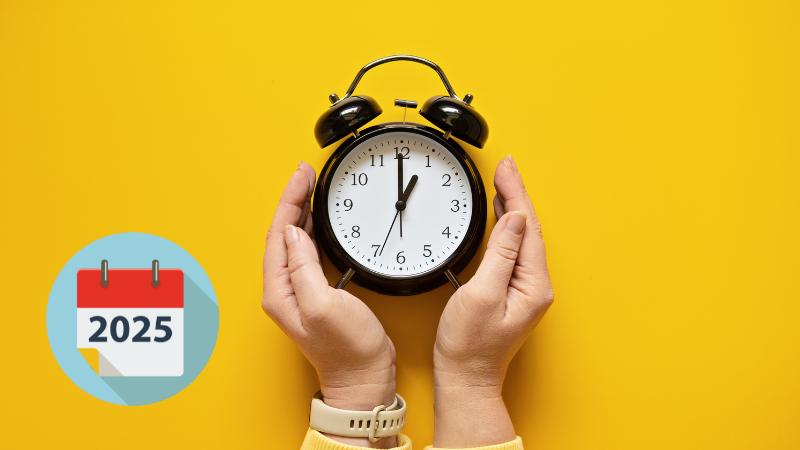
Summer still has several weeks left, but the cooler temperatures arriving in the Chicago area serve as a reminder that fall is approaching quickly. With the changing season comes shorter days, cooler nights, and the yearly ritual of turning the clocks back. This year, daylight saving time will officially end on Sunday, November 2, 2025, when clocks across most of the United States will “fall back” one hour. While many see this as an opportunity to enjoy an extra hour of sleep, it also means losing an hour of daylight in the evenings, signaling the transition into winter.
Daylight saving time has been part of American life for more than a century, but it was not always structured the way it is today. Federal law currently establishes that daylight saving time begins on the second Sunday in March and ends on the first Sunday in November. In 2025, that means the practice began on March 9 and will run until November 2. Once the clocks are turned back, the United States will remain on standard time until March 2026.
The concept of adjusting clocks to maximize daylight hours has roots dating back to the eighteenth century, when Benjamin Franklin humorously suggested in a satirical essay that rising earlier would conserve candle use. While Franklin’s idea was never meant to be taken seriously as policy, the notion of saving resources through time adjustment eventually gained traction in Europe. Germany became the first nation to formally adopt daylight saving time on May 1, 1916, during World War I as a way to conserve fuel. Other European countries soon followed.
The United States formally adopted daylight saving time in 1918, also during World War I, with the goal of saving energy. However, the policy was deeply unpopular and repealed after the war ended. A few decades later, President Franklin Roosevelt reintroduced the practice during World War II under the name “wartime,” instituting year-round daylight saving time beginning in 1942 to once again conserve fuel and bolster national security. This version lasted until 1945, after which the country returned to inconsistent time practices that varied by state and region.
It was not until the Uniform Time Act of 1966 that daylight saving time became standardized across the United States. This law mandated that clocks would spring forward on the last Sunday in April and fall back on the last Sunday in October. States were still allowed to exempt themselves, but only if the entire state opted out. Later modifications were made to extend the period of daylight saving, particularly during the energy crisis of the 1970s, when Congress experimented with year-round daylight saving to reduce reliance on fuel.
The rules that govern daylight saving time today were established in 2005 under President George W. Bush. This change extended daylight saving time by several weeks, beginning on the second Sunday in March and ending on the first Sunday in November, creating the 34-week period that most Americans follow today. These adjustments were made to maximize daylight during peak evening hours and provide additional benefits for retail and recreation industries.
Not all parts of the United States observe daylight saving time. Hawaii does not participate at all, choosing to remain on standard time year-round. Arizona also does not observe it, except within Native American reservations that follow the practice. In addition, U.S. territories including Puerto Rico, Guam, American Samoa, and the U.S. Virgin Islands do not follow daylight saving time either. For nearly every other state, however, the twice-a-year clock change remains a tradition.
The future of daylight saving time remains a topic of political debate. In December 2024, then President-elect Donald Trump made headlines by posting that the Republican Party would seek to eliminate daylight saving time, calling it inconvenient and costly. Some of his advisers, including Elon Musk and Vivek Ramaswamy, appeared to support his position, though his son Donald Trump Jr. publicly endorsed the opposite approach, aligning with a 2022 Senate bill that proposed making daylight saving time permanent. That legislation did not advance, but it demonstrated the growing divide on whether the country should keep changing clocks or stick to one standard year-round.
Supporters of making daylight saving time permanent argue that it would provide more evening daylight, encourage outdoor activities, and potentially benefit businesses and public health. Critics counter that darker mornings create safety risks for schoolchildren and workers, particularly in winter months, and that the benefits of energy conservation are far less significant in the modern era. For now, the law remains unchanged, and Americans will once again adjust their clocks this November.
As the date approaches, communities across the country will prepare for the shift. Some look forward to the extra hour of rest that comes with the fall change, while others lament the earlier sunsets that signal the coming winter. Regardless of opinions, daylight saving time remains an enduring American tradition, rooted in history, controversy, and ongoing debate about whether its time may eventually run out.