






#energypolicy
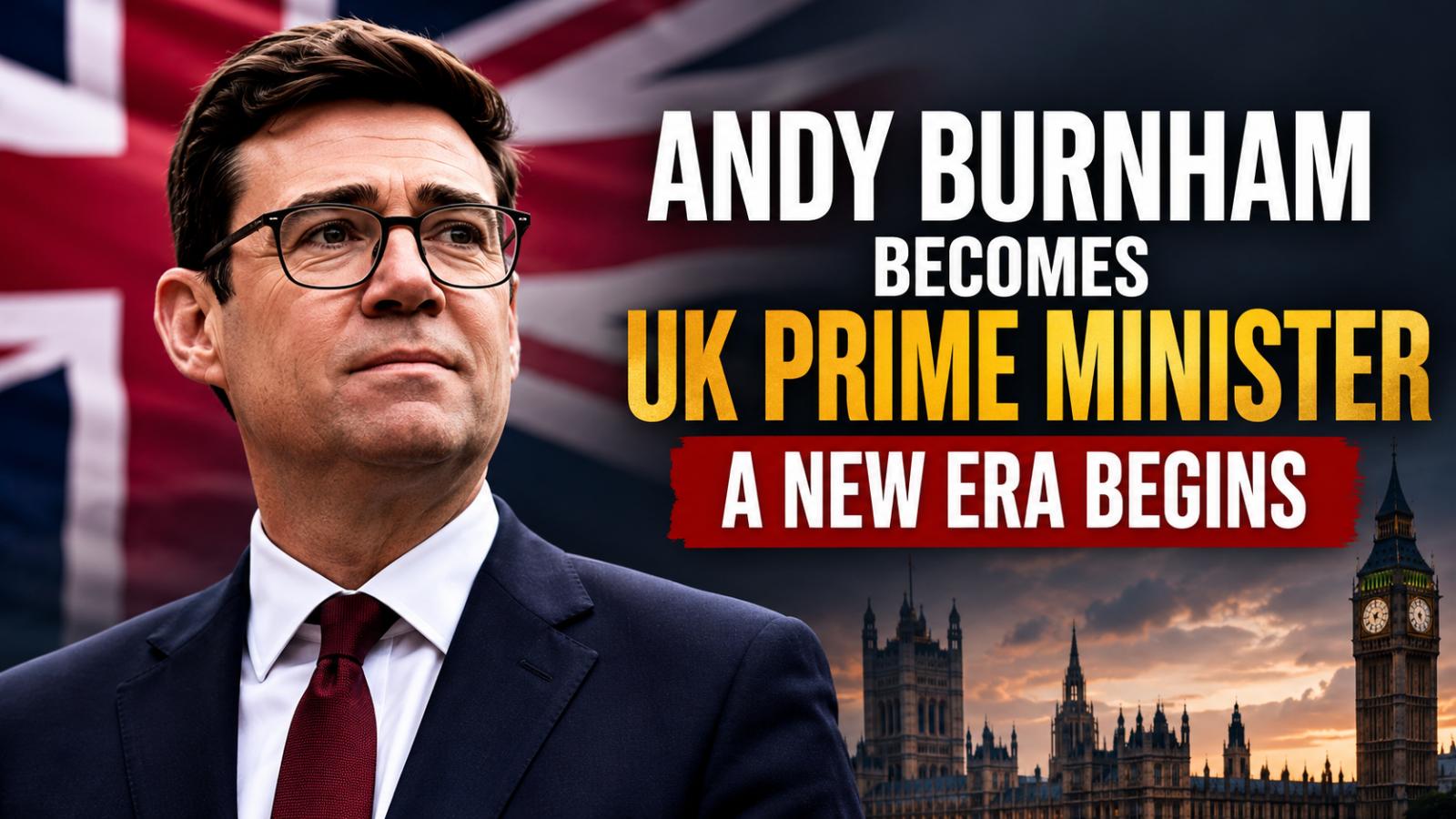
Andy Burnham becomes UK prime minister amid policy questions
Andy Burnham has formally become the United Kingdom’s new prime minister after King Charles III invited him to form a government. The former Greater Manchester mayor enters Downing Street as investors assess his economic plans, energy policy and proposals for public services. Burnham takes office after Starmer’s departure Burnham succeeds Keir Starmer, who resigned after two years in office following internal Labour pressure, declining public support and damaging local election results. Burnham became Labour leader without facing a rival after securing overwhelming support among the party’s members of Parliament. His appointment makes him Britain’s seventh prime minister since 2016, underlining a decade of political instability. After meeting the King at Buckingham Palace, Burnham was expected to enter Downing Street, begin appointing his Cabinet and outline his priorities in his first speech as prime minister. Burnham recently returned to Parliament after winning the Makerfield by-election. Before that, he served for nearly a decade as mayor of Greater Manchester and previously held Cabinet roles under Labour prime ministers Tony Blair and Gordon Brown. Burnham policy agenda faces early scrutiny Burnham has promised to address major structural problems, including social care, housing, regional inequality and the management of essential public services. He has argued that political power became too concentrated in Westminster while economic control shifted away from local communities. His emerging agenda includes stronger public involvement in energy, transport and water, as well as a major expansion of council housing. Reports suggest his government may also consider changes to inheritance tax and council tax, although the details have not yet been formally announced. Burnham has said economic growth will be essential to fund his plans. However, investors want clarity on whether large infrastructure and public-service programmes will require higher taxation, additional borrowing or greater issuance of UK government bonds. UK bond markets watch spending plans Financial markets previously showed concern that Burnham could pursue a more expansionary fiscal programme than Starmer. Those fears have eased, but gilt investors remain focused on whether the new government will continue Labour’s existing fiscal rules. The main uncertainty surrounds how Burnham would finance public ownership, housebuilding and social-care reforms. Higher borrowing could increase pressure on government bond yields and complicate efforts to control public debt. Markets are therefore likely to examine Burnham’s first Budget, spending review and Cabinet appointments for evidence of whether he will follow a cautious fiscal approach or move toward substantially higher public spending. North Sea oil policy draws Trump’s attention U.S. President Donald Trump has publicly praised reports that Burnham could accelerate oil and gas development in the North Sea. Trump described the region’s energy resources as valuable and argued that greater production could strengthen the British economy. However, Burnham is expected to maintain Labour’s ban on issuing new exploration licences. His government may instead support faster development of projects that already hold licences, including possible tieback drilling connected to existing fields. This distinction is important because it does not amount to opening the entire North Sea to unrestricted new exploration. New prime minister must provide policy clarity Burnham enters office with broad ambitions but limited detail on how his programme will be funded. His immediate challenge will be convincing voters that he can improve living standards while reassuring investors that public borrowing will remain under control. His first speech, Cabinet choices and upcoming fiscal announcements should provide a clearer picture of his approach. Until then, questions over taxation, nationalisation, housing investment, energy development and government spending will remain central to the UK’s political and economic debate.
Andy Burnham becomes UK prime minister amid policy questions
Andy Burnham has formally become the United Kingdom’s new prime minister after King Charles III invited him to form a government. The former Greater Manchester mayor enters Downing Street as investors assess his economic plans, energy policy and proposals for public services. Burnham takes office after Starmer’s departure Burnham succeeds Keir Starmer, who resigned after two years in office following internal Labour pressure, declining public support and damaging local election results. Burnham became Labour leader without facing a rival after securing overwhelming support among the party’s members of Parliament. His appointment makes him Britain’s seventh prime minister since 2016, underlining a decade of political instability. After meeting the King at Buckingham Palace, Burnham was expected to enter Downing Street, begin appointing his Cabinet and outline his priorities in his first speech as prime minister. Burnham recently returned to Parliament after winning the Makerfield by-election. Before that, he served for nearly a decade as mayor of Greater Manchester and previously held Cabinet roles under Labour prime ministers Tony Blair and Gordon Brown. Burnham policy agenda faces early scrutiny Burnham has promised to address major structural problems, including social care, housing, regional inequality and the management of essential public services. He has argued that political power became too concentrated in Westminster while economic control shifted away from local communities. His emerging agenda includes stronger public involvement in energy, transport and water, as well as a major expansion of council housing. Reports suggest his government may also consider changes to inheritance tax and council tax, although the details have not yet been formally announced. Burnham has said economic growth will be essential to fund his plans. However, investors want clarity on whether large infrastructure and public-service programmes will require higher taxation, additional borrowing or greater issuance of UK government bonds. UK bond markets watch spending plans Financial markets previously showed concern that Burnham could pursue a more expansionary fiscal programme than Starmer. Those fears have eased, but gilt investors remain focused on whether the new government will continue Labour’s existing fiscal rules. The main uncertainty surrounds how Burnham would finance public ownership, housebuilding and social-care reforms. Higher borrowing could increase pressure on government bond yields and complicate efforts to control public debt. Markets are therefore likely to examine Burnham’s first Budget, spending review and Cabinet appointments for evidence of whether he will follow a cautious fiscal approach or move toward substantially higher public spending. North Sea oil policy draws Trump’s attention U.S. President Donald Trump has publicly praised reports that Burnham could accelerate oil and gas development in the North Sea. Trump described the region’s energy resources as valuable and argued that greater production could strengthen the British economy. However, Burnham is expected to maintain Labour’s ban on issuing new exploration licences. His government may instead support faster development of projects that already hold licences, including possible tieback drilling connected to existing fields. This distinction is important because it does not amount to opening the entire North Sea to unrestricted new exploration. New prime minister must provide policy clarity Burnham enters office with broad ambitions but limited detail on how his programme will be funded. His immediate challenge will be convincing voters that he can improve living standards while reassuring investors that public borrowing will remain under control. His first speech, Cabinet choices and upcoming fiscal announcements should provide a clearer picture of his approach. Until then, questions over taxation, nationalisation, housing investment, energy development and government spending will remain central to the UK’s political and economic debate.
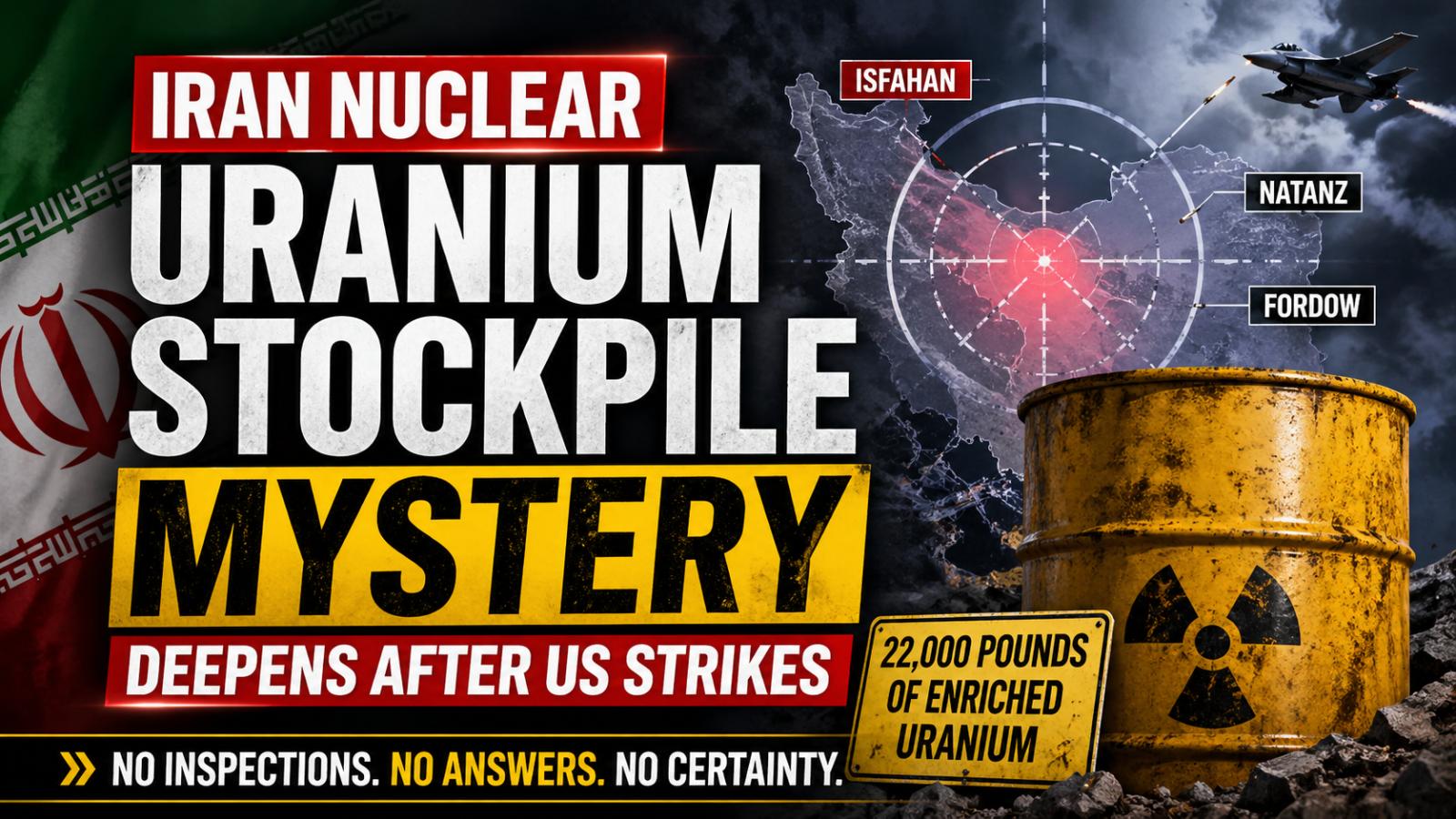
Iran Uranium Stockpile Mystery Deepens After US Strikes
The location of Iran’s enriched uranium stockpile remains uncertain nearly two months after US military strikes targeted key nuclear facilities, raising fresh concerns about transparency and oversight. The material, estimated at roughly 22,000 pounds, had steadily accumulated over years following the US withdrawal from the 2015 nuclear agreement. That deal had previously imposed strict limits on enrichment levels and stockpile size, effectively curbing Iran’s ability to produce weapons-grade material. Uranium enrichment remains central to the issue, as the process becomes significantly faster once higher purity levels are reached. While low enrichment supports civilian energy needs, higher concentrations can be used for nuclear weapons. Iran’s move to enrich uranium up to 60 percent in recent years placed it closer to that threshold, intensifying international concern. Efforts to revive diplomatic agreements failed, and subsequent escalation led to direct military action targeting facilities such as Natanz and Fordow, along with storage areas near Isfahan. Shortly after, Iran halted cooperation with international inspectors, effectively ending on-the-ground verification. Without access, monitoring now relies heavily on satellite surveillance, which cannot fully confirm the condition or location of nuclear materials. Experts suggest that even if Iran retains access to the stockpile, converting it into a functional weapon would require additional time and technical capacity. However, the absence of inspections creates uncertainty. Analysts warn that if portions of the uranium were relocated or secured in undisclosed sites, Iran could potentially resume enrichment activities without detection, complicating global efforts to assess the true state of its nuclear program.
Iran Uranium Stockpile Mystery Deepens After US Strikes
The location of Iran’s enriched uranium stockpile remains uncertain nearly two months after US military strikes targeted key nuclear facilities, raising fresh concerns about transparency and oversight. The material, estimated at roughly 22,000 pounds, had steadily accumulated over years following the US withdrawal from the 2015 nuclear agreement. That deal had previously imposed strict limits on enrichment levels and stockpile size, effectively curbing Iran’s ability to produce weapons-grade material. Uranium enrichment remains central to the issue, as the process becomes significantly faster once higher purity levels are reached. While low enrichment supports civilian energy needs, higher concentrations can be used for nuclear weapons. Iran’s move to enrich uranium up to 60 percent in recent years placed it closer to that threshold, intensifying international concern. Efforts to revive diplomatic agreements failed, and subsequent escalation led to direct military action targeting facilities such as Natanz and Fordow, along with storage areas near Isfahan. Shortly after, Iran halted cooperation with international inspectors, effectively ending on-the-ground verification. Without access, monitoring now relies heavily on satellite surveillance, which cannot fully confirm the condition or location of nuclear materials. Experts suggest that even if Iran retains access to the stockpile, converting it into a functional weapon would require additional time and technical capacity. However, the absence of inspections creates uncertainty. Analysts warn that if portions of the uranium were relocated or secured in undisclosed sites, Iran could potentially resume enrichment activities without detection, complicating global efforts to assess the true state of its nuclear program.
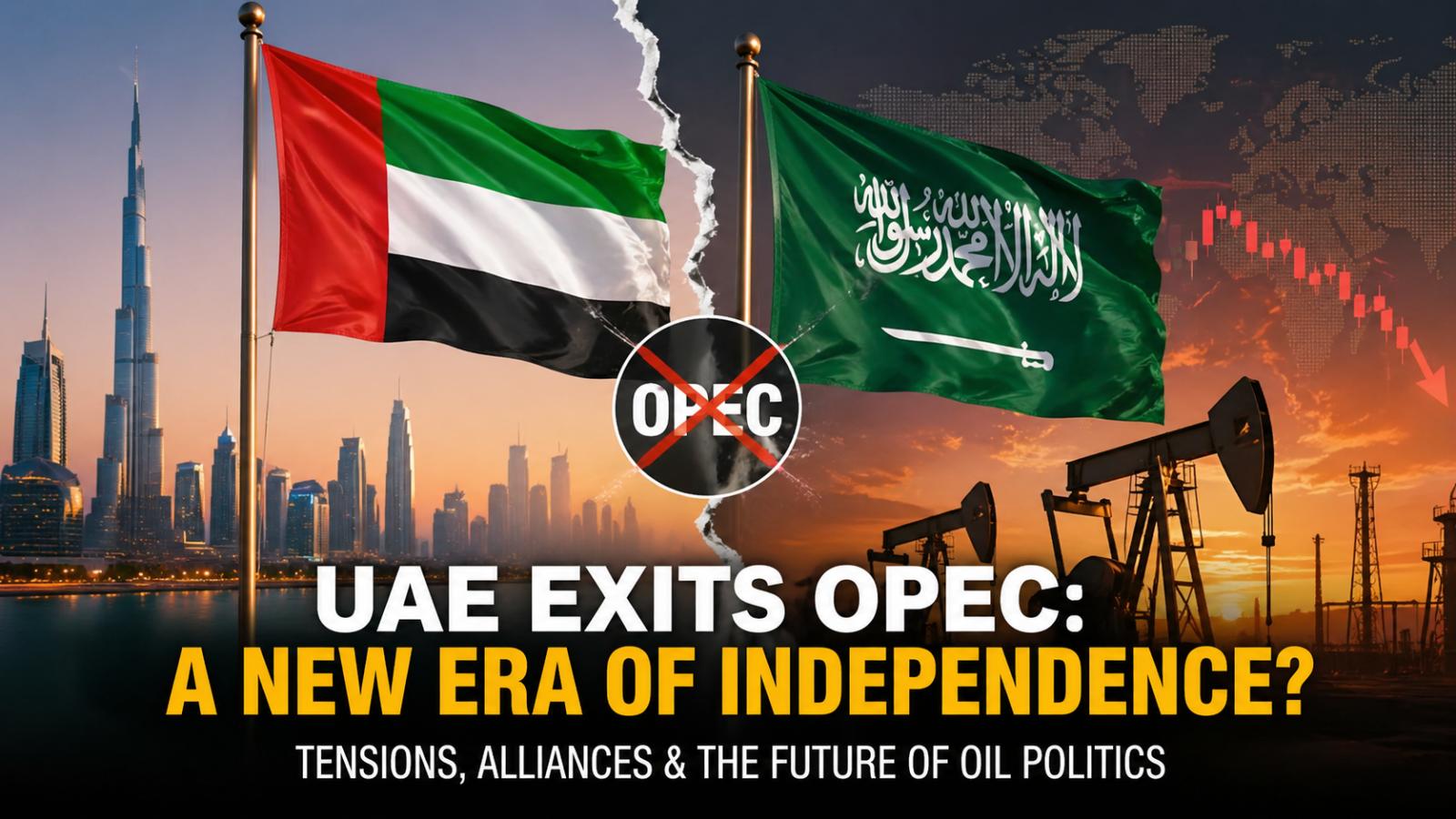
Is UAE leaving OPEC to counter Saudi influence? Yes, it signals strategic independence
Is UAE leaving OPEC to counter Saudi influence? Yes, it signals strategic independence. The United Arab Emirates’ decision to exit the Organization of the Petroleum Exporting Countries marks a pivotal shift in Gulf geopolitics, reflecting rising tensions with Saudi Arabia and broader regional realignments. Escalating tensions following Iran strikes on UAE infrastructure As of Tuesday, April 8, 2026, the UAE reported intercepting 537 ballistic missiles,
Is UAE leaving OPEC to counter Saudi influence? Yes, it signals strategic independence
Is UAE leaving OPEC to counter Saudi influence? Yes, it signals strategic independence. The United Arab Emirates’ decision to exit the Organization of the Petroleum Exporting Countries marks a pivotal shift in Gulf geopolitics, reflecting rising tensions with Saudi Arabia and broader regional realignments. Escalating tensions following Iran strikes on UAE infrastructure As of Tuesday, April 8, 2026, the UAE reported intercepting 537 ballistic missiles,
UAE to exit OPEC, signaling shift in global oil power balance
The UAE will exit OPEC on May 1 after nearly six decades, aiming for greater control over oil production and energy strategy. The move may weaken OPEC’s influence, raise concerns about supply coordination, and reshape global oil market dynamics. UAE to exit OPEC, signaling shift in global oil power balance is set to take effect May 1, marking a major change in the structure of global energy coordination. The decision reflects Abu Dhabi’s broader strategy to gai
UAE to exit OPEC, signaling shift in global oil power balance
The UAE will exit OPEC on May 1 after nearly six decades, aiming for greater control over oil production and energy strategy. The move may weaken OPEC’s influence, raise concerns about supply coordination, and reshape global oil market dynamics. UAE to exit OPEC, signaling shift in global oil power balance is set to take effect May 1, marking a major change in the structure of global energy coordination. The decision reflects Abu Dhabi’s broader strategy to gai
India’s energy strategy remains unchanged after US sanctions waiver ends
India is set to continue importing Russian crude oil and Liquefied Petroleum Gas (LPG) even after the expiration of the 30-day sanctions waiver granted by the United States on April 11, 2026. Officials indicated that the country’s energy import strategy is guided by sovereign priorities and commercial considerations rather than external sanctions frameworks. Indian refineries are expected to maintain their existing procurement approach by sourcing supplies from non-sanctioned entities and c
India’s energy strategy remains unchanged after US sanctions waiver ends
India is set to continue importing Russian crude oil and Liquefied Petroleum Gas (LPG) even after the expiration of the 30-day sanctions waiver granted by the United States on April 11, 2026. Officials indicated that the country’s energy import strategy is guided by sovereign priorities and commercial considerations rather than external sanctions frameworks. Indian refineries are expected to maintain their existing procurement approach by sourcing supplies from non-sanctioned entities and c
India acknowledges Iranian oil and LPG imports amid energy demand
India has officially confirmed that it is importing crude oil and liquefied petroleum gas (LPG) from Iran, marking a notable development in its energy policy amid evolving global market conditions. The confirmation was issued by India’s Petroleum Ministry on Saturday, April 4, 2026 (IST), providing clarity on ongoing reports about energy trade involving Iranian supplies. The acknowledgment highlights India’s continued reliance on diversified fuel sources to meet rising domestic demand. As one of the world’s largest importers of crude oil, India depends heavily on international suppliers to sustain economic growth, industrial activity, and consumer energy needs. Iranian crude and LPG are considered commercially attractive due to pricing advantages and established supply channels. Officials emphasized that India’s crude supply remains secure and that there are no reported payment-related disruptions affecting imports from Iran. The clarification comes amid heightened global scrutiny over transactions involving Iranian energy exports, which remain sensitive due to international sanctions frameworks and geopolitical considerations. Energy analysts note that India’s confirmation underscores a broader trend among major economies seeking flexibility in sourcing oil and gas. With global oil markets experiencing volatility, countries are increasingly prioritizing energy security and affordability over rigid sourcing constraints. India’s approach reflects a pragmatic balance between domestic economic priorities and external diplomatic pressures. The development may also influence broader market sentiment, particularly if it signals sustained or increased flows of Iranian crude into global supply chains. At the same time, it highlights the complexities of international energy trade, where economic necessity, regulatory environments, and geopolitical dynamics intersect. India’s confirmation on Saturday, April 4, 2026 (IST) reinforces its strategic focus on ensuring uninterrupted fuel access while navigating a rapidly shifting global energy landscape.
India acknowledges Iranian oil and LPG imports amid energy demand
India has officially confirmed that it is importing crude oil and liquefied petroleum gas (LPG) from Iran, marking a notable development in its energy policy amid evolving global market conditions. The confirmation was issued by India’s Petroleum Ministry on Saturday, April 4, 2026 (IST), providing clarity on ongoing reports about energy trade involving Iranian supplies. The acknowledgment highlights India’s continued reliance on diversified fuel sources to meet rising domestic demand. As one of the world’s largest importers of crude oil, India depends heavily on international suppliers to sustain economic growth, industrial activity, and consumer energy needs. Iranian crude and LPG are considered commercially attractive due to pricing advantages and established supply channels. Officials emphasized that India’s crude supply remains secure and that there are no reported payment-related disruptions affecting imports from Iran. The clarification comes amid heightened global scrutiny over transactions involving Iranian energy exports, which remain sensitive due to international sanctions frameworks and geopolitical considerations. Energy analysts note that India’s confirmation underscores a broader trend among major economies seeking flexibility in sourcing oil and gas. With global oil markets experiencing volatility, countries are increasingly prioritizing energy security and affordability over rigid sourcing constraints. India’s approach reflects a pragmatic balance between domestic economic priorities and external diplomatic pressures. The development may also influence broader market sentiment, particularly if it signals sustained or increased flows of Iranian crude into global supply chains. At the same time, it highlights the complexities of international energy trade, where economic necessity, regulatory environments, and geopolitical dynamics intersect. India’s confirmation on Saturday, April 4, 2026 (IST) reinforces its strategic focus on ensuring uninterrupted fuel access while navigating a rapidly shifting global energy landscape.
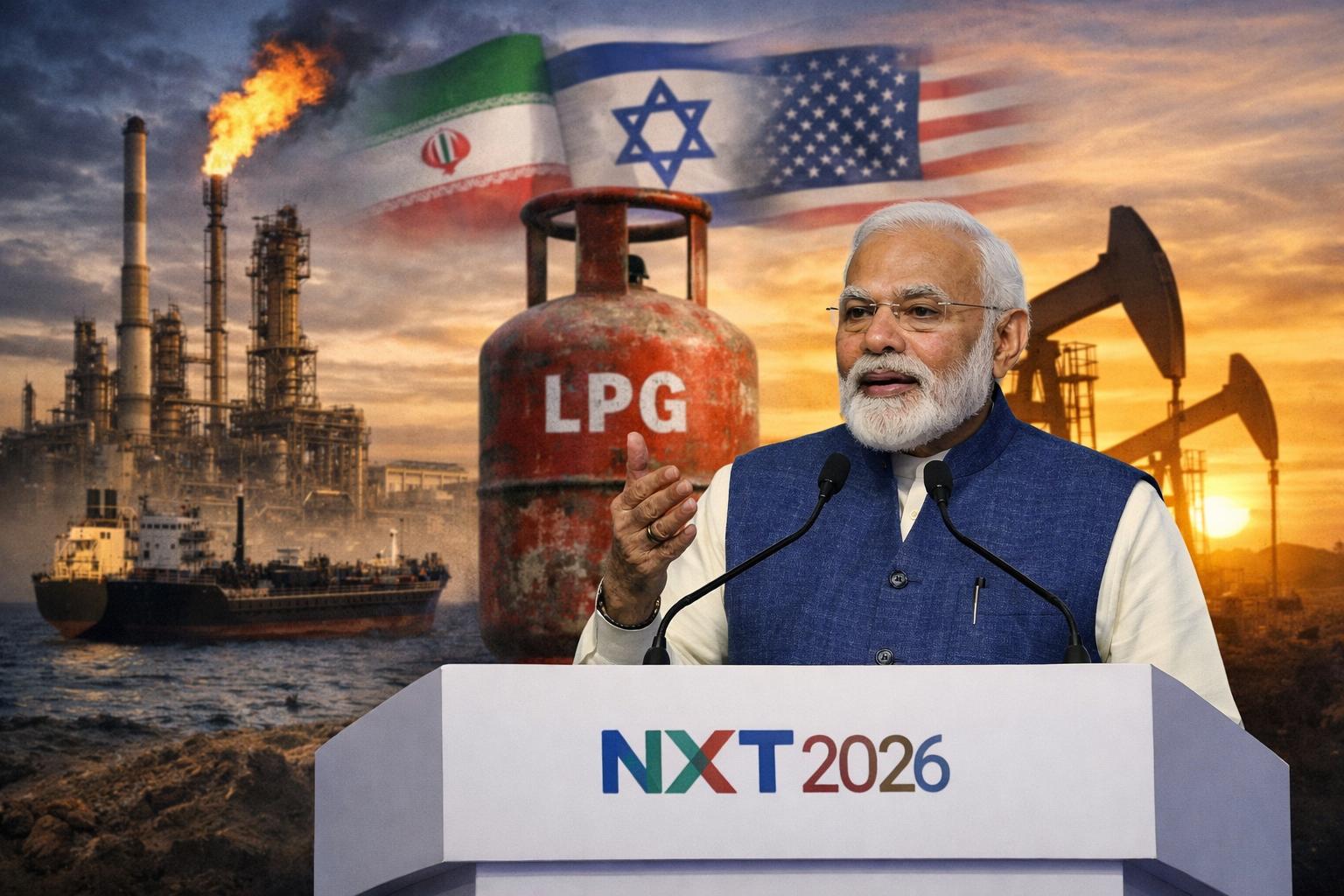
PM Modi says India taking strong steps to secure energy amid global crisis
Prime Minister Narendra Modi on Thursday said the government is taking comprehensive steps to safeguard India’s energy security as global fuel markets face uncertainty due to the ongoing conflict in West Asia. Addressing the NXT Summit 2026 in New Delhi on March 12, the prime minister said India has adopted a holistic strategy to strengthen its energy sector and reduce vulnerability to global disruptions. Modi said the country has significantly expanded its strategic petroleum reserve in r
PM Modi says India taking strong steps to secure energy amid global crisis
Prime Minister Narendra Modi on Thursday said the government is taking comprehensive steps to safeguard India’s energy security as global fuel markets face uncertainty due to the ongoing conflict in West Asia. Addressing the NXT Summit 2026 in New Delhi on March 12, the prime minister said India has adopted a holistic strategy to strengthen its energy sector and reduce vulnerability to global disruptions. Modi said the country has significantly expanded its strategic petroleum reserve in r
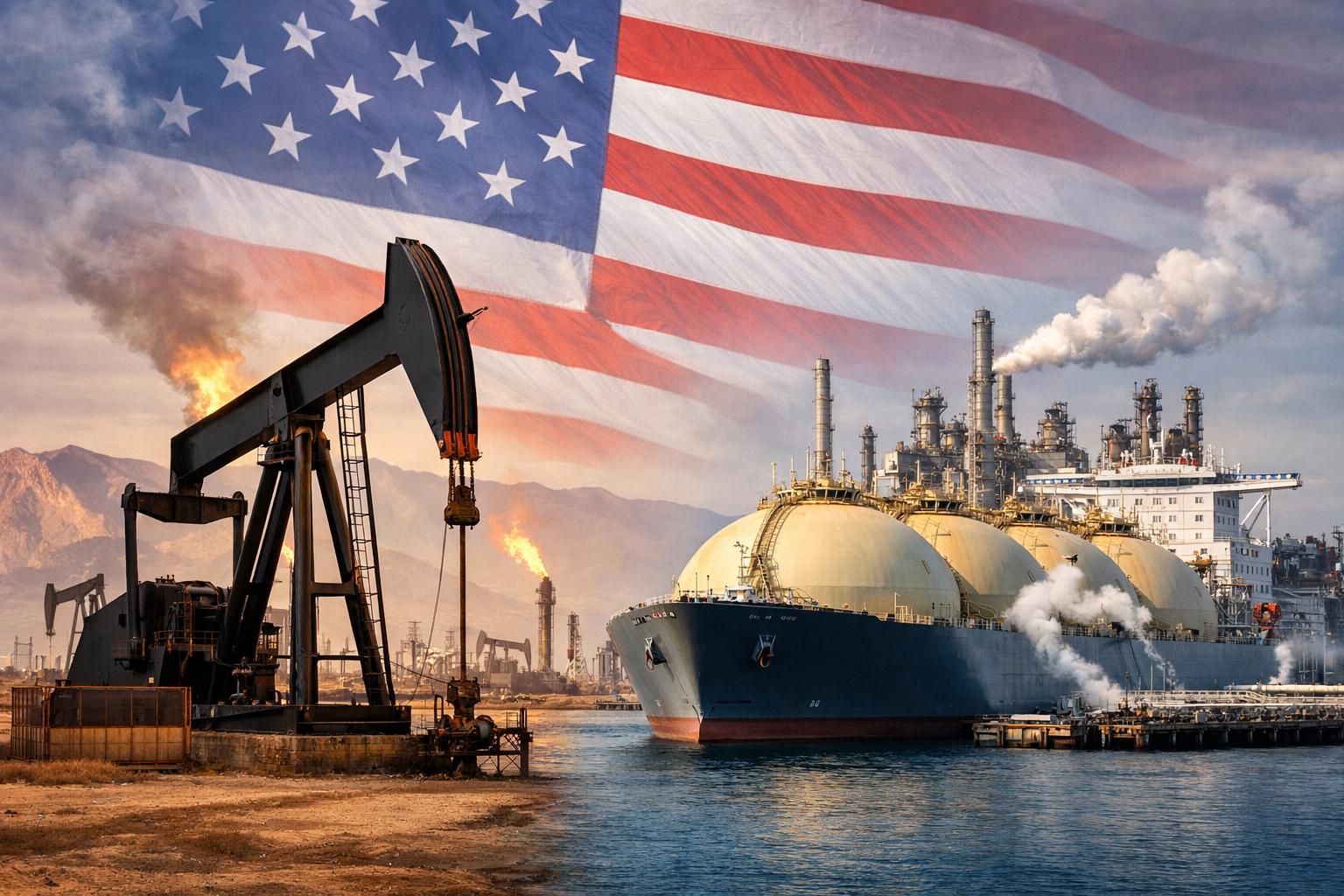
US oil production surpasses Saudi Arabia and Russia combined, new data shows
For decades, a recurring argument during periods of American involvement in the Middle East has been that such conflicts are driven by access to oil. However, the United States’ position in the global energy landscape has shifted dramatically over the past decade. Once heavily dependent on foreign imports, the country has transformed into one of the world’s largest producers of oil and natural gas, reshaping both global energy markets and geopolitical calculations. Recent figures from th
US oil production surpasses Saudi Arabia and Russia combined, new data shows
For decades, a recurring argument during periods of American involvement in the Middle East has been that such conflicts are driven by access to oil. However, the United States’ position in the global energy landscape has shifted dramatically over the past decade. Once heavily dependent on foreign imports, the country has transformed into one of the world’s largest producers of oil and natural gas, reshaping both global energy markets and geopolitical calculations. Recent figures from th
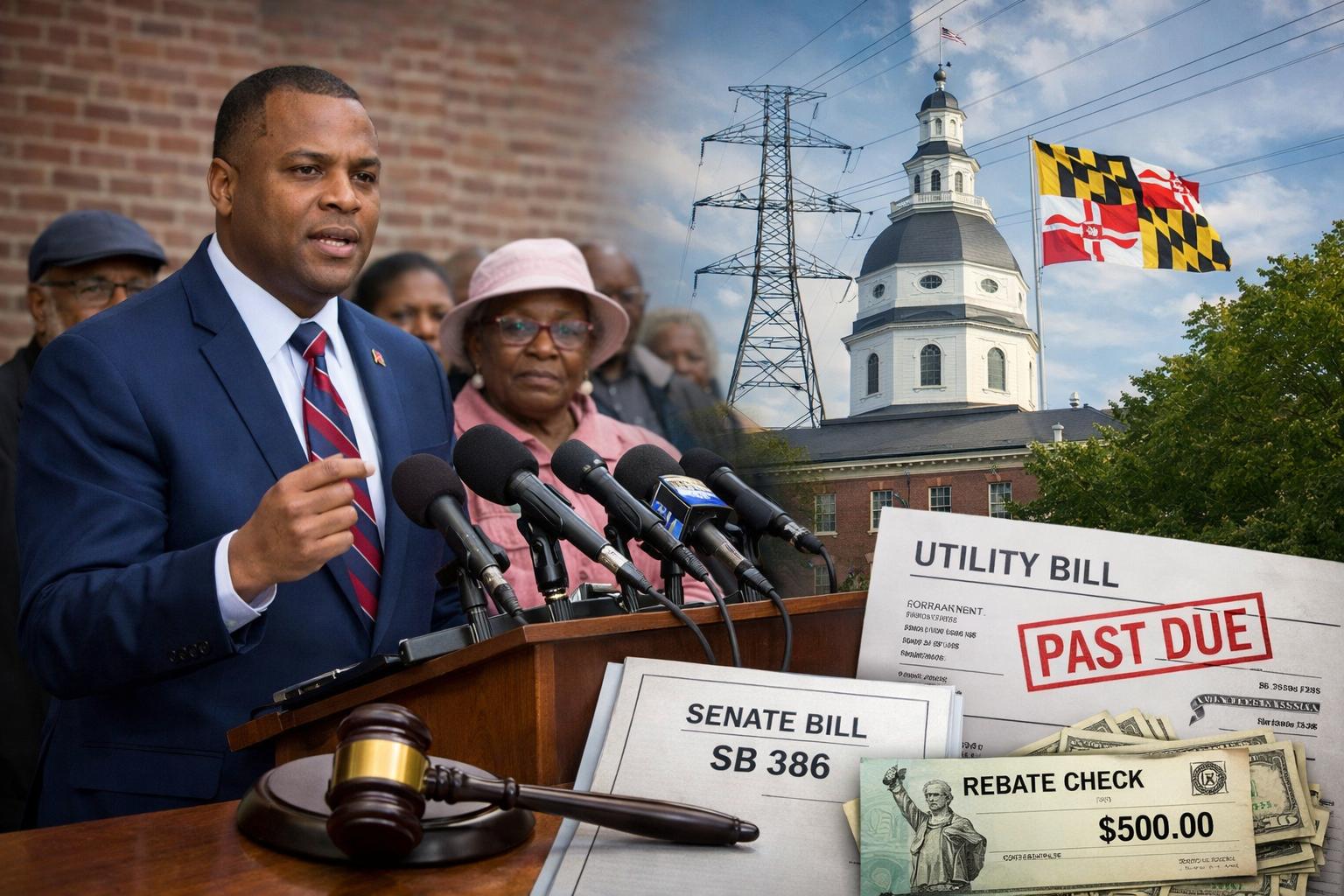
Maryland moves to curb rising energy bills with new reforms
LARGO, Md. — Facing mounting public pressure over sharply rising utility costs, Maryland lawmakers and local officials are advancing a series of measures aimed at delivering immediate financial relief while pursuing long-term changes to the state’s energy infrastructure. The coordinated push reflects growing concern among residents who say recent power bills have become increasingly difficult to manage. In Annapolis, the administration of Gov. Wes Moore introduced Senate Bill 38
Maryland moves to curb rising energy bills with new reforms
LARGO, Md. — Facing mounting public pressure over sharply rising utility costs, Maryland lawmakers and local officials are advancing a series of measures aimed at delivering immediate financial relief while pursuing long-term changes to the state’s energy infrastructure. The coordinated push reflects growing concern among residents who say recent power bills have become increasingly difficult to manage. In Annapolis, the administration of Gov. Wes Moore introduced Senate Bill 38
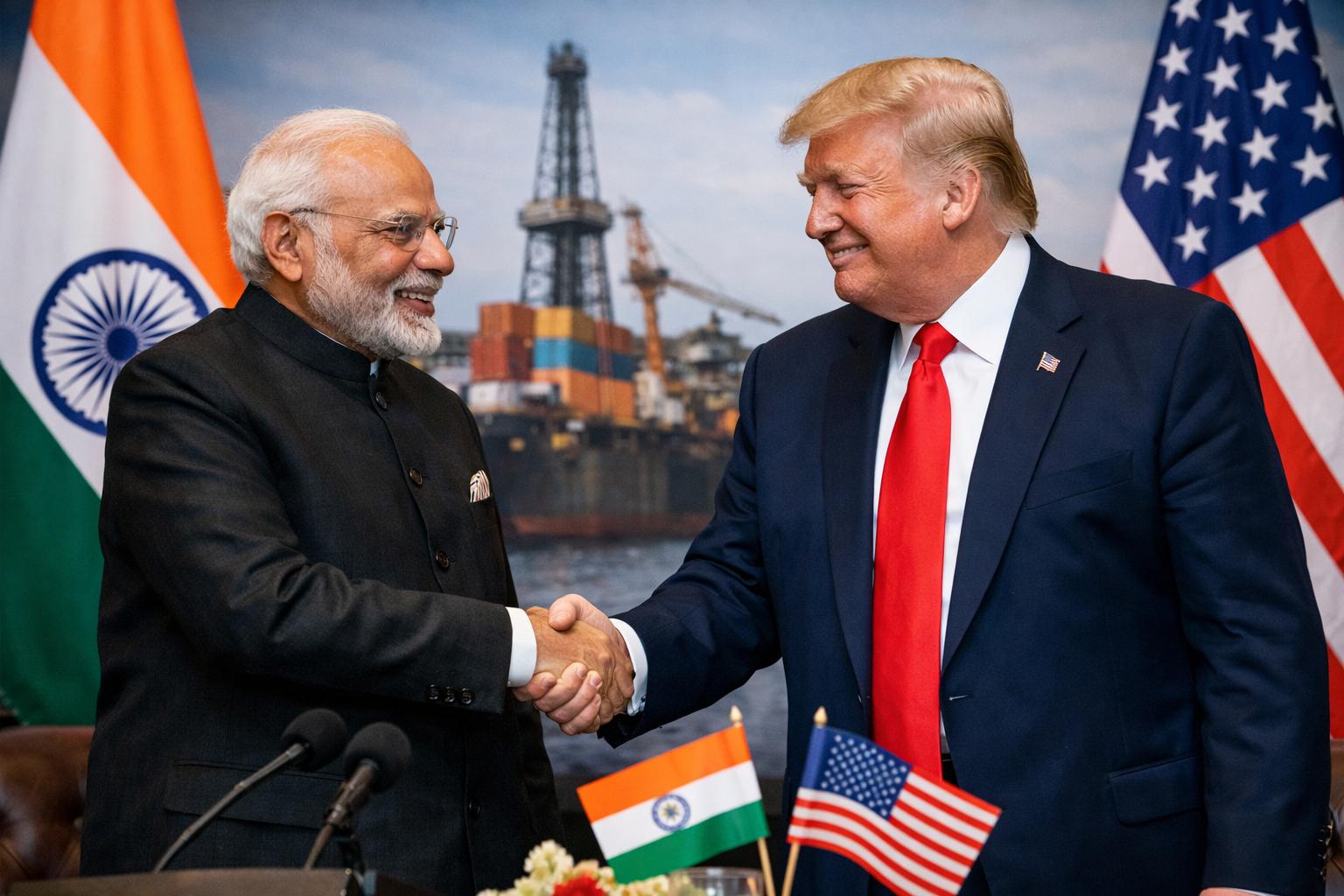
PM Modi expresses gratitude to Trump after US cuts tariffs on Indian goods
Prime Minister Narendra Modi on Monday welcomed a significant reduction in tariffs on Indian exports to the United States following an announcement by US President Donald Trump that the two countries had reached a bilateral trade agreement aimed at lowering reciprocal duties. Under the new arrangement, tariffs on Made in India products entering the US market will be reduced to 18%, marking a notable shift in trade relations between the two major economies. The agreement also provide
PM Modi expresses gratitude to Trump after US cuts tariffs on Indian goods
Prime Minister Narendra Modi on Monday welcomed a significant reduction in tariffs on Indian exports to the United States following an announcement by US President Donald Trump that the two countries had reached a bilateral trade agreement aimed at lowering reciprocal duties. Under the new arrangement, tariffs on Made in India products entering the US market will be reduced to 18%, marking a notable shift in trade relations between the two major economies. The agreement also provide
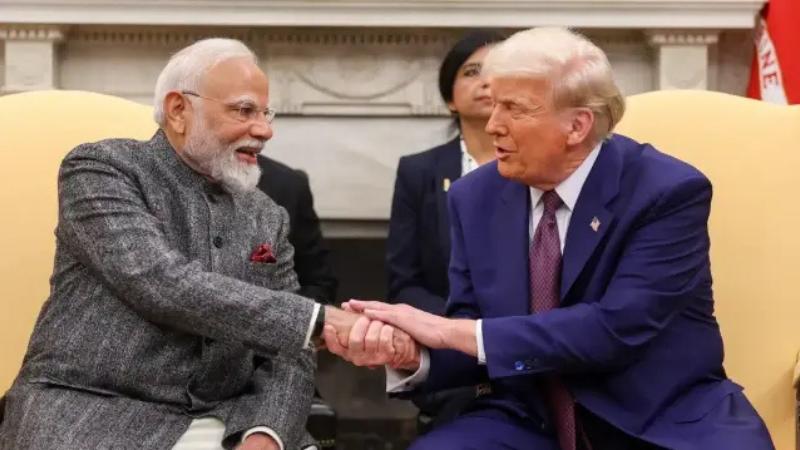
US and India agree on trade deal as tariffs are cut and oil strategy shifts
In a significant development affecting global trade and energy policy, United States President Donald Trump announced a bilateral trade agreement with Indian Prime Minister Narendra Modi following a direct telephone conversation on Monday. According to an official post shared by the US Ambassador to India on social media, the leaders discussed a range of strategic and economic issues, culminating in an accord that reduces key economic barriers between the two countries. In his publi
US and India agree on trade deal as tariffs are cut and oil strategy shifts
In a significant development affecting global trade and energy policy, United States President Donald Trump announced a bilateral trade agreement with Indian Prime Minister Narendra Modi following a direct telephone conversation on Monday. According to an official post shared by the US Ambassador to India on social media, the leaders discussed a range of strategic and economic issues, culminating in an accord that reduces key economic barriers between the two countries. In his publi
US treasury secretary says Europe funding war through Russian oil refined in India
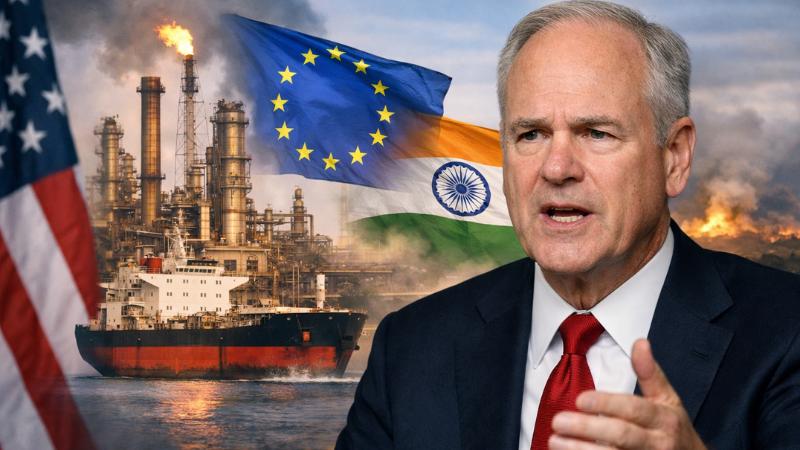
United States Treasury Secretary Scott Bessent has accused European nations of indirectly financing Russia’s war in Ukraine by purchasing refined oil products originating from Russian crude processed in India. His remarks come amid ongoing geopolitical tensions over energy trade and sanctions linked to the conflict in Eastern Europe. In an interview aired on Sunday, Bessent alleged that while European leaders publicly condemn Russia’s actions in Ukraine, their trade practices ar
US treasury secretary says Europe funding war through Russian oil refined in India
United States Treasury Secretary Scott Bessent has accused European nations of indirectly financing Russia’s war in Ukraine by purchasing refined oil products originating from Russian crude processed in India. His remarks come amid ongoing geopolitical tensions over energy trade and sanctions linked to the conflict in Eastern Europe. In an interview aired on Sunday, Bessent alleged that while European leaders publicly condemn Russia’s actions in Ukraine, their trade practices ar
Mikie Sherrill sworn in as New Jersey governor after decisive election victory
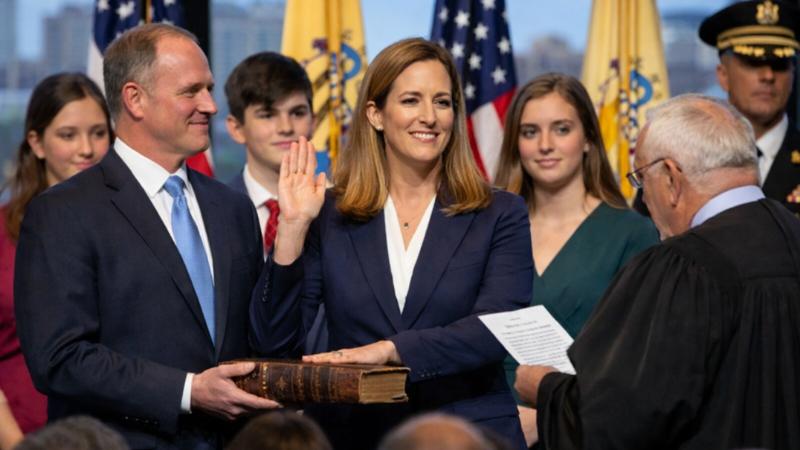
Mikie Sherrill was inaugurated Tuesday as New Jersey’s 57th governor, marking a historic transition of leadership following a campaign that centered on rising costs, energy policy, and opposition to President Donald Trump’s economic agenda. The 54-year-old former Navy helicopter pilot and four-term congresswoman becomes only the second woman to serve as governor of the state, which is home to nearly 9.5 million residents. Sherrill secured a decisive victory in November over a Republican opponent endorsed by Trump, framing the election as a referendum on federal policies that she argued were driving up everyday expenses. Throughout her campaign, she placed particular emphasis on the impact of tariffs on consumer prices and pledged immediate action to address escalating utility rates. That promise was reflected in her first official acts as governor, as she signed executive orders declaring a freeze on utility rates and initiating steps to expand electricity production, including investments in solar and nuclear energy. Speaking at the New Jersey Performing Arts Center in Newark, Sherrill invoked the state’s role in the Revolutionary War and referenced grievances from the Declaration of Independence, drawing a sharp comparison between those historic complaints and her criticism of the current administration. She accused the president of overstepping constitutional authority through trade policies that, she said, benefited a narrow few while increasing costs for families and businesses. Sherrill emphasized that public office should be rooted in service to the public, a theme that resonated with supporters who formed the backbone of her winning coalition in urban centers such as Newark. Sherrill took the oath of office on a copy of the Constitution once owned by New Jersey’s first governor, underscoring the symbolic weight of the ceremony. While past inaugurations have featured artillery salutes along the Delaware River near the statehouse in Trenton, this year’s event included a ceremonial gun salute and a military helicopter flyover, reflecting both tradition and Sherrill’s own military background. She succeeds outgoing Democratic Governor Phil Murphy, who leaves office after two terms marked by a series of progressive policy initiatives. During his tenure, Murphy raised taxes on high-income earners, increased the minimum wage, expanded early childhood education, and fully funded the state workers’ pension system after years of underfunding. In his final news conference, Murphy said he had been in close contact with Sherrill during the transition and described his administration as having delivered on its campaign promises. However, Sherrill inherits a state budget that has grown significantly over the past several years, raising concerns about potential shortfalls if revenues decline. The budget also includes an ongoing commitment to a property tax relief program that remains unfunded beyond its initial phase, presenting an early fiscal challenge for the new administration. With Democrats maintaining control of both the governorship and the Legislature, Sherrill is expected to have a relatively favorable environment for advancing her agenda. Her inauguration coincides with a broader political moment, as attention begins to shift toward upcoming midterm elections. Party leaders hope that continued dissatisfaction with federal policies will influence key races across the country. An inaugural ball is scheduled for later Tuesday evening at the American Dream megamall in East Rutherford, concluding a day that formally ushers in a new chapter in New Jersey’s political leadership.
Mikie Sherrill sworn in as New Jersey governor after decisive election victory
Mikie Sherrill was inaugurated Tuesday as New Jersey’s 57th governor, marking a historic transition of leadership following a campaign that centered on rising costs, energy policy, and opposition to President Donald Trump’s economic agenda. The 54-year-old former Navy helicopter pilot and four-term congresswoman becomes only the second woman to serve as governor of the state, which is home to nearly 9.5 million residents. Sherrill secured a decisive victory in November over a Republican opponent endorsed by Trump, framing the election as a referendum on federal policies that she argued were driving up everyday expenses. Throughout her campaign, she placed particular emphasis on the impact of tariffs on consumer prices and pledged immediate action to address escalating utility rates. That promise was reflected in her first official acts as governor, as she signed executive orders declaring a freeze on utility rates and initiating steps to expand electricity production, including investments in solar and nuclear energy. Speaking at the New Jersey Performing Arts Center in Newark, Sherrill invoked the state’s role in the Revolutionary War and referenced grievances from the Declaration of Independence, drawing a sharp comparison between those historic complaints and her criticism of the current administration. She accused the president of overstepping constitutional authority through trade policies that, she said, benefited a narrow few while increasing costs for families and businesses. Sherrill emphasized that public office should be rooted in service to the public, a theme that resonated with supporters who formed the backbone of her winning coalition in urban centers such as Newark. Sherrill took the oath of office on a copy of the Constitution once owned by New Jersey’s first governor, underscoring the symbolic weight of the ceremony. While past inaugurations have featured artillery salutes along the Delaware River near the statehouse in Trenton, this year’s event included a ceremonial gun salute and a military helicopter flyover, reflecting both tradition and Sherrill’s own military background. She succeeds outgoing Democratic Governor Phil Murphy, who leaves office after two terms marked by a series of progressive policy initiatives. During his tenure, Murphy raised taxes on high-income earners, increased the minimum wage, expanded early childhood education, and fully funded the state workers’ pension system after years of underfunding. In his final news conference, Murphy said he had been in close contact with Sherrill during the transition and described his administration as having delivered on its campaign promises. However, Sherrill inherits a state budget that has grown significantly over the past several years, raising concerns about potential shortfalls if revenues decline. The budget also includes an ongoing commitment to a property tax relief program that remains unfunded beyond its initial phase, presenting an early fiscal challenge for the new administration. With Democrats maintaining control of both the governorship and the Legislature, Sherrill is expected to have a relatively favorable environment for advancing her agenda. Her inauguration coincides with a broader political moment, as attention begins to shift toward upcoming midterm elections. Party leaders hope that continued dissatisfaction with federal policies will influence key races across the country. An inaugural ball is scheduled for later Tuesday evening at the American Dream megamall in East Rutherford, concluding a day that formally ushers in a new chapter in New Jersey’s political leadership.
Trump halts second wave of attacks as Venezuela frees political prisoners
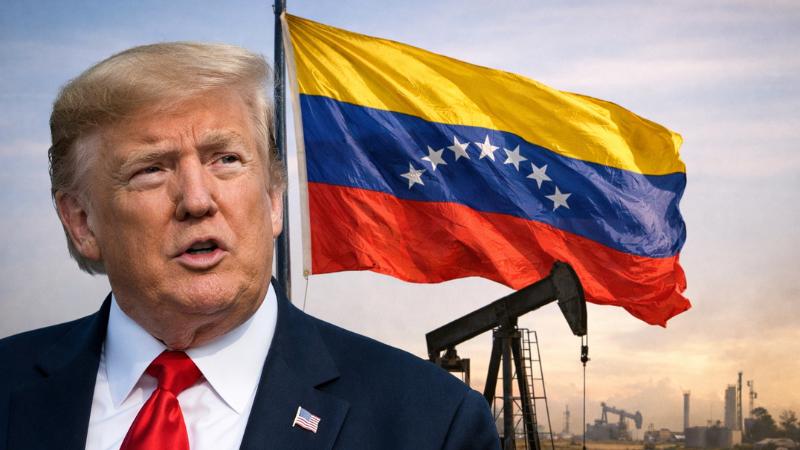
In a significant indication of easing tensions between Washington and Caracas, US President Donald Trump announced on Friday that he has cancelled a planned second wave of military attacks on Venezuela, citing the release of political prisoners and increased cooperation on rebuilding the country’s oil and gas sector. The decision follows recent developments that the US president described as constructive gestures by Venezuelan authorities aimed at de-escalation. Trump said the mov
Trump halts second wave of attacks as Venezuela frees political prisoners
In a significant indication of easing tensions between Washington and Caracas, US President Donald Trump announced on Friday that he has cancelled a planned second wave of military attacks on Venezuela, citing the release of political prisoners and increased cooperation on rebuilding the country’s oil and gas sector. The decision follows recent developments that the US president described as constructive gestures by Venezuelan authorities aimed at de-escalation. Trump said the mov
United States exits 66 international organisations under Trump executive order
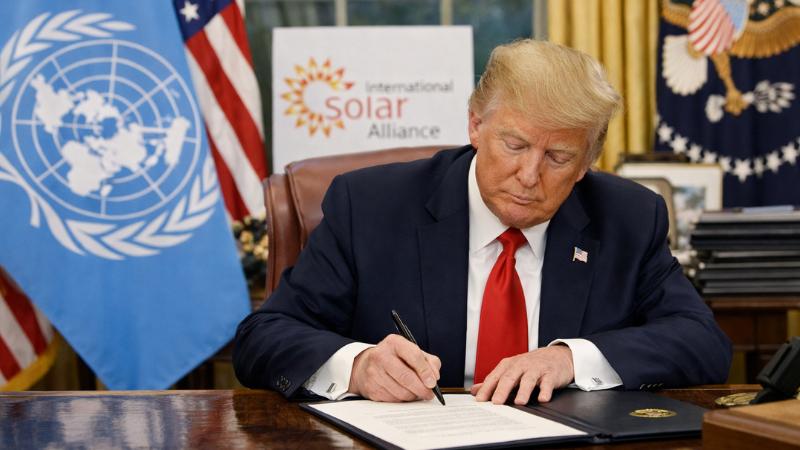
President Donald Trump on Wednesday signed an executive order directing the United States to withdraw from 66 international organisations and treaties, marking one of the most extensive reversals of US participation in global institutions in recent history. According to a White House memorandum, the administration determined that continued involvement in these bodies was contrary to the interests of the United States, citing concerns over sovereignty, ideological alignment, and financial comm
United States exits 66 international organisations under Trump executive order
President Donald Trump on Wednesday signed an executive order directing the United States to withdraw from 66 international organisations and treaties, marking one of the most extensive reversals of US participation in global institutions in recent history. According to a White House memorandum, the administration determined that continued involvement in these bodies was contrary to the interests of the United States, citing concerns over sovereignty, ideological alignment, and financial comm
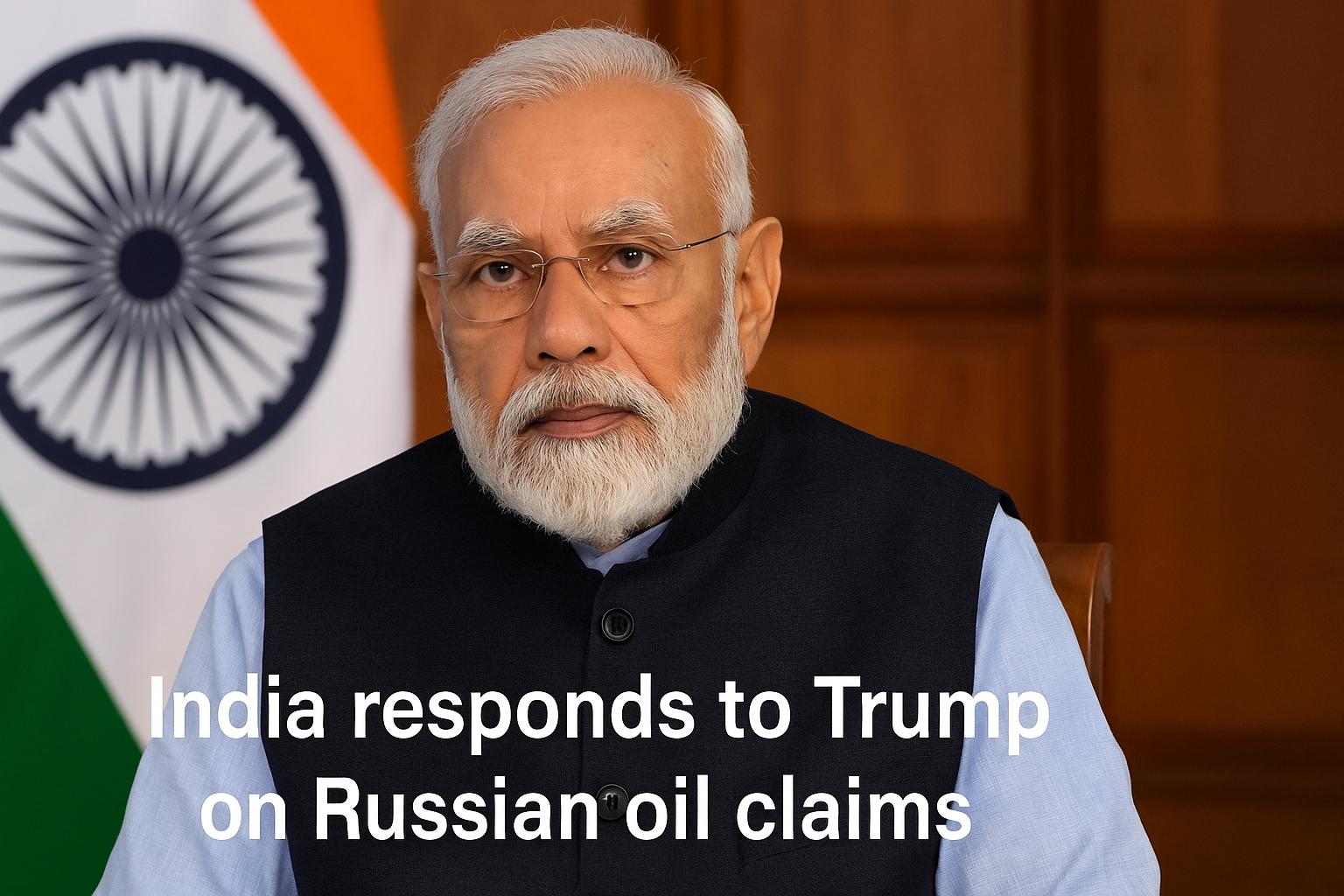
India responds to Trump’s claim about ending Russian oil imports
Hours after United States President Donald Trump asserted that Indian Prime Minister Narendra Modi had personally assured him that New Delhi would soon halt the purchase of oil from Russia, the Indian government issued a carefully worded statement reiterating its independent energy policy. The clarification underscored India’s commitment to protecting its national interests and consumers amid global price volatility, without directly confirming or denying Trump’s remarks. In a s
India responds to Trump’s claim about ending Russian oil imports
Hours after United States President Donald Trump asserted that Indian Prime Minister Narendra Modi had personally assured him that New Delhi would soon halt the purchase of oil from Russia, the Indian government issued a carefully worded statement reiterating its independent energy policy. The clarification underscored India’s commitment to protecting its national interests and consumers amid global price volatility, without directly confirming or denying Trump’s remarks. In a s

US says India trade deal possible if Russian oil imports end
The possibility of a significant trade agreement between the United States and India has taken center stage after fresh comments by US Commerce Secretary Howard Lutnick. Speaking about key trade priorities, Lutnick made it clear that progress on the long-discussed deal will depend heavily on India ending its purchase of oil from Russia. His remarks underline the ongoing tensions between Washington and New Delhi over trade practices, energy choices, and global a
US says India trade deal possible if Russian oil imports end
The possibility of a significant trade agreement between the United States and India has taken center stage after fresh comments by US Commerce Secretary Howard Lutnick. Speaking about key trade priorities, Lutnick made it clear that progress on the long-discussed deal will depend heavily on India ending its purchase of oil from Russia. His remarks underline the ongoing tensions between Washington and New Delhi over trade practices, energy choices, and global a

Daylight Saving Time 2025: When Clocks Change And Why It Exists
Summer still has several weeks left, but the cooler temperatures arriving in the Chicago area serve as a reminder that fall is approaching quickly. With the changing season comes shorter days, cooler nights, and the yearly ritual of turning the clocks back. This year, daylight saving time will officially end on Sunday, November 2, 2025, when clocks across most of the United States will “fall back” one hour. While many see this as an opportunity to e
Daylight Saving Time 2025: When Clocks Change And Why It Exists
Summer still has several weeks left, but the cooler temperatures arriving in the Chicago area serve as a reminder that fall is approaching quickly. With the changing season comes shorter days, cooler nights, and the yearly ritual of turning the clocks back. This year, daylight saving time will officially end on Sunday, November 2, 2025, when clocks across most of the United States will “fall back” one hour. While many see this as an opportunity to e










