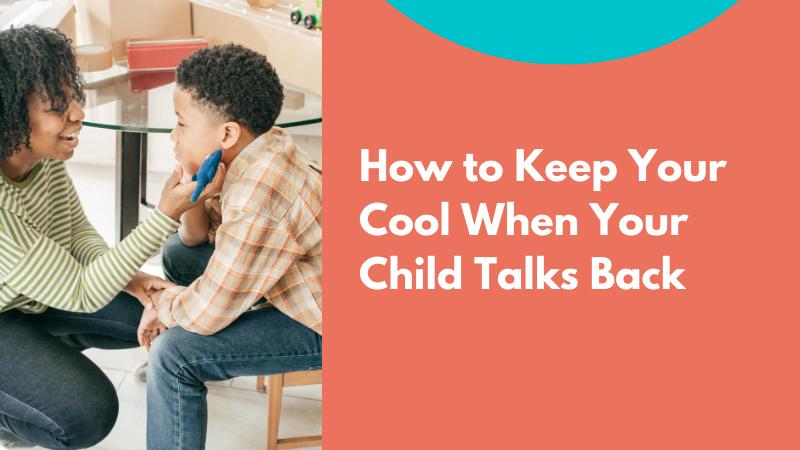
Every parent has experienced that moment when their child talks back. It can feel frustrating, disrespectful, and even hurtful. But before reacting in anger, it’s important to understand that backtalk is often a normal part of child development. Children test boundaries as they grow, and talking back can be their way of expressing independence, frustration, or strong emotions. The key for parents is not to stop the behavior completely but to respond calmly and consistently without losing control.
When kids talk back, it’s easy to feel provoked and respond with yelling or harsh words. However, reacting this way often escalates the conflict. Instead, taking a deep breath and staying calm sends a powerful message to your child about how to handle disagreements respectfully. Modeling patience and composure teaches children more than lectures ever could.
Setting clear expectations is another effective way to prevent repeated backtalk. Children should know the family rules for communication, such as speaking respectfully and listening without interrupting. Reinforcing these rules consistently helps them understand that while their feelings are valid, their tone and choice of words matter.
It’s also important to look deeper into why a child is talking back. Sometimes it may be because they are tired, hungry, overwhelmed, or seeking attention. By identifying the underlying need, parents can respond with empathy rather than frustration. For example, giving your child a chance to express their feelings in a calm conversation later often works better than reacting in the heat of the moment.
Positive reinforcement can also encourage better communication. Praising respectful behavior and acknowledging when your child expresses themselves appropriately motivates them to repeat those actions. Over time, this builds healthier communication patterns within the family.
Lastly, parents should remember to choose their battles wisely. Not every instance of backtalk needs a big response. Sometimes ignoring minor comments and addressing only the serious issues helps reduce power struggles. Maintaining a balance between discipline and understanding keeps the relationship strong while teaching children lifelong lessons about respect.