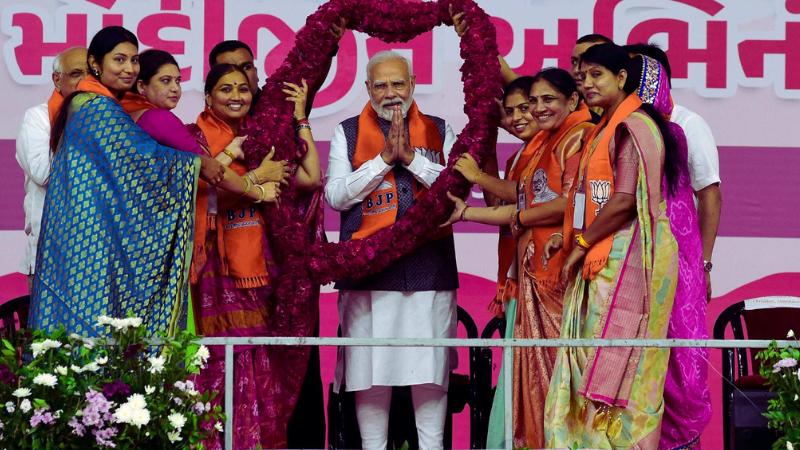
The central government is preparing to implement the Women’s Reservation Act, a major reform aimed at increasing female representation in Indian politics. According to sources, the rollout may be based on the 2011 census, potentially bypassing delays linked to fresh census and delimitation processes.
The Women’s Reservation Act, originally passed in 2023, mandates 33 percent reservation for women in the Lok Sabha and state legislative assemblies. However, its implementation has been pending due to the requirement of a delimitation exercise following the next census.
Sources indicate that the government is now considering an amendment to fast-track the process by linking it to the 2011 census instead. This move could accelerate the inclusion of more women in decision-making roles at the national level. The proposed changes will require a constitutional amendment. As per Article 368, the bill must be approved by both Houses of Parliament with a special majority, making political consensus crucial.
Despite strong intent, the government does not currently have sufficient numbers in Parliament to pass the amendment on its own. This makes support from opposition parties essential. Efforts are reportedly underway to build consensus, with discussions likely to involve multiple parties. Congress has already called for an all-party meeting to decide on the roadmap for implementation. If passed, this reform could reshape India’s political landscape by significantly increasing women’s participation in governance. However, the speed of implementation and political negotiations will determine whether this ambitious plan becomes reality in the near future.