



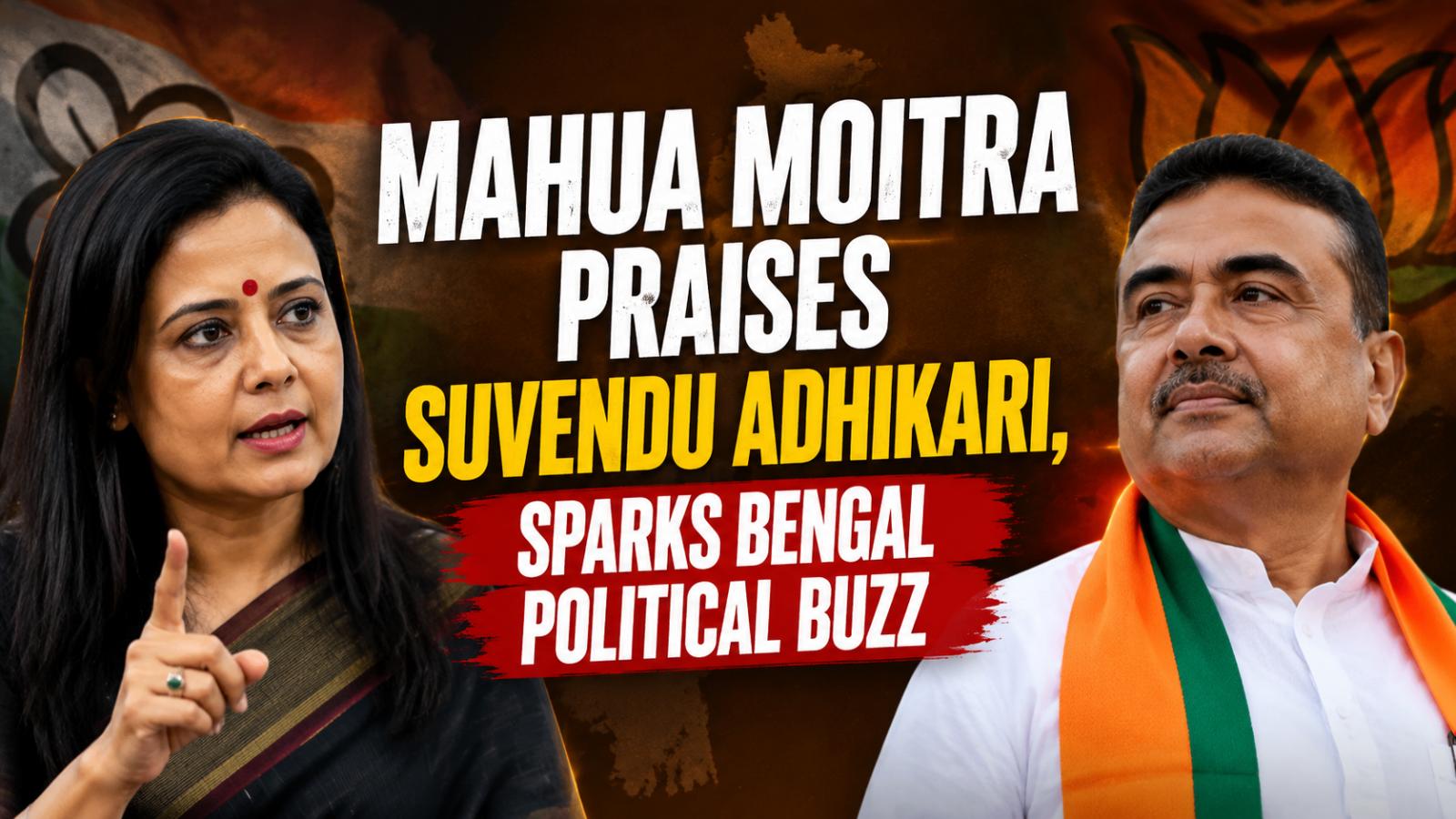











Kolkata, June 24, 2026: Trinamool Congress (TMC) MP Mahua Moitra has stirred fresh political discussions in West Bengal after publicly recalling the support she received from Chief Minister Suvendu Adhikari during the early stages of her political journey. Her remarks come at a crucial time when the TMC is facing internal challenges, defections, and a growing leadership crisis. Mahua Moitra described her relationship with Suvendu Adhikari as one built on personal respect and emotion
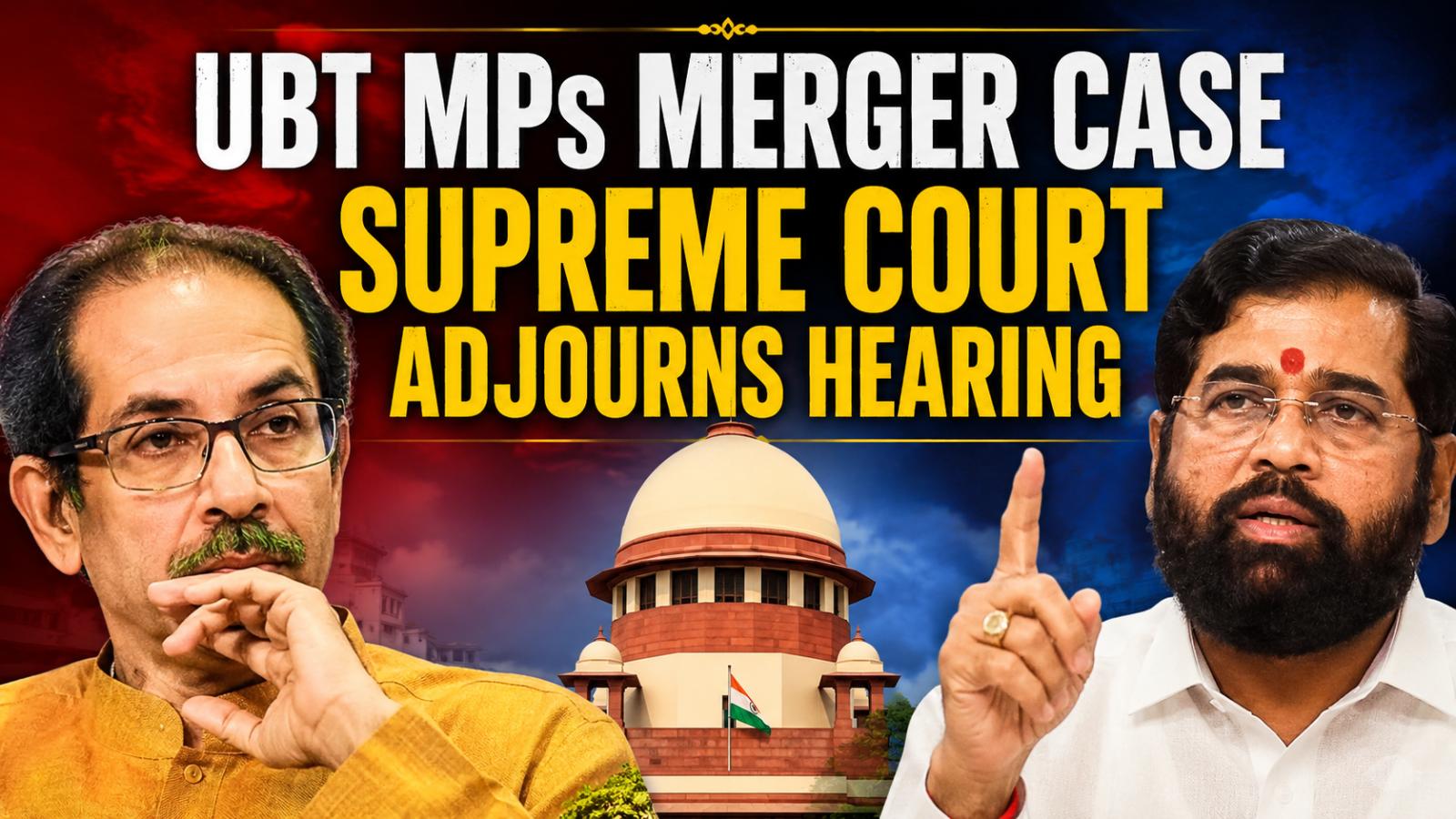
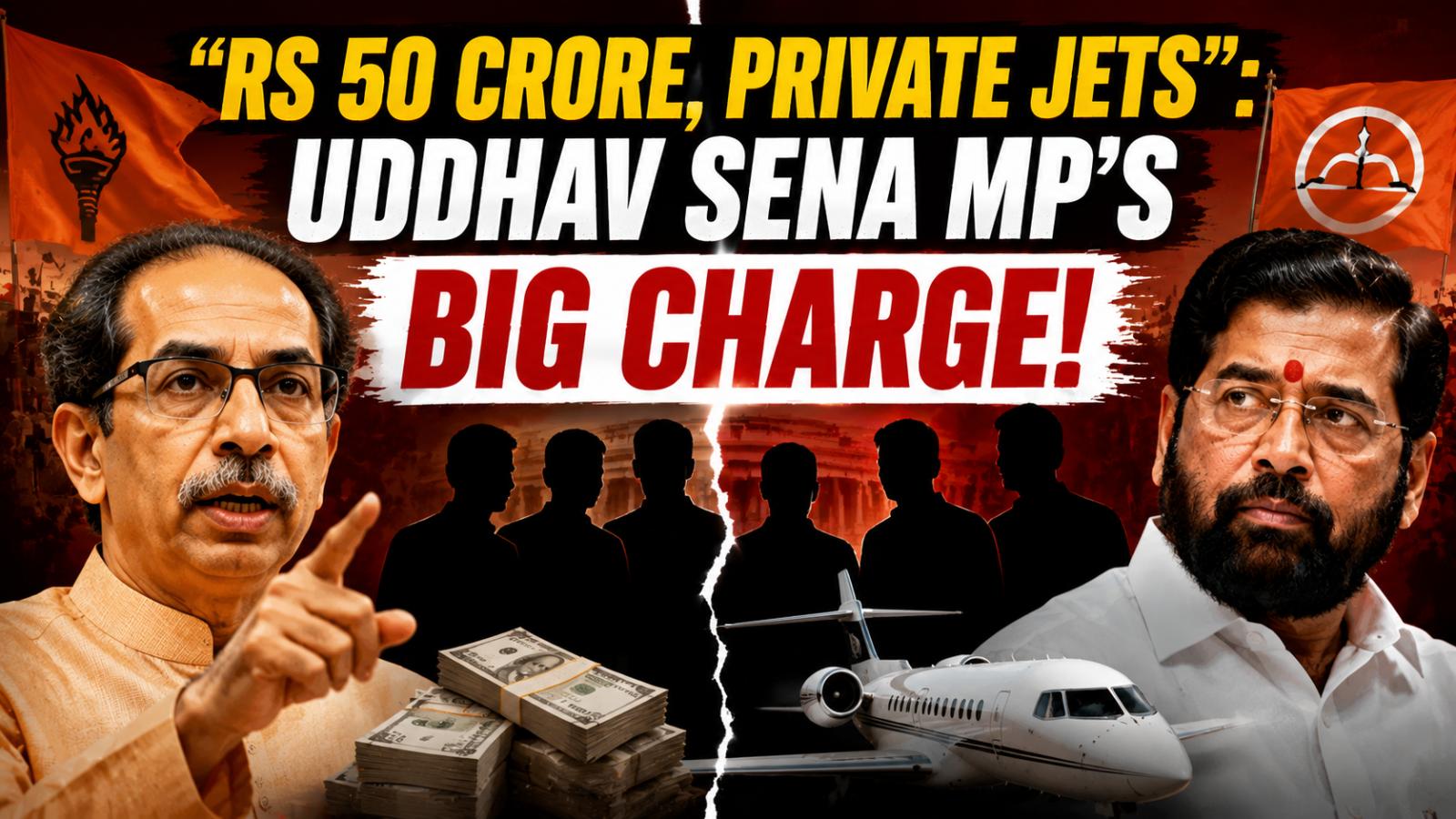
Defection allegations spark political turbulence A fresh political storm has erupted within the Shiv Sena (UBT) camp led by Uddhav Thackeray, as allegations of possible defections among its Members of Parliament have triggered a high-stakes internal crisis. Senior leader
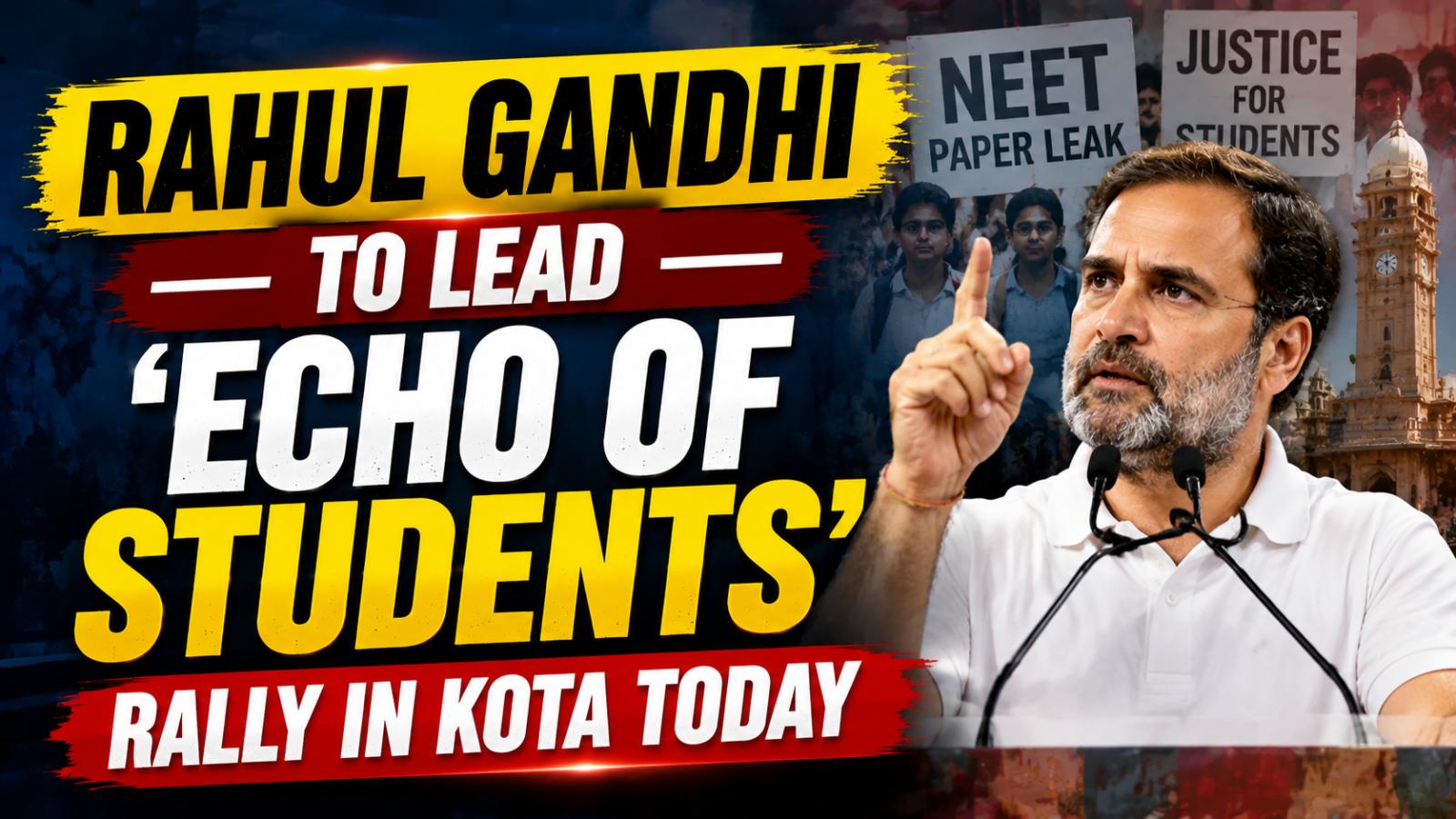
Student-focused rally in Kota Congress leader and Leader of Opposition in the Lok Sabha Rahul Gandhi is set to address the “Echo of Students” rally in Kota, a major coaching hub in Rajasthan. The event is being positioned around concerns raised by students and competitive exam aspirants, particularly issues li
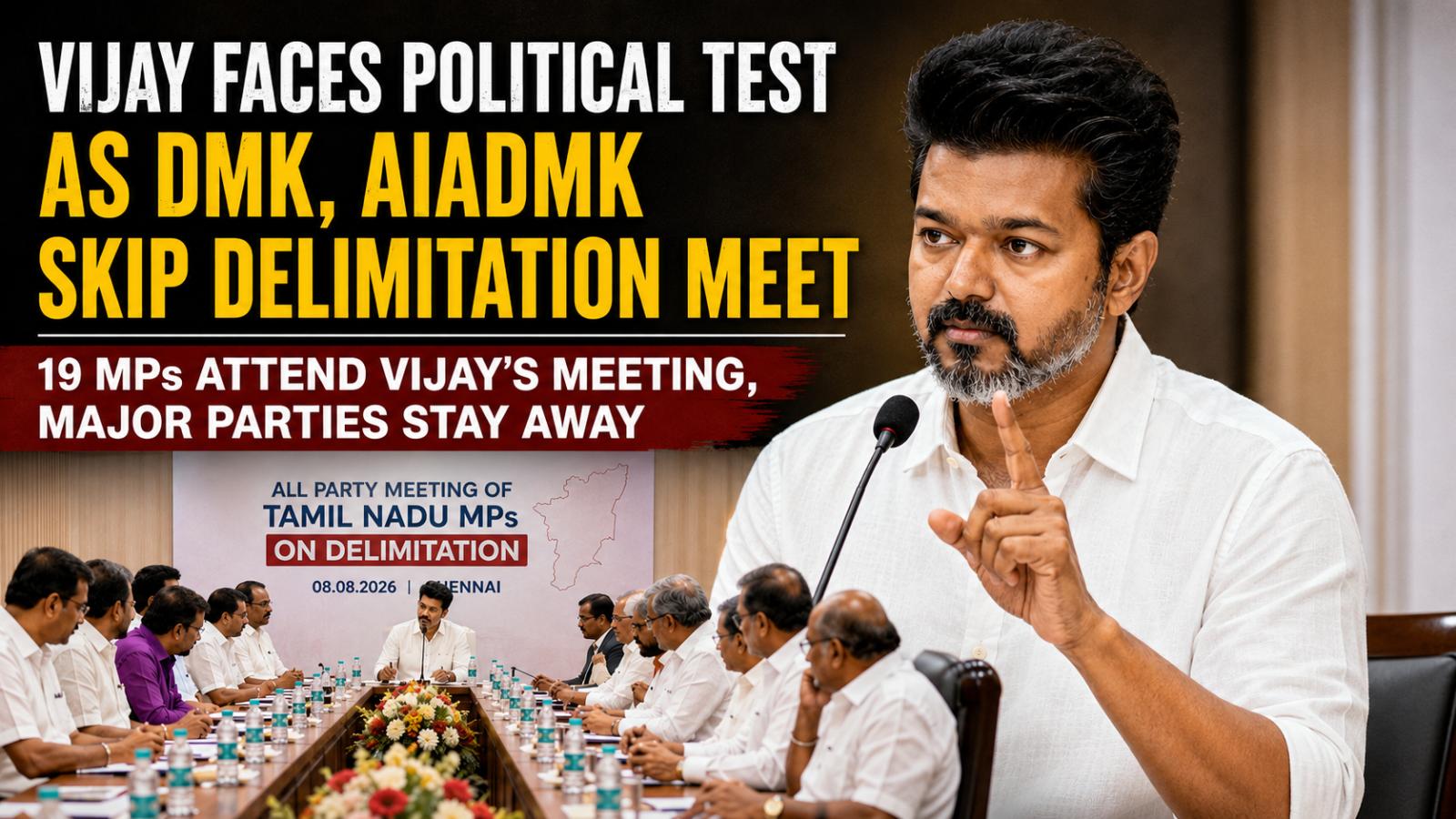
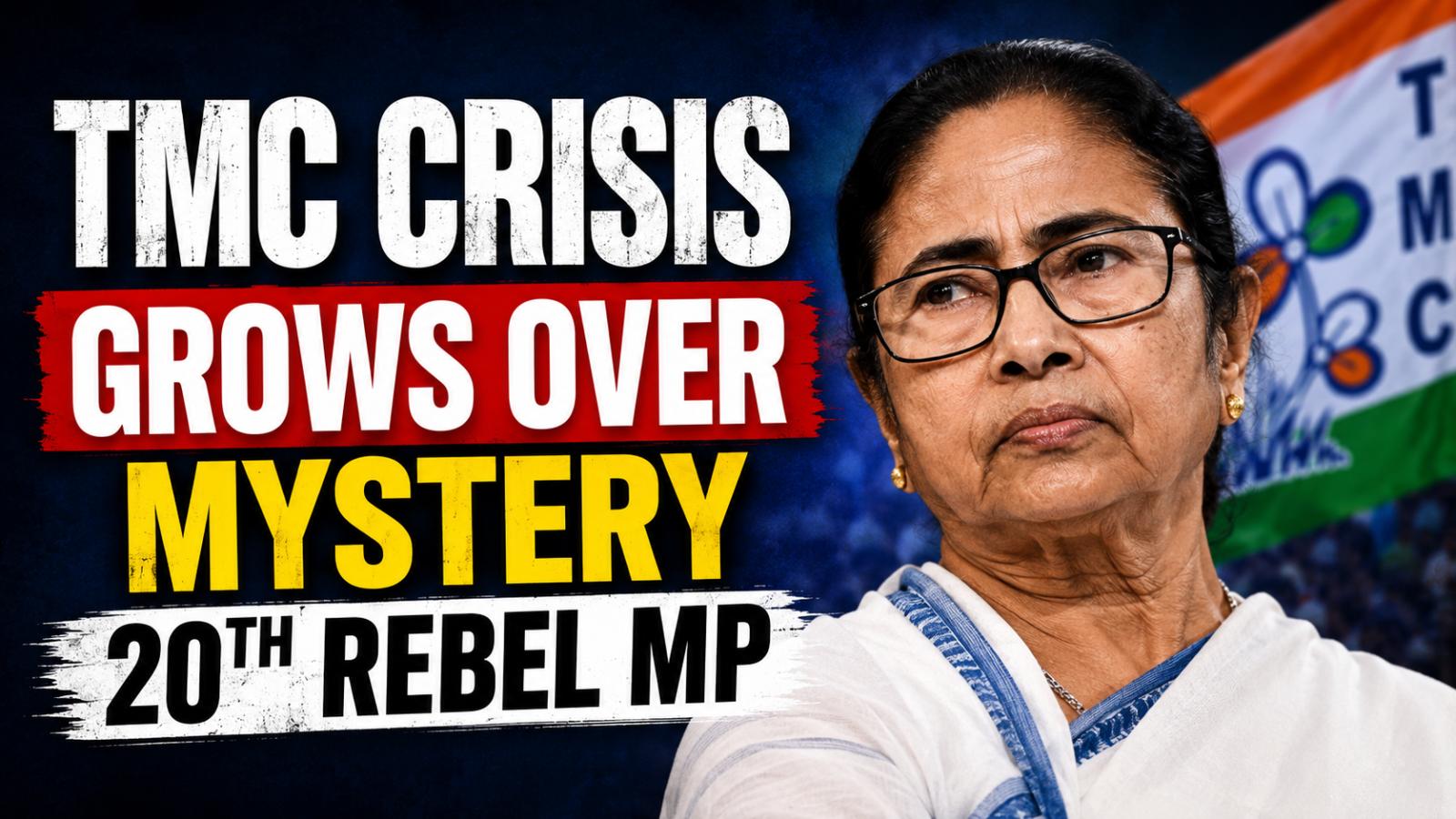
The Trinamool Congress is facing one of its biggest internal crises in recent years as a group of rebel Lok Sabha MPs reportedly moves to seek recognition as the “real TMC” parliamentary faction. The latest twist involves a letter said to have 19 signatures but 20 serial numbers, creating suspense over a possible 20th rebel MP. The Speaker’s office has not officially confirmed receipt of the letter. However, reports say the rebel MPs
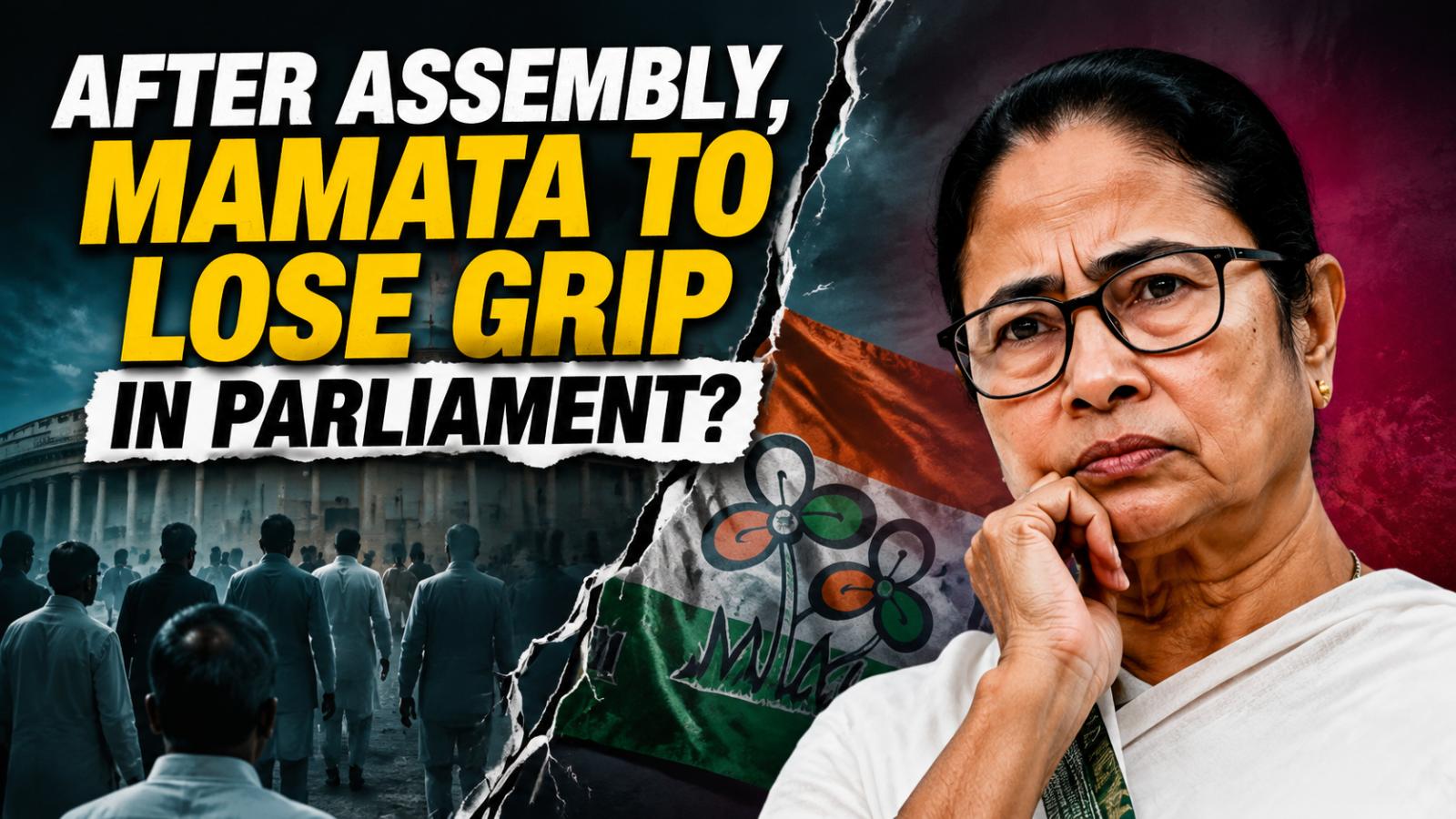
TMC Reels After Assembly Setback The Trinamool Congress is in turmoil following a crushing defeat in West Bengal’s Assembly elections. Over 58 of the 80 MLAs have rebelled, appointing expelled leader Ritabrata Banerjee as the Leader of Opposition, signaling a split in the party’s legislative wing. The crisis has now escalated to the national level, with nearly 20 TMC Lok Sabha MPs moving to New Delhi, r
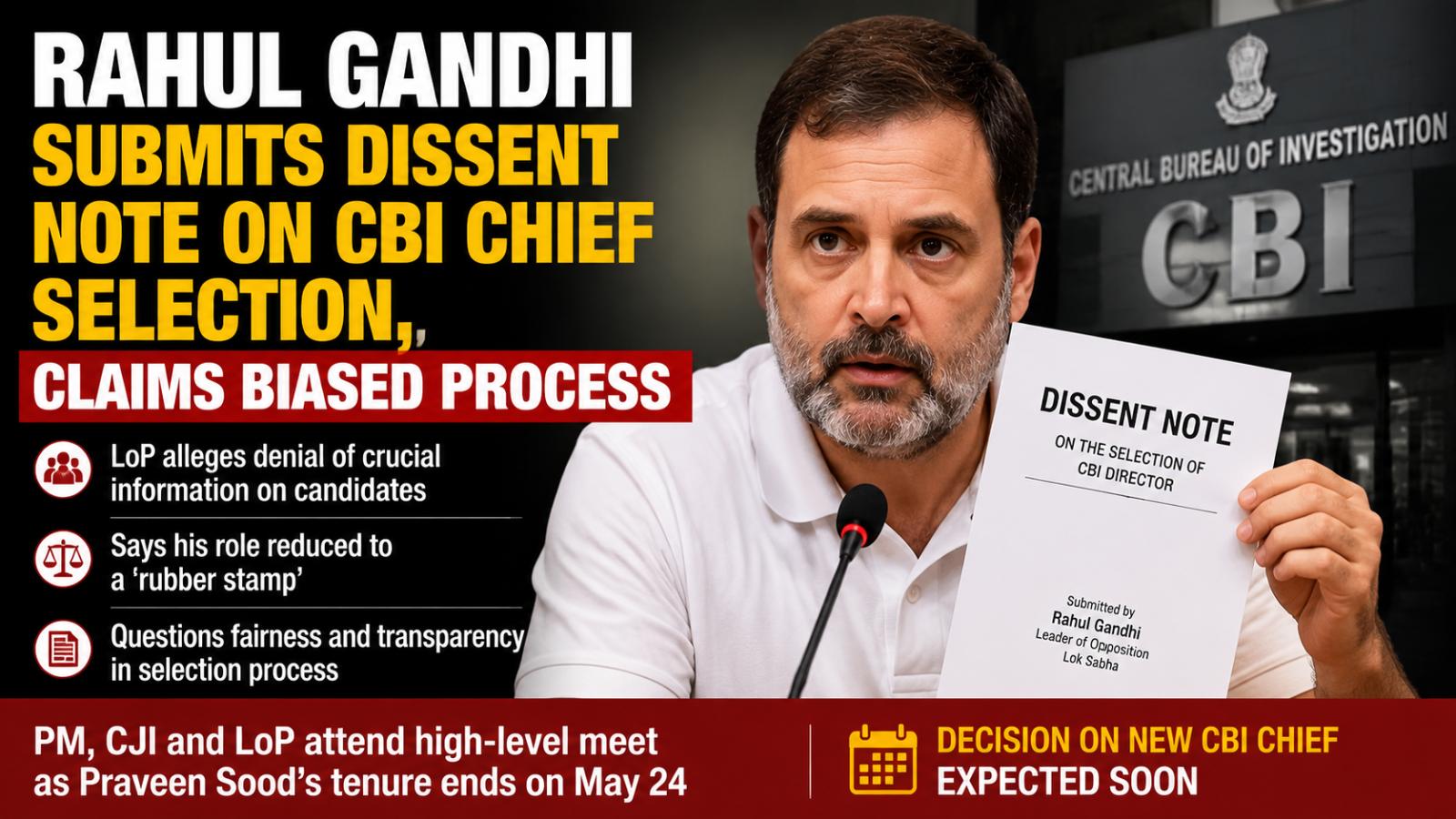
On May 13, 2026, Rahul Gandhi, the Leader of Opposition in the Lok Sabha, submitted a dissent note to Prime Minister Narendra Modi regarding the selection process for the new Central Bureau of Investigation (CBI) chief. The Congress MP accused the process of being biased, stating that his constitutional role in the appointment process had been reduced to that of a "rubber stamp." Gandhi expressed that the procedure was designed to ensure that the government's preferred candidate would be selected, and he refused to participate in what he deemed a "mockery" of the process. The high-level meeting, which included Prime Minister Modi, Chief Justice of India Surya Kant, and Gandhi, was held at the Prime Minister's residence to discuss the potential successors to Praveen Sood, the outgoing CBI Director, whose tenure ends on May 24, 2026. Gandhi claimed that despite repeated requests, he was denied access to crucial self-appraisal and assessment reports of the 69 shortlisted candidates. He pointed out that he was expected to review these records only during the meeting, preventing a meaningful evaluation of the candidates' histories and performances. The lack of transparency in the process, he said, made it difficult for him to fulfill his constitutional duty to ensure a fair and unbiased selection for the critical position. In his note, Gandhi also accused the Modi government of using the CBI to target political opponents, journalists, and critics. He noted that his suggestions for a more transparent and fair process had been ignored, including earlier written requests made on October 21 and May 5 of the previous year. Gandhi’s criticism of the process is seen as part of a broader political strategy to hold the government accountable on issues of institutional independence, especially as the CBI has often been at the center of political controversies. As the selection process for the new CBI chief continues, it is expected that the Modi government will announce the new director soon, with several senior IPS officers under consideration for the top position. This issue remains a politically sensitive one, with several high-profile cases involving the agency, making the outcome of the CBI chief selection process crucial for the current government and the opposition alike.
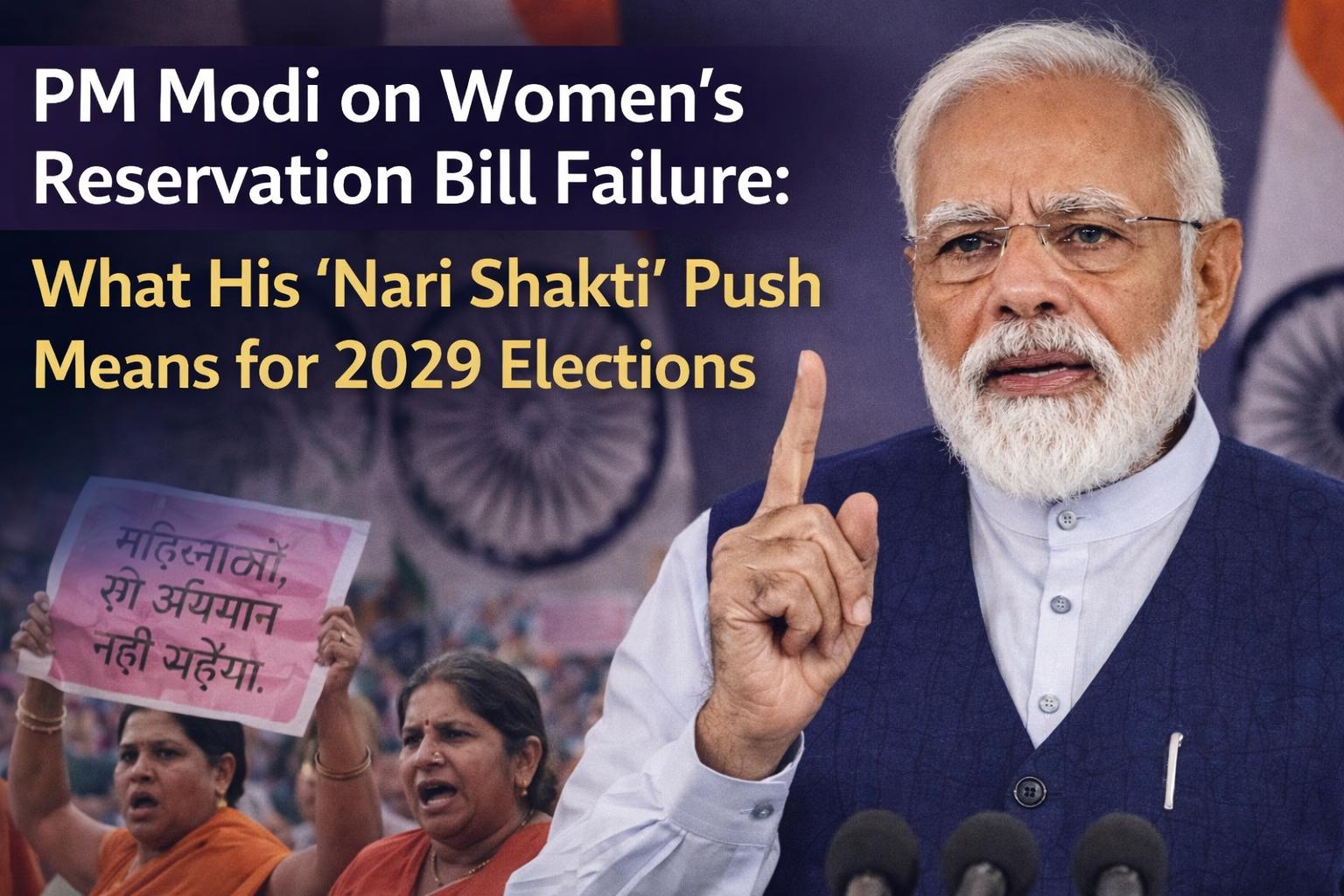
PM Modi women reservation bill speech highlights ‘Nari Shakti’ push Prime Minister Narendra Modi’s women reservation bill speech on Saturday, April 18, 2026, has brought renewed focus on women’s representation in India’s political system. Calling the Nari Shakti initiative a “great yajna,” Modi emphasized that empowering women remains a central goal despite the recen
Prime Minister Narendra Modi is set to deliver a national address at 8:30 PM, prompting widespread speculation about the topic. The announcement comes at a politically sensitive moment, just a day after the women’s reservation bill failed to secure approval in Parliament. Why PM Modi is addressing the nation today While officials have not confirmed the subject of the speech, the timing has drawn attention. The Prime Minister reportedly di
Narendra Modi will address the nation at 8:30 PM on April 18, 2026, following the defeat of the Women’s Reservation Bill in the Lok Sabha. The Prime Minister’s Office confirmed the address, though the agenda has not been disclosed. The development follows the Constitution (131st Amendment) Bill, falling short of the required two-thirds majority in the
A political war of words erupted after the Women’s Reservation Bill failed to pass in the Lok Sabha, with Smriti Irani strongly criticising the Indian National Congress and other Opposition parties. She accused them of celebrat
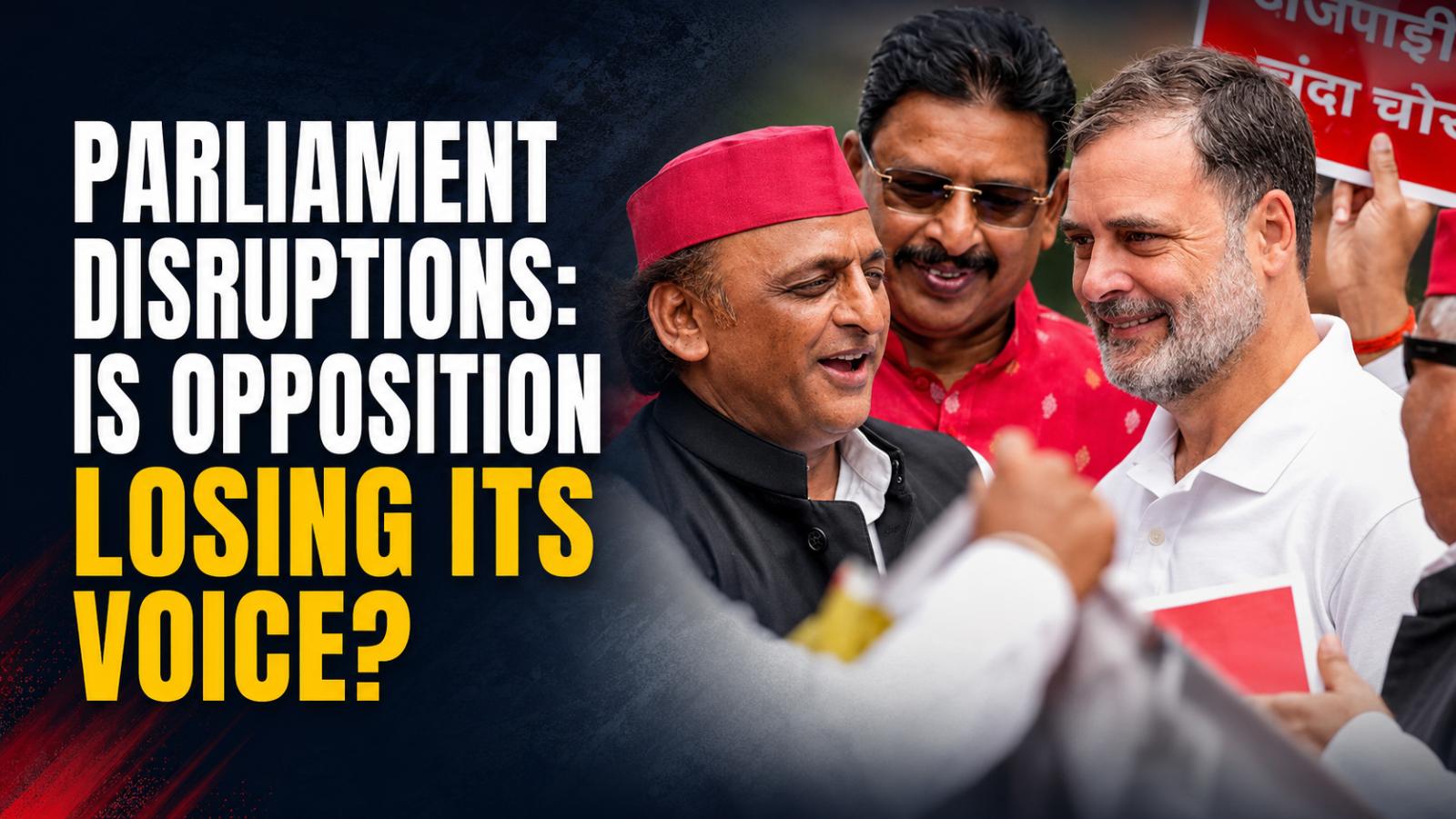
In a major political development, a united Opposition on Friday, April 17, 2026, defeated the government’s Women’s Reservation Bill in the Lok Sabha, marking the first legislative setback for the NDA government in over a decade. Despite last-minute appeals from Prime Minister
India’s Parliament witnessed intense exchanges and high political drama during the special session as debates around the delimitation bill and women’s reservation took centre stage. The discussions brought out sharp ideological differences between the ruling government and the Opposition, with leaders raising concerns about fairness, representation, and timing of reforms. Congress leader Karti Chidambaram sparked fresh controversy by likening the delimitation exercise to an “i
Prime Minister Narendra Modi addressed the Lok Sabha during the ongoing special Parliament session, offering a strong assurance that the proposed delimitation process will be conducted without bias toward any region. His statement comes at a time when the issue has triggered a major political confrontation between the ruling NDA and Opposition parties, especially leaders from southern states who fea
The Special Parliament Session, set to run from April 16 to 18, has kicked off with significant debates surrounding the government’s proposed amendments. One of the most anticipated legislative pieces is the operationalization of the Women’s Reservation Act, which aims to ensure 33% representation for women in both the Lok Sabha and state assemblies by 2029. Alongside this, a Constitution amendment bill will be presented on the first day of the session, marking the beginning of what promi
India's Parliament is set to witness a fierce debate over three proposed bills that could significantly alter the country's electoral system, especially the reservation for women. While the government argues these bills are crucial for ensuring a 33% reservation for women, the opposition and legal experts have raised serious concerns about the political and constitutional implications. The first bill, the Constitutional Amendment Bill, proposes an increase in Lok Sabha seats to 850,
MK Stalin, the Chief Minister of Tamil Nadu, has intensified his protests against the Centre’s proposed delimitation move, burning a copy of the bill and hoisting a black flag. This move is part of a broader statewide agitation initiated by Stalin, who has termed the proposed delimitation as a direct attack on Tamil rights and federalism. In a symbolic gesture of defiance, Stalin called the bill a "black law" and urged widespread resistance across Tamil Nadu. The protest was spark
The Amaravati Bill, which proposes the city of Amaravati as the permanent capital of Andhra Pradesh, has now reached the final step of its approval process after being passed in both the Lok Sabha and the Rajya Sabha. This crucial bill has been the subject of intense discussion for nearly five hours in Parliament, but now, with the approval of both houses, it is in the hands of the President of India, Draupadi Murmu. The legislation was sent to the President’s office earlier today
The central government is preparing to implement the Women’s Reservation Act, a major reform aimed at increasing female representation in Indian politics. According to sources, the rollout may be based on the 2011 census, potentially bypassing delays linked to fresh census and delimitation processes.
Lok Sabha Speaker Om Birla resumed his duties on Thursday after the
On March 10, 2026, the Lok Sabha took up an opposition resolution to remove Speaker Om Birla from office, citing allegations of bias towards the ruling party. The motion was introduced by Congress legislator Mohammad Jawed, along with MPs K Suresh and Mallu Ravi. As Jawed read out the notice for the resolution, a heated debate began regarding the presiding officer during the proceedings. AIMIM leader Asaduddin Owaisi raised a point of order questioning the legitimacy of Jagdambika P