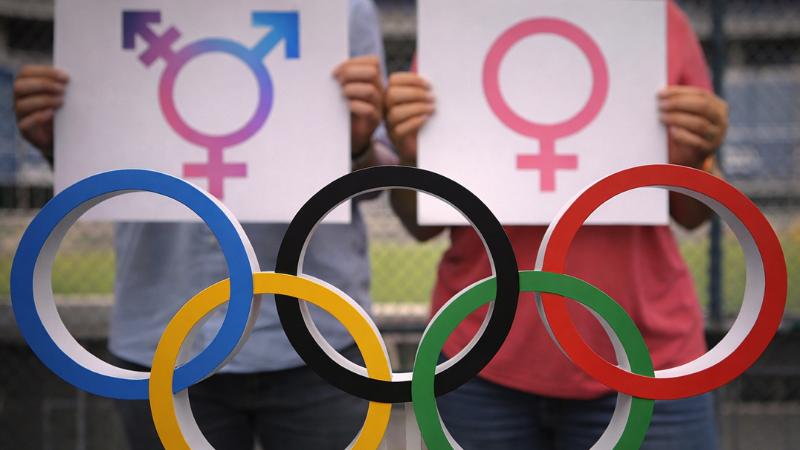
In a significant move on March 26, 2026, the International Olympic Committee (IOC) introduced a new policy that bars transgender women athletes from competing in women’s sports at the Olympics. This policy, which aligns with U.S. President Donald Trump's executive order on women’s sports, is set to take effect during the 2028 Los Angeles Games.
The IOC’s new eligibility guidelines for female Olympic events will restrict participation to "biological females," determined through a one-time screening for the SRY gene, which is typically associated with male characteristics. This decision is seen as a step towards ensuring fairness, safety, and integrity in female categories, particularly in individual and team sports at Olympic events.
While there are no known transgender women competing at the Olympic level in the 2024 Paris Summer Games, the policy will apply starting with the 2028 Olympics. The IOC clarified that this change is not retroactive and will not affect grassroots or recreational sports programs, where inclusivity remains a priority.
The policy also extends to athletes like Caster Semenya, a two-time Olympic champion, who has differences in sex development (DSD). These athletes will also face restrictions, as the IOC emphasizes that being born male provides inherent physical advantages, particularly in sports that require strength, power, or endurance.
The new eligibility policy was the result of a review initiated by IOC President Kirsty Coventry, the first woman to lead the Olympic body in its 132-year history. The move follows a broader trend in major sports, such as track and field, swimming, and cycling, where similar policies already exclude transgender women who have undergone male puberty.
Critics argue that the decision may infringe on the rights of transgender athletes, but the IOC maintains that the move is aimed at preserving the integrity of women’s sports. This ruling has sparked ongoing debates about fairness, inclusivity, and the evolving role of transgender athletes in competitive sports.