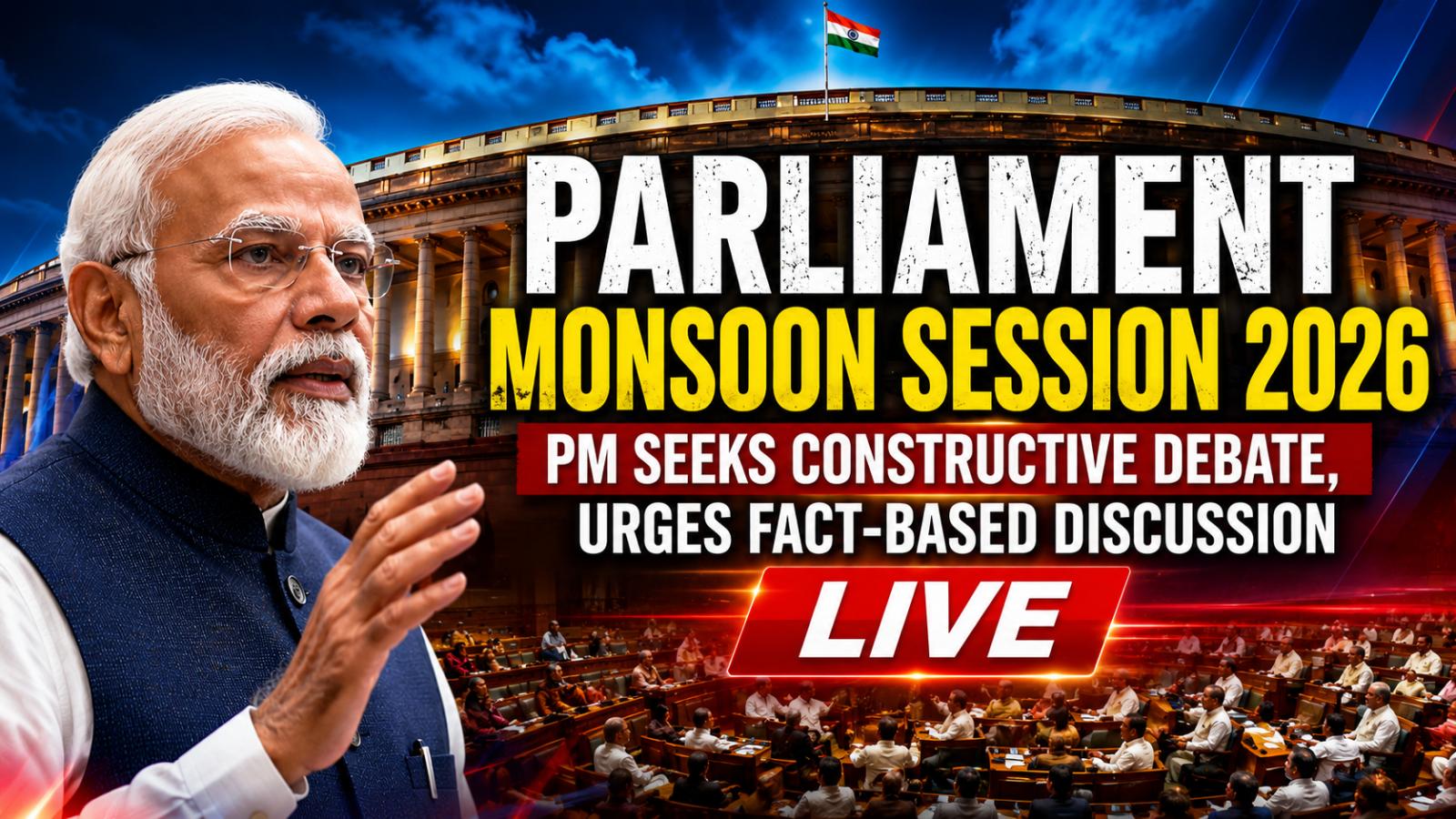
Parliament Monsoon Session 2026 began in New Delhi as Prime Minister Narendra Modi urged lawmakers to hold constructive, fact-based debates and ensure productive proceedings. The Opposition is preparing to raise the NEET-UG paper leak, Sonam Wangchuk’s protest, Ayodhya donation concerns, ethanol policy and other major national issues.
PM Modi Calls for Constructive Parliament Debate
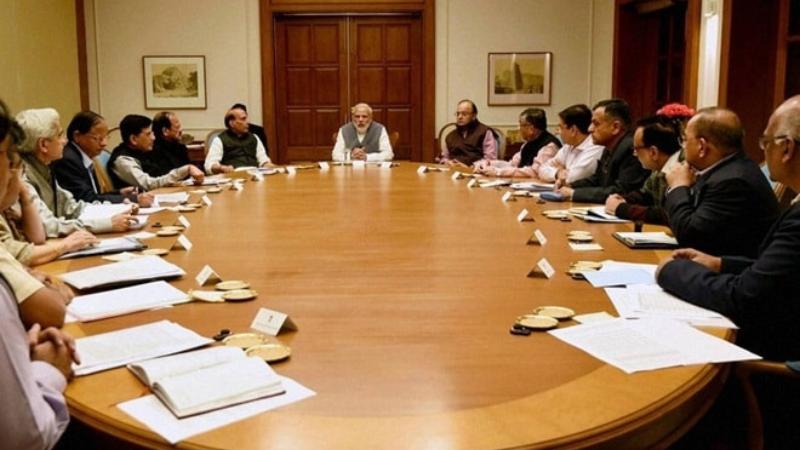
Prime Minister Narendra Modi opened the Parliament Monsoon Session 2026 by urging lawmakers to keep the proceedings productive and constructive. Speaking before the Houses convened, he said meaningful discussion and cooperation were necessary to support India’s development momentum.
The session began amid expectations of sharp exchanges between the government and Opposition. It is scheduled to continue until August 13, with legislative business expected in both Houses. The Centre has sought cooperation for smooth functioning, while Opposition parties are demanding time for major issues.
Opposition Targets Government Over NEET and Wangchuk
Opposition parties are preparing to question the government over the alleged NEET-UG paper leak, Sonam Wangchuk’s hunger strike, ethanol blending, foreign policy and alleged irregularities involving donations linked to the Ayodhya Ram Temple. Congress leaders have sought discussions, arguing that matters involving students and public accountability need attention.
The opening day could test whether both sides can move beyond disruption and hold detailed debates. Security has been tightened around Parliament and central Delhi amid proposed protests. Proceedings may face adjournments if there is no agreement on the timing and scope of discussions.
NDA Numbers and Rebel MPs Shape Session Strategy
The NDA enters the Monsoon Session with improved parliamentary strength after recent defections. Twenty rebel Trinamool Congress MPs have joined the Nationalist Citizens Party of India and indicated support for the ruling alliance. Lok Sabha Speaker Om Birla has allowed them separate seating, although their final formal status remains under consideration.
The Speaker has also approved the merger of six rebel Shiv Sena (UBT) MPs with the Eknath Shinde-led Shiv Sena. These changes improve the government’s floor position, but Constitutional Amendment Bills still require a special majority. Delimitation, women’s reservation implementation and One Nation, One Election are expected to remain sensitive issues.
Vande Mataram Bill Leads Legislative Agenda
A key proposal is the Prevention of Insults to National Honour (Amendment) Bill, 2026, which seeks legal protection for Vande Mataram and penalties for intentional insult or obstruction connected to its singing. Other planned legislation covers income tax, Supreme Court judge strength, births and deaths registration, foreign contributions and MSME development.
The session will test both alliances. The government will try to advance its legislative programme and project stability, while the Opposition will seek accountability on examinations, protests, donations and policy decisions. Whether Parliament delivers the constructive, fact-based debate sought by the Prime Minister will depend on floor coordination and discussion.