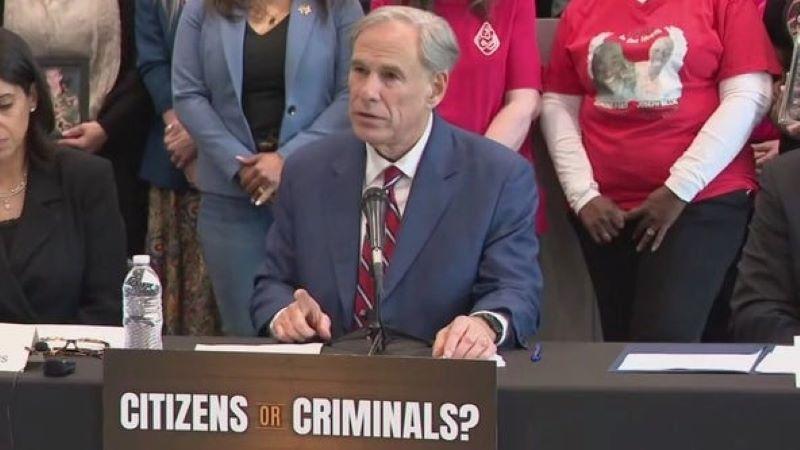
A proposed constitutional amendment backed by Texas Governor Greg Abbott is reigniting debate over how the state handles bail for violent offenders. Abbott says the reform would save lives, while critics warn it could exacerbate jail overcrowding and undermine due process rights. Speaking at a press conference in Houston, Abbott cited a troubling trend in the region: over 200 cases where individuals released on bond for violent charges allegedly killed Texans while awaiting trial. “For too long, violent criminals have gamed the system and returned to our streets sometimes with deadly consequences,” said Abbott. “This amendment gives judges the tools to stop it.”
Currently, under Texas law, nearly all felony defendants are eligible for release on bond, with capital murder as the only exception. The proposed amendment to the Texas Constitution would expand the scope of cases where bail can be denied. Judges would gain the discretion to withhold bail for serious offenses, including murder, aggravated assault with a deadly weapon, and aggravated kidnapping.
The legislation, which Abbott has designated as a priority, would also increase judicial accountability by making judges more answerable to voters regarding their bail decisions. The proposed amendment comes after years of concern about repeat offenders reentering communities while awaiting trial. FOX 26’s long-running investigative series “Breaking Bond” has covered numerous such cases, often highlighting lapses in the current bail system.
Opposition to the measure is mounting from legal advocacy groups and civil rights organizations. The Harris County Criminal Lawyers Association argues that data doesn’t support the narrative being used to push the reform. They say fewer than 0.1% of defendants released on bond commit new crimes before their court dates. Meanwhile, the ACLU of Texas has voiced fears that the proposed change could lead to excessive pretrial detention, especially for low-income defendants who already face hurdles in navigating the legal system.
“This reform risks infringing on fundamental due process rights,” a spokesperson for the ACLU stated. “Locking people up before they’re convicted based on a suspicion can’t be the answer.” Critics also point to Harris County’s already overcrowded jail system, warning that expanding the list of non-bailable offenses could worsen conditions for pretrial detainees and lead to delays in the justice process.
The proposed constitutional amendment still needs approval from Texas lawmakers before it can appear on the ballot. If it clears the legislature, it will be up to voters to decide in a statewide referendum. As the debate unfolds, both supporters and critics agree that reform is needed but differ strongly on what form it should take. For now, Texas residents await the legislature’s decision on whether to put the question to the public.