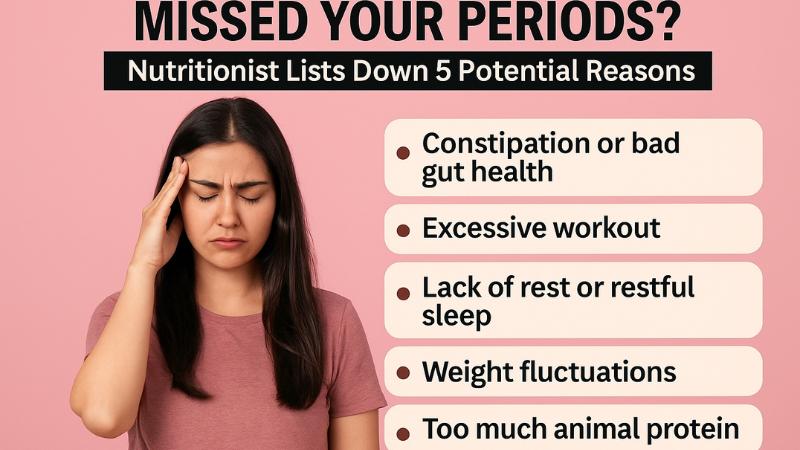
Missed your period and unsure why? If you haven’t experienced stress, changed your diet, or recently travelled, a delayed menstrual cycle can leave you feeling confused and concerned. Nutritionist Lovneet Batra took to Instagram to explain that there are several often-overlooked lifestyle factors that could be disrupting your cycle.
In a post aimed at helping women understand their bodies better, Batra outlines five potential reasons why your period might be late—even if everything else feels normal. These include digestive health, workout routines, sleep quality, weight fluctuations, and protein consumption patterns. Here's what she shared:
1. Constipation or Poor Gut Health
Lovneet Batra highlights gut health as a surprising but common cause behind delayed menstruation. If you're constipated or have irregular bowel movements, it could be a sign your gut microbiome is imbalanced. Diets low in soluble fibre and poor in probiotic or prebiotic-rich foods can lead to an unhealthy gut, which in turn can interfere with hormone regulation. Since the gut plays a role in eliminating excess estrogen, its dysfunction can throw off your cycle.
2. Excessive Exercise
While staying active is good for overall health, overdoing workouts especially high-intensity regimens can trigger stress responses in the body. According to Batra, an unbalanced routine that heavily emphasizes endurance or strength training without adequate rest or variety can lead to hormonal imbalances. The body, in a bid to conserve energy and maintain essential functions, may delay ovulation or menstruation.
3. Poor Sleep or Lack of Rest
Sleep and hormonal health are deeply connected. Poor sleep hygiene or insufficient rest can disrupt the natural hormonal rhythm that governs your menstrual cycle. Lack of quality sleep interferes with the secretion of hormones like melatonin and cortisol, which can in turn affect reproductive hormones such as estrogen and progesterone. Batra suggests focusing on better sleep routines as a foundational step toward regulating menstrual health.
4. Sudden Weight Gain or Loss
Fluctuations in body weight whether gaining or losing a significant amount can delay periods. Your body is highly sensitive to change, and shifts in fat composition or metabolism can disturb the hormonal axis responsible for regulating ovulation. Batra explains that when the body undergoes stress due to rapid changes, it may delay menstruation as a protective mechanism.
5. Excessive Consumption of Animal Protein
A diet heavy in animal protein, particularly when not balanced with plant-based nutrients, may also affect your menstrual cycle. Whether it comes from dairy or meat sources, too much animal protein can create hormonal disturbances, especially if the source quality is poor. Batra cautions women to be mindful of both the amount and origin of their protein intake.
“Every girl faces period issues at some point and a late period without any obvious reason can be super frustrating. Sometimes the real reasons are hidden: sudden weight changes, too much exercise, constipation, or even chronic stress can delay ovulation,” Batra wrote in her Instagram post. Her message is a reminder that menstrual irregularities can often be linked to subtle but impactful lifestyle habits. Rather than jumping to conclusions or panicking, women are encouraged to assess their daily routines and adopt a more balanced, health-conscious approach.
If you're dealing with frequent or unexplained delays in your period, it’s advisable to consult a healthcare professional. However, Batra’s list is a great starting point to reflect on your gut health, physical activity levels, sleep hygiene, diet, and overall wellbeing. Making small but consistent changes such as including fibre-rich foods, moderating intense workouts, improving sleep, and ensuring nutritional balance can support hormonal regulation and promote a healthier, more regular menstrual cycle.