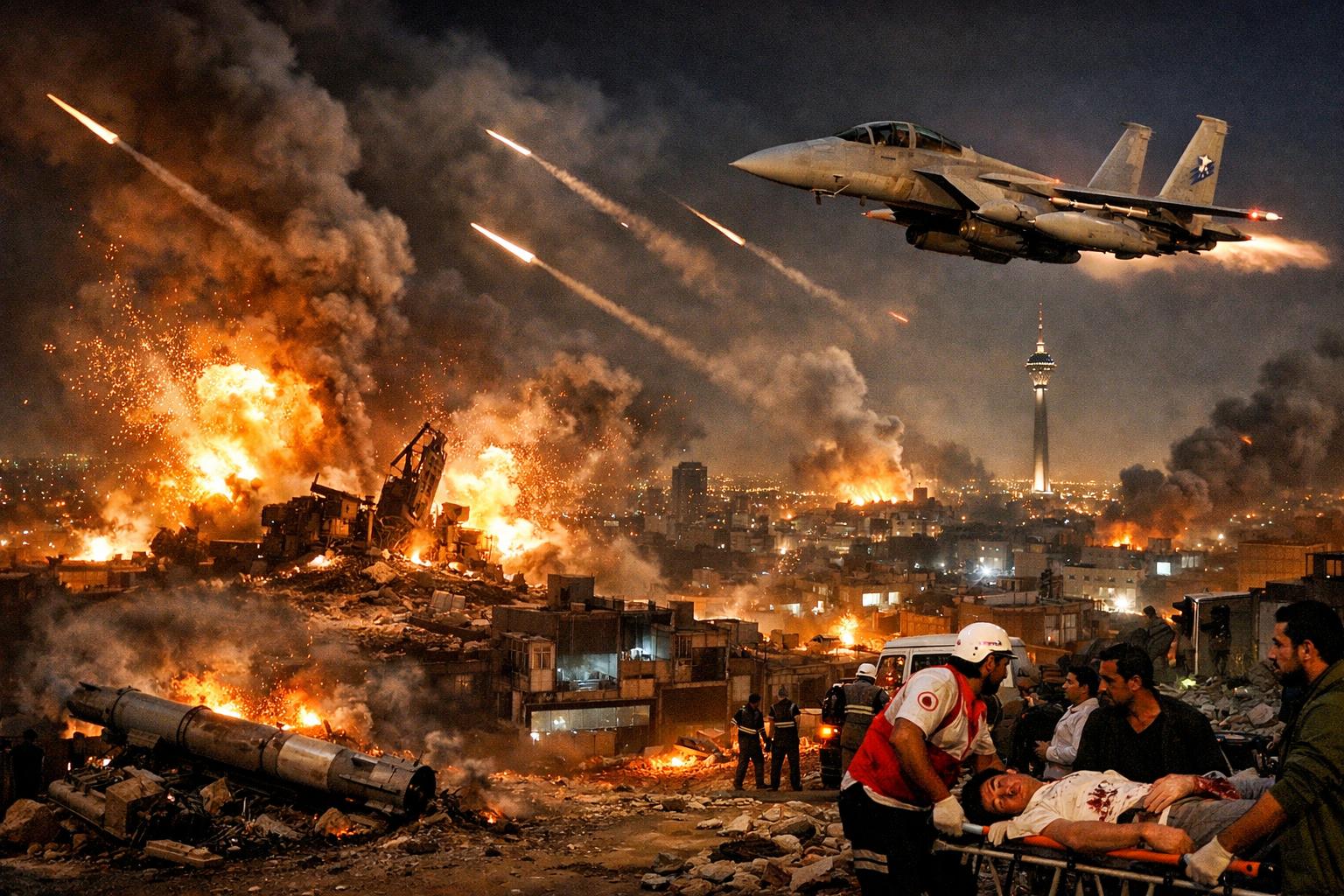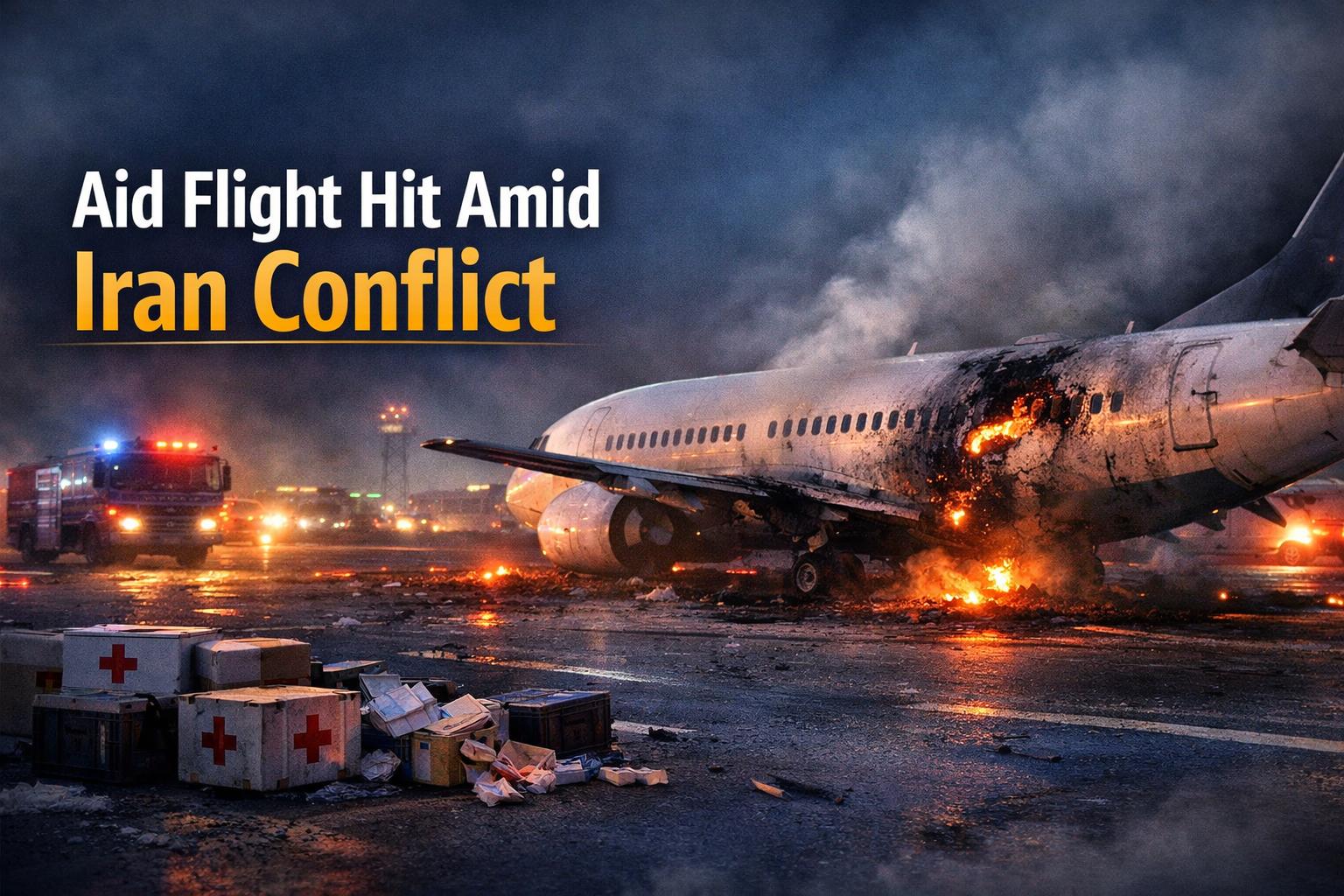
An aircraft bound for India was reportedly damaged in a strike at Mashhad International Airport in Iran on Monday, March 30, 2026, disrupting a planned humanitarian aid mission and drawing sharp condemnation from Iranian authorities. Iranian officials described the incident as a “war crime” and a violation of international law as regional tensions continue to escalate.
The civilian aircraft was stationed on the ground at Mashhad International Airport when it was struck during a reported airstrike. The flight was expected to deliver medical supplies and other humanitarian aid as part of ongoing coordination between India and Iran. The strike disrupted the mission, which had been scheduled to support relief operations, highlighting the vulnerability of civilian aviation in conflict zones.
Iran’s civil aviation authority condemned the reported damage, stating that the aircraft was engaged in a humanitarian mission carrying medicines and medical equipment. Officials cited international legal frameworks, including global aviation and humanitarian law, which classify attacks on civilian flights as serious violations. The authority called for an urgent investigation and accountability for those responsible, emphasizing the protection of civilian aircraft under international law.
The disruption is likely to complicate ongoing aid logistics between India and Iran. Earlier in March, India sent consignments of humanitarian supplies to Iran, reflecting longstanding cooperation in relief efforts. The affected flight was expected to facilitate the transport of additional medical equipment and aid materials.
There has been no confirmation from U.S. authorities regarding the reported strike, and details about the extent of the damage or potential casualties have not been independently verified. The incident underscores broader concerns about the safety of civilian flights and humanitarian missions in areas of military conflict.
International observers note that deliberate attacks on civilian aircraft are prohibited under multiple conventions, and incidents like this raise serious questions about compliance with humanitarian and aviation law. The situation at Mashhad highlights the risks for civil aviation and aid delivery amid ongoing regional hostilities.
The civilian aircraft was stationed on the ground at Mashhad International Airport when it was struck during a reported airstrike. The flight was expected to deliver medical supplies and other humanitarian aid as part of ongoing coordination between India and Iran. The strike disrupted the mission, which had been scheduled to support relief operations, highlighting the vulnerability of civilian aviation in conflict zones.
Iran’s civil aviation authority condemned the reported damage, stating that the aircraft was engaged in a humanitarian mission carrying medicines and medical equipment. Officials cited international legal frameworks, including global aviation and humanitarian law, which classify attacks on civilian flights as serious violations. The authority called for an urgent investigation and accountability for those responsible, emphasizing the protection of civilian aircraft under international law.
The disruption is likely to complicate ongoing aid logistics between India and Iran. Earlier in March, India sent consignments of humanitarian supplies to Iran, reflecting longstanding cooperation in relief efforts. The affected flight was expected to facilitate the transport of additional medical equipment and aid materials.
There has been no confirmation from U.S. authorities regarding the reported strike, and details about the extent of the damage or potential casualties have not been independently verified. The incident underscores broader concerns about the safety of civilian flights and humanitarian missions in areas of military conflict.
International observers note that deliberate attacks on civilian aircraft are prohibited under multiple conventions, and incidents like this raise serious questions about compliance with humanitarian and aviation law. The situation at Mashhad highlights the risks for civil aviation and aid delivery amid ongoing regional hostilities.