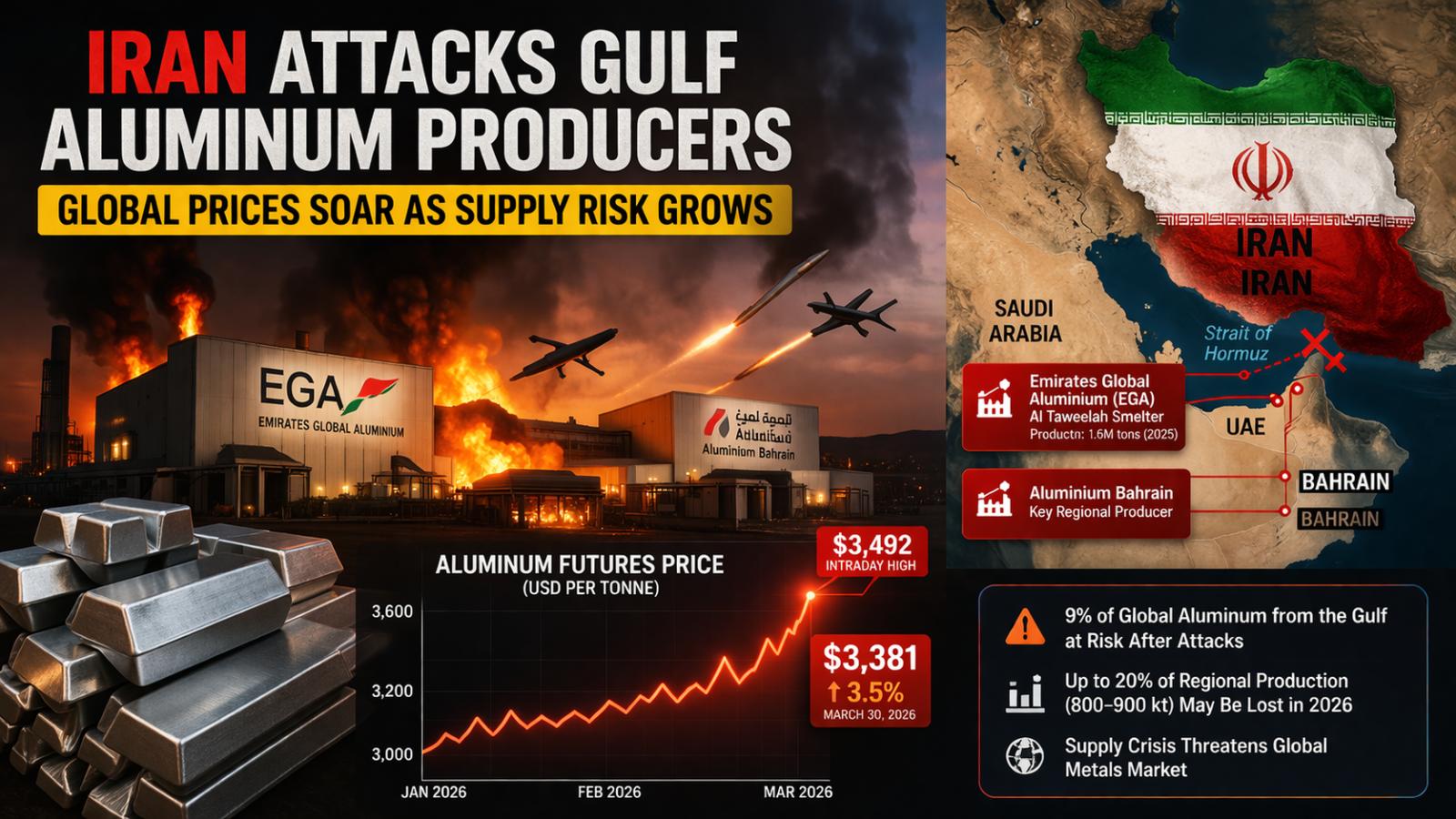
Aluminum prices surged to levels not seen since 2022 following Iranian attacks on two major Gulf producers, stoking concerns of a global supply crisis. On Monday, March 30, 2026, futures initially jumped 5.5% to $3,492 per tonne before easing to $3,381 per tonne by the afternoon, still 3.5% higher. Since the escalation began on February 28, aluminum has gained roughly 10%, despite a brief pullback last week amid broader market fears of a global recession.
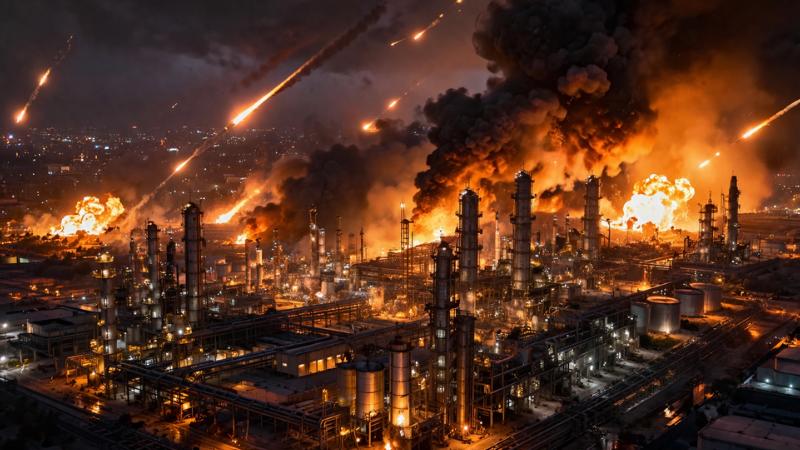
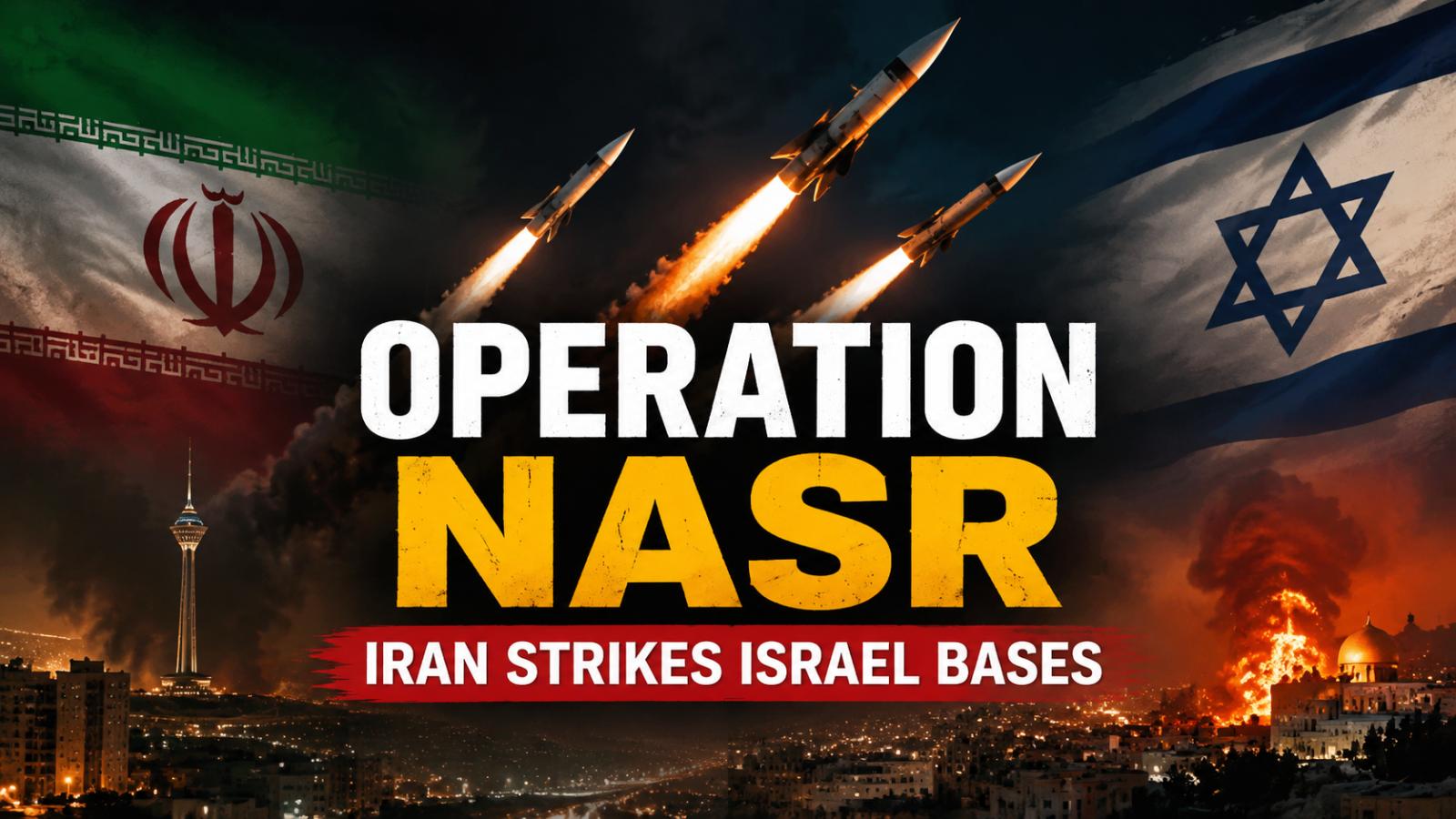
The attacks targeted Emirates Global Aluminium (EGA) and Aluminium Bahrain, two of the region’s largest producers, using drones and missiles over the weekend. EGA reported significant damage to its Al Taweelah smelter, with several injuries among staff. The company stated that assessing the facility’s damage and ensuring personnel safety remain top priorities. The smelter produced 1.6 million tons of cast aluminum in 2025, highlighting its importance to global supply.
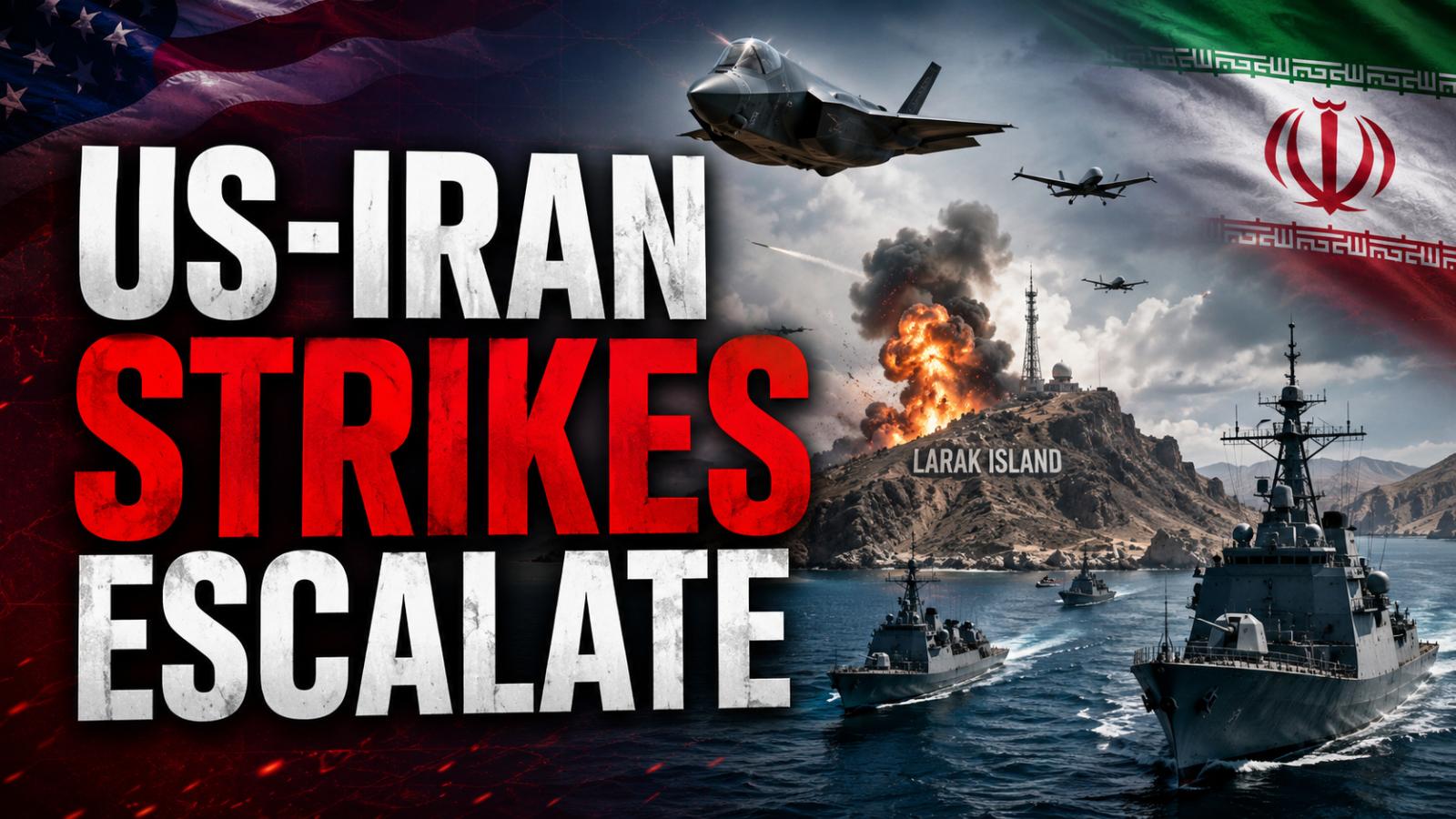
Around 9% of worldwide aluminum comes from the Gulf, much of which has faced export restrictions since Iran effectively closed the Strait of Hormuz. Analysts warn that the strikes could intensify supply disruptions and push the market toward a full-year deficit. Some projections estimate that up to 20% of current regional production—roughly 800 to 900 kilotons in 2026—may be lost if the damage proves lasting.
Aluminum plays a crucial role across multiple industries, including electronics, transportation, construction, solar panels, and packaging. China, the world’s largest producer, maintains production at about 45.5 million tons per year to reduce emissions and prevent overcapacity. While some analysts believe China could unlock additional supply by restarting idle smelters, others caution that its capacity to increase output is limited, leaving the global market exposed to further shocks, particularly if the conflict affects other metal supply chains.
The unfolding situation in the Gulf underscores the vulnerability of industrial metals to geopolitical tensions, with implications for manufacturers and global trade alike.
The attacks targeted Emirates Global Aluminium (EGA) and Aluminium Bahrain, two of the region’s largest producers, using drones and missiles over the weekend. EGA reported significant damage to its Al Taweelah smelter, with several injuries among staff. The company stated that assessing the facility’s damage and ensuring personnel safety remain top priorities. The smelter produced 1.6 million tons of cast aluminum in 2025, highlighting its importance to global supply.
Around 9% of worldwide aluminum comes from the Gulf, much of which has faced export restrictions since Iran effectively closed the Strait of Hormuz. Analysts warn that the strikes could intensify supply disruptions and push the market toward a full-year deficit. Some projections estimate that up to 20% of current regional production—roughly 800 to 900 kilotons in 2026—may be lost if the damage proves lasting.
Aluminum plays a crucial role across multiple industries, including electronics, transportation, construction, solar panels, and packaging. China, the world’s largest producer, maintains production at about 45.5 million tons per year to reduce emissions and prevent overcapacity. While some analysts believe China could unlock additional supply by restarting idle smelters, others caution that its capacity to increase output is limited, leaving the global market exposed to further shocks, particularly if the conflict affects other metal supply chains.
The unfolding situation in the Gulf underscores the vulnerability of industrial metals to geopolitical tensions, with implications for manufacturers and global trade alike.