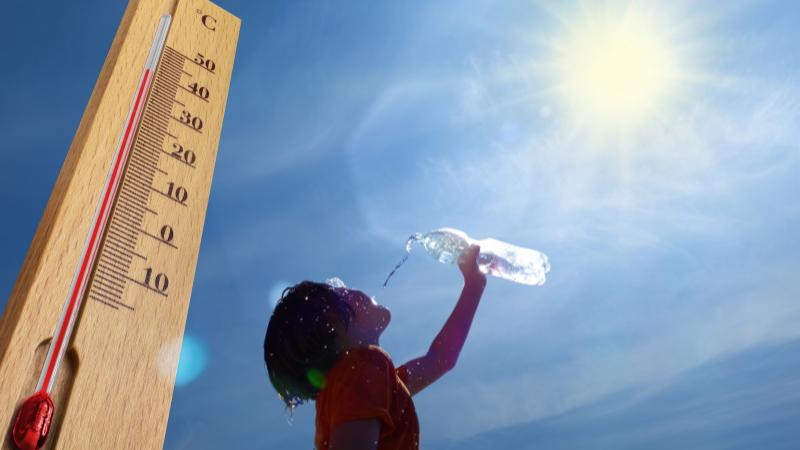
A dangerous and prolonged heat wave has settled over New Jersey, with residents facing hazardous conditions through midweek. Authorities have issued an extreme heat warning effective through Wednesday, urging residents to take immediate precautions as the heat index climbs above 100 degrees across much of the state.
Beginning Monday, both daytime highs and nighttime lows are expected to remain well above seasonal averages. In several areas, temperatures may reach the triple digits, especially in inland and urban zones where heat tends to accumulate. With humidity levels remaining high, the heat index—how hot it actually feels when humidity is factored in—will exceed safe thresholds for extended periods.
Health officials are especially concerned about the potential impact on vulnerable populations, including the elderly, young children, and individuals with chronic health conditions. The risk of heat exhaustion and heatstroke is significantly elevated. Residents are strongly advised to stay indoors during peak afternoon hours, seek air-conditioned environments, and hydrate regularly. Pets should not be left outside or in vehicles, as conditions can become deadly in minutes.
Adding to the danger is worsening air quality, which has reached levels considered unhealthy for sensitive groups. The combination of stagnant air and high temperatures traps pollutants near the ground, exacerbating respiratory issues for people with asthma or other lung conditions. Officials recommend limiting strenuous outdoor activity, especially during midday and early afternoon when conditions are at their worst.
Relief from the heat is not expected until the end of the week. Forecasts indicate that by Thursday, the region may see increased cloud cover and the possibility of scattered thunderstorms. While these storms could provide temporary cooling and some moisture, they also bring the risk of lightning, strong winds, and localized flooding in areas that receive heavy rainfall.
The current weather pattern is part of a broader trend of increasingly intense summer heat waves that climate experts say are becoming more frequent due to shifting climate dynamics. Communities are being urged to prepare for longer periods of high heat in the years ahead by expanding access to cooling centers, enhancing public alert systems, and encouraging long-term resilience planning.
In the meantime, New Jersey residents are reminded to follow public health guidance: avoid unnecessary outdoor activity during the hottest parts of the day, wear light-colored and loose-fitting clothing, use fans or air conditioning when possible, and check in on neighbors who may need assistance. Local emergency services are on heightened alert and are prepared to respond to heat-related emergencies.
This week’s extreme heat is a stark reminder of the power of weather and the importance of community awareness and preparedness. Officials continue to monitor the situation closely and will update the public with new advisories as needed. Residents are encouraged to stay informed and take the threat seriously to ensure their own safety and the well-being of those around them.
Beginning Monday, both daytime highs and nighttime lows are expected to remain well above seasonal averages. In several areas, temperatures may reach the triple digits, especially in inland and urban zones where heat tends to accumulate. With humidity levels remaining high, the heat index—how hot it actually feels when humidity is factored in—will exceed safe thresholds for extended periods.
Health officials are especially concerned about the potential impact on vulnerable populations, including the elderly, young children, and individuals with chronic health conditions. The risk of heat exhaustion and heatstroke is significantly elevated. Residents are strongly advised to stay indoors during peak afternoon hours, seek air-conditioned environments, and hydrate regularly. Pets should not be left outside or in vehicles, as conditions can become deadly in minutes.
Adding to the danger is worsening air quality, which has reached levels considered unhealthy for sensitive groups. The combination of stagnant air and high temperatures traps pollutants near the ground, exacerbating respiratory issues for people with asthma or other lung conditions. Officials recommend limiting strenuous outdoor activity, especially during midday and early afternoon when conditions are at their worst.
Relief from the heat is not expected until the end of the week. Forecasts indicate that by Thursday, the region may see increased cloud cover and the possibility of scattered thunderstorms. While these storms could provide temporary cooling and some moisture, they also bring the risk of lightning, strong winds, and localized flooding in areas that receive heavy rainfall.
The current weather pattern is part of a broader trend of increasingly intense summer heat waves that climate experts say are becoming more frequent due to shifting climate dynamics. Communities are being urged to prepare for longer periods of high heat in the years ahead by expanding access to cooling centers, enhancing public alert systems, and encouraging long-term resilience planning.
In the meantime, New Jersey residents are reminded to follow public health guidance: avoid unnecessary outdoor activity during the hottest parts of the day, wear light-colored and loose-fitting clothing, use fans or air conditioning when possible, and check in on neighbors who may need assistance. Local emergency services are on heightened alert and are prepared to respond to heat-related emergencies.
This week’s extreme heat is a stark reminder of the power of weather and the importance of community awareness and preparedness. Officials continue to monitor the situation closely and will update the public with new advisories as needed. Residents are encouraged to stay informed and take the threat seriously to ensure their own safety and the well-being of those around them.