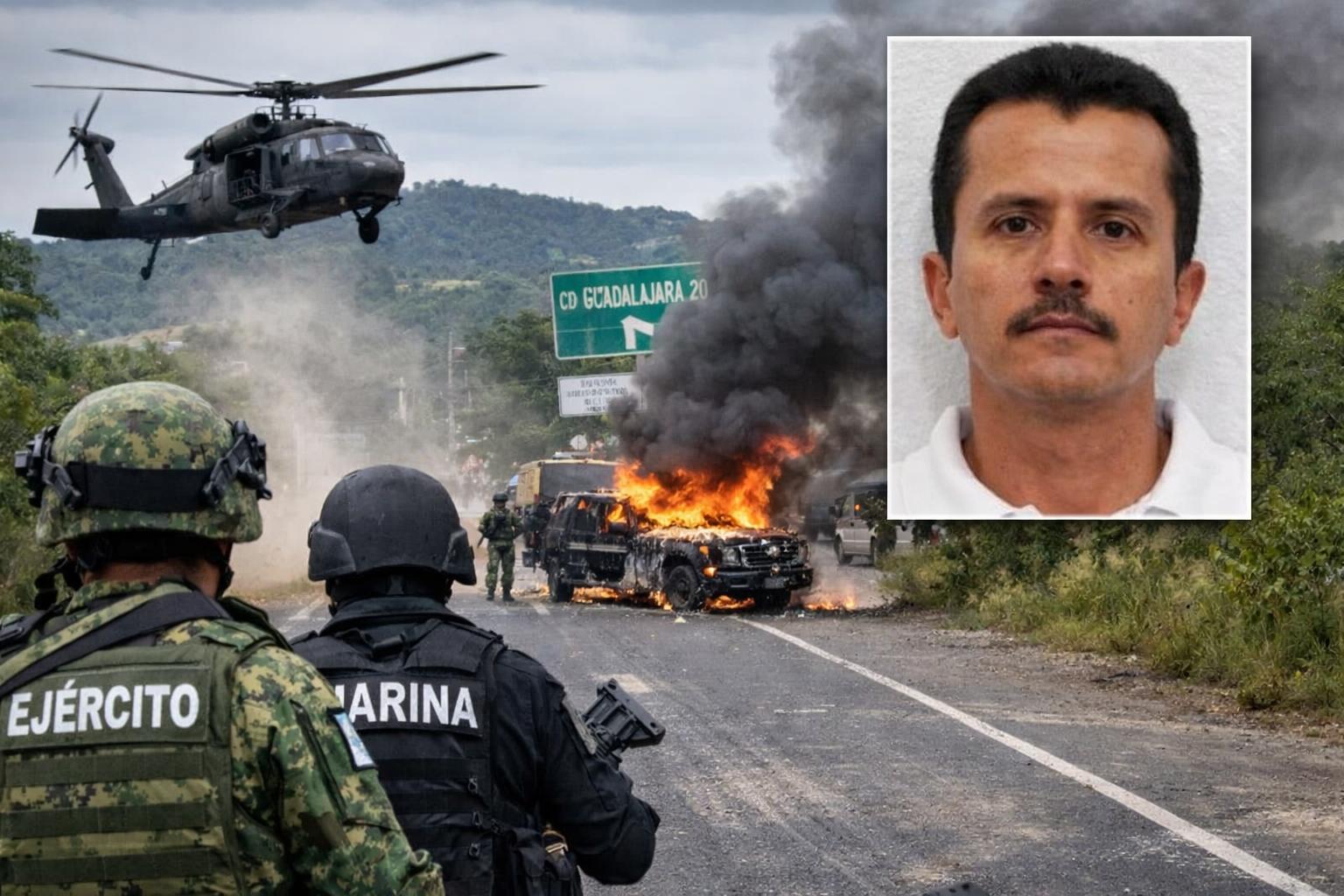
Nemesio Rubén Oseguera Cervantes, widely known as “El Mencho” and long regarded by authorities as one of the world’s most dangerous drug cartel leaders, has been killed during a Mexican military operation in the western state of Jalisco, officials confirmed Sunday. According to a statement from Mexico’s Defense Ministry, the CJNG chief was shot while troops attempted to capture him and later died while being transported to Mexico City.
Cervantes led the Jalisco New Generation Cartel (CJNG), an organization authorities say became one of the most powerful and aggressive criminal groups operating in Mexico and the United States. The cartel has been heavily linked to large-scale fentanyl trafficking, methamphetamine production and cocaine distribution into major U.S. markets, including Chicago. U.S. prosecutors had previously charged Cervantes with overseeing a vast drug trafficking network responsible for violence, murders and billions of dollars in illicit profits.
The U.S. Justice Department had placed a $15 million bounty on Cervantes, reflecting his status as a top priority target. Federal indictments had been filed against him in Chicago, Mississippi and Washington, D.C., alleging leadership of a transnational criminal enterprise. The Drug Enforcement Administration has long assessed the CJNG as a dominant force comparable to the Sinaloa Cartel, with an operational footprint spanning all 50 U.S. states.
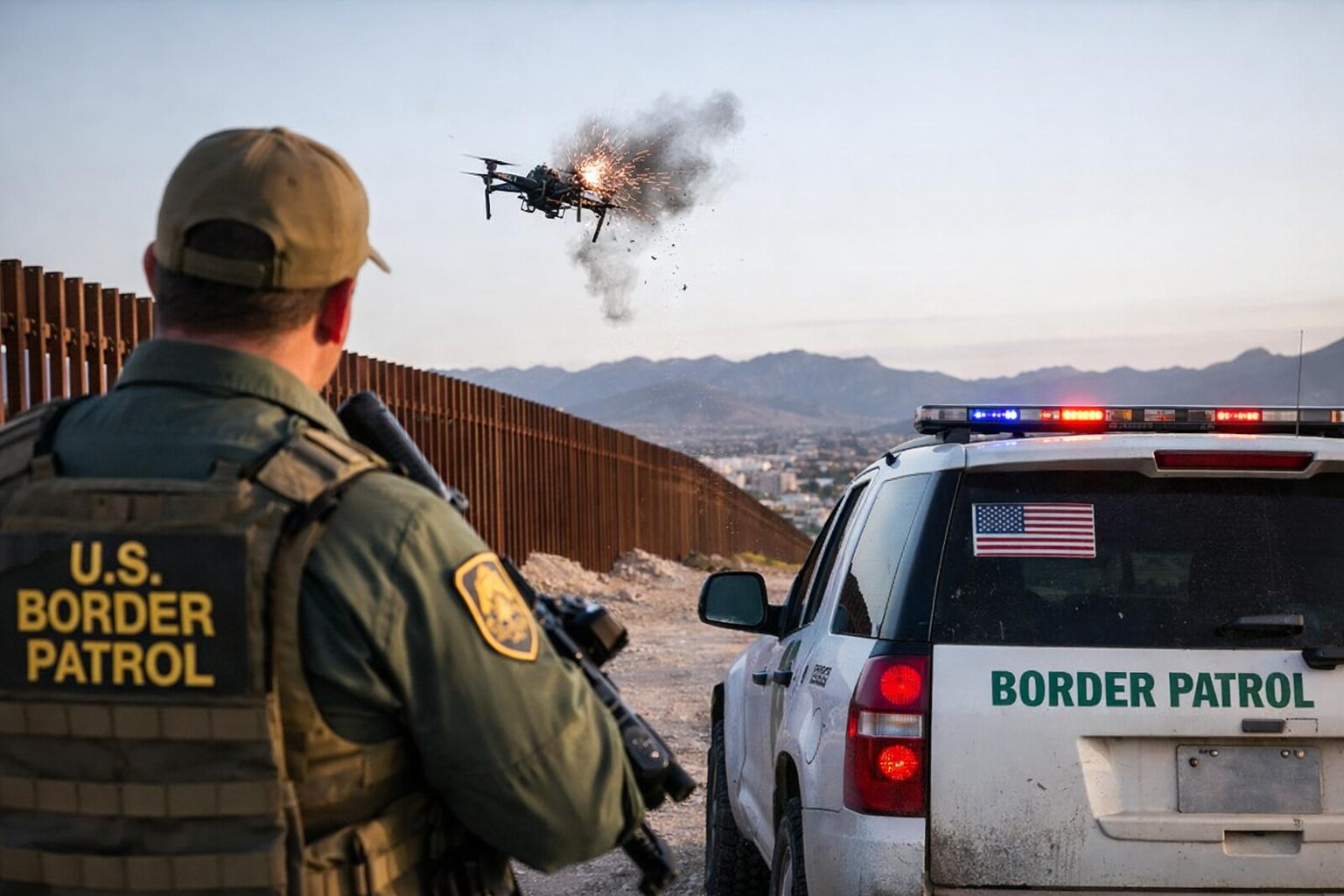
Security analysts have noted that the CJNG distinguished itself through increasingly sophisticated and violent tactics. The group has repeatedly confronted Mexican armed forces, including attacks on military helicopters, and has pioneered the use of explosive devices launched from drones as well as roadside mines. In 2020, the cartel carried out a high-profile assassination attempt in central Mexico City targeting the capital’s police chief using grenades and heavy weapons.
Following confirmation of Cervantes’ death, authorities reported widespread disturbances across at least nine Mexican states, including Jalisco and Veracruz. Officials said suspected cartel members erected roadblocks, torched vehicles and set fire to buildings and gas stations in what appeared to be coordinated retaliation. Such tactics are commonly used by organized crime groups to disrupt military movements and assert territorial control during major security operations.
The unrest prompted aviation disruptions, with Air Canada and United Airlines reportedly suspending flights to Puerto Vallarta. Meanwhile, the U.S. State Department issued shelter-in-place warnings for several high-risk areas, including parts of Jalisco, Tamaulipas, Michoacán, Guerrero and Nuevo León, citing potential security threats linked to cartel activity.
The development comes less than a year after Cervantes’ son, Rubén Oseguera González, was sentenced to life in prison in the United States, a move experts said significantly pressured the cartel’s leadership structure. Former DEA Chicago special agent in charge Jack Riley said the latest development could further destabilize the organization.
“This sent shockwaves through El Mencho’s organization,” Riley said, adding that authorities will closely monitor whether the power vacuum triggers additional violence or rivalries within Mexico’s criminal landscape.
Security officials on both sides of the border are now assessing the potential impact of Cervantes’ death on drug trafficking routes, cartel violence and ongoing law enforcement operations, as Mexico’s long-running battle against powerful criminal networks enters a new and uncertain phase.