- globetrotter
- 14 Aug 2025
- #Education & Training #AlumRockSchools #GermanCerda #SuperintendentFiring #BoardReimbursements #SchoolBudgetDeficit #AndresQuintero #EastSanJose #CaliforniaSchools #SchoolOversight #FinancialMisconduct #BoardTraining #EducationFunding #SchoolClosures #StudentPrograms #LocalNews
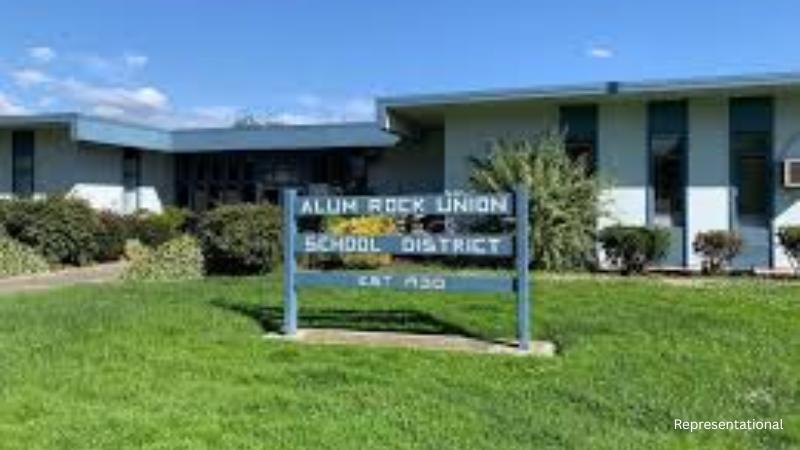
A former superintendent of the Alum Rock Union School District in East San Jose is speaking out about what he describes as an abrupt and unjust firing. German Cerda, who was appointed to lead the district in September 2024 after the termination of his predecessor, said his dismissal on July 31 was the result of challenging board members over questionable reimbursements and improper use of district funds. Cerda’s tenure lasted less than a year, and he maintains that his push for financial accountability was the central reason for his removal.
Cerda explained that the district, already reeling from a $20 million budget deficit brought on by the loss of pandemic relief funding and declining enrollment, could ill afford questionable expenditures. Enrollment has dropped from more than 10,000 students in the 2015-16 academic year to a projected 7,270 for 2024-25. The financial strain led the board to vote last year to close six schools, a move aimed at stabilizing the district’s budget. Against that backdrop, Cerda said he was troubled to find thousands of dollars in reimbursements and expenditures that he felt should not have been approved, prompting him to seek repayment from certain trustees.
One of the most contentious issues involved Board Vice President Andres Quintero, who Cerda alleges received more than $27,000 in reimbursements for an online doctoral program with the University of the Cumberlands. In addition, Cerda claimed Quintero owed the district $5,000 in unpaid health benefits premiums, pointing out that trustees are required to contribute 15 percent toward their health coverage. According to Cerda, such lapses violated education code and deprived the district of resources better spent on student programs.
Cerda also pointed to instances where two other board members, whose names he withheld, allegedly used district funds to purchase $200 tickets for a local education foundation fundraising dinner. He demanded that both trustees repay the money, and while one complied, the other did not. In that case, Cerda sought repayment not only for multiple years of dinner tickets but also for other event expenses he considered inappropriate for public funds.
Following his termination, the district released a statement noting that past reimbursement requests, including those submitted by Quintero, had been approved by previous superintendents and authorized by the district’s business services staff. The statement added that the district is reviewing the total amounts reimbursed and whether any funds were used for attendance at community fundraising events. It also emphasized that trustees are encouraged to participate in training offered by accredited institutions to enhance governance skills, with funding for such training budgeted annually.
Cerda, however, argued that board policy specifies training should be directly related to governance and educational issues, not personal academic pursuits like graduate degree programs. He stressed that trustees should report their coursework and training to maintain transparency. In his view, using public funds for unrelated academic degrees diverts money from the classrooms and undermines trust.
With a three-decade career in education, Cerda’s background includes a bachelor’s degree in Chicano studies from UC Santa Barbara and more than two decades with the Los Angeles Unified School District, where he served as a teacher, counselor, principal, and instructional director. He chose to work at challenging campuses such as Edwin Markham Middle School in Watts, drawn by the chance to help struggling students and improve performance in schools with high suspension rates. Before joining Alum Rock, he served as assistant superintendent of educational services in the Campbell Union High School District.
Reflecting on his career and the recent controversy, Cerda said he has always sought out districts where he could make a difference, citing his own experience growing up in an under-resourced community and the positive impact caring educators had on his life. He expressed frustration that his commitment to fiscal responsibility and student-centered priorities may have cost him his job. In his view, spending hundreds of thousands of dollars to terminate his contract, while the district remains in financial crisis, is a misuse of taxpayer funds that could have supported after-school programs, additional teaching positions, and campus leadership roles.
Cerda has indicated he may take his concerns to the District Attorney’s Office, calling for deeper oversight of the district’s financial practices. He believes the issues he uncovered highlight a need for greater accountability and stronger internal controls to ensure public funds are used appropriately and in ways that directly benefit students. While the district reviews its reimbursement policies and past approvals, Cerda’s allegations continue to cast a shadow over its governance and raise questions about how a district facing severe budget shortfalls allocates its limited resources.