The human papillomavirus (HPV) vaccine has become a crucial tool in preventing HPV-related cancers, including cervical cancer, throat cancer, and other cancers caused by the virus. For Indian teens living abroad, understanding the HPV vaccine guidelines in their respective countries is important to ensure they are fully protected. Although the HPV vaccine is not a routine part of India’s vaccination schedule, it is strongly recommended for teens worldwide, particularly for those who are living in countries where it is part of the national immunization program.
Why is the HPV Vaccine Important?
HPV is a group of more than 200 related viruses, some of which can cause certain types of cancer. The HPV vaccine helps protect against the most dangerous strains of the virus, reducing the risk of developing cancers like cervical, anal, and throat cancer later in life. In many developed countries, HPV vaccination is routinely given to adolescents, both boys and girls, around the ages of 11-12. The vaccine is most effective when administered before the onset of sexual activity, as it provides the best protection when a person has not yet been exposed to the virus.
HPV Vaccine Recommendations for Indian Teens Living Abroad
For Indian teens living abroad, the HPV vaccine is usually available as part of the local immunization schedule. While India does not universally include the HPV vaccine in its routine immunization schedule, many countries, including the United States, the UK, Canada, Australia, and several European nations, recommend it for pre-teens and teenagers.
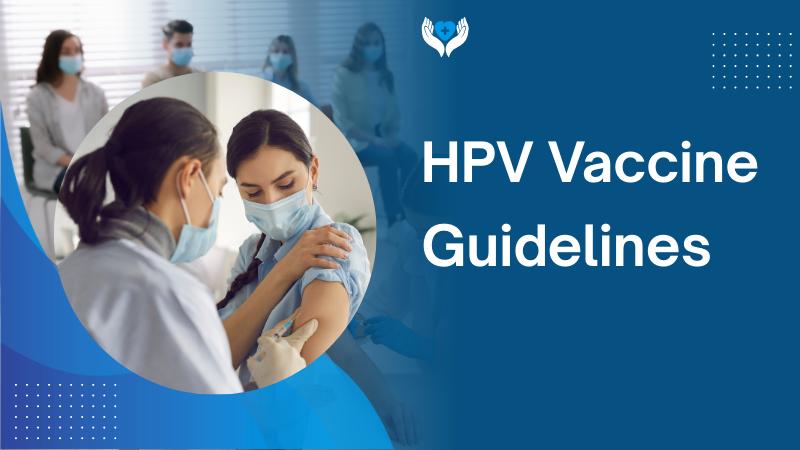
In countries like the U.S. and the UK, the HPV vaccine is typically given at the age of 11 or 12, although it can be administered as early as 9 years old. The vaccine is typically offered in two or three doses, depending on the age at which the vaccine is started. Teens who start the vaccine series later, around 15 years of age or older, are generally required to receive three doses. The vaccine is given as an injection into the arm, and the entire vaccination schedule is completed over several months.
For Indian teens residing abroad, it is important to check with local health authorities or the family doctor to understand the specific vaccination protocol in their host country. Since different countries may have slightly different recommendations regarding the timing and number of doses, consulting a healthcare provider ensures that the teen receives the proper vaccine dosage.
Age Eligibility and Vaccine Schedule
The ideal age for receiving the HPV vaccine is between 9 and 12 years. Most countries recommend that children receive the vaccine at this age, as the immune response is strongest during this period. In some countries, the HPV vaccine is given to older teens, up to age 26, if they missed it during the recommended age window. However, the vaccine is less effective when administered to individuals who have already been exposed to HPV.
If an Indian teen is living abroad and falls into an age group that requires a three-dose schedule (typically for those starting the vaccine at ages 15 or older), it is crucial to complete all doses to ensure maximum protection. Some countries also allow catch-up vaccination for older adolescents and young adults, so even if the vaccine has been missed, it is still possible to receive it.
Cultural and Social Considerations for Indian Teens
While the HPV vaccine is widely accepted in many countries, it may not be as commonly discussed in India. Parents of Indian teens living abroad should be aware that some cultural or social factors might influence decisions about vaccination. In some cultures, the discussion around vaccines like HPV may involve concerns about the association with sexual activity. However, it is important to note that the HPV vaccine is a cancer-prevention tool and not solely related to sexual health. It is essential for parents to have open discussions with healthcare providers to better understand the benefits of vaccination for their teens.
Where to Get the HPV Vaccine
In countries where the HPV vaccine is part of the national immunization program, it is usually available at local health clinics, schools, and pediatricians' offices. Indian teens living abroad should consult with their family doctor or health provider to find out how to access the vaccine. In some countries, the vaccine may be provided for free as part of public health initiatives, while in others, it may be available for a fee.
For Indian teens living in countries where the HPV vaccine is not part of the national schedule, they may still be able to get vaccinated at local clinics or through private healthcare providers. Many countries have guidelines allowing for access to the vaccine outside the national immunization schedule for those who want it.
For Indian teens living abroad, the HPV vaccine is an important step in cancer prevention. By understanding the vaccine guidelines of their host country and ensuring that they receive the vaccine at the appropriate age, parents can provide their teens with long-lasting protection against HPV-related cancers. Although the HPV vaccine is not currently part of India’s universal immunization schedule, it is available in many countries and is highly recommended for teens. By seeking guidance from local healthcare providers and following the vaccination schedule, Indian teens abroad can take advantage of this critical vaccine and reduce their future health risks.