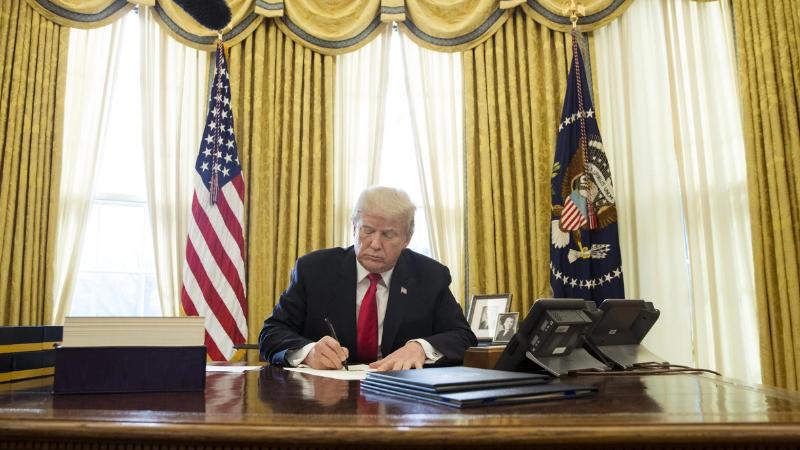
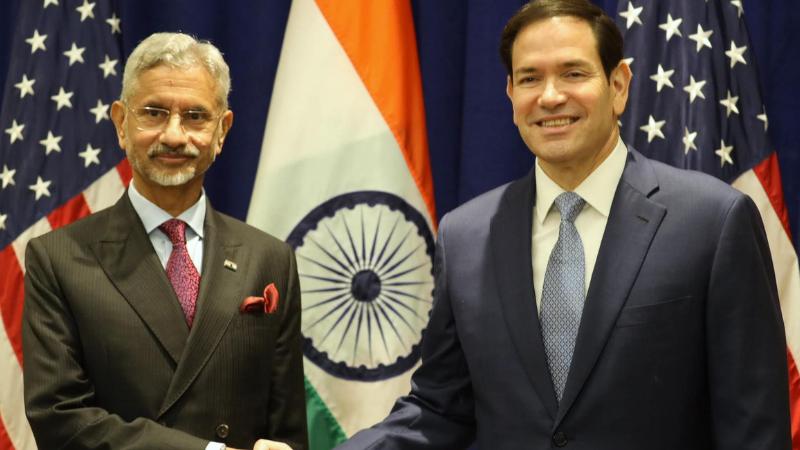
Senior Republicans are expressing growing concern about the political landscape ahead of the upcoming midterm elections, as internal polling and recent contests suggest that Democrats could make significant gains in both chambers of Congress. Party strategists warn that a surge in Democratic voter enthusiasm could threaten not only control of the House but also the party’s narrow hold on the Senate, raising the stakes for an election cycle already viewed as pivotal for President Donald Trump’s final years in office.
According to lawmakers and advisers familiar with the data, private surveys indicate that voter sentiment has shifted in several competitive states, with independents and moderate voters increasingly critical of the administration’s handling of economic conditions and immigration enforcement. While Republicans currently maintain a 53-47 advantage in the Senate, even a modest swing could erase that margin. With Democrats needing a net gain of four seats to reclaim control, strategists say several Republican-leaning states are now firmly in play.
President Trump has cautioned allies that losing the House could open the door to renewed investigations and the possibility of another impeachment effort. Party leaders also acknowledge that a Democratic takeover of the Senate would dramatically limit the administration’s legislative agenda, judicial confirmations, and broader influence over federal policy. As a result, the midterms are increasingly being framed within Republican circles as a referendum not only on Congress but on the president’s governing approach.
Recent electoral setbacks have intensified these worries. A closely watched special election in North Texas saw a Democratic candidate capture a state Senate seat in a district Trump had previously won comfortably. The upset has been described by several GOP senators as a warning sign that traditional strongholds may no longer be secure. Party officials view the result as evidence that turnout dynamics and shifting voter priorities could reshape races once considered safe.
Battleground-state senators have also raised alarms during internal discussions. Lawmakers from Maine and North Carolina, among others, have cautioned colleagues that dissatisfaction with rising costs of living and strict border policies is resonating beyond the Democratic base. They argue that without a clear economic message and improved outreach to independents, the party risks losing ground in suburban and swing districts that often determine control of Congress.
Republican leaders are now emphasizing the importance of mobilizing their core supporters. In Texas, Sen. Ted Cruz characterized the recent defeat in Tarrant County as a difficult outcome and stressed that strong turnout will be critical in November. Still, many strategists concede that enthusiasm gaps and evolving demographics could complicate those efforts.
With control of the House, Senate seats, and the broader balance of power at stake, both parties are preparing for an intensely competitive campaign season. For Republicans, the coming months may determine whether they can preserve their congressional majority or face a political shift that reshapes the final stretch of the Trump presidency.


 Joyful
0%
Joyful
0%
 Cool
0%
Cool
0%
 Thrilled
0%
Thrilled
0%
 Upset
0%
Upset
0%
 Unhappy
0%
Unhappy
0%