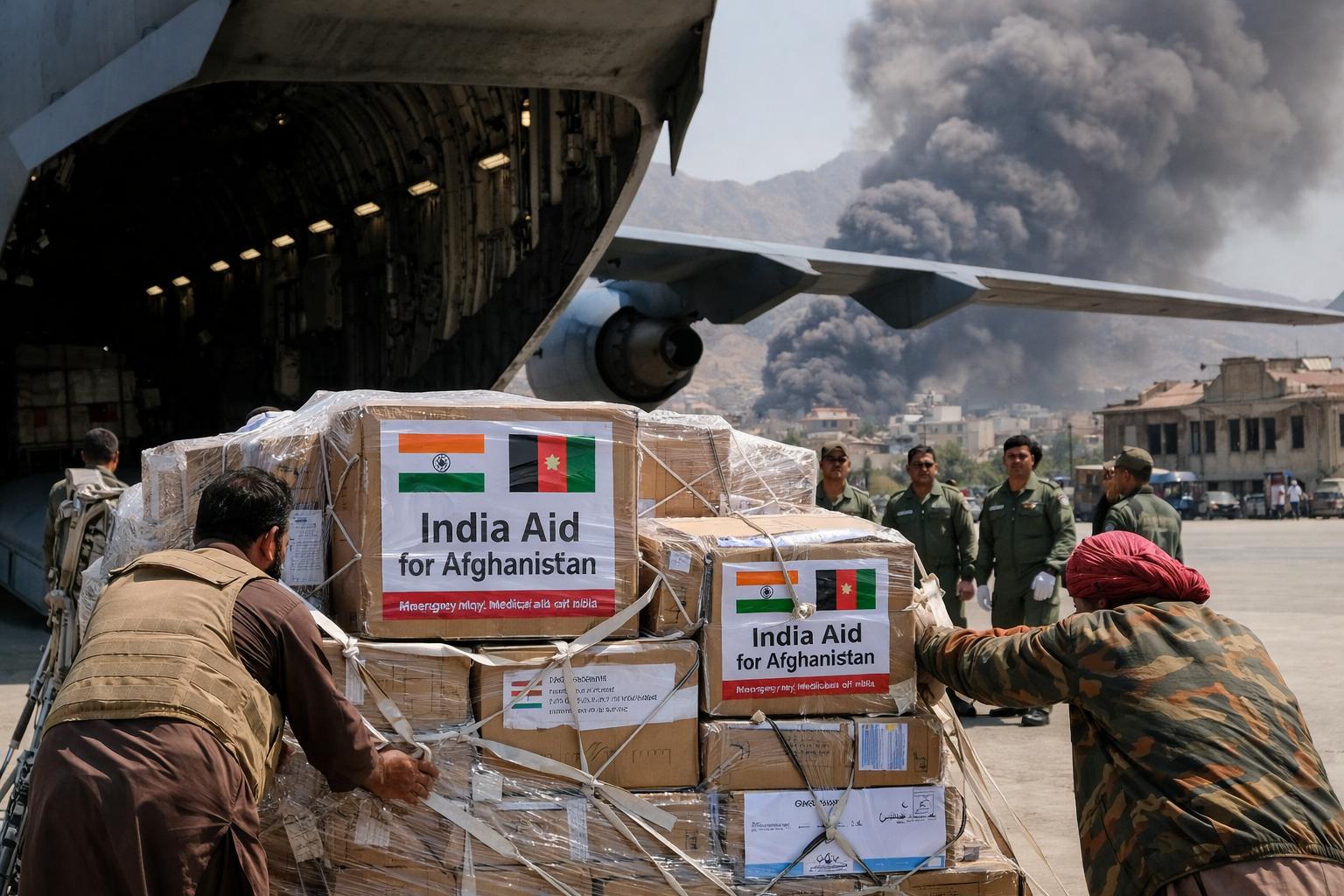
India has dispatched a 2.5-ton consignment of emergency medicines, medical disposables, kits, and equipment to Afghanistan to assist victims of a devastating airstrike in Kabul that claimed more than 400 lives and left over 250 injured. The humanitarian aid was delivered on March 20 as part of India’s continued support for the Afghan people during a period of crisis.
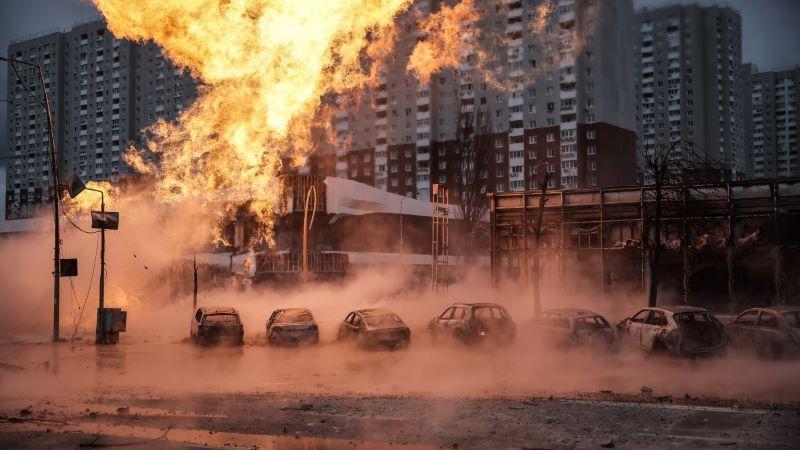
According to officials, the supplies are intended to support the treatment and recovery of those affected by the March 16 attack on a drug addiction treatment facility in Kabul. The strike targeted the Omid Drug Addiction Treatment Hospital, which Afghan authorities described as housing one of the most vulnerable sections of society. The incident has drawn widespread condemnation due to the high number of civilian casualties.
India strongly criticized the airstrike, calling it a barbaric and unjustifiable act of violence against civilians. In an official statement, New Delhi emphasized that a medical facility cannot be considered a legitimate military target and reaffirmed its solidarity with Afghanistan. The government reiterated its commitment to providing humanitarian assistance and helping address the immediate needs arising from the crisis.
Afghanistan confirmed that over 408 individuals undergoing treatment at the facility were killed, while more than 265 sustained injuries. The scale of the casualties has intensified regional tensions and raised concerns about escalating conflict in South Asia. Afghan leaders have condemned the attack and indicated that while diplomatic efforts remain a priority, a response to the incident is under consideration.
Amid rising tensions, Pakistan and Afghanistan have announced a temporary ceasefire following mediation efforts by international partners. The pause in hostilities coincides with the Eid al-Fitr period, although officials have warned that military operations could resume if security conditions deteriorate. Both sides continue to exchange accusations regarding cross-border militancy, further complicating the fragile situation in the region.