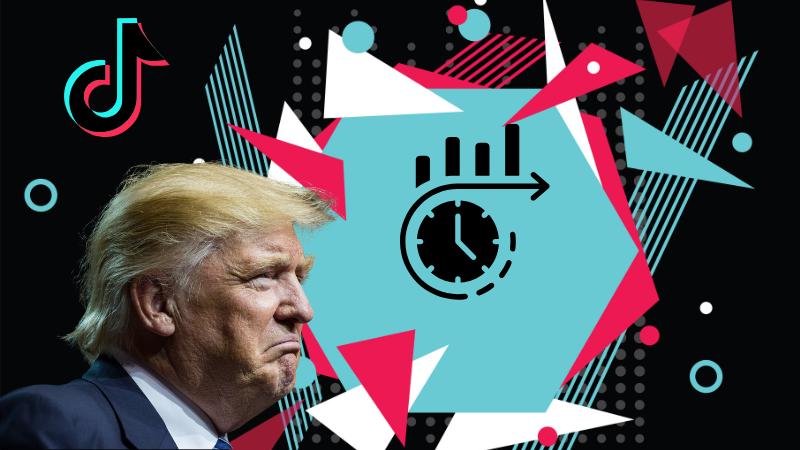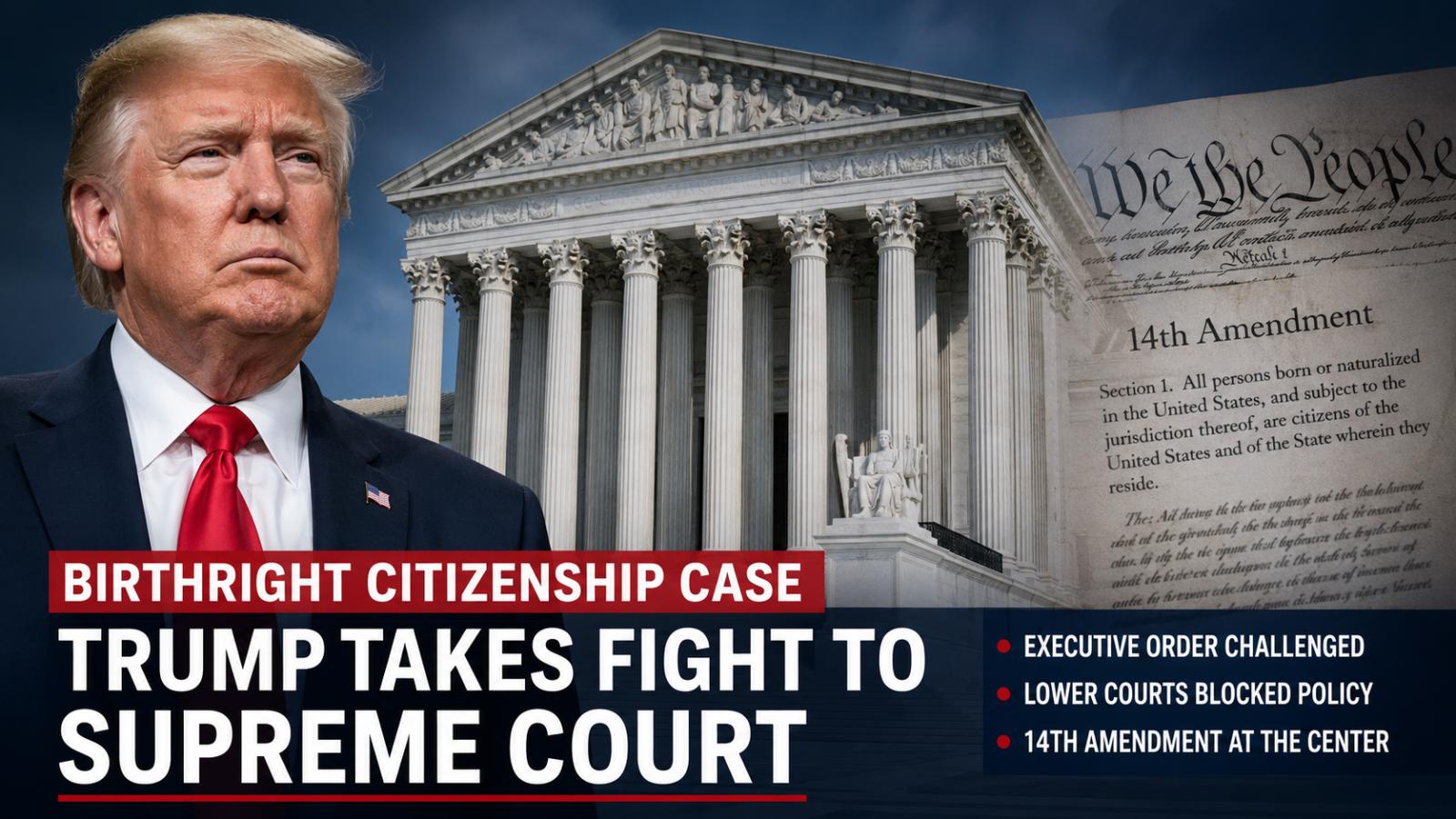
The Trump birthright citizenship case is heading toward a major Supreme Court decision after lower courts blocked the president’s effort to restrict automatic US citizenship for some children born in the United States.
President Donald Trump criticized the possibility of losing the case during remarks at the White House on Thursday, May 21, 2026, warning it would be a “disgrace” if the Supreme Court ruled against his administration’s position.
Trump challenges birthright citizenship under the 14th Amendment
The case centers on Trump’s executive order seeking to deny automatic citizenship to children born in the United States when their parents are in the country illegally or are present on temporary visas. The administration argues that those children are not fully covered by the Citizenship Clause of the 14th Amendment.
Lower courts blocked the order, and the dispute is now before the Supreme Court in Trump v. Barbara, a case that could reshape how the United States interprets birthright citizenship. The Supreme Court docket lists the case as No. 25-365 and shows it was granted for review in December 2025.
Lower courts and justices question Trump’s order
Critics argue that the Constitution has long protected citizenship for nearly all people born on US soil. Reuters reported that several Supreme Court justices, including conservative and liberal members of the court, appeared skeptical of the administration’s position during oral arguments on Wednesday, April 1, 2026.
Trump personally attended the April hearing, an unusual move that added political attention to an already high-stakes immigration case. Reuters has reported that a decision is expected by the end of June 2026.
The ruling could become one of the most consequential immigration and constitutional decisions of Trump’s second term. For immigrants, visa holders, state governments and families with children born in the United States, the decision may determine whether a long-standing interpretation of birthright citizenship remains intact.