India has been elected FATF vice-president for the first time, placing senior official Vivek Aggarwal in a key leadership role at the global body that sets standards against money laundering, terrorist financing and proliferation financing.
The Financial Action Task Force announced the appointment after its plenary meeting in Paris on Friday, June 19, 2026. Aggarwal, a 1994-batch Indian Administrative Service officer and secretary in India’s Ministry of Culture, will serve from July 2026 through June 2027 alongside the incoming United Kingdom presidency.
Why India’s FATF Vice-President Role Matters
The FATF is a 40-member intergovernmental organization whose standards influence financial regulation across more than 200 countries and jurisdictions. Its work affects how governments, banks and other financial institutions identify illicit funds and respond to risks involving organized crime, terrorism and weapons proliferation.
To understand the organisation’s powers, evaluation system and monitoring lists, read our detailed guide on what FATF is and how its grey list and black list work.
As vice-president, Aggarwal will assist the FATF president in steering the organization’s work and coordinating discussions among members. The position does not allow India to make decisions independently because major FATF actions are reached collectively through the organization’s plenary process.
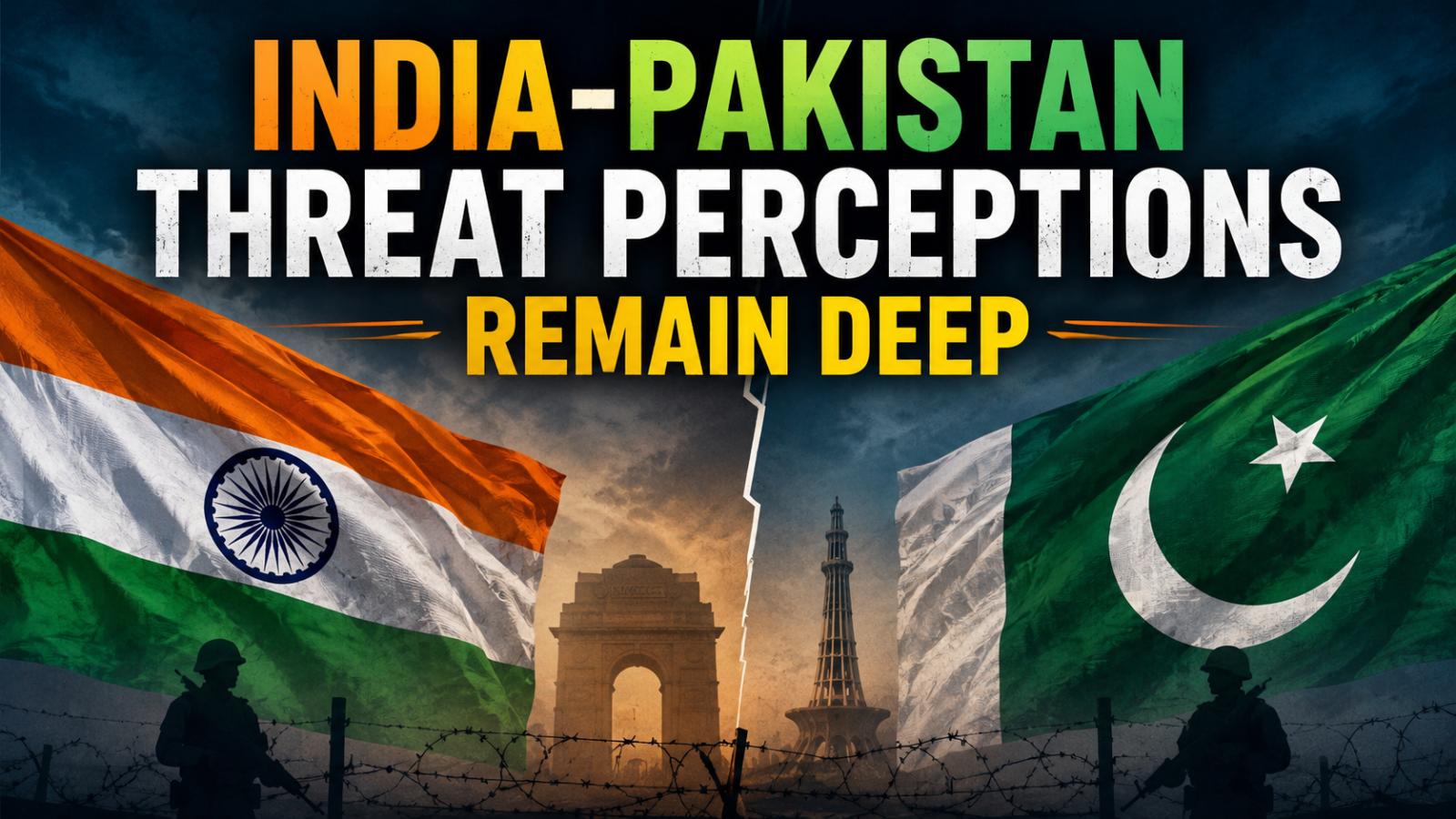
India’s appointment has also renewed attention on Pakistan’s FATF grey-list history and what New Delhi’s new role could mean.
India’s Ministry of Finance said the appointment reflects the country’s recent FATF evaluation and its contributions to policy discussions involving digital payments and virtual asset service providers. Those issues have become increasingly important as regulators confront financial-crime risks linked to rapidly changing technologies.
A First for India at the FATF
India became a full FATF member in 2010, and this will be the first time it holds the organization’s vice-presidency. The appointment gives New Delhi a more visible role in discussions over international anti-money laundering rules, terrorist-financing controls and emerging financial threats.
The leadership post will not give India unilateral authority over country assessments or monitoring decisions. However, it will provide a stronger platform to help shape priorities as the FATF updates global standards that influence financial systems, cross-border investment and regulatory enforcement worldwide.