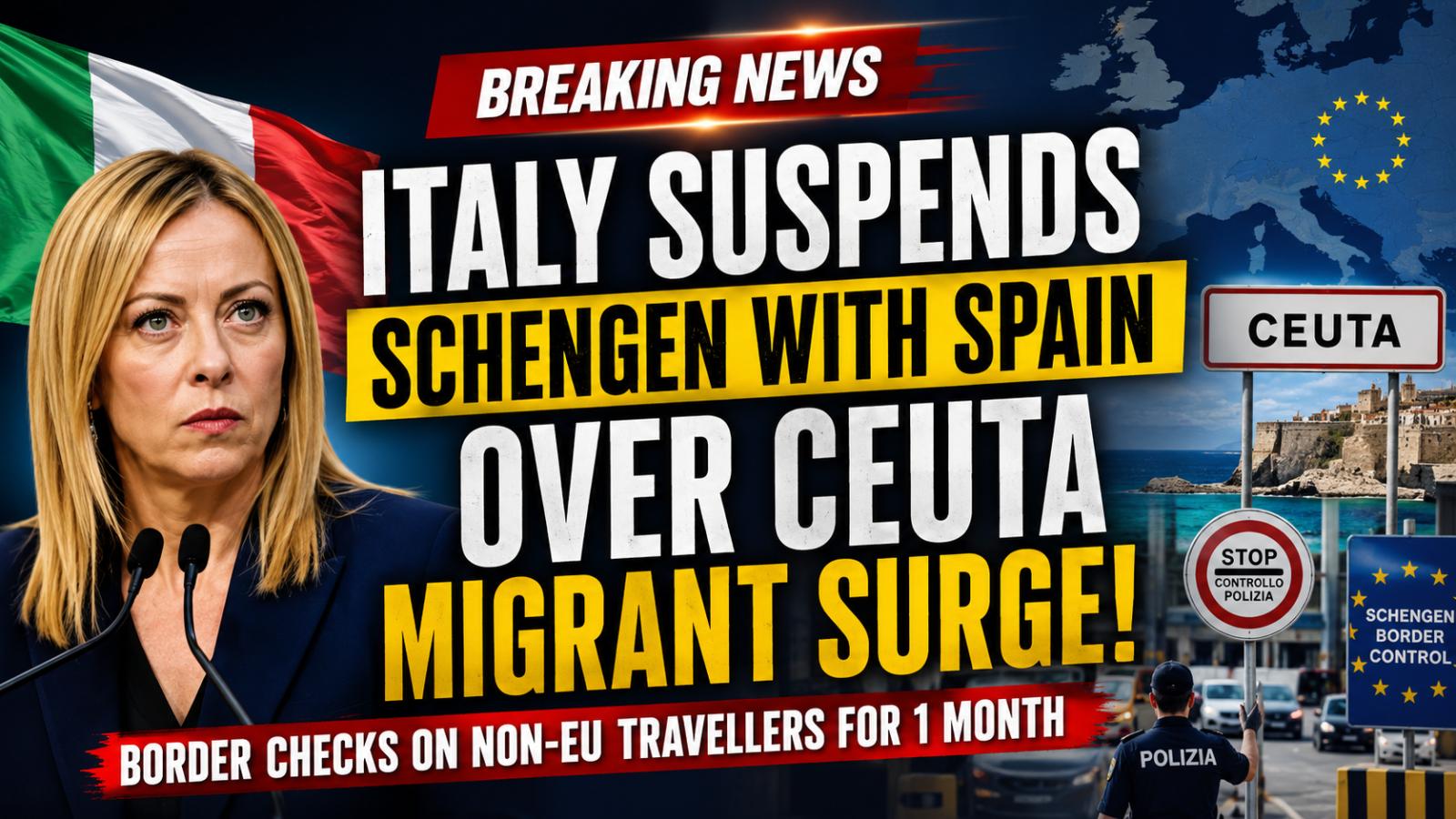
Italy has introduced temporary border checks for certain travellers arriving from Spain after a major migrant influx into Ceuta, the Spanish territory bordering Morocco. The Italy Spain Schengen suspension will mainly affect non-EU nationals travelling by air or sea, while Spanish and other EU citizens can continue travelling under normal free-movement rules.
Ceuta Migrant Surge Triggers Italian Response
The Italian government announced the measure on July 31, saying it would remain in force for one month. The decision followed the arrival of tens of thousands of migrants in Ceuta from neighbouring Morocco during a sudden and unusually large movement across the border.
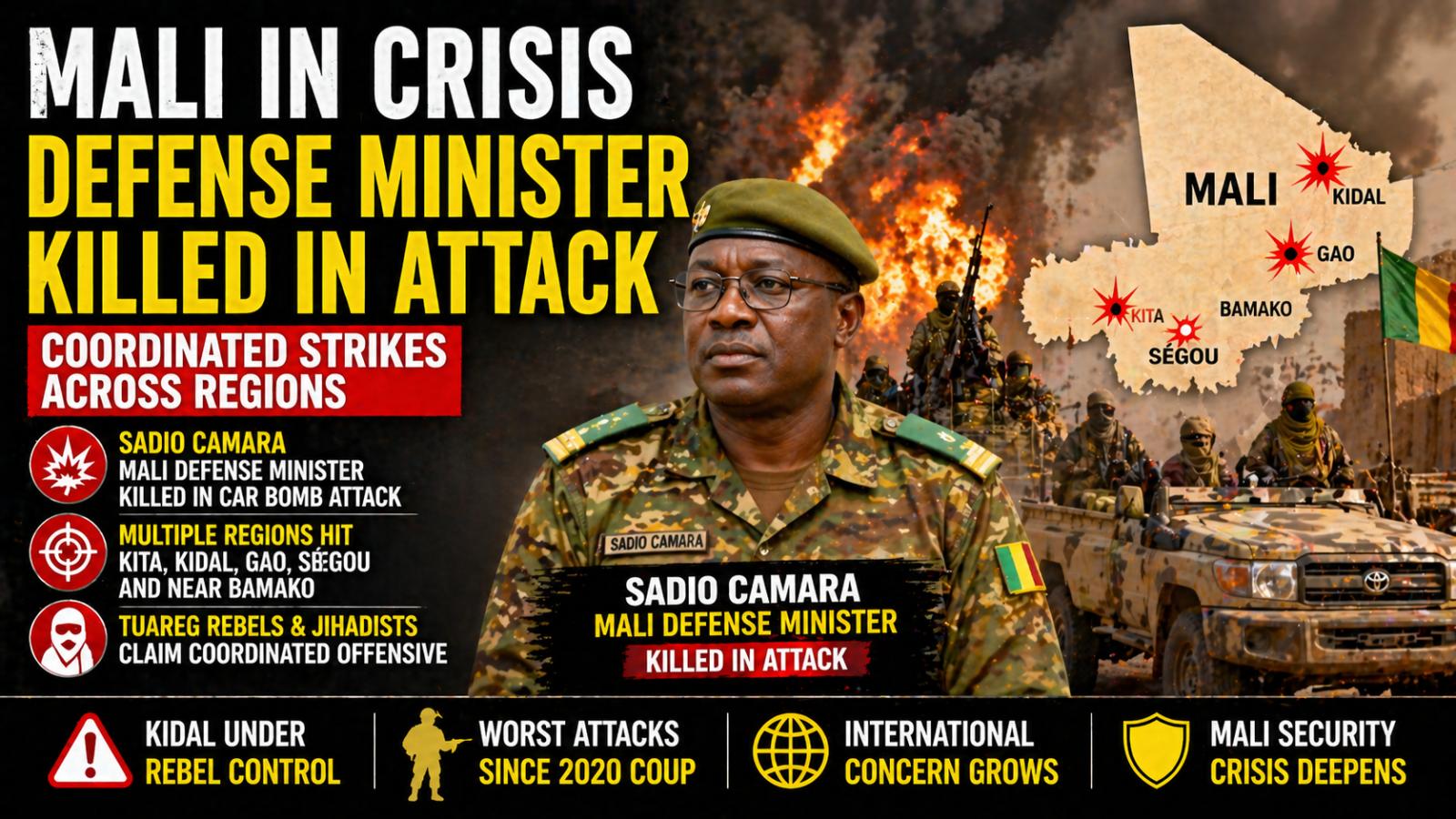
Spanish authorities deployed additional security personnel and military support as local facilities struggled to handle the Ceuta migrant surge. Madrid later said that most of those who entered the territory had returned to Morocco following coordination between Spanish and Moroccan authorities. Reuters reported that Italy announced the checks despite Spain saying the immediate situation was largely under control.
Ceuta lies on the North African coast and forms part of Spain and the European Union. Its direct border with Morocco has regularly made it a focal point in debates over irregular migration, asylum procedures and responsibility for protecting the EU’s external borders.
Italy Border Checks on Spain Target Non-EU Travellers
The Italy border checks on Spain will apply mainly at Italian airports and seaports. Authorities will conduct targeted inspections of non-EU nationals arriving from Spanish territory rather than introduce broad restrictions affecting every passenger.
Italian officials said Spanish citizens and nationals of other EU countries would not face new entry restrictions. However, passengers may experience additional document inspections or delays as authorities determine whether travellers meet immigration and residency requirements.
Italy does not share a land border with Spain. The government therefore also reached an agreement with France to strengthen monitoring along the Franco-Italian border, where officials fear some undocumented migrants could attempt to enter Italy after travelling through France.
Meloni Security Measure Draws Political Criticism
Prime Minister Giorgia Meloni described the decision as an exceptional step intended to protect national security. In a statement posted on X, she said the government would keep the Meloni security measure in place only for as long as necessary and would try to limit disruption during the busy summer travel period.
Critics, however, questioned whether the Ceuta crisis created a direct threat to Italy. They argued that authorities had presented no clear evidence showing that large numbers of migrants in Ceuta planned to travel through Spain and France towards Italian territory.
Opposition voices also accused Meloni’s government of using migration concerns to strengthen its domestic political position. The dispute has added pressure to relations between Italy and Spain, with Spanish officials maintaining that the integrity of the Schengen area remains secure.
EU Travel Control Rules Allow Temporary Checks
The Schengen system normally permits people to travel between participating European countries without routine internal border inspections. However, EU travel control rules allow member states to temporarily restore checks when they identify a serious threat to public order or internal security.
The European Commission says such controls must remain exceptional, proportionate and limited to what is necessary. They should serve as a last resort rather than become a permanent substitute for cooperation between national police, immigration agencies and external border authorities.
Italy’s decision now tests how far national governments can use temporary border controls in response to migration events occurring elsewhere in the EU. It also highlights a wider political divide: some governments favour stronger national checks, while others warn that repeated restrictions could weaken passport-free travel and damage trust within the Schengen area.