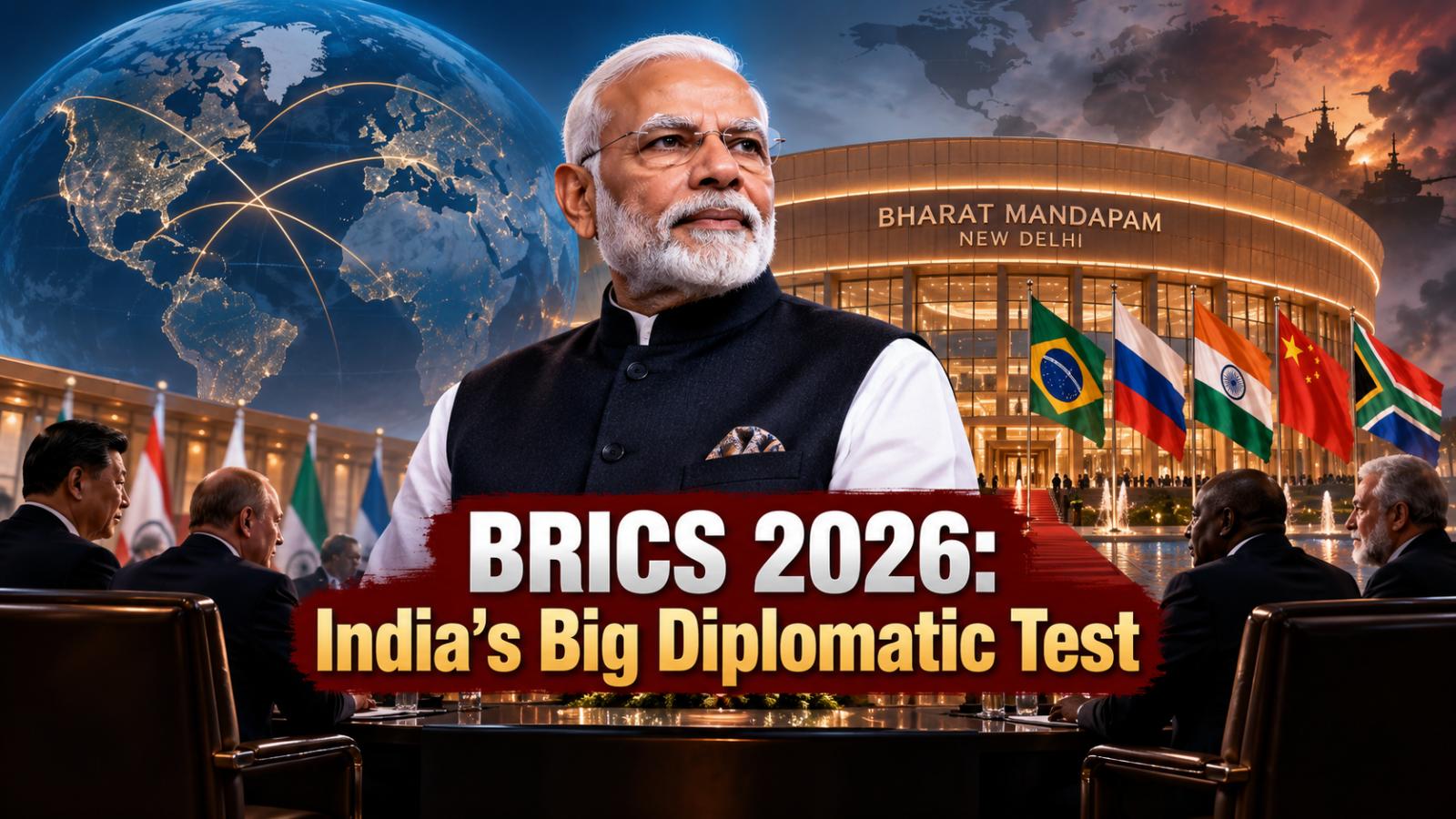
BRICS Summit 2026 arrives at a moment of unusual geopolitical pressure, placing India's chairmanship under a global spotlight. Wars, tariff threats, energy risks and India-China tensions will test New Delhi's ability to preserve BRICS unity while protecting strategic autonomy.
SCO 2026 Sets the Stage for BRICS
India will host the 18th BRICS Summit at Bharat Mandapam in New Delhi on September 12-13 under the theme “Building for Resilience, Innovation, Cooperation and Sustainability.” India has already held more than 350 BRICS meetings across over 25 cities, according to government information.
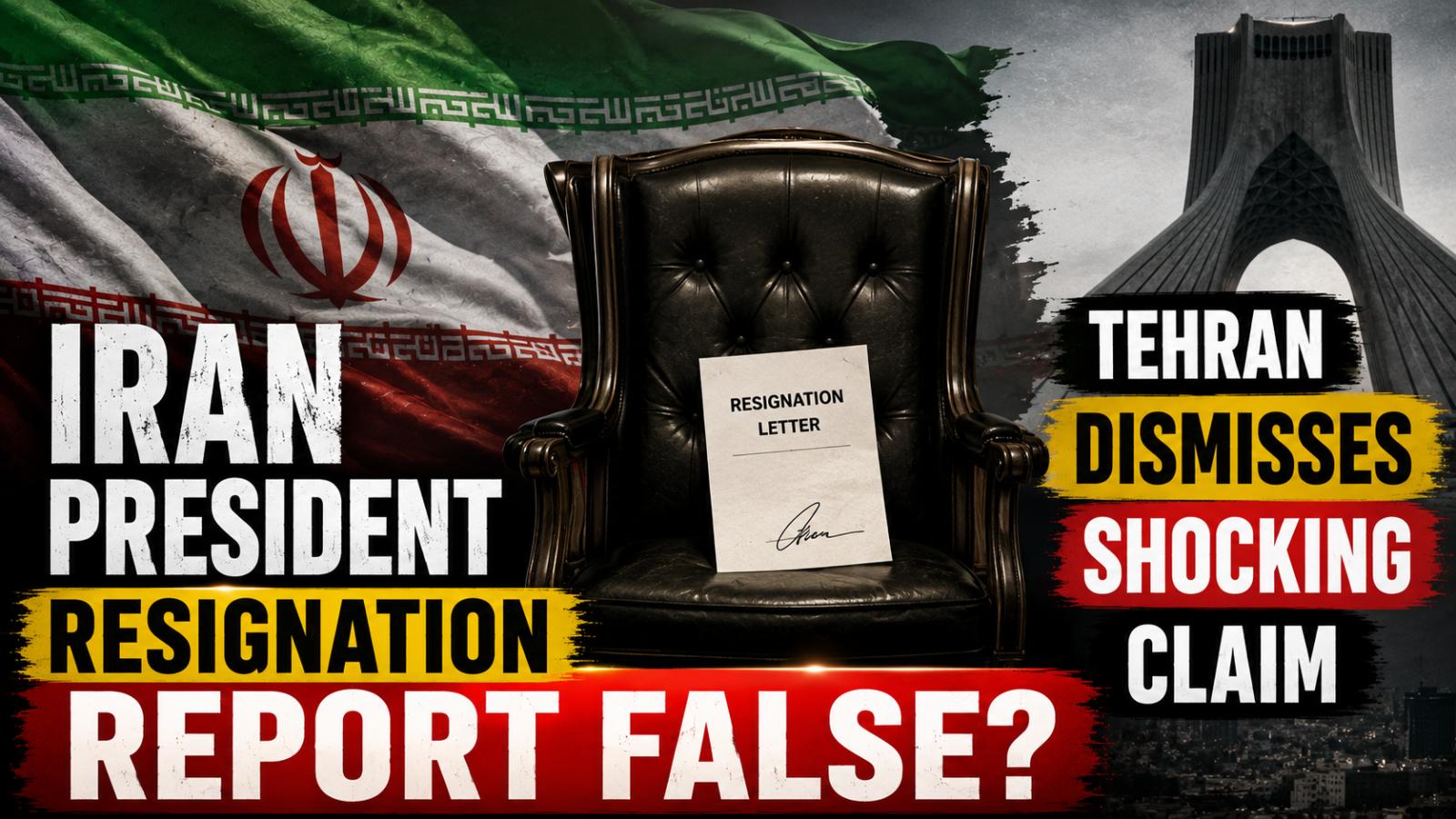
The timing is significant. The Shanghai Cooperation Organisation summit in Bishkek took place on September 1, bringing Prime Minister Narendra Modi together with leaders including Russia's Vladimir Putin and Iran's Masoud Pezeshkian. The source article argues that the SCO gathering effectively served as a diplomatic rehearsal for New Delhi as India prepares to manage similar geopolitical disagreements inside BRICS.
US Tariffs Test BRICS Economic Unity
Economic pressure could become one of the summit's most difficult issues. The source highlights proposed US measures aimed at countries buying Russian energy and argues that India and China could face particular exposure if Washington expands tariff pressure.
Yet collective retaliation would be difficult. BRICS members remain deeply connected to Western markets, meaning the grouping is more likely to focus on payment systems, supply-chain resilience and greater intra-BRICS trade than coordinated confrontation.
This gives India an opportunity to promote economic cooperation without presenting BRICS as an anti-US alliance. New Delhi has repeatedly described the grouping as a platform for reforming global institutions and improving representation for emerging economies.
India-China Ties Could Shape the Summit
China remains another major variable. The possibility of President Xi Jinping visiting India would attract global attention, particularly after years of tension following the 2020 border crisis.
The deeper challenge is strategic. Beijing often sees BRICS as an increasingly important pillar in a less Western-dominated global system, while India favors a multipolar order that does not replace Western dominance with Chinese dominance. The source identifies this India-China difference as one of BRICS' most important internal contradictions.
A constructive Modi-Xi interaction would therefore carry significance beyond bilateral relations. It could demonstrate that BRICS can accommodate major disagreements while maintaining consensus.
Energy Security Links India, Iran and Russia
Energy security may quietly unite many of the summit's most contentious discussions. Instability around the Strait of Hormuz threatens oil supplies and shipping costs, while continued pressure on Russian crude imports creates another challenge for major energy buyers.
For India, access to reliable and affordable energy remains a strategic priority. The source links New Delhi's engagement with Iran, interest in Chabahar Port and continued Russian energy purchases to this broader calculation.
BRICS has also consistently emphasized reliable energy access, resilient supply chains and energy-market stability in its official cooperation agenda.
India Seeks Reform Without Bloc Politics
India's biggest challenge will be keeping the summit focused on practical cooperation while members bring competing geopolitical priorities to Delhi. Iran may seek political solidarity, Russia wants relief from Western economic pressure, and China favors stronger alternative institutions.
India's approach is likely to emphasize what the source describes as calibrated activism: strengthening BRICS without allowing the grouping to become dominated by any member's confrontation with the West.
That strategy fits India's wider diplomacy across BRICS, the G20, Quad and SCO. The real test of BRICS Summit 2026 will be whether New Delhi can turn global turbulence into practical cooperation while preserving the grouping's original purpose of reforming global governance rather than creating another rigid geopolitical bloc.