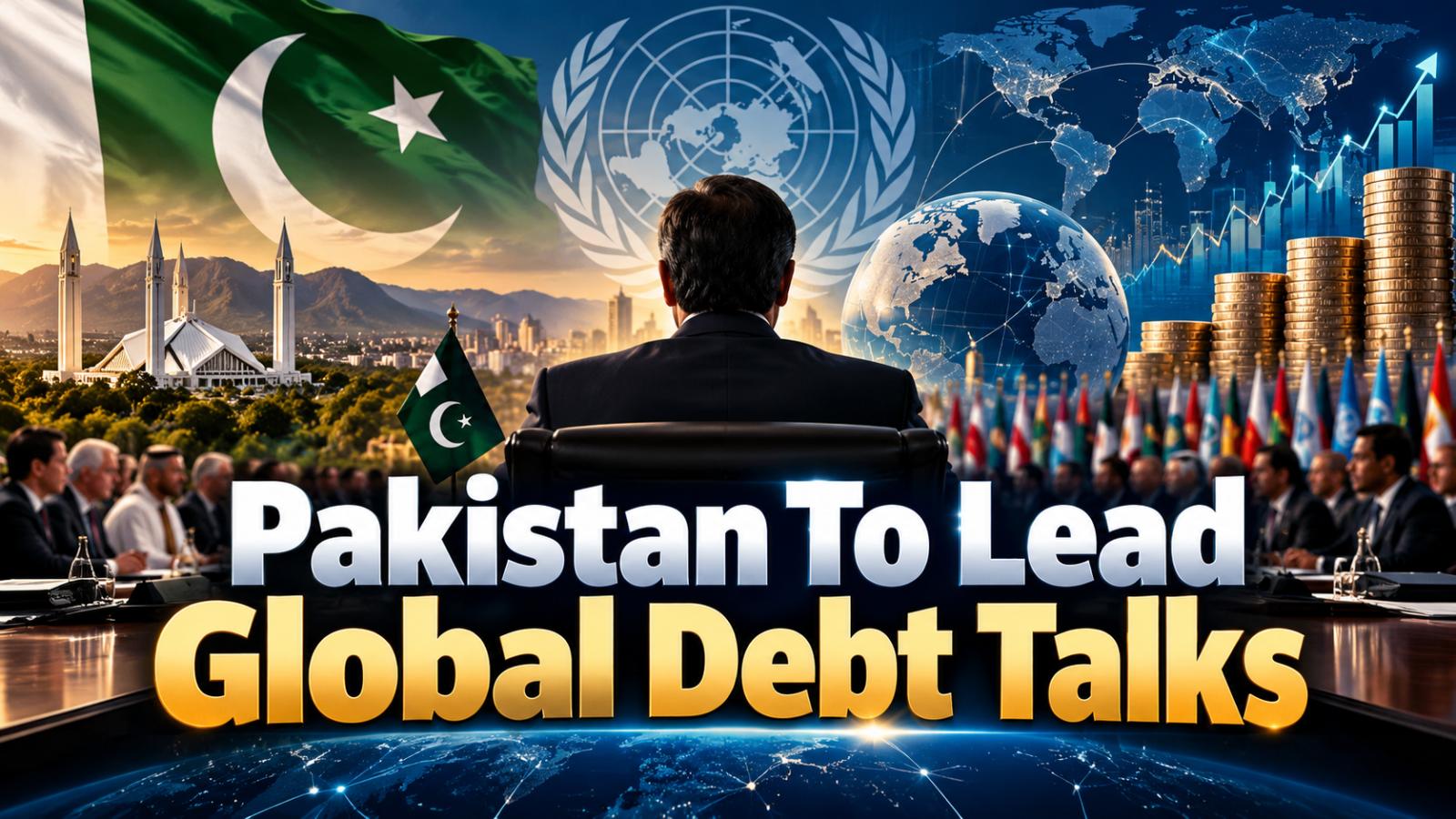
Pakistan leads UN-backed Borrowers' Platform on sovereign debt as Finance Minister Muhammad Aurangzeb takes charge of its Governing Council. The role puts Islamabad at the centre of discussions on Pakistan debt management, external debt servicing and developing country debt reform.
Pakistan debt management
Pakistan has assumed the chairmanship of the Governing Council of the Borrowers' Platform, an initiative designed to give developing countries a stronger voice in discussions about sovereign debt and development finance.
Pakistan's Finance Division announced that Aurangzeb took over the role during meetings involving global financial institutions. The platform, backed by the United Nations and supported by UNCTAD as its secretariat, focuses on improving debt-management capacity, sharing reform experiences and helping borrowing countries use financing more effectively.
The forum is not designed to negotiate collectively with creditors. Instead, it seeks to improve technical cooperation and strengthen the ability of governments to manage borrowing without sacrificing essential development spending.
Pakistan IMF programme
Pakistan's leadership role is significant because the country has faced repeated fiscal and external financing pressures. IMF programmes, weak foreign exchange reserves, inflation and large repayment obligations have repeatedly shaped economic policy.
Aurangzeb has said Pakistan wants the platform's 2026–27 agenda to focus on stronger debt-management systems, economic reforms and innovative financing tools. The broader goal is to ensure that borrowing supports productive investment instead of becoming a permanent constraint on national budgets.
China loan rollovers
China remains one of Pakistan's most important bilateral financial partners. Loan deposits, commercial financing and projects connected with the China-Pakistan Economic Corridor have made the relationship central to Islamabad's external financing strategy.
Loan rollovers have provided temporary relief when Pakistan faced pressure on foreign exchange reserves. A $3.4 billion Chinese rollover in 2025 helped support reserve targets linked to Pakistan's economic stabilisation programme. However, refinancing delays repayment rather than eliminating the underlying liability.
That distinction will remain important as Pakistan seeks to demonstrate that its experience can offer useful lessons for other heavily indebted economies.
External debt servicing
Pakistan continues to face large annual external debt servicing requirements. Repayments to multilateral lenders, bilateral partners and commercial creditors compete with domestic spending priorities and place pressure on foreign currency reserves.
Deposits from countries including China and Saudi Arabia have often been rolled over, giving Islamabad additional time to manage repayment schedules. Such arrangements can reduce immediate pressure but also underline the need for stronger exports, sustainable revenue growth and disciplined fiscal management.
The Borrowers' Platform could allow member countries to compare such experiences and identify practices that reduce refinancing risks.
Developing country debt reform
The platform was launched as many developing economies face high borrowing costs, climate pressures, geopolitical disruption and limited access to affordable development finance. UN Secretary-General António Guterres has repeatedly warned that rising debt servicing can restrict spending on health, education and infrastructure.
Pakistan's presidency will not cancel its debts or provide automatic access to new funding. Its value lies in giving Islamabad a role in shaping discussions on debt sustainability, responsible borrowing and reform.