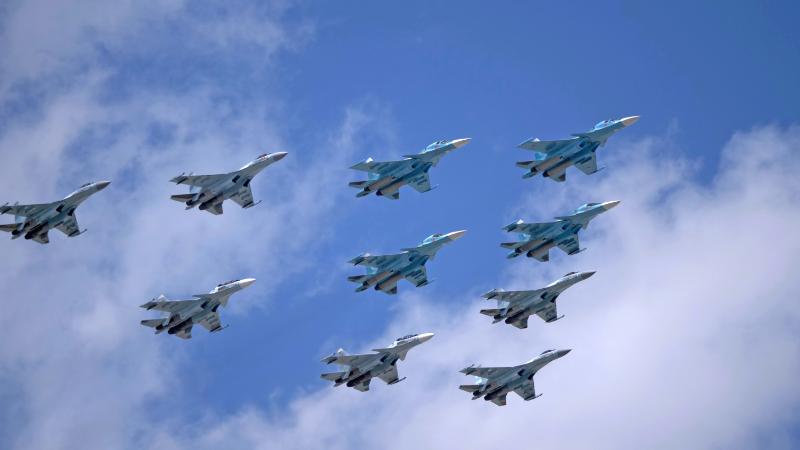
In a dramatic escalation of tensions in the Middle East, Iran on Monday launched what its armed forces described as a “powerful and destructive missile strike” targeting the United States’ Al-Udeid Air Base located near Doha, the capital city of Qatar. The attack was a direct response to a recent U.S. military operation involving B-2 bombers and cruise missile strikes on Iranian nuclear development sites, carried out the previous Saturday. The Al-Udeid base is the largest American military installation in the region, housing around 10,000 U.S. service members. As the missile barrage unfolded, explosions were reportedly heard across the skies of Doha, prompting widespread concern and immediate action by Qatari defense forces.
According to a statement from Qatar’s Defense Ministry, the country’s air defense systems were able to successfully intercept the incoming missiles, and no deaths or injuries were reported as a result of the attack. While the Iranian strike was largely neutralized, its implications reverberated across international diplomatic and military channels. A semi-official Iranian outlet claimed that Iran had also launched another strike aimed at a U.S. base in Iraq around the same time, suggesting a broader retaliation strategy.
Qatar reacted swiftly to the unfolding events, closing its airspace shortly before the attack and issuing a strong condemnation shortly after. In an official statement released on X, Qatar’s Foreign Ministry described the strike by Iran’s Revolutionary Guard Corps as a blatant violation of the nation’s sovereignty and international law. The spokesperson further emphasized that Qatar reserves the right to respond directly and proportionally in line with international norms and the United Nations Charter. The strong language reflected the growing unease in the Gulf region over the escalating confrontation between the United States and Iran, which now threatens to entangle neutral nations like Qatar in the crossfire.
As the situation developed, U.S. President Donald Trump, along with Defense Secretary Pete Hegseth and Chairman of the Joint Chiefs of Staff General Dan Caine, monitored the crisis from the White House Situation Room. The American leadership was reportedly on high alert following intelligence suggesting an imminent Iranian counterattack targeting U.S. assets in Iraq and Bahrain. The strike on the Al-Udeid base confirmed these warnings and underscored the volatile nature of the ongoing confrontation. President Trump had visited the Al-Udeid base in mid-May, highlighting its strategic significance in the region’s military architecture.
The missile launch and its interception also had immediate economic ramifications. Global oil prices reacted with a temporary decline during Monday’s trading session, signaling investor anxiety over the potential for broader conflict in the Persian Gulf, a key corridor for energy exports. The markets, however, seemed to stabilize after reports confirmed the successful defense of the Al-Udeid base and the absence of casualties.
This latest exchange between Iran and the United States marks a critical point in a long-running geopolitical rivalry. Iran’s decision to target U.S. military infrastructure outside of its immediate vicinity shows a bold and aggressive shift in tactics, while the U.S. preemptive strike on Iran’s nuclear facilities reflects an equally uncompromising approach. Qatar’s firm diplomatic stance and swift defensive action serve as a reminder of the precarious position smaller nations face in balancing regional alliances with national sovereignty.
With tensions rising and rhetoric hardening on all sides, international observers are urging restraint. The situation remains fluid, and further escalations could lead to broader regional instability. For now, both military and diplomatic channels remain active, as the world watches closely how the next chapter of U.S.-Iran relations unfolds in one of the world’s most volatile regions.