Introduction to American Police Rules
In the United States, the rules and procedures that govern police conduct are crucial to maintaining public order and ensuring that law enforcement officers act within the boundaries of the law. American police rules vary by state and jurisdiction, but there are foundational principles that guide officers in their day-to-day responsibilities. These rules not only protect citizens but also uphold the integrity of the police force.
Ensuring Public Safety: The Role of Police Officers
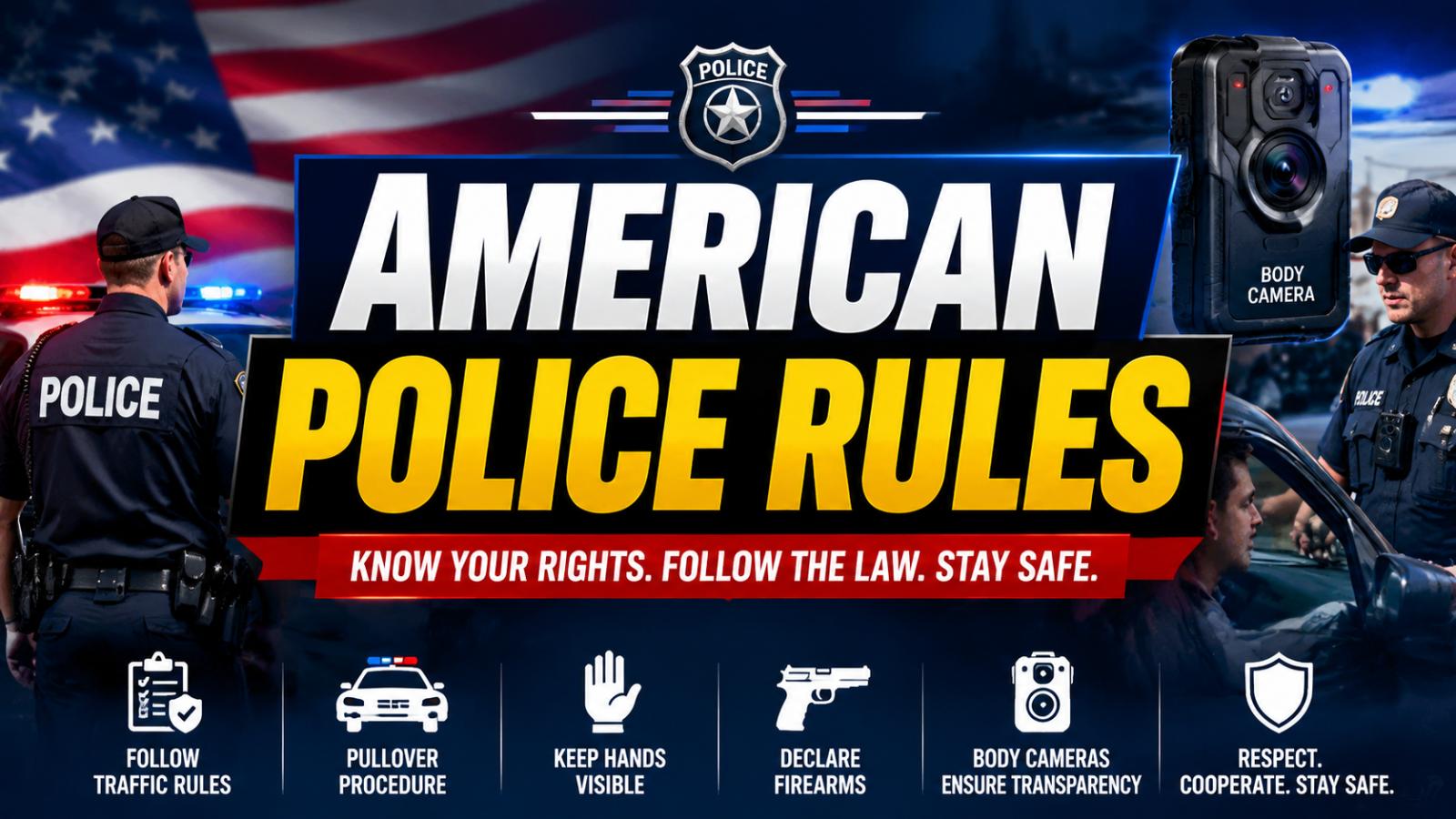
One of the primary functions of law enforcement in the U.S. is to ensure public safety, and the rules surrounding this are clear. For example, when a police officer initiates a traffic stop, the driver is required to pull over safely and comply with the officer’s requests. Officers are trained to approach vehicles cautiously, always with the goal of minimizing the risk of confrontation. However, the rules for police officers themselves are also clearly defined to ensure they follow proper protocols during these interactions.
Traffic Stops and Officer Procedures
During traffic stops, it is important for the driver to keep their hands visible, ideally on the steering wheel. This reduces the chances of the officer feeling threatened, ensuring a safer interaction for both parties. In addition, if the driver has a firearm or any other potentially dangerous item, they must inform the officer immediately. This rule helps prevent misunderstandings and keeps the situation under control.
Use of Force: Guidelines for Police Actions
One of the most critical aspects of American police rules is the use of force. Officers are trained to use the least amount of force necessary to subdue an individual or handle a situation. In situations where an officer feels their life or the lives of others are in danger, they are permitted to use force, including deadly force. However, officers are held accountable for their actions, and excessive force can result in legal consequences and disciplinary action. Body cameras are widely used to ensure that interactions between police officers and civilians are documented, providing transparency and accountability for both parties.
Constitutional Rights and Probable Cause
Another fundamental rule in American policing is the need for reasonable suspicion or probable cause before making arrests or conducting searches. Police officers must have a valid reason to stop, search, or arrest a person. These rules protect citizens' constitutional rights and prevent unlawful actions by law enforcement.
Police Officer Training and De-Escalation
Additionally, police officers undergo extensive training to help them manage high-pressure situations, use proper communication techniques, and understand when to de-escalate conflicts. Training also includes lessons on handling people in mental health crises, the use of non-lethal methods to restrain individuals, and understanding community dynamics. However, despite the training, officers are sometimes faced with difficult decisions, and mistakes can happen.
Police misconduct is taken seriously, and there are strict guidelines in place to investigate allegations of abuse of power. Departments must follow clear procedures for handling complaints against officers, and civilian oversight boards in some areas further ensure transparency in investigations.
Addressing Police Misconduct and Accountability
In recent years, many American cities have implemented reforms to improve police practices, including reforms focused on increasing police accountability, using body cameras, and implementing community policing practices. These measures aim to build trust between law enforcement and the public, ensuring that officers serve their communities with integrity and fairness.
In conclusion, American police rules are designed to ensure that law enforcement operates within the boundaries of the law while maintaining safety and order. These rules guide officers' conduct, safeguard citizens' rights, and promote fairness in the criminal justice system. As society continues to evolve, so too will these rules, aiming to balance public safety with respect for individual freedoms.