International Yoga Day 2026: Date, Theme, History and Significance
International Yoga Day 2026 will be celebrated across the globe on Sunday, June 21, bringing together millions of people in a collective effort to promote health, wellness, and mindfulness through the practice of yoga. Observed annually on June 21, the International Day of Yoga highlights the importance of integrating physical, mental, and spiritual well-being into daily life. Originating in ancient India, yoga has evolved into a globally recognized practice that helps i
International Yoga Day 2026: Date, Theme, History and Significance
International Yoga Day 2026 will be celebrated across the globe on Sunday, June 21, bringing together millions of people in a collective effort to promote health, wellness, and mindfulness through the practice of yoga. Observed annually on June 21, the International Day of Yoga highlights the importance of integrating physical, mental, and spiritual well-being into daily life. Originating in ancient India, yoga has evolved into a globally recognized practice that helps i
Canada Assisted Dying Rules Tightened Amid Mental Health Debate
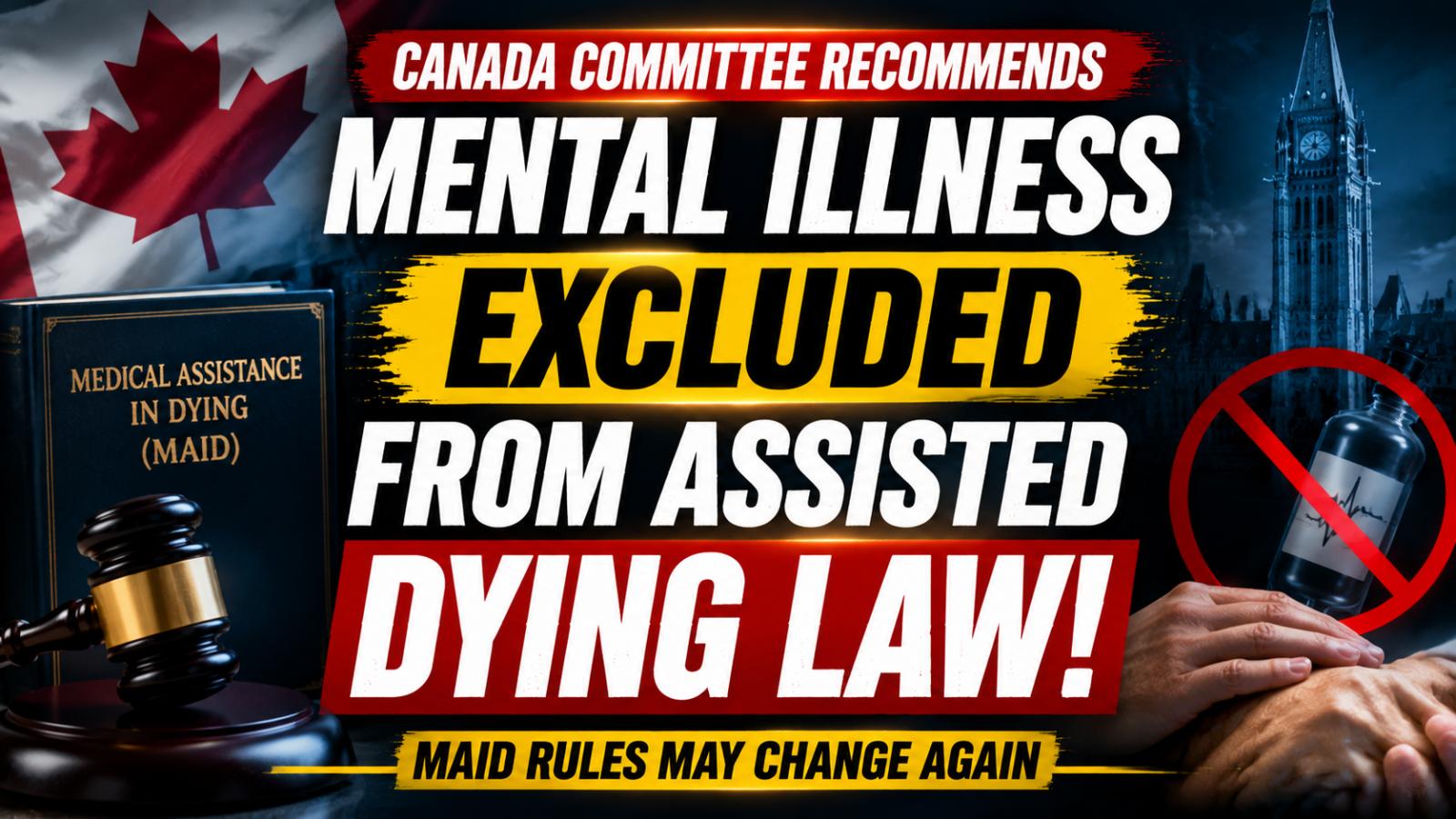
Canada Reconsiders Assisted Dying Eligibility Rules A Canadian parliamentary committee has recommended that individuals whose only medical condition is a mental illness should be excluded from eligibility for medical assistance in dying (MAID), marking a significant development in the country’s ongoing debate over assisted death laws. The recommendation was issued by a 17-member panel reviewing the legal
Canada Assisted Dying Rules Tightened Amid Mental Health Debate
Canada Reconsiders Assisted Dying Eligibility Rules A Canadian parliamentary committee has recommended that individuals whose only medical condition is a mental illness should be excluded from eligibility for medical assistance in dying (MAID), marking a significant development in the country’s ongoing debate over assisted death laws. The recommendation was issued by a 17-member panel reviewing the legal
ICE detainee suicides surge in US detention centers
Recent months have seen a troubling increase in suicides among ICE detainees across the United States. Since the start of 2025, multiple deaths by suicide have been reported, far outpacing the growth in detainee populations. Experts warn that this signals serious deficiencies in mental health support and monitoring within detention facilities. Mental Health Struggles Behind Bars Mental health cha
ICE detainee suicides surge in US detention centers
Recent months have seen a troubling increase in suicides among ICE detainees across the United States. Since the start of 2025, multiple deaths by suicide have been reported, far outpacing the growth in detainee populations. Experts warn that this signals serious deficiencies in mental health support and monitoring within detention facilities. Mental Health Struggles Behind Bars Mental health cha
Why is the US expanding psychedelic research? Focus on mental health crisis
U.S. President Donald Trump announced a sweeping policy shift on Saturday, April 18, aimed at accelerating access to medical research and treatments involving psychedelic drugs. The executive order, signed in the Oval Office, directs the US Food and Drug Administration to expedite the review process for substances such as ibogaine, which some veteran advocacy groups say may help treat post-traumatic stress disorder. The signing event included federal health officials, advocates, and podcaster Joe Rogan, highlighting growing public and institutional interest in alternative mental health therapies. Focus on veterans and severe mental illness treatment Trump said the initiative is designed to “dramatically accelerate access” to experimental therapies that have shown potential in addressing severe mental health conditions. He emphasized that these treatments could be particularly impactful for U.S. military veterans suffering from PTSD and depression. The order instructs federal agencies to reduce administrative barriers, enhance data sharing between the FDA and the Department of Veterans Affairs, and streamline the process for rescheduling psychedelic substances once they receive regulatory approval. Funding and expanded access under Right to Try law As part of the initiative, the federal government will allocate $50 million to support state-level research on ibogaine. The administration is also expanding pathways for patients with critical conditions to access experimental treatments under the Right to Try law enacted during Trump’s first term. Officials said this approach could allow certain patients to receive psychedelic-based therapies before full FDA approval, provided safety protocols are followed. Health officials cite urgency of mental health crisis Health and Human Services Secretary Robert F Kennedy Jr. described the executive order as a decisive step in addressing what he called one of the nation’s most pressing public health challenges. He said the policy would remove legal and regulatory barriers that have historically limited research into psychedelic treatments. Kennedy added that the changes aim to enable scientists, clinicians, and researchers to better study these substances and, where appropriate, develop safe therapeutic protocols for their use in treating mental health conditions.
Why is the US expanding psychedelic research? Focus on mental health crisis
U.S. President Donald Trump announced a sweeping policy shift on Saturday, April 18, aimed at accelerating access to medical research and treatments involving psychedelic drugs. The executive order, signed in the Oval Office, directs the US Food and Drug Administration to expedite the review process for substances such as ibogaine, which some veteran advocacy groups say may help treat post-traumatic stress disorder. The signing event included federal health officials, advocates, and podcaster Joe Rogan, highlighting growing public and institutional interest in alternative mental health therapies. Focus on veterans and severe mental illness treatment Trump said the initiative is designed to “dramatically accelerate access” to experimental therapies that have shown potential in addressing severe mental health conditions. He emphasized that these treatments could be particularly impactful for U.S. military veterans suffering from PTSD and depression. The order instructs federal agencies to reduce administrative barriers, enhance data sharing between the FDA and the Department of Veterans Affairs, and streamline the process for rescheduling psychedelic substances once they receive regulatory approval. Funding and expanded access under Right to Try law As part of the initiative, the federal government will allocate $50 million to support state-level research on ibogaine. The administration is also expanding pathways for patients with critical conditions to access experimental treatments under the Right to Try law enacted during Trump’s first term. Officials said this approach could allow certain patients to receive psychedelic-based therapies before full FDA approval, provided safety protocols are followed. Health officials cite urgency of mental health crisis Health and Human Services Secretary Robert F Kennedy Jr. described the executive order as a decisive step in addressing what he called one of the nation’s most pressing public health challenges. He said the policy would remove legal and regulatory barriers that have historically limited research into psychedelic treatments. Kennedy added that the changes aim to enable scientists, clinicians, and researchers to better study these substances and, where appropriate, develop safe therapeutic protocols for their use in treating mental health conditions.
Economic Survey warns of dangerous digital addiction among Indian youth
India’s Economic Survey 2025–26 has raised a serious warning over the rapid rise of digital addiction among children and adolescents, calling it a growing public health and economic risk. Tabled in Parliament on Thursday, the report highlights how excessive use of smartphones, social media, gaming platforms, and online entertainment is increasingly affecting mental wellbeing, academic performance, and long-term productivity among the country’s youth. The survey defines digital addiction
Economic Survey warns of dangerous digital addiction among Indian youth
India’s Economic Survey 2025–26 has raised a serious warning over the rapid rise of digital addiction among children and adolescents, calling it a growing public health and economic risk. Tabled in Parliament on Thursday, the report highlights how excessive use of smartphones, social media, gaming platforms, and online entertainment is increasingly affecting mental wellbeing, academic performance, and long-term productivity among the country’s youth. The survey defines digital addiction
San Francisco leaders push expanded court-ordered treatment to address mental health crisis
San Francisco state and city leaders announced a proposed legislative change Monday aimed at expanding the use of court-ordered assisted outpatient treatment as part of an effort to confront the city’s ongoing mental health crisis. The announcement was made during a morning press conference outside San Francisco City Hall, where officials described the proposal as a significant shift in how treatment for severe mental illness is handled in California. Mayor Daniel Lurie joined mem
San Francisco leaders push expanded court-ordered treatment to address mental health crisis
San Francisco state and city leaders announced a proposed legislative change Monday aimed at expanding the use of court-ordered assisted outpatient treatment as part of an effort to confront the city’s ongoing mental health crisis. The announcement was made during a morning press conference outside San Francisco City Hall, where officials described the proposal as a significant shift in how treatment for severe mental illness is handled in California. Mayor Daniel Lurie joined mem
How Nail Biting Damages Fingers, Teeth And Mental Health; Causes, Risks And Ways To Stop
Nail biting, or onychophagia, is a habit many dismiss as harmless, especially when seen in children or teens. While occasional nail biting may seem mild, experts warn that chronic and compulsive nail biting can severely impact physical health, oral hygiene and emotional well-being. Over time, the behaviour becomes automatic, arising during stress, boredom or even without awareness. Studies show that if left unmanaged, the habit can damage nails, introduce infections, cause dental complication
How Nail Biting Damages Fingers, Teeth And Mental Health; Causes, Risks And Ways To Stop
Nail biting, or onychophagia, is a habit many dismiss as harmless, especially when seen in children or teens. While occasional nail biting may seem mild, experts warn that chronic and compulsive nail biting can severely impact physical health, oral hygiene and emotional well-being. Over time, the behaviour becomes automatic, arising during stress, boredom or even without awareness. Studies show that if left unmanaged, the habit can damage nails, introduce infections, cause dental complication
When Your Mind Hurts Your Back: The Stress-Spine Connection
Back pain and neck stiffness have become universal problems in the digital era, cutting across age groups and professions. While screens, bad posture, and sedentary habits are easy targets for blame, experts say the real culprit could be the mind itself. New findings show a strong connection between emotional stress and spinal health when your brain stays tense, your back follows suit. According to the World Health Organization, more than 619 million people currently suffer from low
When Your Mind Hurts Your Back: The Stress-Spine Connection
Back pain and neck stiffness have become universal problems in the digital era, cutting across age groups and professions. While screens, bad posture, and sedentary habits are easy targets for blame, experts say the real culprit could be the mind itself. New findings show a strong connection between emotional stress and spinal health when your brain stays tense, your back follows suit. According to the World Health Organization, more than 619 million people currently suffer from low
Santa Clara opens COMPASS Clinic to expand addiction recovery services
Santa Clara County has opened a new facility aimed at addressing the growing challenges of substance use disorders at a time when federal health care cuts threaten to strain local resources. The Compassionate Addiction Services and Support (COMPASS) Clinic officially launched on September 2 and is already being recognized as a major step forward in providing immediate, accessible care to those struggling with addiction. The clinic is funded through a combination of federal grants and opioid s
Santa Clara opens COMPASS Clinic to expand addiction recovery services
Santa Clara County has opened a new facility aimed at addressing the growing challenges of substance use disorders at a time when federal health care cuts threaten to strain local resources. The Compassionate Addiction Services and Support (COMPASS) Clinic officially launched on September 2 and is already being recognized as a major step forward in providing immediate, accessible care to those struggling with addiction. The clinic is funded through a combination of federal grants and opioid s
Supporting Children Through Parental Job Loss
Losing a job can be a stressful experience for any family, but it often affects children in ways parents may not immediately realize. Children are sensitive to changes at home and can sense the emotions of their parents. Whether it’s worry about money, changes in daily routines, or uncertainty about the future, parental job loss can create anxiety for kids. Supporting them during this period requires honesty, reassurance, and stability. The first step is open communication. Pa
Supporting Children Through Parental Job Loss
Losing a job can be a stressful experience for any family, but it often affects children in ways parents may not immediately realize. Children are sensitive to changes at home and can sense the emotions of their parents. Whether it’s worry about money, changes in daily routines, or uncertainty about the future, parental job loss can create anxiety for kids. Supporting them during this period requires honesty, reassurance, and stability. The first step is open communication. Pa
The Link Between Childhood Anxiety and Overprotective Parenting
Parenting is about keeping children safe and helping them grow, but when protection turns into overprotection, it can have unintended consequences. While being cautious is natural, constantly shielding children from challenges or discomfort may contribute to higher levels of anxiety. Understanding the connection between overprotective parenting and childhood anxiety helps parents find a healthier balance between care and independence. W
The Link Between Childhood Anxiety and Overprotective Parenting
Parenting is about keeping children safe and helping them grow, but when protection turns into overprotection, it can have unintended consequences. While being cautious is natural, constantly shielding children from challenges or discomfort may contribute to higher levels of anxiety. Understanding the connection between overprotective parenting and childhood anxiety helps parents find a healthier balance between care and independence. W
Is Your Child Secretly Depressed?
Most parents expect some moodiness or occasional emotional outbursts from their children, especially during times of stress or change. But what happens when those moods hide something deeper? Childhood depression doesn’t always look like sadness or crying—it can wear a lot of different masks. And because children don’t always have the words to express what they’re feeling, their struggle often goes unnoticed. It’s a common misconception that depression
Is Your Child Secretly Depressed?
Most parents expect some moodiness or occasional emotional outbursts from their children, especially during times of stress or change. But what happens when those moods hide something deeper? Childhood depression doesn’t always look like sadness or crying—it can wear a lot of different masks. And because children don’t always have the words to express what they’re feeling, their struggle often goes unnoticed. It’s a common misconception that depression
The Hidden Impact of Yelling on Kids’ Mental Health
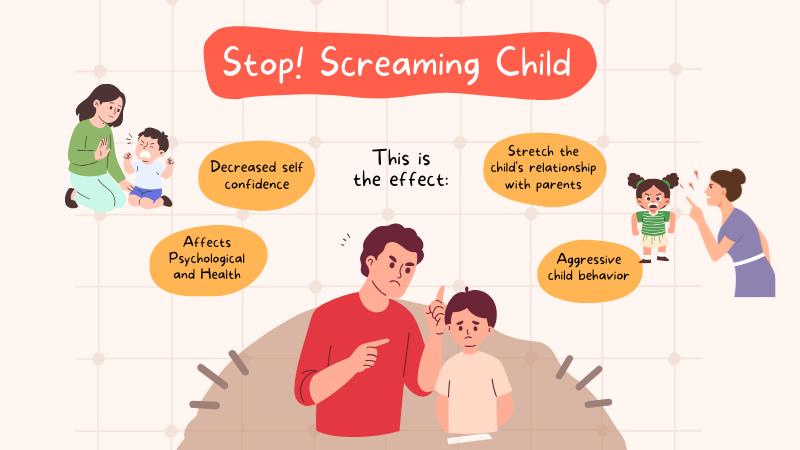
Parenting is tough, and in the heat of the moment, many parents end up yelling at their children. Whether it's because of stress, repeated misbehavior, or simply being overwhelmed, shouting often feels like a quick fix. But while yelling might seem effective in the short term, it can leave lasting emotional and psychological scars on children. Children are especially sensitive to their environment and the emotional tone of their caregivers. When yelling becomes a regular form of
The Hidden Impact of Yelling on Kids’ Mental Health
Parenting is tough, and in the heat of the moment, many parents end up yelling at their children. Whether it's because of stress, repeated misbehavior, or simply being overwhelmed, shouting often feels like a quick fix. But while yelling might seem effective in the short term, it can leave lasting emotional and psychological scars on children. Children are especially sensitive to their environment and the emotional tone of their caregivers. When yelling becomes a regular form of
Asian Health Services in Alameda County integrates dental and mental health care
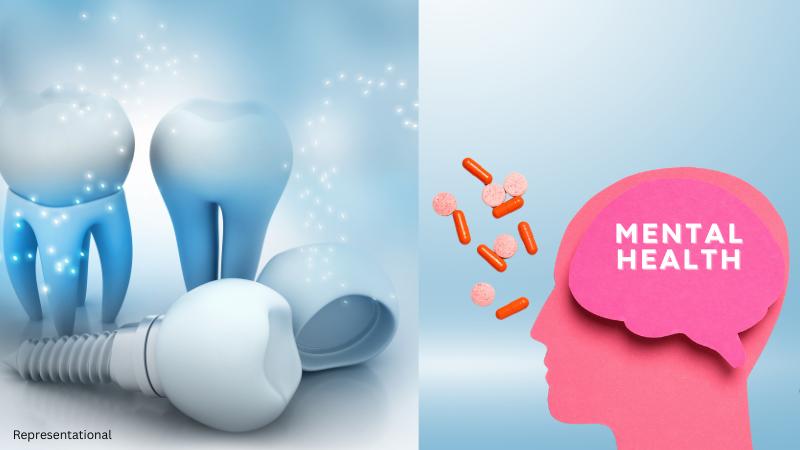
Imagine visiting a dentist not only for your teeth but also for your overall well-being, including mental health support, all in one appointment. This vision has become a reality at Asian Health Services, a community health center in Alameda County that is pioneering a first-of-its-kind integration of dental and wellness care. For thousands of patients in the area who cannot afford private care and who face language barriers, this innovative approach has become
Asian Health Services in Alameda County integrates dental and mental health care
Imagine visiting a dentist not only for your teeth but also for your overall well-being, including mental health support, all in one appointment. This vision has become a reality at Asian Health Services, a community health center in Alameda County that is pioneering a first-of-its-kind integration of dental and wellness care. For thousands of patients in the area who cannot afford private care and who face language barriers, this innovative approach has become
Tips for Managing Career Burnout in Your 40s
Understanding Career Burnout in Your 40s In your 40s, the reality of career burnout can feel overwhelming. By this stage, you’ve likely accumulated years of experience, but the pressure to maintain success, excel in your role, and balance personal life can weigh heavily on your shoulders. Burnout in your 40s can manifest as chronic fatigue, emotional exhaustion, and even health issues if not addressed. Recognizing burnout early is key to managing it effectively. Symptoms such as decreased motivation, fatigue, irritability, physical ailments like headaches, or a drop in performance are signs your mental and emotional well-being are suffering. Let’s dive into the strategies that can help you manage burnout effectively and regain your energy, passion, and work-life balance. 1. Recognize and Acknowledge Burnout Understanding the symptoms of burnout is essential. In your 40s, it’s common to experience: Chronic fatigue, feeling mentally and physically drained despite getting enough rest; Decreased motivation, losing enthusiasm for tasks you once enjoyed; Emotional exhaustion, which includes feelings of frustration, irritability, or detachment from work; Physical symptoms, such as headaches, insomnia, digestive issues, or muscle tension; Decreased performance, including reduced focus, making mistakes, or feeling distracted. Identifying these signs early allows you to take proactive steps before burnout deepens. 2. Reassess Your Career Goals and Values As you approach your 40s, it’s time to reassess whether your current career aligns with your values and goals. Over the years, your priorities may shift, and your job might no longer offer the same fulfillment. It’s important to reflect on what truly matters to you in your career. Taking time to reassess your goals and values will help you realign with what matters most. Reflect on your passions and what parts of your job still bring joy, while identifying aspects that no longer excite you. Setting new career goals that align with your values, such as seeking leadership roles or considering industry changes, can help you find renewed purpose. If your current job no longer fits, considering a career transition might help reignite your passion and enthusiasm for work. 3. Build a Better Work-Life Balance The desire for career success can often overwhelm your personal life, especially in your 40s. Setting boundaries and finding a healthy balance between work and personal time is essential to prevent burnout. Setting boundaries helps you learn to say no to extra work that interferes with your personal time, protecting your well-being. Prioritizing personal activities such as hobbies, spending time with family, or engaging in self-care can restore your mental health. Taking breaks throughout the day gives you time to recharge, clear your mind, and maintain a healthy focus on your tasks. 4. Focus on Stress Management Burnout is often exacerbated by stress, and managing stress becomes even more important in your 40s, as chronic stress can negatively impact both your physical and mental health. Incorporating stress-management techniques into your routine will help you cope with the pressures of work. Practicing mindfulness through meditation or deep breathing exercises can help calm your mind and reduce daily stress. Regular exercise helps relieve stress and boost your overall health, allowing you to stay energized and mentally sharp. Prioritizing sleep is equally important; getting 7-8 hours of quality rest every night restores your energy levels and improves emotional resilience. 5. Learn to Delegate and Seek Help Trying to do everything on your own is a surefire way to contribute to burnout. Recognizing when to delegate tasks and seek support can alleviate the pressure. Delegating tasks at work to colleagues not only helps distribute your workload but also empowers others to grow and contribute. Reaching out for mentorship from a trusted colleague or advisor offers guidance and new perspectives on handling career challenges. Outsourcing personal tasks such as house cleaning or shopping can free up valuable time for relaxation and self-care. 6. Prioritize Your Mental Health Burnout affects not just your work but your mental health as well. In your 40s, it’s crucial to prioritize mental health to maintain a sense of balance and well-being. Seeking emotional support can help you process stress and recover from burnout. Therapy or counseling can help you develop coping strategies for dealing with workplace challenges and personal pressures. Joining a support group gives you the opportunity to connect with others who understand your struggles and can provide valuable advice. Engaging in hobbies allows you to express creativity and take your mind off work, offering a mental break that can improve your overall outlook. 7. Consider Career Changes or Side Projects If your current job continues to drain you despite efforts to manage burnout, it may be time to explore a career change or start a side project. In your 40s, this could be an ideal time to explore new opportunities and reignite your passion for work. Exploring other roles within your current company or in a new field can provide new challenges and growth opportunities. Starting a side hustle or business allows you to tap into your creativity and offer you financial and emotional relief from your main job. Sometimes, simply reevaluating your job fit can help you rediscover excitement in your career, even if it means transitioning to a new role or company. 8. Utilize Flexible and Remote Work Options Flexible work arrangements, including remote work, can significantly reduce stress and improve work-life balance. If your employer offers these options, consider taking advantage of them to help alleviate burnout. Negotiating flexible work hours allows you to adjust your schedule to better fit your personal needs or reduce the stress of commuting. Working remotely can provide you with the space to focus on your tasks without the pressure of an office environment, offering you more control over your time and workload. Career burnout in your 40s involves more than just surviving your current job. It’s about taking proactive steps to reassess your goals, set boundaries, and prioritize your health and well-being. By addressing burnout early, practicing stress management, and considering career changes, you can regain control of your work-life balance and continue to thrive in your mid-career years. With these strategies, you’ll not only manage burnout but also build a sustainable, fulfilling career that aligns with your personal values and passions.
Tips for Managing Career Burnout in Your 40s
Understanding Career Burnout in Your 40s In your 40s, the reality of career burnout can feel overwhelming. By this stage, you’ve likely accumulated years of experience, but the pressure to maintain success, excel in your role, and balance personal life can weigh heavily on your shoulders. Burnout in your 40s can manifest as chronic fatigue, emotional exhaustion, and even health issues if not addressed. Recognizing burnout early is key to managing it effectively. Symptoms such as decreased motivation, fatigue, irritability, physical ailments like headaches, or a drop in performance are signs your mental and emotional well-being are suffering. Let’s dive into the strategies that can help you manage burnout effectively and regain your energy, passion, and work-life balance. 1. Recognize and Acknowledge Burnout Understanding the symptoms of burnout is essential. In your 40s, it’s common to experience: Chronic fatigue, feeling mentally and physically drained despite getting enough rest; Decreased motivation, losing enthusiasm for tasks you once enjoyed; Emotional exhaustion, which includes feelings of frustration, irritability, or detachment from work; Physical symptoms, such as headaches, insomnia, digestive issues, or muscle tension; Decreased performance, including reduced focus, making mistakes, or feeling distracted. Identifying these signs early allows you to take proactive steps before burnout deepens. 2. Reassess Your Career Goals and Values As you approach your 40s, it’s time to reassess whether your current career aligns with your values and goals. Over the years, your priorities may shift, and your job might no longer offer the same fulfillment. It’s important to reflect on what truly matters to you in your career. Taking time to reassess your goals and values will help you realign with what matters most. Reflect on your passions and what parts of your job still bring joy, while identifying aspects that no longer excite you. Setting new career goals that align with your values, such as seeking leadership roles or considering industry changes, can help you find renewed purpose. If your current job no longer fits, considering a career transition might help reignite your passion and enthusiasm for work. 3. Build a Better Work-Life Balance The desire for career success can often overwhelm your personal life, especially in your 40s. Setting boundaries and finding a healthy balance between work and personal time is essential to prevent burnout. Setting boundaries helps you learn to say no to extra work that interferes with your personal time, protecting your well-being. Prioritizing personal activities such as hobbies, spending time with family, or engaging in self-care can restore your mental health. Taking breaks throughout the day gives you time to recharge, clear your mind, and maintain a healthy focus on your tasks. 4. Focus on Stress Management Burnout is often exacerbated by stress, and managing stress becomes even more important in your 40s, as chronic stress can negatively impact both your physical and mental health. Incorporating stress-management techniques into your routine will help you cope with the pressures of work. Practicing mindfulness through meditation or deep breathing exercises can help calm your mind and reduce daily stress. Regular exercise helps relieve stress and boost your overall health, allowing you to stay energized and mentally sharp. Prioritizing sleep is equally important; getting 7-8 hours of quality rest every night restores your energy levels and improves emotional resilience. 5. Learn to Delegate and Seek Help Trying to do everything on your own is a surefire way to contribute to burnout. Recognizing when to delegate tasks and seek support can alleviate the pressure. Delegating tasks at work to colleagues not only helps distribute your workload but also empowers others to grow and contribute. Reaching out for mentorship from a trusted colleague or advisor offers guidance and new perspectives on handling career challenges. Outsourcing personal tasks such as house cleaning or shopping can free up valuable time for relaxation and self-care. 6. Prioritize Your Mental Health Burnout affects not just your work but your mental health as well. In your 40s, it’s crucial to prioritize mental health to maintain a sense of balance and well-being. Seeking emotional support can help you process stress and recover from burnout. Therapy or counseling can help you develop coping strategies for dealing with workplace challenges and personal pressures. Joining a support group gives you the opportunity to connect with others who understand your struggles and can provide valuable advice. Engaging in hobbies allows you to express creativity and take your mind off work, offering a mental break that can improve your overall outlook. 7. Consider Career Changes or Side Projects If your current job continues to drain you despite efforts to manage burnout, it may be time to explore a career change or start a side project. In your 40s, this could be an ideal time to explore new opportunities and reignite your passion for work. Exploring other roles within your current company or in a new field can provide new challenges and growth opportunities. Starting a side hustle or business allows you to tap into your creativity and offer you financial and emotional relief from your main job. Sometimes, simply reevaluating your job fit can help you rediscover excitement in your career, even if it means transitioning to a new role or company. 8. Utilize Flexible and Remote Work Options Flexible work arrangements, including remote work, can significantly reduce stress and improve work-life balance. If your employer offers these options, consider taking advantage of them to help alleviate burnout. Negotiating flexible work hours allows you to adjust your schedule to better fit your personal needs or reduce the stress of commuting. Working remotely can provide you with the space to focus on your tasks without the pressure of an office environment, offering you more control over your time and workload. Career burnout in your 40s involves more than just surviving your current job. It’s about taking proactive steps to reassess your goals, set boundaries, and prioritize your health and well-being. By addressing burnout early, practicing stress management, and considering career changes, you can regain control of your work-life balance and continue to thrive in your mid-career years. With these strategies, you’ll not only manage burnout but also build a sustainable, fulfilling career that aligns with your personal values and passions.
How to Overcome the Fear of Job Loss in a Recession
1. Reframe Your Fear as a Catalyst for Growth Fear is often a signal that something is amiss. Instead of viewing fear as a roadblock, reframe it as a trigger for change. This fear can prompt you to take a closer look at your career—are you in the right job? Does your current role align with your long-term goals, passions, and skillset? A recession can be the perfect


How to Overcome the Fear of Job Loss in a Recession
1. Reframe Your Fear as a Catalyst for Growth Fear is often a signal that something is amiss. Instead of viewing fear as a roadblock, reframe it as a trigger for change. This fear can prompt you to take a closer look at your career—are you in the right job? Does your current role align with your long-term goals, passions, and skillset? A recession can be the perfect
How to Build a Successful Career in 2025: Key Strategies for Success
In 2025, the world of work is evolving rapidly, and building a successful career requires more than just technical expertise. Adapting to changes in technology, work culture, and personal development is crucial to staying ahead in today’s professional world. Here are key strategies to help you navigate the future job market and build a thriving career. 1. Upskill Regularly As industries transform due to technological advancements, continuous learning is essenti
How to Build a Successful Career in 2025: Key Strategies for Success
In 2025, the world of work is evolving rapidly, and building a successful career requires more than just technical expertise. Adapting to changes in technology, work culture, and personal development is crucial to staying ahead in today’s professional world. Here are key strategies to help you navigate the future job market and build a thriving career. 1. Upskill Regularly As industries transform due to technological advancements, continuous learning is essenti
Why Smoking for Stress Relief Is a Dangerous Trap That Worsens Anxiety
Many people reach for a cigarette to relieve stress, believing it will help calm their nerves and provide immediate relief. A stressful day at work, family tension, or even mounting pressures in life often leads to this habitual response. However, smoking is far from the stress relief people think it is. In reality, it is a dangerous trap that perpetuates anxiety and worsens mental health in the long run. Nicotine, t
Why Smoking for Stress Relief Is a Dangerous Trap That Worsens Anxiety
Many people reach for a cigarette to relieve stress, believing it will help calm their nerves and provide immediate relief. A stressful day at work, family tension, or even mounting pressures in life often leads to this habitual response. However, smoking is far from the stress relief people think it is. In reality, it is a dangerous trap that perpetuates anxiety and worsens mental health in the long run. Nicotine, t
World Brain Day 2025: Theme, Significance, and Tips for Boosting Brain Health Across All Ages
World Brain Day, observed annually on July 22, is an important initiative that highlights the significance of brain health and neurological care across the globe. Established by the World Federation of Neurology (WFN) in 2014, this event aims to raise awareness about the importance of safeguarding neurological health at every stage of life from childhood through to older adulthood. The primary goal of World Brain Day is to emphasize early intervention, education
World Brain Day 2025: Theme, Significance, and Tips for Boosting Brain Health Across All Ages
World Brain Day, observed annually on July 22, is an important initiative that highlights the significance of brain health and neurological care across the globe. Established by the World Federation of Neurology (WFN) in 2014, this event aims to raise awareness about the importance of safeguarding neurological health at every stage of life from childhood through to older adulthood. The primary goal of World Brain Day is to emphasize early intervention, education
The secret to building a strong personality lies in small daily steps
Personality development is not something that occurs overnight. It is a slow and steady process shaped by choices, routines, and the way we respond to the world around us. While life-changing moments are often celebrated, it is actually the smaller, consistent actions taken every day that create a lasting impact on who we are. Whether it’s reading a page from a book, choosing kindness in a tough moment, or following through on a promise to yourself, these simple actions accumulate and buil
The secret to building a strong personality lies in small daily steps
Personality development is not something that occurs overnight. It is a slow and steady process shaped by choices, routines, and the way we respond to the world around us. While life-changing moments are often celebrated, it is actually the smaller, consistent actions taken every day that create a lasting impact on who we are. Whether it’s reading a page from a book, choosing kindness in a tough moment, or following through on a promise to yourself, these simple actions accumulate and buil