




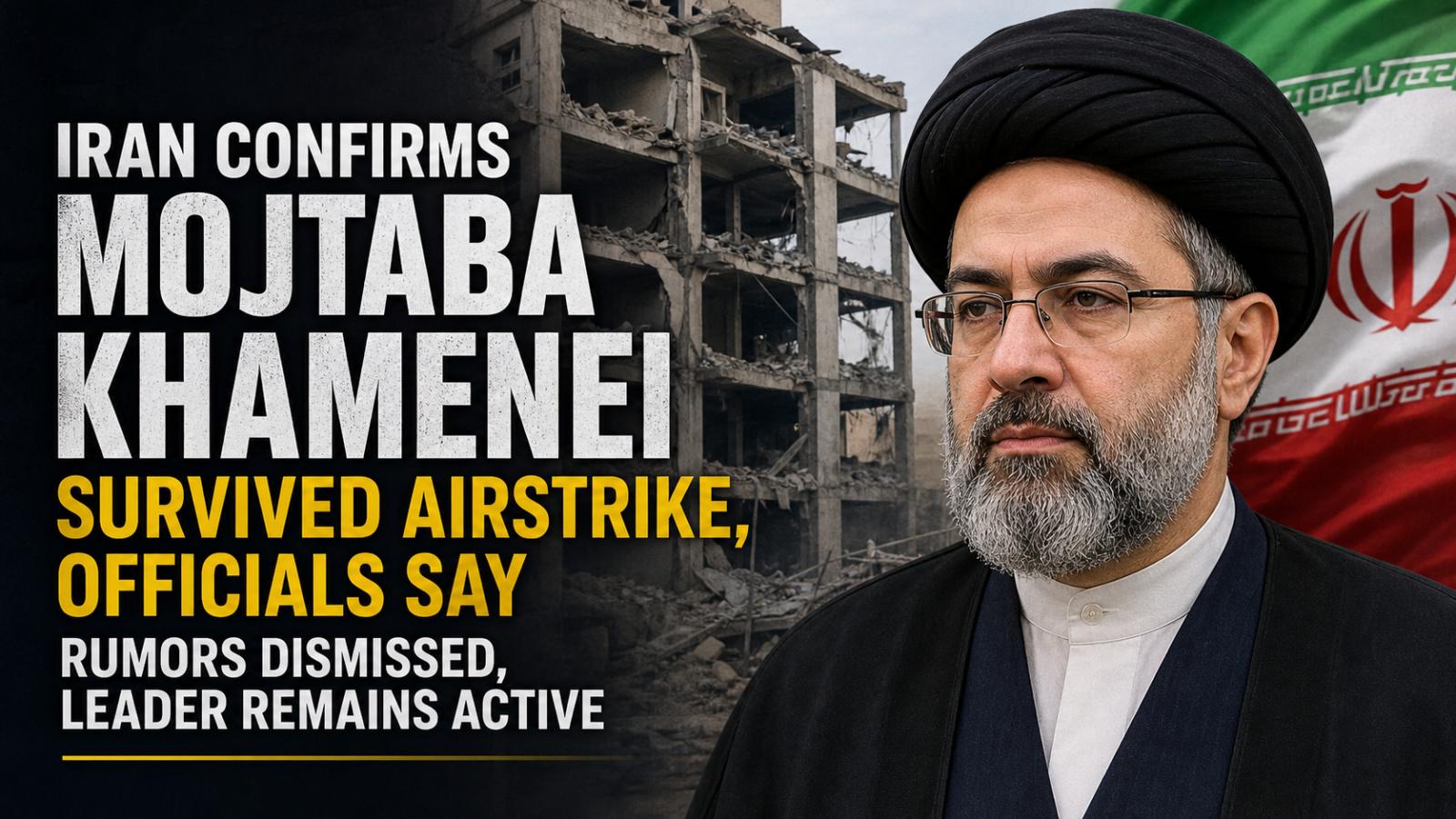
What happened to Mojtaba Khamenei during the Iran conflict? He survived an airstrike, officials say
Iranian authorities on Friday, May 1, confirmed that Mojtaba Khamenei was present in a building that was later destroyed in an airstrike during the ongoing Iran conflict, which began on February 28. Officials stated that he survived the attack and remains in active control of key state matters, while also dismissing widespread speculation about his health and absence from public appearances. Senior official details narrow escape during bombing Ayatollah Mohsen Qomi, a senior member of Iran’s Assembly of Experts and Deputy for International Affairs in the Supreme Leader’s office, said that Mojtaba Khamenei had been inside the targeted building shortly before it was struck. According to Qomi, Khamenei moved into the courtyard just minutes before the explosion, avoiding the fatal impact that reportedly killed others inside. Qomi described the survival as a matter of timing, emphasizing that the leader’s presence in the building had been confirmed but that his movement moments before the strike ultimately ensured his safety. The airstrike was part of ongoing hostilities that have escalated since late February. Officials assert leader remains in control of national affairs Despite rumors circulating internationally, Iranian officials maintained that Mojtaba Khamenei is in good health and continues to oversee both diplomatic and operational matters. Qomi stated that Khamenei is directly supervising negotiations and military-related decisions, including providing guidance to negotiating teams under varying conditions. The comments appear aimed at reinforcing internal stability and projecting continuity in leadership during a period of heightened geopolitical tension. Iranian officials emphasized that decision-making authority remains firmly centralized under Khamenei’s direction. Iran dismisses Western speculation as strategic pressure Qomi also addressed claims from Western sources regarding the leader’s health, characterizing them as deliberate attempts to provoke a response from Tehran. He suggested that questions about Khamenei’s public absence are part of a broader strategy to create uncertainty and apply psychological pressure. According to Qomi, such narratives are intended to push Iranian officials into reactive communication, which could be leveraged for strategic advantage by adversaries. Acknowledgment of injuries and focus on protection While firmly denying claims of serious health concerns, Qomi indicated that Mojtaba Khamenei may have sustained injuries during the incident. He stated that ensuring the leader’s safety has become a top priority for Iranian authorities, underscoring the importance of preserving leadership continuity amid the conflict. Officials reiterated that despite any injuries, Khamenei remains active and engaged in directing national policy, reinforcing the government’s position that leadership stability has not been compromised.
What happened to Mojtaba Khamenei during the Iran conflict? He survived an airstrike, officials say
Iranian authorities on Friday, May 1, confirmed that Mojtaba Khamenei was present in a building that was later destroyed in an airstrike during the ongoing Iran conflict, which began on February 28. Officials stated that he survived the attack and remains in active control of key state matters, while also dismissing widespread speculation about his health and absence from public appearances. Senior official details narrow escape during bombing Ayatollah Mohsen Qomi, a senior member of Iran’s Assembly of Experts and Deputy for International Affairs in the Supreme Leader’s office, said that Mojtaba Khamenei had been inside the targeted building shortly before it was struck. According to Qomi, Khamenei moved into the courtyard just minutes before the explosion, avoiding the fatal impact that reportedly killed others inside. Qomi described the survival as a matter of timing, emphasizing that the leader’s presence in the building had been confirmed but that his movement moments before the strike ultimately ensured his safety. The airstrike was part of ongoing hostilities that have escalated since late February. Officials assert leader remains in control of national affairs Despite rumors circulating internationally, Iranian officials maintained that Mojtaba Khamenei is in good health and continues to oversee both diplomatic and operational matters. Qomi stated that Khamenei is directly supervising negotiations and military-related decisions, including providing guidance to negotiating teams under varying conditions. The comments appear aimed at reinforcing internal stability and projecting continuity in leadership during a period of heightened geopolitical tension. Iranian officials emphasized that decision-making authority remains firmly centralized under Khamenei’s direction. Iran dismisses Western speculation as strategic pressure Qomi also addressed claims from Western sources regarding the leader’s health, characterizing them as deliberate attempts to provoke a response from Tehran. He suggested that questions about Khamenei’s public absence are part of a broader strategy to create uncertainty and apply psychological pressure. According to Qomi, such narratives are intended to push Iranian officials into reactive communication, which could be leveraged for strategic advantage by adversaries. Acknowledgment of injuries and focus on protection While firmly denying claims of serious health concerns, Qomi indicated that Mojtaba Khamenei may have sustained injuries during the incident. He stated that ensuring the leader’s safety has become a top priority for Iranian authorities, underscoring the importance of preserving leadership continuity amid the conflict. Officials reiterated that despite any injuries, Khamenei remains active and engaged in directing national policy, reinforcing the government’s position that leadership stability has not been compromised.

Indian student’s death in Chicago highlights mental health and visa stress
A 26-year-old Indian student from Andhra Pradesh died by suicide in Chicago after struggling to find a job post-graduation. Facing financial pressure and emotional stress, he left messages before his death. A fundraiser is underway to support repatriation and assist his family. Indian student’s death in Chicago highlights mental health and visa stress as Iraganaboyina Chandu, a 26-year-old graduate from Andhra Pradesh, died by suicide at his residence in Chicago
Indian student’s death in Chicago highlights mental health and visa stress
A 26-year-old Indian student from Andhra Pradesh died by suicide in Chicago after struggling to find a job post-graduation. Facing financial pressure and emotional stress, he left messages before his death. A fundraiser is underway to support repatriation and assist his family. Indian student’s death in Chicago highlights mental health and visa stress as Iraganaboyina Chandu, a 26-year-old graduate from Andhra Pradesh, died by suicide at his residence in Chicago
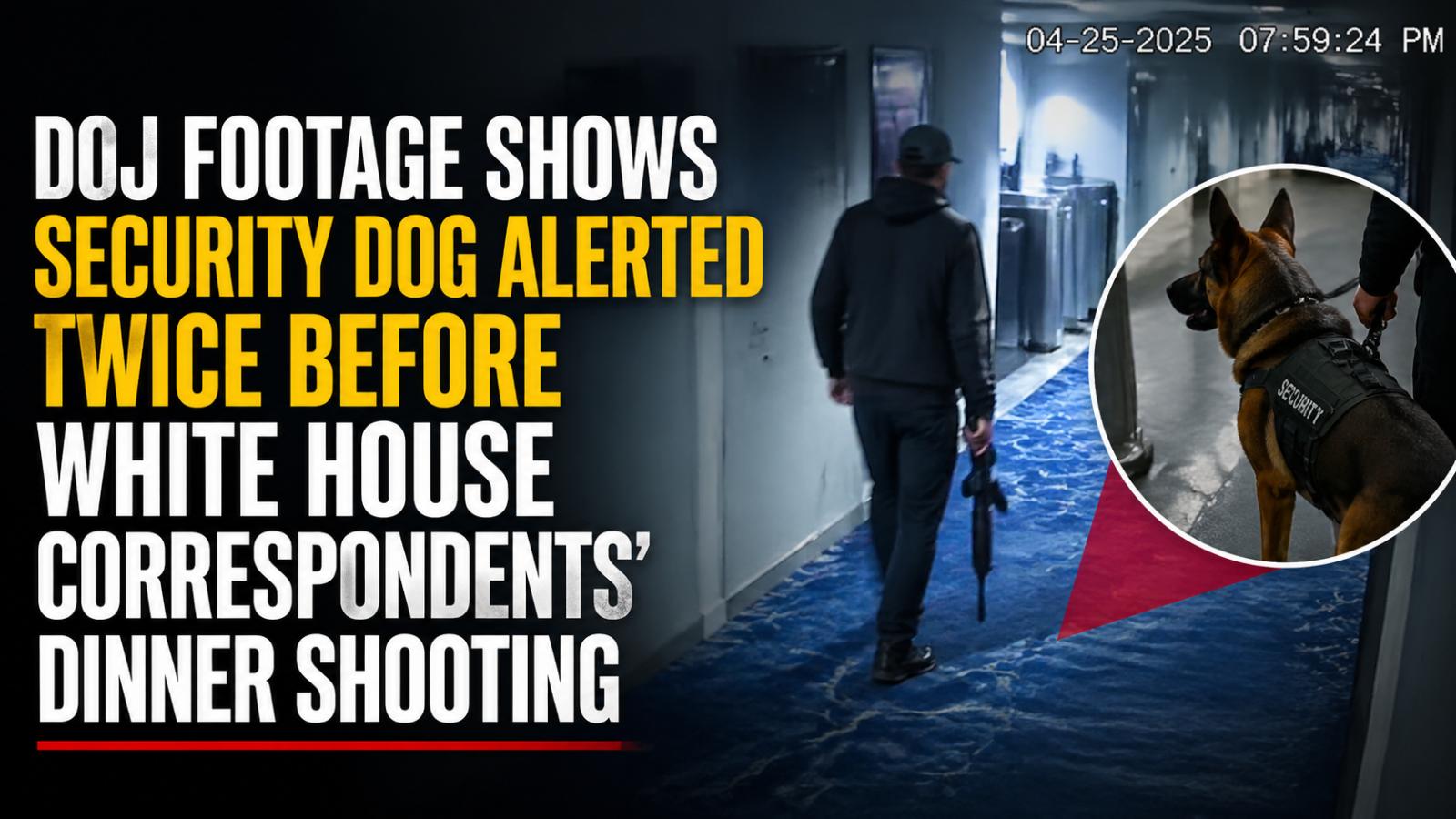
Security footage shows missed dog alerts before White House shooting
DOJ footage shows missed security dog alerts before shooting at WHCD A newly released video from the Justice Department has uncovered crucial details about the attempted shooting at the White House Correspondents' Dinner (WHCD). The footage reveals that a security dog alerted to Cole Tomas Allen’s presence twice, but these warnings went unnoticed, allowing the suspect to fire at a Secret Service officer before being detained. The video, shared by US Attorney Jeanine Pirro on social media platform X, shows Allen walking through the Hilton Hotel the night before the attack. In a chilling moment, the security dog reacts to Allen as he passes, signaling potential danger. However, despite these two distinct alerts, the handler fails to acknowledge the dog's warning, allowing Allen to continue his movement through the hotel. The footage captures the suspect armed with a shotgun, heading toward a security checkpoint where he shoots a Secret Service officer. The video highlights how Allen was moving through the hotel, appearing to “case the area” before the shooting. He can be seen walking through corridors and even passing through a gym in the hours before the more dramatic scene. The footage reveals Allen approaching the magnetometer checkpoint, where he charges past uniformed officers and agents, carrying a long-barrelled firearm. In a slow-motion clip of the video, a Secret Service agent fires three times at Allen, although police have confirmed that Allen was not shot. Instead, Allen was tackled and detained after a brief struggle with security personnel. The officer who was shot survived the attack, thanks to the protection provided by his ballistic vest. Pirro, in her statement, clarified that there is no evidence that friendly fire caused the shooting. She emphasized that the footage had already been provided to the US District Court for further legal action. Allen, a 31-year-old from California, has been charged with attempting to assassinate the president. If convicted, he faces up to life in prison. This latest video offers crucial insight into the incident, showing the missed warnings and the sequence of events that allowed the shooter to carry out the attack.
Security footage shows missed dog alerts before White House shooting
DOJ footage shows missed security dog alerts before shooting at WHCD A newly released video from the Justice Department has uncovered crucial details about the attempted shooting at the White House Correspondents' Dinner (WHCD). The footage reveals that a security dog alerted to Cole Tomas Allen’s presence twice, but these warnings went unnoticed, allowing the suspect to fire at a Secret Service officer before being detained. The video, shared by US Attorney Jeanine Pirro on social media platform X, shows Allen walking through the Hilton Hotel the night before the attack. In a chilling moment, the security dog reacts to Allen as he passes, signaling potential danger. However, despite these two distinct alerts, the handler fails to acknowledge the dog's warning, allowing Allen to continue his movement through the hotel. The footage captures the suspect armed with a shotgun, heading toward a security checkpoint where he shoots a Secret Service officer. The video highlights how Allen was moving through the hotel, appearing to “case the area” before the shooting. He can be seen walking through corridors and even passing through a gym in the hours before the more dramatic scene. The footage reveals Allen approaching the magnetometer checkpoint, where he charges past uniformed officers and agents, carrying a long-barrelled firearm. In a slow-motion clip of the video, a Secret Service agent fires three times at Allen, although police have confirmed that Allen was not shot. Instead, Allen was tackled and detained after a brief struggle with security personnel. The officer who was shot survived the attack, thanks to the protection provided by his ballistic vest. Pirro, in her statement, clarified that there is no evidence that friendly fire caused the shooting. She emphasized that the footage had already been provided to the US District Court for further legal action. Allen, a 31-year-old from California, has been charged with attempting to assassinate the president. If convicted, he faces up to life in prison. This latest video offers crucial insight into the incident, showing the missed warnings and the sequence of events that allowed the shooter to carry out the attack.
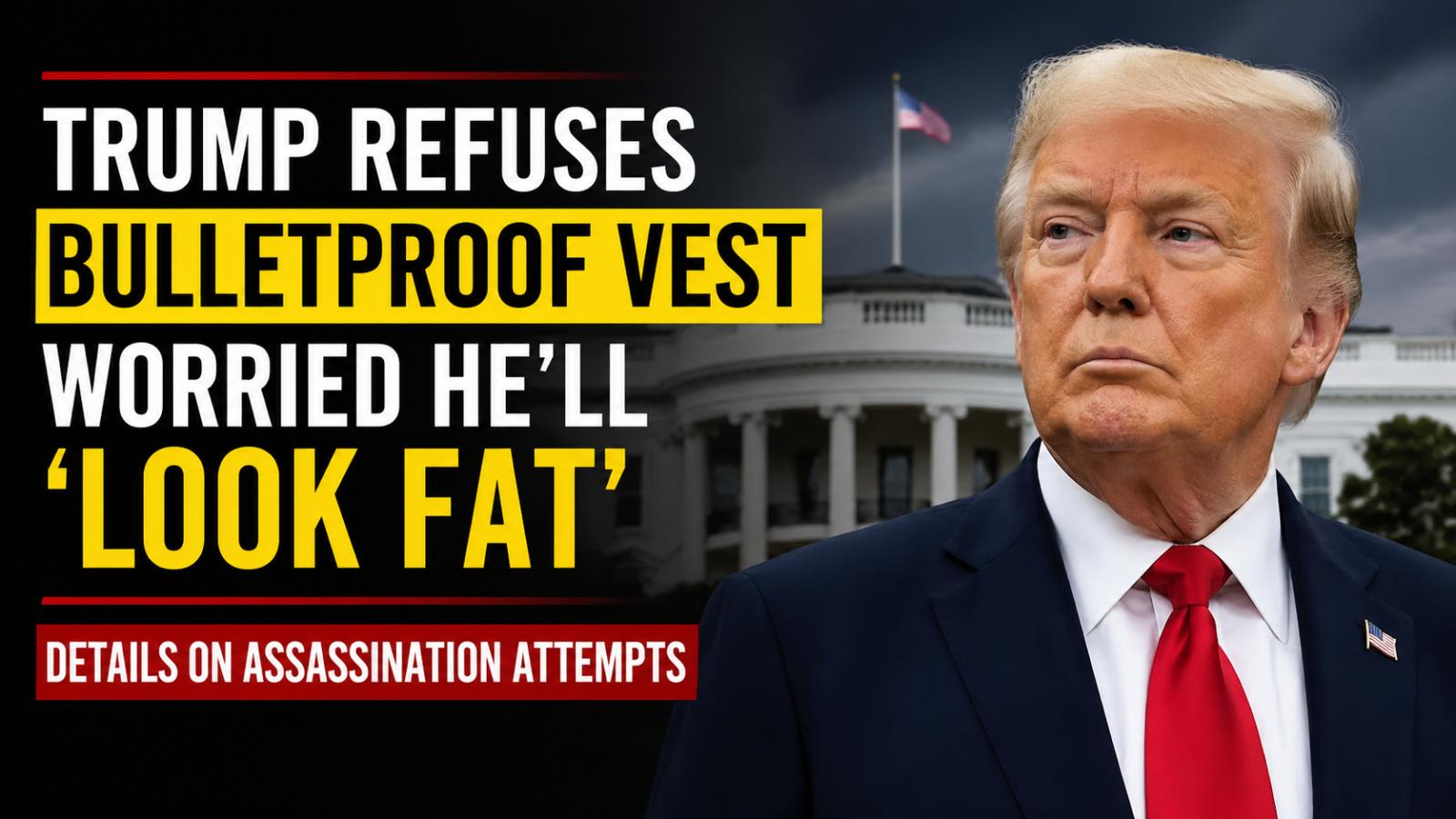
Trump avoids bulletproof vest citing appearance concerns after shooting at WHCA dinner
Trump discusses concerns about wearing bulletproof vest On April 30, 2026, U.S. President Donald Trump opened up about his hesitations regarding the use of a bulletproof vest following the shooting incident at the White House Correspondent’s Association (WHCA) dinner. "Would you wear a bulletproof vest at future events?" asked a reporter. Trump responded with his usual candidness: “I don’t know if I can handle looking 20 pounds heavier.” His concern stemmed not just from practicality but also from the image of surrendering to a threat. He continued, “It’s something you consider, but you don’t want to give in to a bad element.” These remarks came in light of recent security concerns regarding the WHCA shooting, where Trump and his team were the intended targets. Assassination attempts on Trump The suspect in the WHCA shooting has been identified as Cole Tomas Allen. He has been charged with attempting to assassinate the president. Secret Service agents prevented the assailant from reaching the ballroom during the gala event. This shooting marked another terrifying moment in a series of major assassination attempts against President Trump. Trump has faced three major assassination attempts during his time in office. Besides the WHCA attack, Trump was also targeted during a golfing trip at the Trump International Golf Club in Florida. The suspect, Ryan Wesley Routh, was observed by a Secret Service agent who saw a rifle barrel poking through a fence. After a quick response, the agent fired at Routh, who fled but was apprehended shortly after during a traffic stop. Routh was convicted of attempted assassination and other related charges, and was sentenced to life in prison in September 2025. Trump survives gunshot at campaign rally Another close call occurred in July 2024, when Trump was campaigning for president. Thomas Matthew Crooks fired multiple shots from a rooftop, one of which grazed Trump’s right ear, causing visible bleeding. Crooks was quickly neutralized by a Secret Service sniper, who killed him seconds after the shooting began. This assassination attempt reinforced the need for heightened security around the president. With Trump’s life under constant threat, security protocols have grown increasingly strict. However, his reluctance to wear a bulletproof vest highlights the complex balance between presidential safety and public image. While Trump’s safety is paramount, his concern about the perception of vulnerability speaks volumes about his approach to leadership and his struggle with the idea of appearing weak in front of the public. In conclusion, Trump continues to weigh the risks to his personal appearance versus the potential life-threatening risks posed by ongoing assassination attempts. Despite being advised about protective measures, he remains conflicted about whether to let public perception influence his security decisions.
Trump avoids bulletproof vest citing appearance concerns after shooting at WHCA dinner
Trump discusses concerns about wearing bulletproof vest On April 30, 2026, U.S. President Donald Trump opened up about his hesitations regarding the use of a bulletproof vest following the shooting incident at the White House Correspondent’s Association (WHCA) dinner. "Would you wear a bulletproof vest at future events?" asked a reporter. Trump responded with his usual candidness: “I don’t know if I can handle looking 20 pounds heavier.” His concern stemmed not just from practicality but also from the image of surrendering to a threat. He continued, “It’s something you consider, but you don’t want to give in to a bad element.” These remarks came in light of recent security concerns regarding the WHCA shooting, where Trump and his team were the intended targets. Assassination attempts on Trump The suspect in the WHCA shooting has been identified as Cole Tomas Allen. He has been charged with attempting to assassinate the president. Secret Service agents prevented the assailant from reaching the ballroom during the gala event. This shooting marked another terrifying moment in a series of major assassination attempts against President Trump. Trump has faced three major assassination attempts during his time in office. Besides the WHCA attack, Trump was also targeted during a golfing trip at the Trump International Golf Club in Florida. The suspect, Ryan Wesley Routh, was observed by a Secret Service agent who saw a rifle barrel poking through a fence. After a quick response, the agent fired at Routh, who fled but was apprehended shortly after during a traffic stop. Routh was convicted of attempted assassination and other related charges, and was sentenced to life in prison in September 2025. Trump survives gunshot at campaign rally Another close call occurred in July 2024, when Trump was campaigning for president. Thomas Matthew Crooks fired multiple shots from a rooftop, one of which grazed Trump’s right ear, causing visible bleeding. Crooks was quickly neutralized by a Secret Service sniper, who killed him seconds after the shooting began. This assassination attempt reinforced the need for heightened security around the president. With Trump’s life under constant threat, security protocols have grown increasingly strict. However, his reluctance to wear a bulletproof vest highlights the complex balance between presidential safety and public image. While Trump’s safety is paramount, his concern about the perception of vulnerability speaks volumes about his approach to leadership and his struggle with the idea of appearing weak in front of the public. In conclusion, Trump continues to weigh the risks to his personal appearance versus the potential life-threatening risks posed by ongoing assassination attempts. Despite being advised about protective measures, he remains conflicted about whether to let public perception influence his security decisions.
Will Donald Trump win Nobel Peace Prize 2026? Key facts and timeline
Nobel Peace Prize 2026: Trump emerges as likely contender Donald Trump is being seen as a likely contender for the Nobel Peace Prize 2026, with 287 candidates under review, but the final list remains strictly confidential. Kristian Berg Harpviken, secretary of the Norwegian Nobel Committee, confirmed that the total nominations include 208 individuals and 79 organisations, highlighting strong global participation despite ongoing conf
Will Donald Trump win Nobel Peace Prize 2026? Key facts and timeline
Nobel Peace Prize 2026: Trump emerges as likely contender Donald Trump is being seen as a likely contender for the Nobel Peace Prize 2026, with 287 candidates under review, but the final list remains strictly confidential. Kristian Berg Harpviken, secretary of the Norwegian Nobel Committee, confirmed that the total nominations include 208 individuals and 79 organisations, highlighting strong global participation despite ongoing conf
Earthquakes near Area 51 spark nuclear test rumors amid US-Iran tensions
Earthquakes near Area 51 raise questions amid rising tensions A series of earthquakes near Area 51 in Nevada between April 29 and April 30, 2026, has sparked widespread attention, with at least 17 tremors recorded within a 24 to 48-hour window, most around magnitude 4.4. The seismic activity occurred during this short time frame and has dr
Earthquakes near Area 51 spark nuclear test rumors amid US-Iran tensions
Earthquakes near Area 51 raise questions amid rising tensions A series of earthquakes near Area 51 in Nevada between April 29 and April 30, 2026, has sparked widespread attention, with at least 17 tremors recorded within a 24 to 48-hour window, most around magnitude 4.4. The seismic activity occurred during this short time frame and has dr
Hegseth says Iran ceasefire pauses war powers clock amid congressional concerns
The Trump war powers debate took center stage in Washington as Defense Secretary Pete Hegseth told lawmakers that a ceasefire with Iran pauses the legal clock under the War Powers Resolution, a claim that has triggered strong political and legal reactions. The dispute comes just before the 60-day deadline that typically requires the president to seek approval from Congress to continue military action, raising questions about how the law should be applied during a ceasefire. Speaking before the Senate Armed Services Committee, Hegseth argued that ongoing ceasefire conditions mean the countdown does not apply in the usual way. Under the War Powers Resolution, introduced in 1973, presidents must inform Congress within 48 hours of military action and must withdraw troops within 60 days unless lawmakers approve continued engagement. Lawmakers had expected this deadline to expire on May 1, but Hegseth’s interpretation suggests otherwise. Hegseth avoided giving a clear answer when asked if the administration of Donald Trump would seek formal authorization. Instead, he defended the administration’s actions and criticized opponents, saying that internal political disagreements weaken the country’s position. His remarks came during discussions on the Pentagon’s proposed $1.45 trillion budget, though much of the focus shifted to the Iran conflict and its legal implications. Several lawmakers from both parties expressed concern. Senator Tim Kaine warned that the situation raises serious constitutional questions, while some Republicans also indicated they may oppose continuing military operations without approval. Others supported a more flexible interpretation, especially during active negotiations or ceasefire periods. Legal experts, however, strongly rejected the argument that a ceasefire pauses the law. Analysts pointed out that US naval forces remain active in the region, including operations in the Strait of Hormuz, suggesting that hostilities have not fully stopped. Scholars emphasized that the law does not include any provision for pausing the timeline. The conflict has already had wider consequences, including rising energy prices and increased tensions in the region. Critics have also accused the administration of starting the conflict without a clear immediate threat. During the hearing, Senator Elissa Slotkin questioned whether the administration could truly claim progress while key trade routes remain unstable. The exchange grew tense at times, reflecting deep divisions over the handling of the situation. While military officials maintained a more measured tone, political leaders continued to clash over strategy, legality, and communication with the public. As the deadline passes, the debate over war powers, presidential authority, and congressional oversight is expected to intensify further.
Hegseth says Iran ceasefire pauses war powers clock amid congressional concerns
The Trump war powers debate took center stage in Washington as Defense Secretary Pete Hegseth told lawmakers that a ceasefire with Iran pauses the legal clock under the War Powers Resolution, a claim that has triggered strong political and legal reactions. The dispute comes just before the 60-day deadline that typically requires the president to seek approval from Congress to continue military action, raising questions about how the law should be applied during a ceasefire. Speaking before the Senate Armed Services Committee, Hegseth argued that ongoing ceasefire conditions mean the countdown does not apply in the usual way. Under the War Powers Resolution, introduced in 1973, presidents must inform Congress within 48 hours of military action and must withdraw troops within 60 days unless lawmakers approve continued engagement. Lawmakers had expected this deadline to expire on May 1, but Hegseth’s interpretation suggests otherwise. Hegseth avoided giving a clear answer when asked if the administration of Donald Trump would seek formal authorization. Instead, he defended the administration’s actions and criticized opponents, saying that internal political disagreements weaken the country’s position. His remarks came during discussions on the Pentagon’s proposed $1.45 trillion budget, though much of the focus shifted to the Iran conflict and its legal implications. Several lawmakers from both parties expressed concern. Senator Tim Kaine warned that the situation raises serious constitutional questions, while some Republicans also indicated they may oppose continuing military operations without approval. Others supported a more flexible interpretation, especially during active negotiations or ceasefire periods. Legal experts, however, strongly rejected the argument that a ceasefire pauses the law. Analysts pointed out that US naval forces remain active in the region, including operations in the Strait of Hormuz, suggesting that hostilities have not fully stopped. Scholars emphasized that the law does not include any provision for pausing the timeline. The conflict has already had wider consequences, including rising energy prices and increased tensions in the region. Critics have also accused the administration of starting the conflict without a clear immediate threat. During the hearing, Senator Elissa Slotkin questioned whether the administration could truly claim progress while key trade routes remain unstable. The exchange grew tense at times, reflecting deep divisions over the handling of the situation. While military officials maintained a more measured tone, political leaders continued to clash over strategy, legality, and communication with the public. As the deadline passes, the debate over war powers, presidential authority, and congressional oversight is expected to intensify further.
UAE travel ban to Iran, Lebanon, Iraq amid rising Middle East tensions
UAE issues immediate travel ban amid rising tensions The United Arab Emirates has imposed an immediate travel ban to Iran, Lebanon, and Iraq starting April 30, ordering its citizens to avoid travel and urging those currently in these countries to return without delay as regional tensions intensify. The move comes as security risks grow across West Asia, with increasing military activity and stalled diplomatic efforts. The UAE Ministry of Foreign Affairs confirmed that the travel ban came into effect immediately from Thursday (April 30). Travel to Iran, Lebanon, and Iraq is now restricted, and citizens already present there have been strongly advised to leave at the earliest opportunity, highlighting the government’s focus on citizen safety. What triggered the UAE travel ban? The decision follows rising instability, security threats, and reports of missile and drone risks in the region. Earlier advisories had warned of possible attacks, and although some alerts were later eased, authorities stress that the situation remains volatile and unpredictable. What role is the United States playing? The United States continues to maintain a strategic presence. Reports indicate that Donald Trump is reviewing military strategies presented by United States Central Command. These include short, targeted strikes aimed at pressuring Iran into negotiations, particularly around the Strait of Hormuz, a critical global oil route. CENTCOM also confirmed that US Air Force fighter jets are conducting routine patrols to support regional stability, signaling heightened readiness amid ongoing tensions. Are advanced defense systems deployed in the UAE? Yes. Reports suggest that Israel has provided support through advanced systems similar to the Iron Dome. These defense systems are designed to intercept missiles and drones, adding a layer of protection. Surveillance technologies capable of detecting threats at long range have also reportedly been deployed, indicating a coordinated regional defense strategy. What is happening with Iran-US talks? Diplomatic talks between Iran and the United States have stalled again. Iran proposed a three-stage plan involving ending hostilities, lifting maritime restrictions, and negotiating its nuclear program, but the proposal has not been accepted. Disagreements, especially regarding Hezbollah, have further complicated the process. Despite earlier ceasefire discussions, tensions have resurfaced, affecting key areas like the Strait of Hormuz and increasing global concern. The breakdown in negotiations has added to uncertainty across the region. What does this mean for UAE citizens? The UAE government has emphasized that citizen safety is the top priority, and the immediate travel ban is a precautionary step. By urging citizens to return quickly, authorities aim to minimize exposure to potential conflict zones. Residents are advised to stay updated and follow official guidance closely as the situation continues to evolve.
UAE travel ban to Iran, Lebanon, Iraq amid rising Middle East tensions
UAE issues immediate travel ban amid rising tensions The United Arab Emirates has imposed an immediate travel ban to Iran, Lebanon, and Iraq starting April 30, ordering its citizens to avoid travel and urging those currently in these countries to return without delay as regional tensions intensify. The move comes as security risks grow across West Asia, with increasing military activity and stalled diplomatic efforts. The UAE Ministry of Foreign Affairs confirmed that the travel ban came into effect immediately from Thursday (April 30). Travel to Iran, Lebanon, and Iraq is now restricted, and citizens already present there have been strongly advised to leave at the earliest opportunity, highlighting the government’s focus on citizen safety. What triggered the UAE travel ban? The decision follows rising instability, security threats, and reports of missile and drone risks in the region. Earlier advisories had warned of possible attacks, and although some alerts were later eased, authorities stress that the situation remains volatile and unpredictable. What role is the United States playing? The United States continues to maintain a strategic presence. Reports indicate that Donald Trump is reviewing military strategies presented by United States Central Command. These include short, targeted strikes aimed at pressuring Iran into negotiations, particularly around the Strait of Hormuz, a critical global oil route. CENTCOM also confirmed that US Air Force fighter jets are conducting routine patrols to support regional stability, signaling heightened readiness amid ongoing tensions. Are advanced defense systems deployed in the UAE? Yes. Reports suggest that Israel has provided support through advanced systems similar to the Iron Dome. These defense systems are designed to intercept missiles and drones, adding a layer of protection. Surveillance technologies capable of detecting threats at long range have also reportedly been deployed, indicating a coordinated regional defense strategy. What is happening with Iran-US talks? Diplomatic talks between Iran and the United States have stalled again. Iran proposed a three-stage plan involving ending hostilities, lifting maritime restrictions, and negotiating its nuclear program, but the proposal has not been accepted. Disagreements, especially regarding Hezbollah, have further complicated the process. Despite earlier ceasefire discussions, tensions have resurfaced, affecting key areas like the Strait of Hormuz and increasing global concern. The breakdown in negotiations has added to uncertainty across the region. What does this mean for UAE citizens? The UAE government has emphasized that citizen safety is the top priority, and the immediate travel ban is a precautionary step. By urging citizens to return quickly, authorities aim to minimize exposure to potential conflict zones. Residents are advised to stay updated and follow official guidance closely as the situation continues to evolve.
Pakistan commissions first Hangor-class submarine built in China
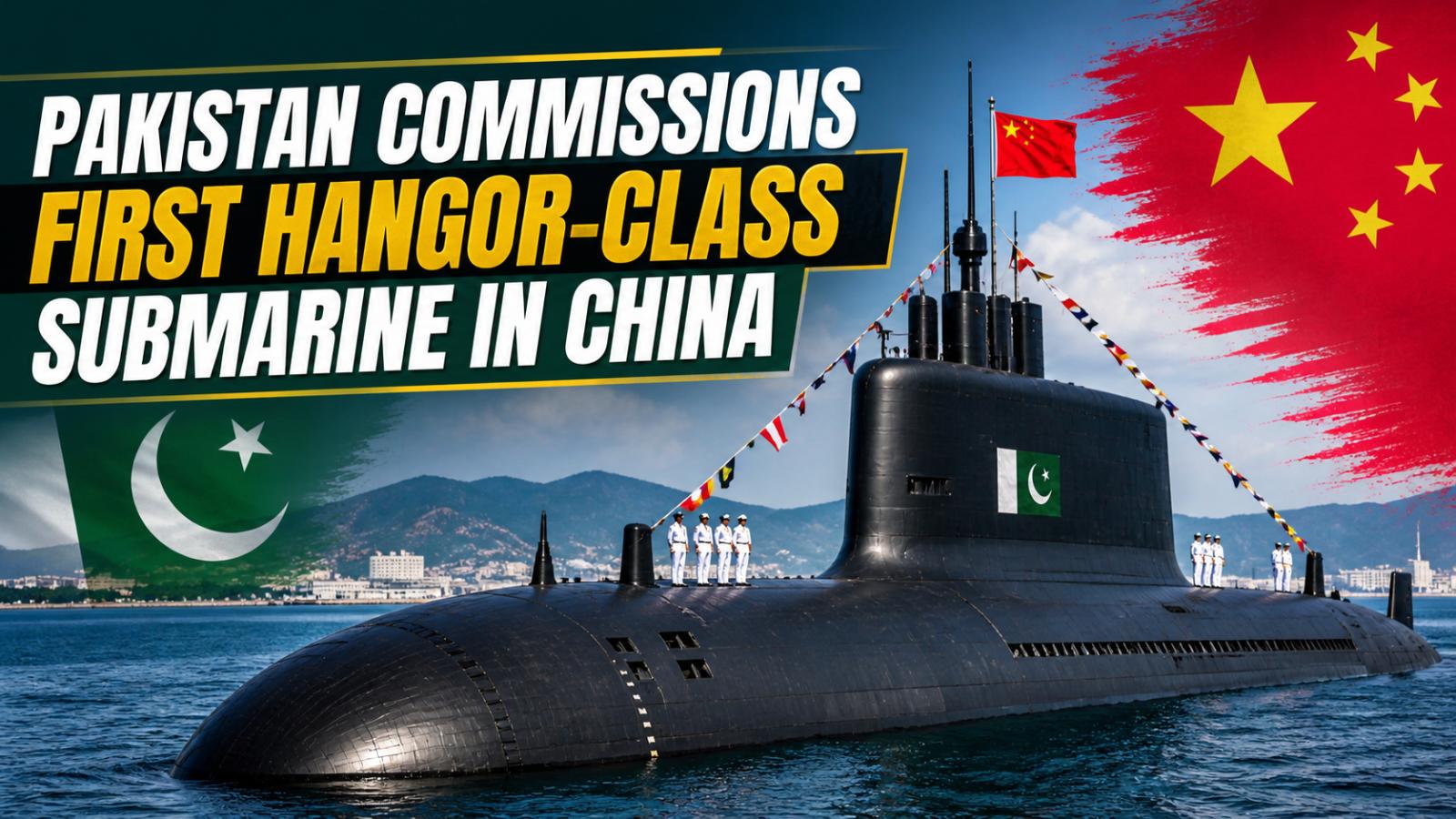
Pakistan submarine induction marks major naval boost Pakistan submarine induction marked a major milestone as the country commissioned its first Hangor-class submarine built in China. The ceremony was held in Sanya and attended by President Asif Ali Zardari and Naval Chief Admiral Naveed Ashraf. This move highlights strong China Pakistan defence cooperation and signals a major expansion in naval fleet capacity.
Pakistan commissions first Hangor-class submarine built in China
Pakistan submarine induction marks major naval boost Pakistan submarine induction marked a major milestone as the country commissioned its first Hangor-class submarine built in China. The ceremony was held in Sanya and attended by President Asif Ali Zardari and Naval Chief Admiral Naveed Ashraf. This move highlights strong China Pakistan defence cooperation and signals a major expansion in naval fleet capacity.
Trump signals tariff rollback to boost Scotland–Kentucky whiskey trade
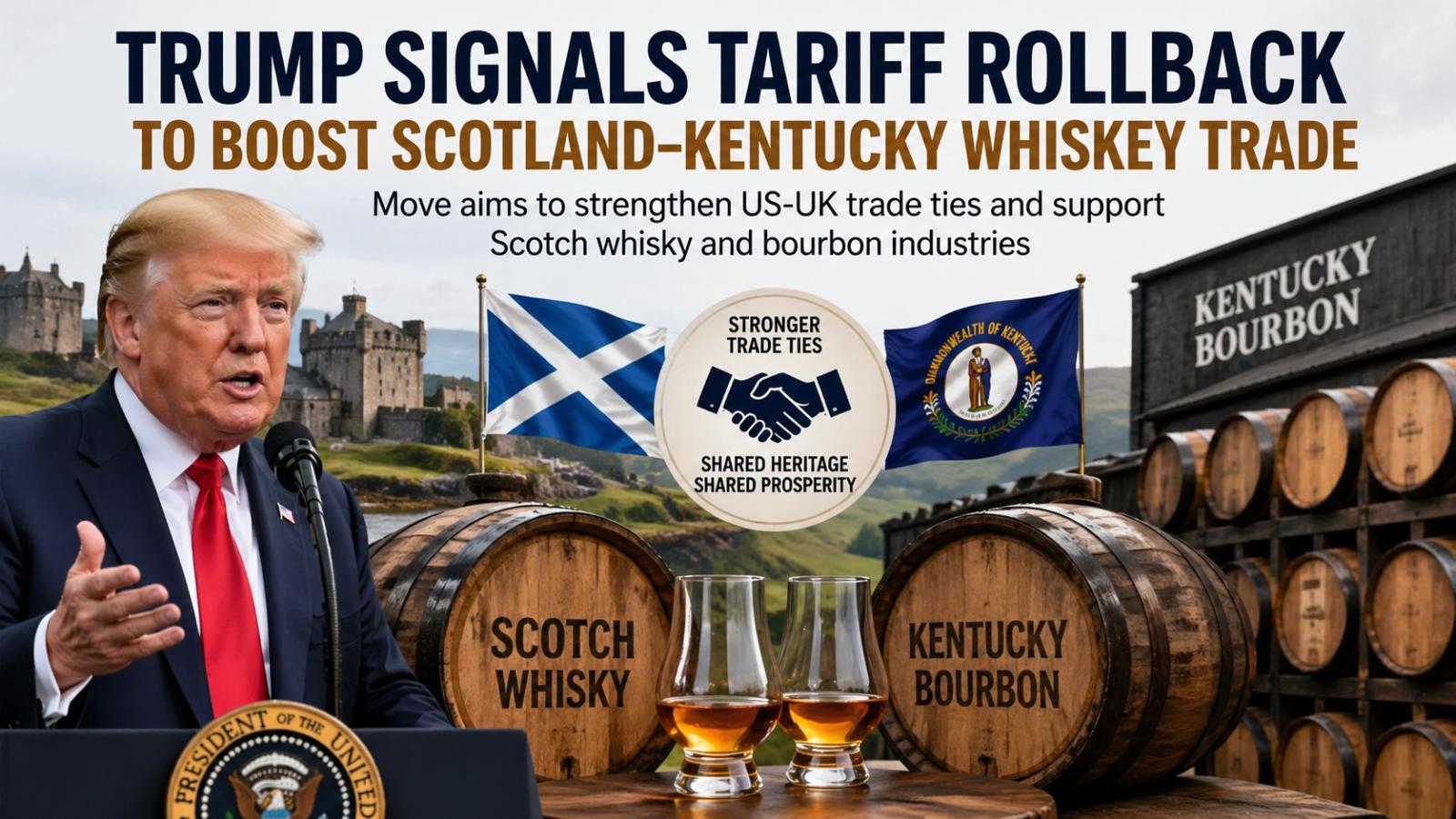
President Donald Trump announced plans on Thursday, April 30, 2026, to remove tariffs affecting whiskey trade between Scotland and Kentucky, aiming to boost US-UK trade ties and support the Scotch whisky and bourbon industries. Trump signals tariff rollback to boost Scotland–Kentucky whiskey trade — Donald Trump announced on Thursday, April 30, 2026, that he intends t
Trump signals tariff rollback to boost Scotland–Kentucky whiskey trade
President Donald Trump announced plans on Thursday, April 30, 2026, to remove tariffs affecting whiskey trade between Scotland and Kentucky, aiming to boost US-UK trade ties and support the Scotch whisky and bourbon industries. Trump signals tariff rollback to boost Scotland–Kentucky whiskey trade — Donald Trump announced on Thursday, April 30, 2026, that he intends t
Why is the Pentagon’s $25 billion war cost estimate questioned? Experts say it may be incomplete
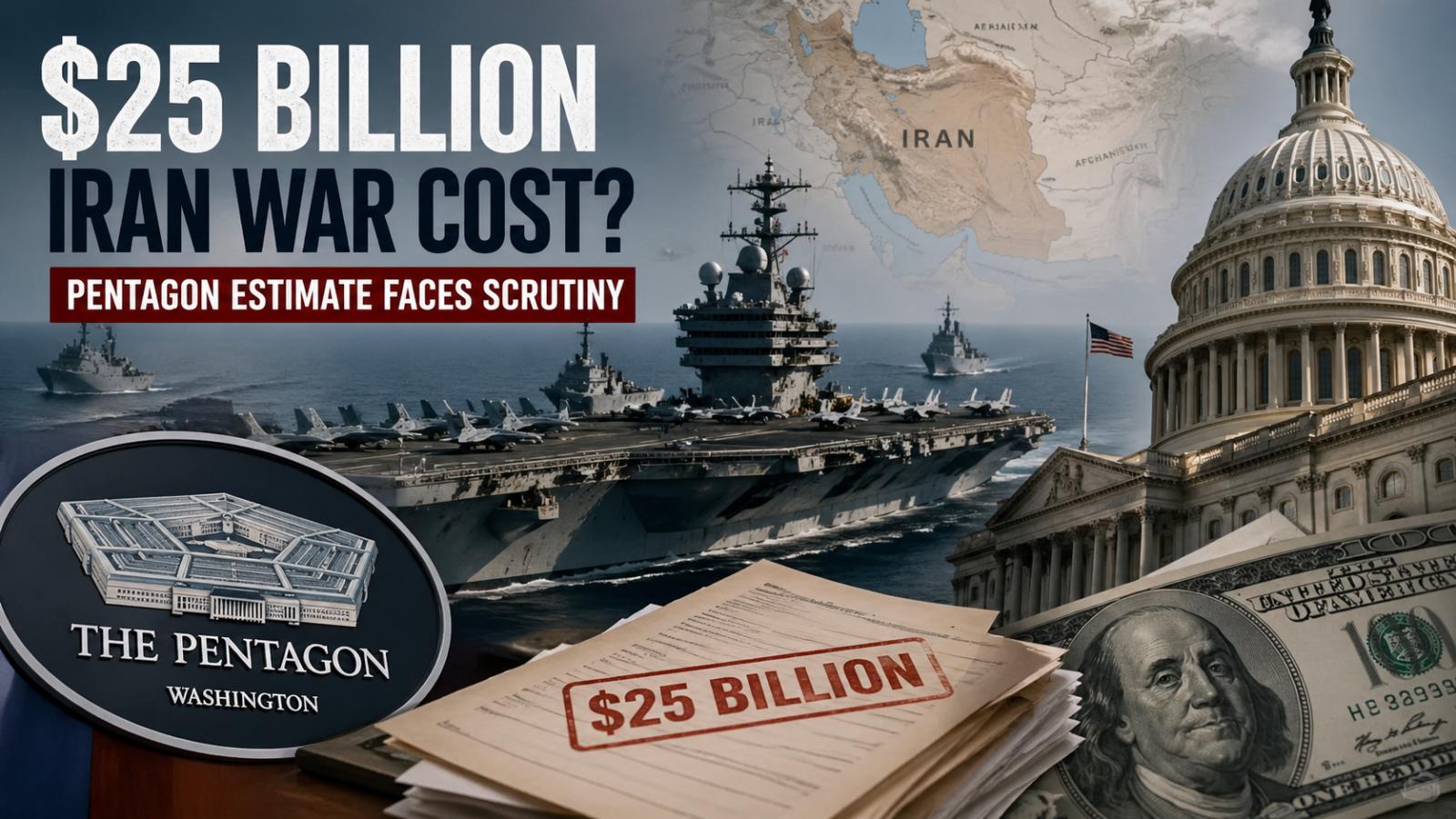
The United States Department of Defense has estimated that its ongoing military conflict with Iran has cost approximately $25 billion, but analysts and lawmakers are raising concerns that the figure may significantly understate the true financial burden. The estimate was presented during a congressional hearing on Tuesday, April 29, 2026, where Pentagon officials outlined current war-related expenditures without offering a detailed breakdown. Congressional hearing reveals l
Why is the Pentagon’s $25 billion war cost estimate questioned? Experts say it may be incomplete
The United States Department of Defense has estimated that its ongoing military conflict with Iran has cost approximately $25 billion, but analysts and lawmakers are raising concerns that the figure may significantly understate the true financial burden. The estimate was presented during a congressional hearing on Tuesday, April 29, 2026, where Pentagon officials outlined current war-related expenditures without offering a detailed breakdown. Congressional hearing reveals l
Texas Fuel Prices Jump, Squeezing Household Budgets
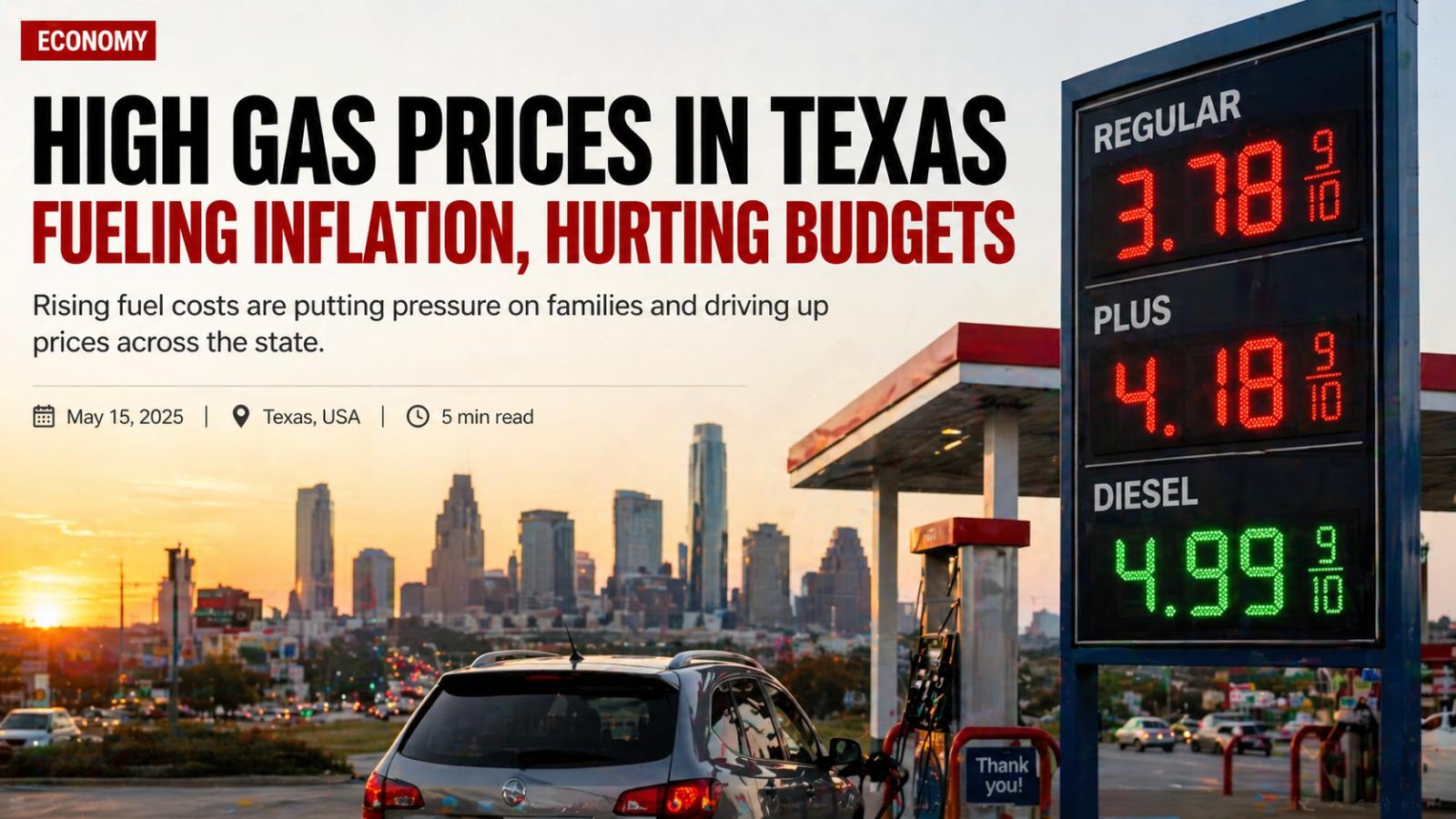
The numbers on gas station signs across Texas are rising fast—and for many drivers, so is the stress. What used to be a routine fill-up is now a moment of hesitation, as fuel costs eat deeper into already stretched budgets. High gas prices in Texas have surged in recent weeks, climbing from about $2.55 per gallon in early February to nearly $3.78. The sharp increase is being driven by global tensions that have disrupted oil supply routes, sending ripple effects through loca
Texas Fuel Prices Jump, Squeezing Household Budgets
The numbers on gas station signs across Texas are rising fast—and for many drivers, so is the stress. What used to be a routine fill-up is now a moment of hesitation, as fuel costs eat deeper into already stretched budgets. High gas prices in Texas have surged in recent weeks, climbing from about $2.55 per gallon in early February to nearly $3.78. The sharp increase is being driven by global tensions that have disrupted oil supply routes, sending ripple effects through loca

India Meets Record Power Demand Solar Delivers 21 Percent Boost In Historic Energy Shift
At 3:38 pm on April 25, India recorded its highest-ever electricity demand of 256.1 GW and successfully met it without disruption. According to GRID India, solar energy contributed around 57 GW during peak demand, accounting for nearly 21 percent of the total supply. Earlier in the day, solar output had peaked even higher, reaching about 81 GW at 12:30 pm, which was nearly one-third of the
India Meets Record Power Demand Solar Delivers 21 Percent Boost In Historic Energy Shift
At 3:38 pm on April 25, India recorded its highest-ever electricity demand of 256.1 GW and successfully met it without disruption. According to GRID India, solar energy contributed around 57 GW during peak demand, accounting for nearly 21 percent of the total supply. Earlier in the day, solar output had peaked even higher, reaching about 81 GW at 12:30 pm, which was nearly one-third of the
Vijay TVK Exit Poll Shock Axis My India Predicts MGR Style Rise In Tamil Nadu
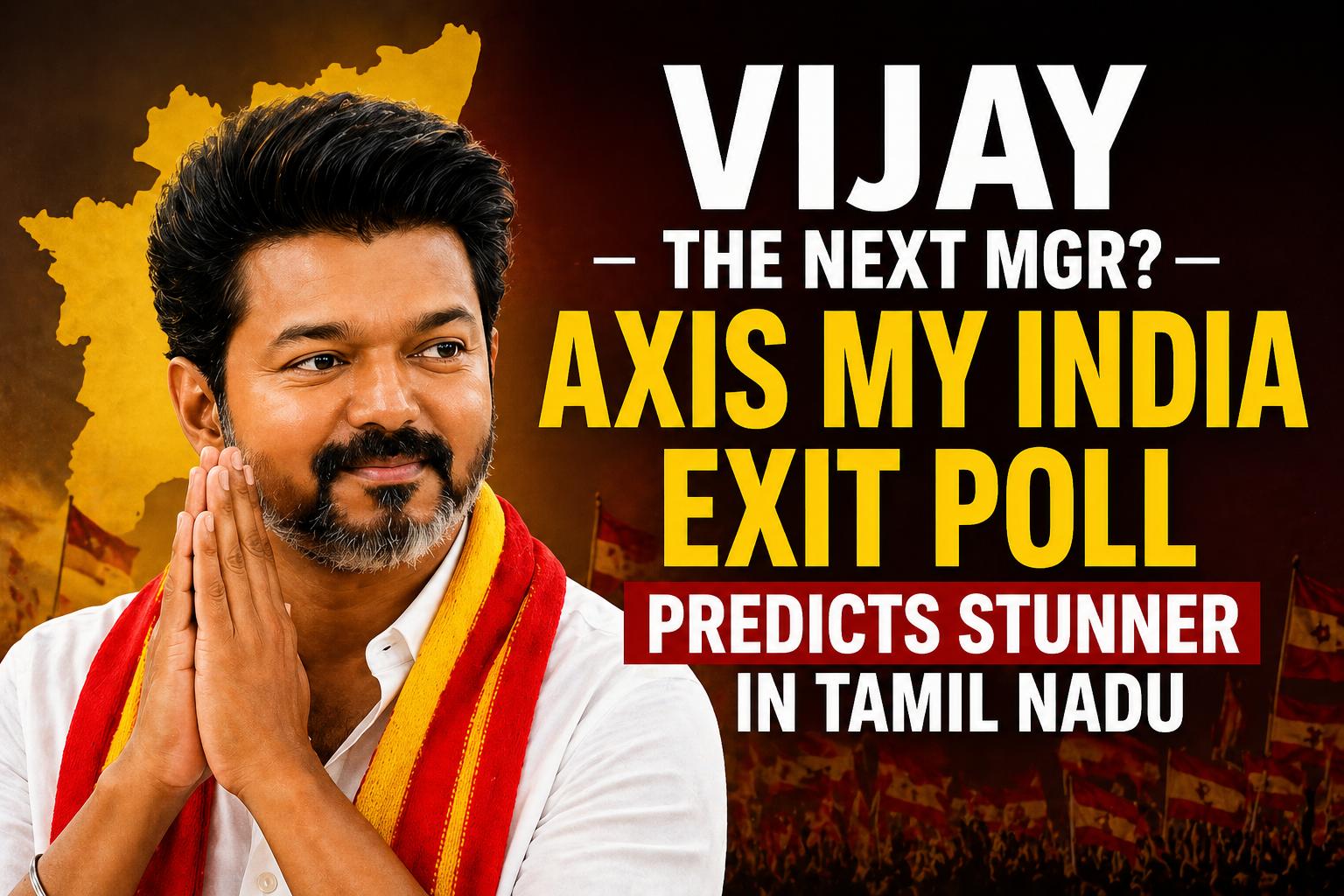
Vijay’s political debut is shaping into a potential game changer, with an Axis My India exit poll projecting a stunning performance for his party Tamilaga Vettri Kazhagam in Tamil Nadu. The survey suggests a major shift in the state’s political landscape, long dominated by two major Dravidian parties. According to the Axis My India exit poll, TVK is projected to win between 98 and 120 seats in the 234-member Assembly, placing it on par with the ruling alliance led by M. K. Stalin. The DMK-INC alliance is estimated to secure 92 to 110 seats, while the NDA alliance trails behind with 22 to 32 seats. The vote share projections are equally striking. TVK is expected to secure around 35 percent of the vote, matching the ruling bloc and leaving the All India Anna Dravida Munnetra Kazhagam-led alliance significantly behind. These numbers indicate that TVK is not merely a spoiler but a serious contender for power. Axis My India chief Pradeep Gupta compared Vijay’s rise to that of legendary leaders MGR and NTR, hinting at a historic political transformation if the projections hold true. The exit poll data points to a strong youth-driven surge behind TVK. Around 68 percent of first-time voters aged 18 to 19 and 59 percent in the 20 to 29 age group are estimated to have supported the party. This demographic advantage has helped TVK build momentum quickly across urban and semi-urban constituencies. The central theme driving support appears to be the demand for change. A significant portion of voters cited this as their primary reason, with even higher numbers among TVK supporters. Vijay’s personal appeal has also played a key role, blending celebrity influence with political messaging. TVK’s support base cuts across caste, class and geography, making it a broad-based movement rather than a niche political force. The party has gained traction among OBC, SC and minority communities, as well as both rural and urban voters. With Vijay emerging as the preferred chief ministerial candidate for many voters, slightly ahead of Stalin in the survey, the state’s political contest appears tighter than ever. While exit polls can be unpredictable, the data signals one clear trend: Tamil Nadu may be witnessing the rise of a powerful new political force.
Vijay TVK Exit Poll Shock Axis My India Predicts MGR Style Rise In Tamil Nadu
Vijay’s political debut is shaping into a potential game changer, with an Axis My India exit poll projecting a stunning performance for his party Tamilaga Vettri Kazhagam in Tamil Nadu. The survey suggests a major shift in the state’s political landscape, long dominated by two major Dravidian parties. According to the Axis My India exit poll, TVK is projected to win between 98 and 120 seats in the 234-member Assembly, placing it on par with the ruling alliance led by M. K. Stalin. The DMK-INC alliance is estimated to secure 92 to 110 seats, while the NDA alliance trails behind with 22 to 32 seats. The vote share projections are equally striking. TVK is expected to secure around 35 percent of the vote, matching the ruling bloc and leaving the All India Anna Dravida Munnetra Kazhagam-led alliance significantly behind. These numbers indicate that TVK is not merely a spoiler but a serious contender for power. Axis My India chief Pradeep Gupta compared Vijay’s rise to that of legendary leaders MGR and NTR, hinting at a historic political transformation if the projections hold true. The exit poll data points to a strong youth-driven surge behind TVK. Around 68 percent of first-time voters aged 18 to 19 and 59 percent in the 20 to 29 age group are estimated to have supported the party. This demographic advantage has helped TVK build momentum quickly across urban and semi-urban constituencies. The central theme driving support appears to be the demand for change. A significant portion of voters cited this as their primary reason, with even higher numbers among TVK supporters. Vijay’s personal appeal has also played a key role, blending celebrity influence with political messaging. TVK’s support base cuts across caste, class and geography, making it a broad-based movement rather than a niche political force. The party has gained traction among OBC, SC and minority communities, as well as both rural and urban voters. With Vijay emerging as the preferred chief ministerial candidate for many voters, slightly ahead of Stalin in the survey, the state’s political contest appears tighter than ever. While exit polls can be unpredictable, the data signals one clear trend: Tamil Nadu may be witnessing the rise of a powerful new political force.
Exit Polls 2026 DMK Leads TN Congress Comeback Kerala NDA Sweep Assam Bengal Tight
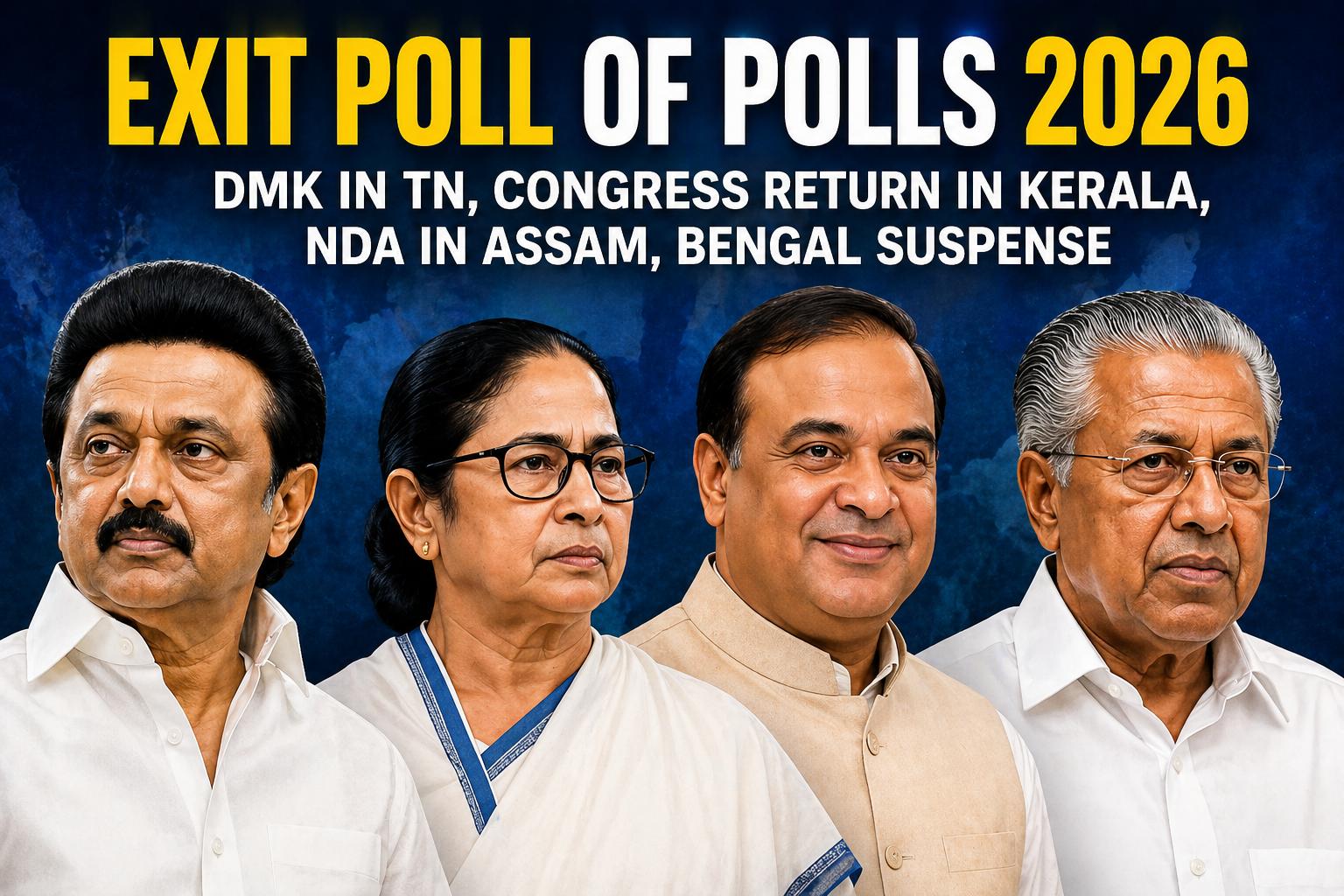
A poll of exit polls for the 2026 assembly elections across key states indicates a mixed political landscape, with different parties gaining ground in different regions. While the Bharatiya Janata Party is projected to dominate Assam, the Dravida Munnetra Kazhagam is expected to retain power in Tam
Exit Polls 2026 DMK Leads TN Congress Comeback Kerala NDA Sweep Assam Bengal Tight
A poll of exit polls for the 2026 assembly elections across key states indicates a mixed political landscape, with different parties gaining ground in different regions. While the Bharatiya Janata Party is projected to dominate Assam, the Dravida Munnetra Kazhagam is expected to retain power in Tam

Ganga Expressway Opens Bringing Faster Travel From Delhi Noida And Haryana
Date: April 30, 2026 | Time: Morning Update | Place: Uttar Pradesh, India Prime Minister Narendra Modi on Wednesday inaugurated the 594-km-long Ganga Expressway from Hardoi in Uttar Pradesh, officially opening one of the state’s most important infrastructure projects. The expressway connects eastern and western parts of Uttar Pradesh, creating a faster and more efficient travel corridor. A large public gathering was held near the Sadarpur interchange in Hapur district to mark the occasion, with around 5,000 attendees including ministers, MPs, MLAs and senior officials. With the inauguration complete, the expressway is now open for traffic, offering a new route that is expected to cut down travel time significantly across the state. The Ganga Expressway, stretching nearly 594 kilometres, is set to improve connectivity between western Uttar Pradesh and Prayagraj. It will make travel easier and faster for both pilgrims and regular commuters. People traveling from Delhi, Noida, Ghaziabad, Baghpat and nearby regions in Haryana are expected to benefit the most from this new route. Officials say the improved road network could make same-day trips to Prayagraj more convenient, allowing devotees to visit the Triveni Sangam and return on the same day, which was earlier difficult due to long travel hours New Travel Times and Better Routes: The biggest advantage of the Ganga Expressway is the reduction in travel time. Journeys that earlier took up to 10 or 12 hours can now be completed in much less time depending on traffic flow. The expressway offers a more direct and less crowded route, helping drivers avoid busy city roads and delays.This new route also benefits travelers coming from Haryana and western Uttar Pradesh, giving them easier access to eastern regions without multiple diversions. The expressway is built to support high-speed travel, which helps improve efficiency for both personal and business trips. Transport companies will especially benefit from quicker delivery times and reduced fuel consumption. Impact On Economy and Daily Life: The opening of the Ganga Expressway is expected to boost economic growth in Uttar Pradesh. Improved connectivity attracts industries, logistics hubs and commercial activities along the route. This creates new job opportunities and supports development in nearby towns and cities.The expressway also makes it easier for people to travel for tourism and religious purposes. Prayagraj, known for its cultural and spiritual importance, will now be more accessible for visitors from Delhi and surrounding areas. Overall, the Ganga Expressway is a major step towards modern infrastructure, offering faster travel, better connectivity and new growth opportunities across the region.
Ganga Expressway Opens Bringing Faster Travel From Delhi Noida And Haryana
Date: April 30, 2026 | Time: Morning Update | Place: Uttar Pradesh, India Prime Minister Narendra Modi on Wednesday inaugurated the 594-km-long Ganga Expressway from Hardoi in Uttar Pradesh, officially opening one of the state’s most important infrastructure projects. The expressway connects eastern and western parts of Uttar Pradesh, creating a faster and more efficient travel corridor. A large public gathering was held near the Sadarpur interchange in Hapur district to mark the occasion, with around 5,000 attendees including ministers, MPs, MLAs and senior officials. With the inauguration complete, the expressway is now open for traffic, offering a new route that is expected to cut down travel time significantly across the state. The Ganga Expressway, stretching nearly 594 kilometres, is set to improve connectivity between western Uttar Pradesh and Prayagraj. It will make travel easier and faster for both pilgrims and regular commuters. People traveling from Delhi, Noida, Ghaziabad, Baghpat and nearby regions in Haryana are expected to benefit the most from this new route. Officials say the improved road network could make same-day trips to Prayagraj more convenient, allowing devotees to visit the Triveni Sangam and return on the same day, which was earlier difficult due to long travel hours New Travel Times and Better Routes: The biggest advantage of the Ganga Expressway is the reduction in travel time. Journeys that earlier took up to 10 or 12 hours can now be completed in much less time depending on traffic flow. The expressway offers a more direct and less crowded route, helping drivers avoid busy city roads and delays.This new route also benefits travelers coming from Haryana and western Uttar Pradesh, giving them easier access to eastern regions without multiple diversions. The expressway is built to support high-speed travel, which helps improve efficiency for both personal and business trips. Transport companies will especially benefit from quicker delivery times and reduced fuel consumption. Impact On Economy and Daily Life: The opening of the Ganga Expressway is expected to boost economic growth in Uttar Pradesh. Improved connectivity attracts industries, logistics hubs and commercial activities along the route. This creates new job opportunities and supports development in nearby towns and cities.The expressway also makes it easier for people to travel for tourism and religious purposes. Prayagraj, known for its cultural and spiritual importance, will now be more accessible for visitors from Delhi and surrounding areas. Overall, the Ganga Expressway is a major step towards modern infrastructure, offering faster travel, better connectivity and new growth opportunities across the region.

Milma Approves ₹4 Per Litre Milk Price Hike In Kerala From May 20
The Kerala Cooperative Milk Marketing Federation (Milma) has approved a ₹4 per litre increase in milk prices across Kerala, a move that is expected to come into effect from May 20, 2026. The decision was taken during a high-level meeting of the cooperative’s governing body on April 30, 2026, amid growi
Milma Approves ₹4 Per Litre Milk Price Hike In Kerala From May 20
The Kerala Cooperative Milk Marketing Federation (Milma) has approved a ₹4 per litre increase in milk prices across Kerala, a move that is expected to come into effect from May 20, 2026. The decision was taken during a high-level meeting of the cooperative’s governing body on April 30, 2026, amid growi

Trump Passport Plan Draws Satire From California Governor Newsom
California Governor Gavin Newsom has escalated his public criticism of Donald Trump by sharing another satirical design, this time featuring mock “limited edition” license plates bearing his own image. The post follows an earlier jab in which Newsom released a parody driver’s license design, both aim
Trump Passport Plan Draws Satire From California Governor Newsom
California Governor Gavin Newsom has escalated his public criticism of Donald Trump by sharing another satirical design, this time featuring mock “limited edition” license plates bearing his own image. The post follows an earlier jab in which Newsom released a parody driver’s license design, both aim
Trump Comments on Ukraine and Iran Wars Spark Confusion
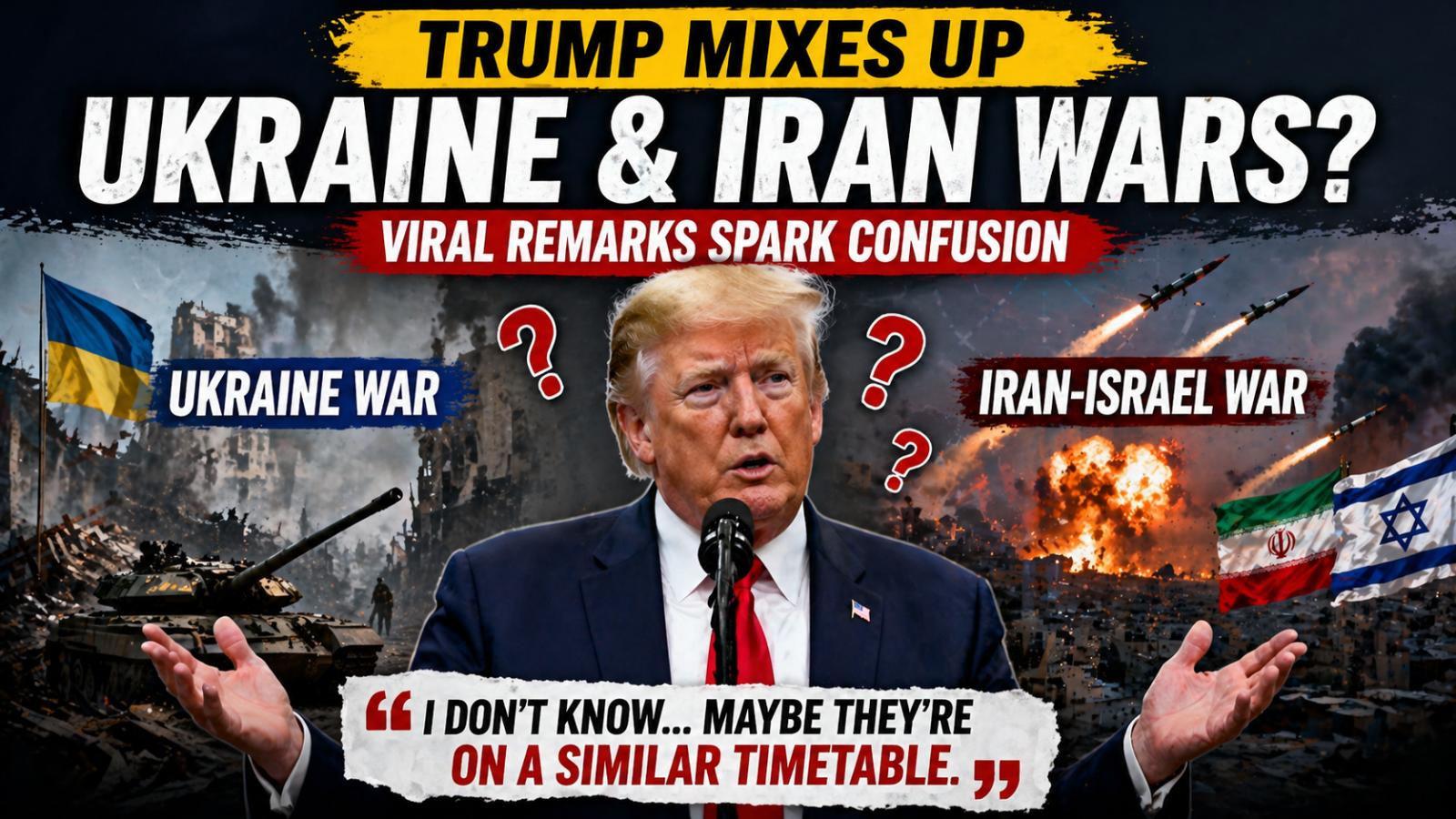
US President Donald Trump drew attention during a recent press interaction after appearing to confuse details while discussing two major international conflicts. The exchange took place as Trump addressed reporters during an event linked to the Artemis II mission crew, where he was asked which conflict might conclude first: the prolonged Russia-Ukraine war or the ongoing tensions involving Iran and Israel. In response, Trump suggested that both situations could follow a similar timeline, stating that he was uncertain which would end sooner. However, his subsequent remarks raised questions as he began describing military conditions that appeared inconsistent or unclear in context. He claimed that Ukraine was militarily defeated, referencing significant naval and air losses, including statements about ships being destroyed and aircraft being eliminated. Trump also cited reductions in missile and drone capabilities, though his comments did not clearly distinguish whether he was referring to Ukraine or Iran at various points. This lack of clarity led to widespread attention, with observers noting the difficulty in separating his analysis of the two conflicts. The Russia-Ukraine war has continued for years with ongoing military engagements, while tensions involving Iran, Israel, and US involvement have added another layer of complexity to global security dynamics. Trump’s remarks came at a time when both conflicts remain active and under close international observation. The moment quickly gained traction due to the ambiguity in the president’s statements, highlighting the challenges of addressing multiple geopolitical crises simultaneously in public forums.
Trump Comments on Ukraine and Iran Wars Spark Confusion
US President Donald Trump drew attention during a recent press interaction after appearing to confuse details while discussing two major international conflicts. The exchange took place as Trump addressed reporters during an event linked to the Artemis II mission crew, where he was asked which conflict might conclude first: the prolonged Russia-Ukraine war or the ongoing tensions involving Iran and Israel. In response, Trump suggested that both situations could follow a similar timeline, stating that he was uncertain which would end sooner. However, his subsequent remarks raised questions as he began describing military conditions that appeared inconsistent or unclear in context. He claimed that Ukraine was militarily defeated, referencing significant naval and air losses, including statements about ships being destroyed and aircraft being eliminated. Trump also cited reductions in missile and drone capabilities, though his comments did not clearly distinguish whether he was referring to Ukraine or Iran at various points. This lack of clarity led to widespread attention, with observers noting the difficulty in separating his analysis of the two conflicts. The Russia-Ukraine war has continued for years with ongoing military engagements, while tensions involving Iran, Israel, and US involvement have added another layer of complexity to global security dynamics. Trump’s remarks came at a time when both conflicts remain active and under close international observation. The moment quickly gained traction due to the ambiguity in the president’s statements, highlighting the challenges of addressing multiple geopolitical crises simultaneously in public forums.
Trump Renames Strait of Hormuz Amid Rising US-Iran Tensions
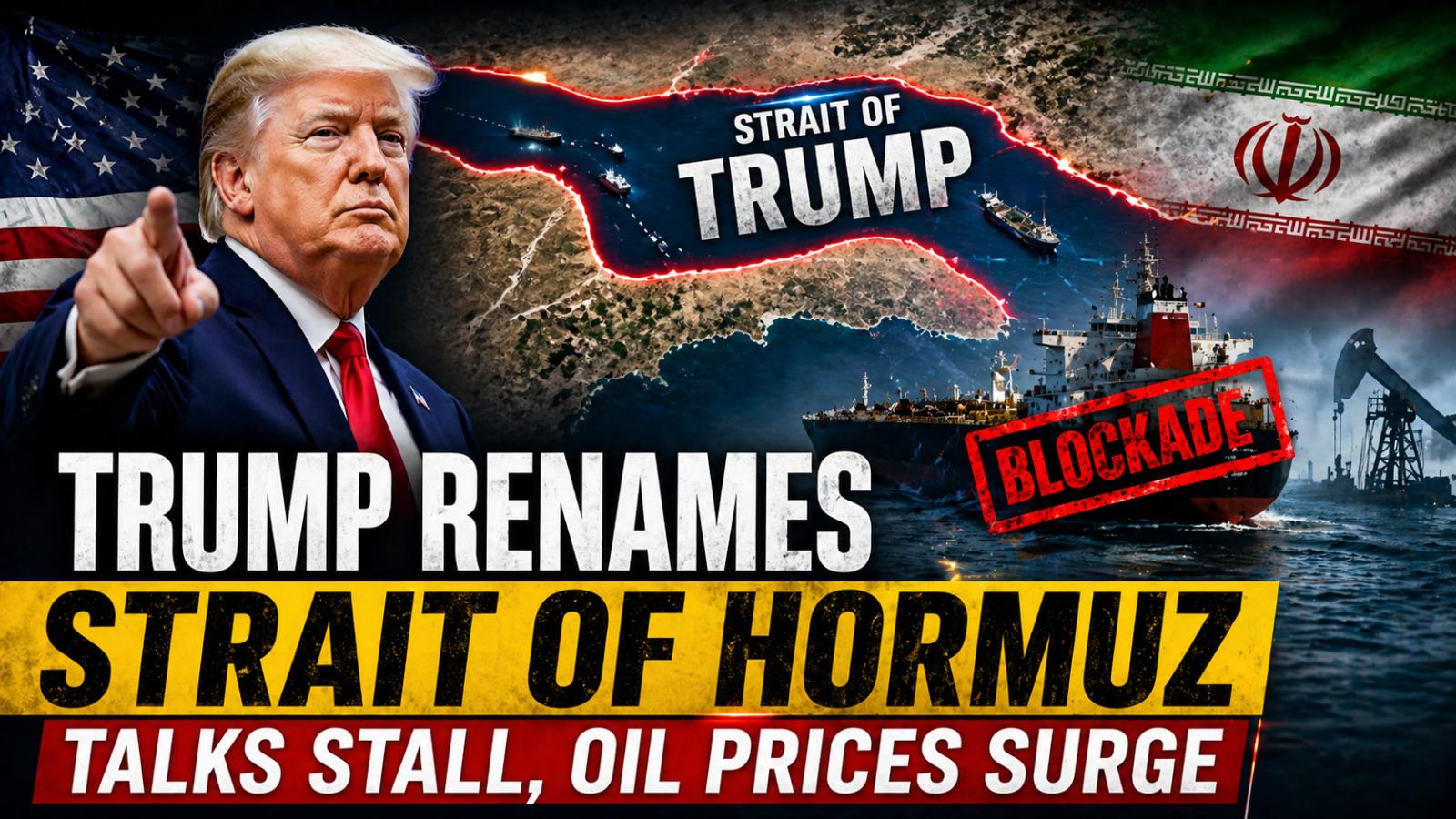
US President Donald Trump has drawn attention after sharing a modified map referring to the Strait of Hormuz as the “Strait of Trump,” a move that comes amid escalating tensions and stalled negotiations with Iran. The strategic waterway remains a focal point in the ongoing standoff, with both sides maintaining a blockade despite a previously agreed ceasefire. Trump indicated that discussions to end the conflict are continuing remotely, describing them as telephonic due to logistical challenges. At the same time, Iran has attempted to revive dialogue by sending a proposal through Pakistan, facilitated by Foreign Minister Abbas Araghchi. However, indications suggest that the US administration is dissatisfied with the terms and is unlikely to accept the framework presented. The proposal reportedly outlined a three-stage approach, beginning with a complete cessation of hostilities, followed by lifting the naval blockade and restoring maritime traffic through the Strait of Hormuz. The final stage involved renewed negotiations over Iran’s nuclear program. Despite these efforts, talks remain at an impasse, with both sides maintaining firm positions. Trump defended the blockade, describing it as effective and emphasizing its economic impact on Iran. He stated that the pressure strategy would continue until Iran concedes. Meanwhile, energy markets reacted sharply, with Brent crude prices rising significantly, reflecting concerns over supply disruptions linked to the strategic route. The Strait of Hormuz remains critical to global oil flows, and its continued closure by both US and Iranian forces underscores the fragile state of the ceasefire. Diplomatic efforts have yet to regain momentum, leaving the situation uncertain as geopolitical and economic pressures continue to build.
Trump Renames Strait of Hormuz Amid Rising US-Iran Tensions
US President Donald Trump has drawn attention after sharing a modified map referring to the Strait of Hormuz as the “Strait of Trump,” a move that comes amid escalating tensions and stalled negotiations with Iran. The strategic waterway remains a focal point in the ongoing standoff, with both sides maintaining a blockade despite a previously agreed ceasefire. Trump indicated that discussions to end the conflict are continuing remotely, describing them as telephonic due to logistical challenges. At the same time, Iran has attempted to revive dialogue by sending a proposal through Pakistan, facilitated by Foreign Minister Abbas Araghchi. However, indications suggest that the US administration is dissatisfied with the terms and is unlikely to accept the framework presented. The proposal reportedly outlined a three-stage approach, beginning with a complete cessation of hostilities, followed by lifting the naval blockade and restoring maritime traffic through the Strait of Hormuz. The final stage involved renewed negotiations over Iran’s nuclear program. Despite these efforts, talks remain at an impasse, with both sides maintaining firm positions. Trump defended the blockade, describing it as effective and emphasizing its economic impact on Iran. He stated that the pressure strategy would continue until Iran concedes. Meanwhile, energy markets reacted sharply, with Brent crude prices rising significantly, reflecting concerns over supply disruptions linked to the strategic route. The Strait of Hormuz remains critical to global oil flows, and its continued closure by both US and Iranian forces underscores the fragile state of the ceasefire. Diplomatic efforts have yet to regain momentum, leaving the situation uncertain as geopolitical and economic pressures continue to build.