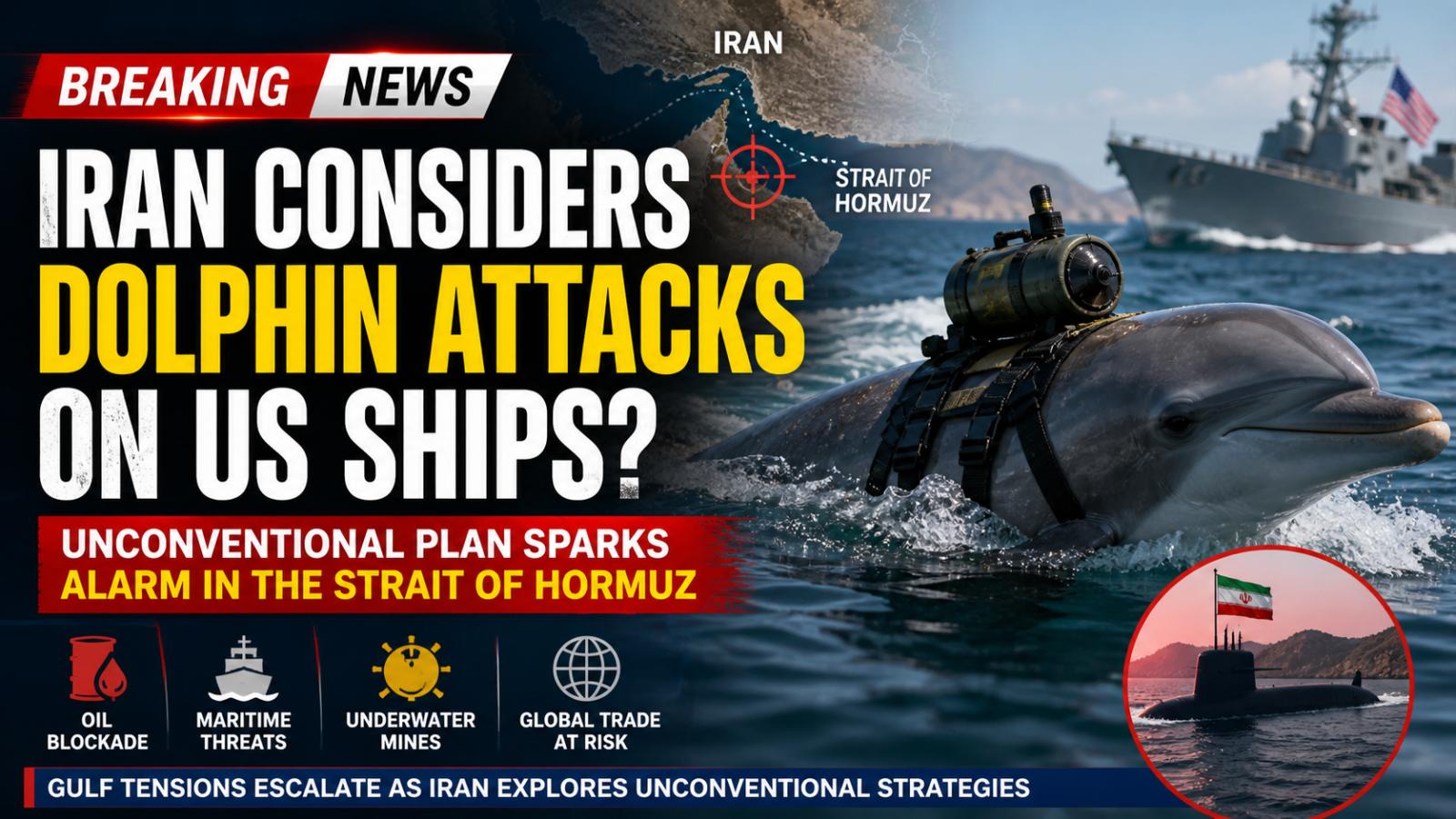
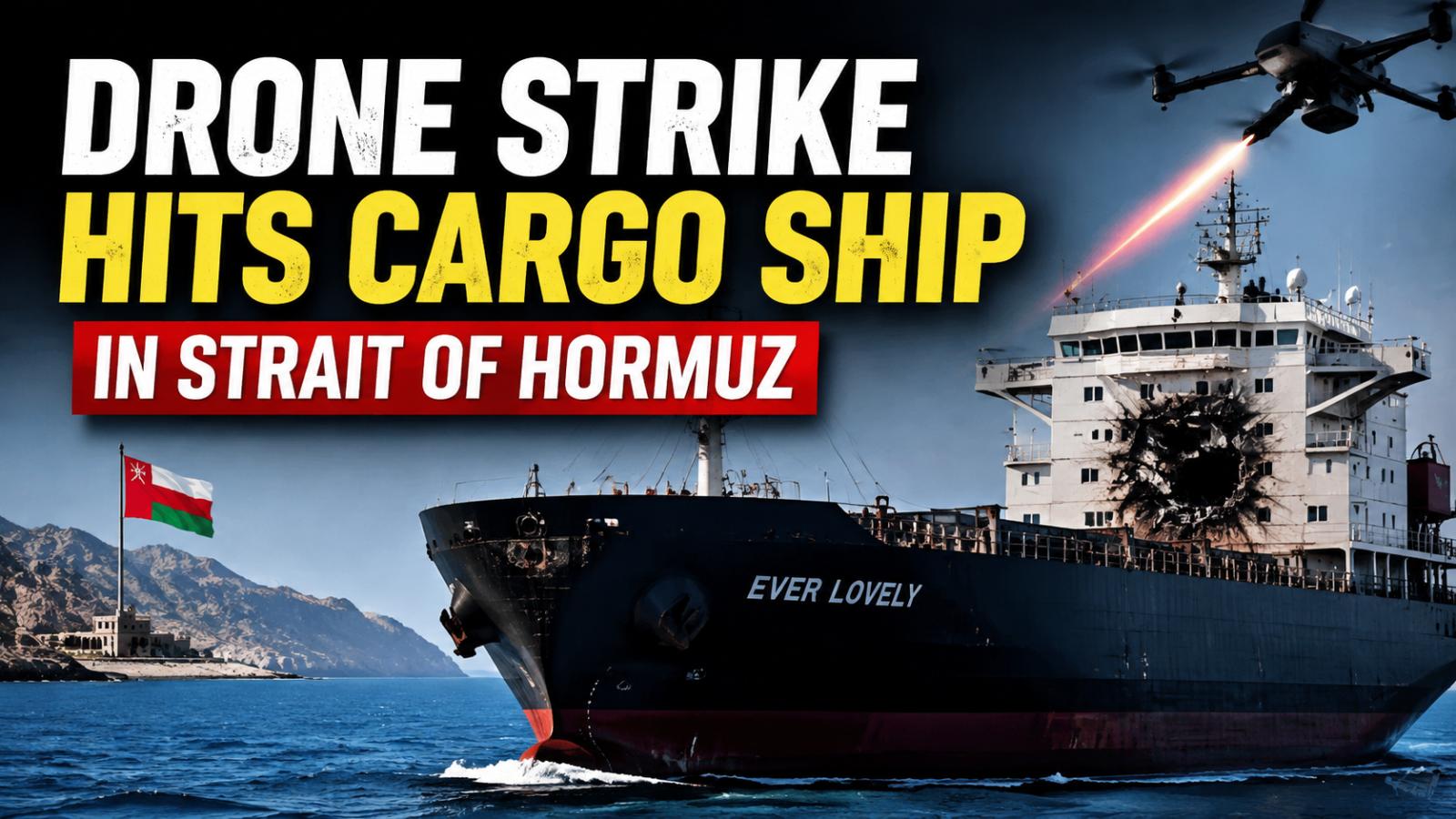
A commercial vessel sailing through waters near the Strait of Hormuz was damaged after being struck by a drone-type projectile, triggering renewed concerns over the safety of one of the world’s most critical maritime trade routes. The Singapore-flagged cargo ship Ever Lovely was affected while transiting close to Oman’s maritime zone after exiting the narrow passage. Authorities confirmed the vessel sustained structural damage, but all crew members
A commercial vessel sailing through waters near the Strait of Hormuz was damaged after being struck by a drone-type projectile, triggering renewed concerns over the safety of one of the world’s most critical maritime trade routes. The Singapore-flagged cargo ship Ever Lovely was affected while transiting close to Oman’s maritime zone after exiting the narrow passage. Authorities confirmed the vessel sustained structural damage, but all crew members
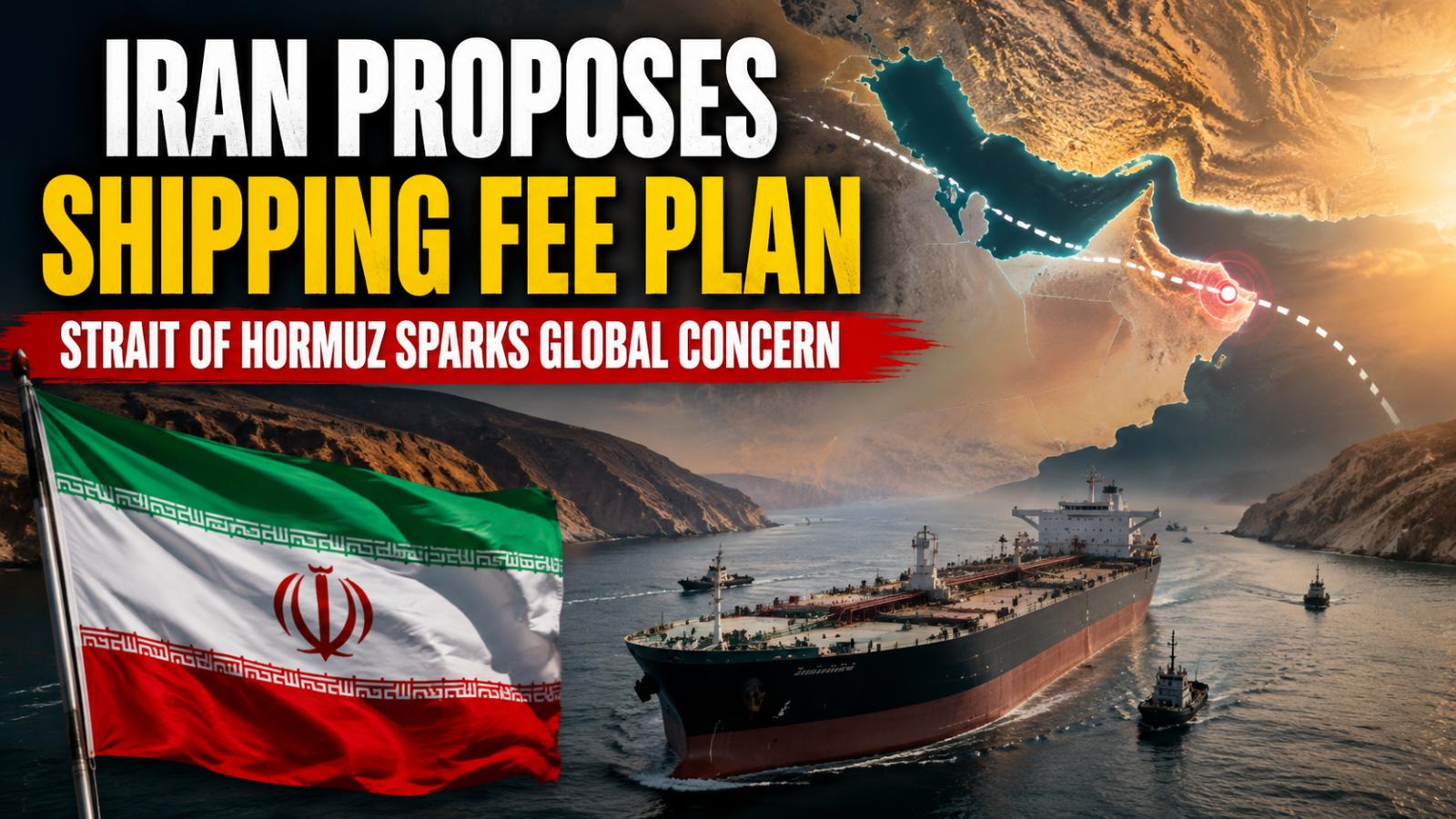
A proposal linked to Iran suggesting charges on vessels passing through the Strait of Hormuz has triggered renewed international attention on one of the world’s most sensitive maritime corridors. The passage connects the Persian Gulf to open oceans and handles a major share of global crude oil shipments, making even minor policy changes capable of influencing energy markets.
Proposed fee structure and stated objectives
The idea under discussion involves introducing a structured fee system for ships using the route. The proposal frames the charges as payments for services such as navigation safety, maritime monitoring, and environmental management. Early estimates circulating in policy discussions suggest the mechanism could generate substantial annual revenue if implemented at scale.
However, the concept also raises immediate legal and operational questions, particularly regarding jurisdiction over international waters and the practicality of enforcing such a system on heavily trafficked global shipping lanes.
Regional outreach and diplomatic positioning
Reports indicate that discussions around the proposal have included outreach to several regional and global stakeholders, including major energy-importing nations. The objective appears to be building support for a shared governance or cost-sharing model for maritime traffic management in the region.
Some interpretations suggest the plan is part of a broader effort to increase regional leverage over strategic trade routes. Others view it as an attempt to formalize compensation mechanisms for security responsibilities in a highly militarized shipping corridor.
International reaction and US opposition
The proposal has drawn clear resistance from the United States, which maintains that key international waterways must remain free for unrestricted commercial passage. US officials argue that introducing toll-like systems could disrupt global supply chains and increase volatility in energy pricing.
Concerns have also been raised by other maritime stakeholders who rely heavily on stable passage through the Strait of Hormuz for crude oil and liquefied natural gas transport. Any change in cost structure or transit policy is seen as having a direct impact on insurance premiums and shipping routes.
Wider implications for global energy markets
The debate comes at a time when global energy markets remain highly sensitive to geopolitical developments in the Gulf region. Even the perception of restricted access or added transit costs can influence oil price expectations and shipping risk assessments.
Analysts note that the discussion highlights ongoing tensions between strategic control of critical chokepoints and the principle of open international navigation. The outcome of such proposals could shape future frameworks governing global energy transport corridors.
A proposal linked to Iran suggesting charges on vessels passing through the Strait of Hormuz has triggered renewed international attention on one of the world’s most sensitive maritime corridors. The passage connects the Persian Gulf to open oceans and handles a major share of global crude oil shipments, making even minor policy changes capable of influencing energy markets.
Proposed fee structure and stated objectives
The idea under discussion involves introducing a structured fee system for ships using the route. The proposal frames the charges as payments for services such as navigation safety, maritime monitoring, and environmental management. Early estimates circulating in policy discussions suggest the mechanism could generate substantial annual revenue if implemented at scale.
However, the concept also raises immediate legal and operational questions, particularly regarding jurisdiction over international waters and the practicality of enforcing such a system on heavily trafficked global shipping lanes.
Regional outreach and diplomatic positioning
Reports indicate that discussions around the proposal have included outreach to several regional and global stakeholders, including major energy-importing nations. The objective appears to be building support for a shared governance or cost-sharing model for maritime traffic management in the region.
Some interpretations suggest the plan is part of a broader effort to increase regional leverage over strategic trade routes. Others view it as an attempt to formalize compensation mechanisms for security responsibilities in a highly militarized shipping corridor.
International reaction and US opposition
The proposal has drawn clear resistance from the United States, which maintains that key international waterways must remain free for unrestricted commercial passage. US officials argue that introducing toll-like systems could disrupt global supply chains and increase volatility in energy pricing.
Concerns have also been raised by other maritime stakeholders who rely heavily on stable passage through the Strait of Hormuz for crude oil and liquefied natural gas transport. Any change in cost structure or transit policy is seen as having a direct impact on insurance premiums and shipping routes.
Wider implications for global energy markets
The debate comes at a time when global energy markets remain highly sensitive to geopolitical developments in the Gulf region. Even the perception of restricted access or added transit costs can influence oil price expectations and shipping risk assessments.
Analysts note that the discussion highlights ongoing tensions between strategic control of critical chokepoints and the principle of open international navigation. The outcome of such proposals could shape future frameworks governing global energy transport corridors.
Things to do in Columbus June 25-28 include ComFest, major concerts, collector-car auctions, free movies and family activities across the city. The four-day lineup runs from Thursday, June 25, through Sunday, June 28, 2026.
Things to Do in Columbus June 25-28, 2026
Collector Cars, Movies and Soccer
The Barrett-Jackson Columbus Auction brings collector cars and automobilia to the Ohio Expo Center from 8:00 AM to 10:00 PM on Th
Things to do in Columbus June 25-28 include ComFest, major concerts, collector-car auctions, free movies and family activities across the city. The four-day lineup runs from Thursday, June 25, through Sunday, June 28, 2026.
Things to Do in Columbus June 25-28, 2026
Collector Cars, Movies and Soccer
The Barrett-Jackson Columbus Auction brings collector cars and automobilia to the Ohio Expo Center from 8:00 AM to 10:00 PM on Th
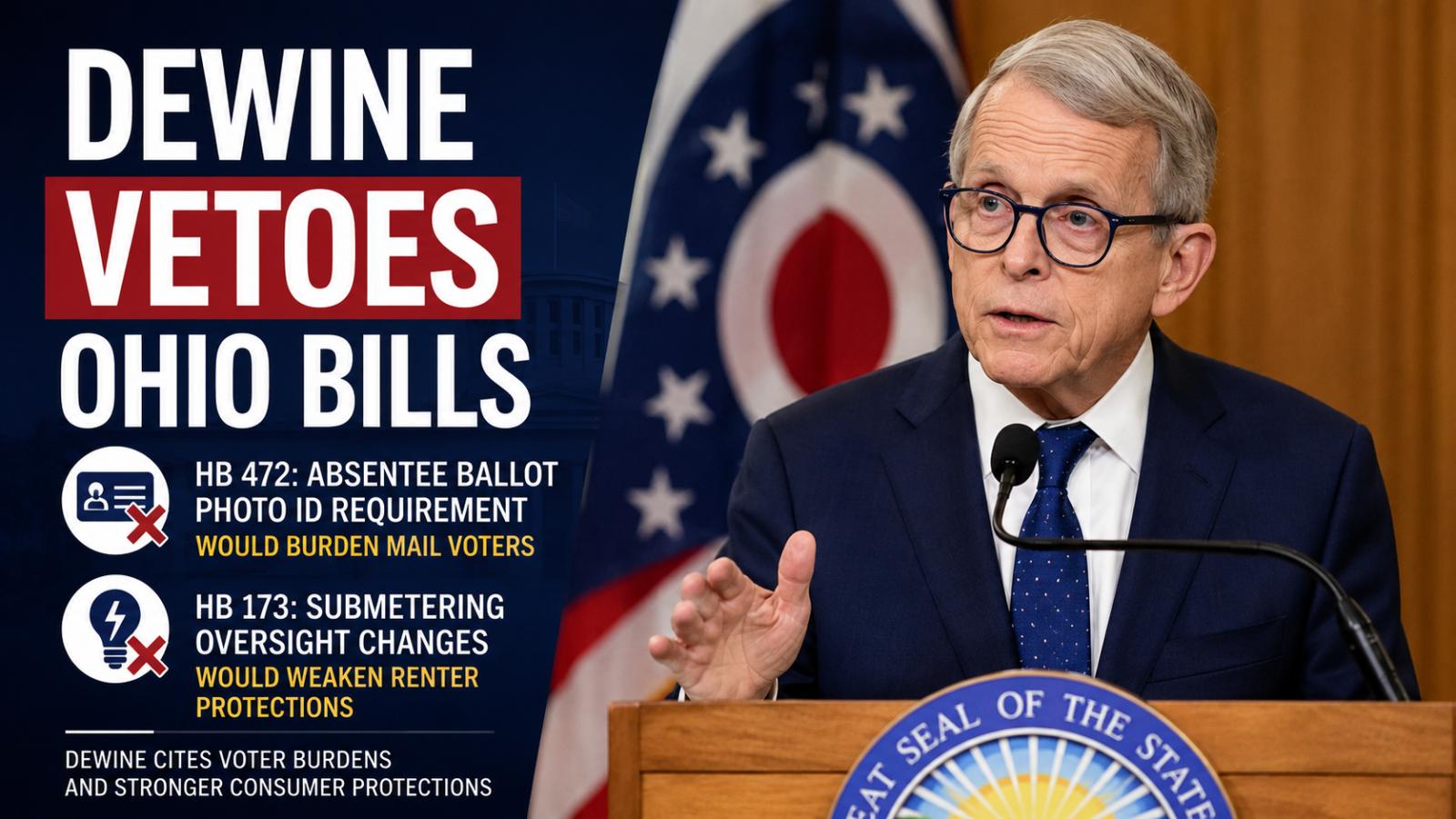
Ohio Gov. Mike DeWine vetoed the Ohio absentee ballot ID bill and a separate electric submetering measure on Wednesday night, June 24, 2026, blocking changes that would have affected mail voters and renters across the state.
The Republican governor announced the vetoes in Columbus after the Ohio General Assembly ended its latest work period. No additional legislative sessions were scheduled until after the November election.
Why DeWine vetoed the Ohio absentee bal
Ohio Gov. Mike DeWine vetoed the Ohio absentee ballot ID bill and a separate electric submetering measure on Wednesday night, June 24, 2026, blocking changes that would have affected mail voters and renters across the state.
The Republican governor announced the vetoes in Columbus after the Ohio General Assembly ended its latest work period. No additional legislative sessions were scheduled until after the November election.
Why DeWine vetoed the Ohio absentee bal
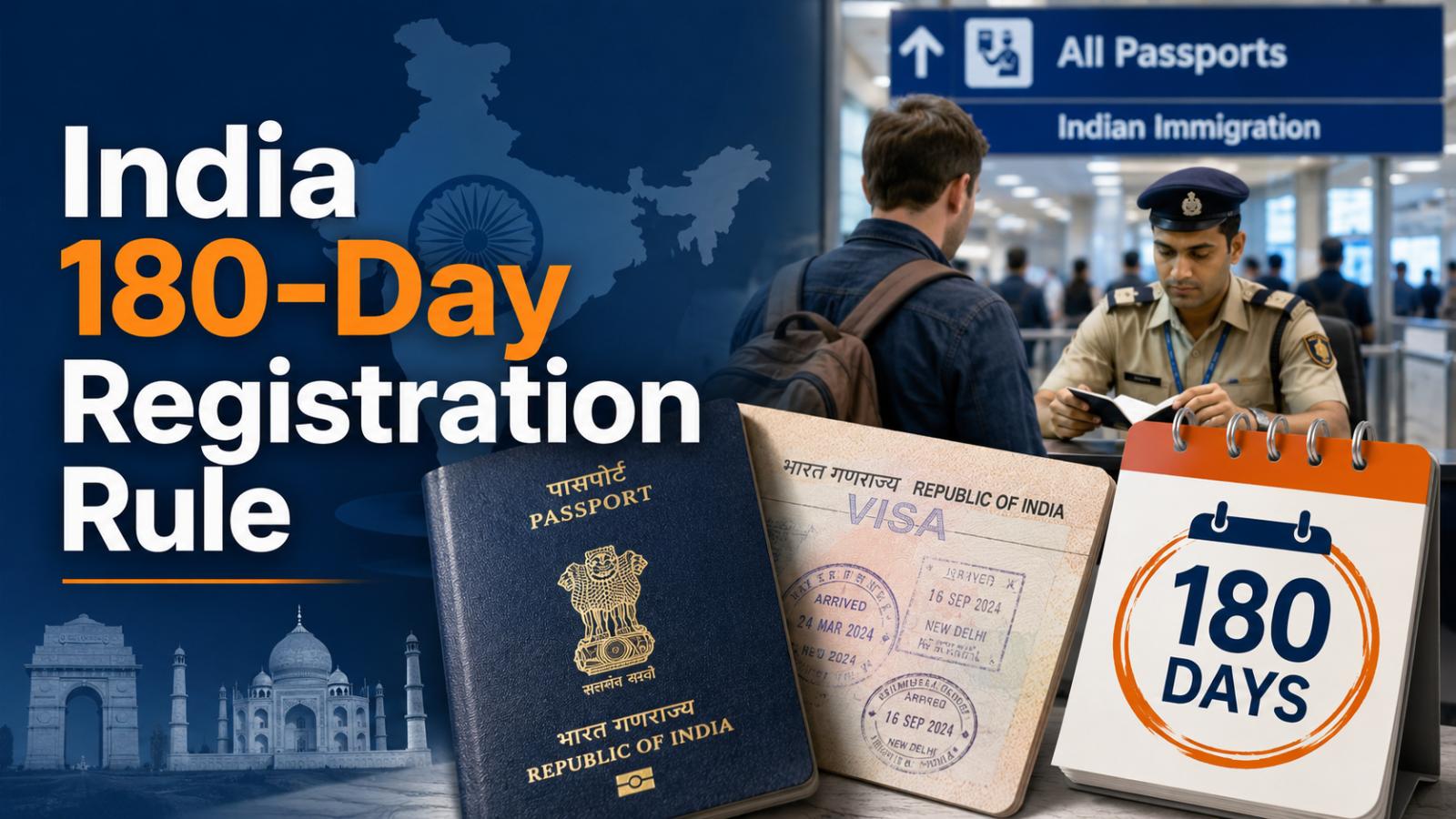
India has moved the registration deadline forward for certain foreign nationals who plan to remain in the country beyond 180 days. Under amendments to the Immigration and Foreigners Rules, 2025, published in the Official Gazette on Monday, June 1, 2026, affected visitors must register before the 180-day period expires.
Who must register before the 180-day deadline
The amended rule applies to foreign nationals entering India on visas valid for 180 days or
India has moved the registration deadline forward for certain foreign nationals who plan to remain in the country beyond 180 days. Under amendments to the Immigration and Foreigners Rules, 2025, published in the Official Gazette on Monday, June 1, 2026, affected visitors must register before the 180-day period expires.
Who must register before the 180-day deadline
The amended rule applies to foreign nationals entering India on visas valid for 180 days or
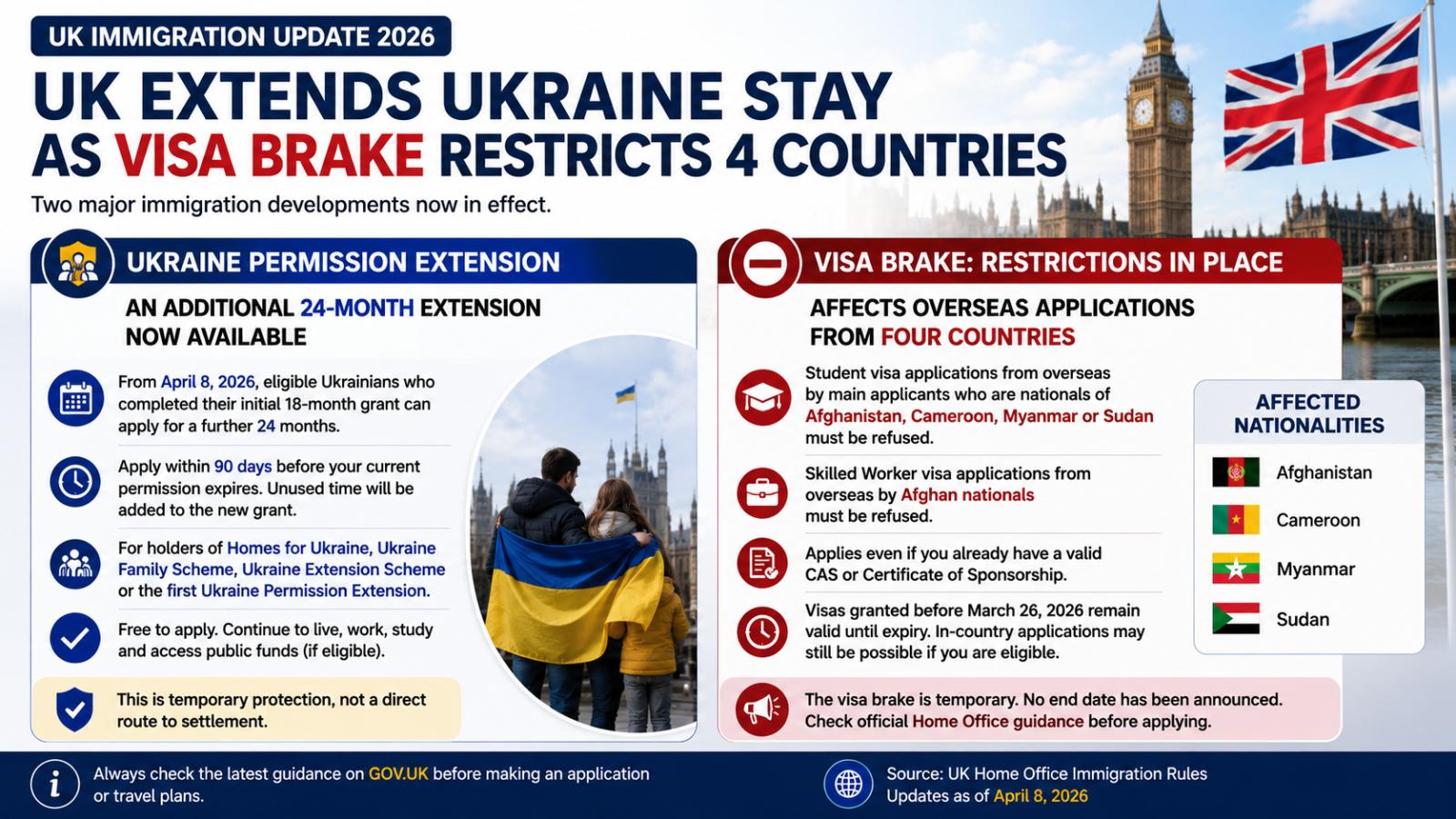
The UK has expanded its Ukraine Permission Extension Scheme while maintaining temporary restrictions on certain Student and Skilled Worker visa applications from four countries.
The two measures affect different groups: Ukrainians already living in the UK under eligible schemes and prospective applicants submitting specified visa applications from overseas.
The measures form part of wider
The UK has expanded its Ukraine Permission Extension Scheme while maintaining temporary restrictions on certain Student and Skilled Worker visa applications from four countries.
The two measures affect different groups: Ukrainians already living in the UK under eligible schemes and prospective applicants submitting specified visa applications from overseas.
The measures form part of wider
The UK will open a combined 1,800 annual visa places for Indian traditional chefs, classical musicians and yoga instructors when the UK–India trade agreement takes effect on Wednesday, July 15, 2026.
The allocation falls under the Global Business Mobility–Service Supplier route. It is one shared cap covering all three occupations, not 1,800 places for each profession. The annual allocation is measured from January 1 through December 31.
The UK will open a combined 1,800 annual visa places for Indian traditional chefs, classical musicians and yoga instructors when the UK–India trade agreement takes effect on Wednesday, July 15, 2026.
The allocation falls under the Global Business Mobility–Service Supplier route. It is one shared cap covering all three occupations, not 1,800 places for each profession. The annual allocation is measured from January 1 through December 31.
Tamil Nadu Adds 300 New Buses To Public Transport Fleet
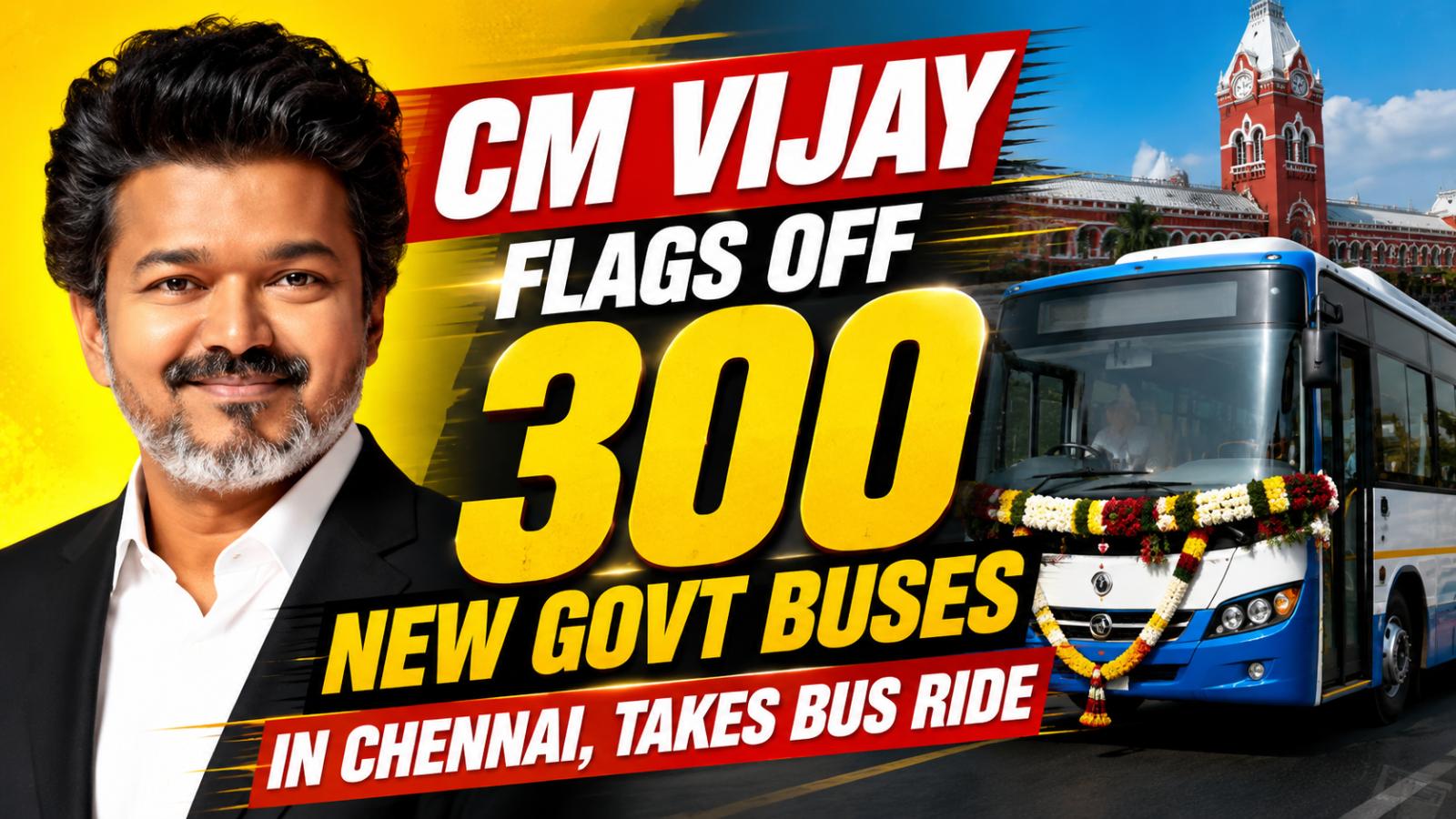
In a significant move aimed at strengthening public transportation services across Tamil Nadu, Chief Minister C Joseph Vijay on Thursday, June 25, 2026, inaugurated 300 new buses procured by the State Transport Corporation at an estimated cost of Rs 127.21 crore. The buses were flagged off from major transit hubs, including Kilambakkam and Koyambedu bus terminals in Chennai, and began operations immediately aft
Tamil Nadu Adds 300 New Buses To Public Transport Fleet
In a significant move aimed at strengthening public transportation services across Tamil Nadu, Chief Minister C Joseph Vijay on Thursday, June 25, 2026, inaugurated 300 new buses procured by the State Transport Corporation at an estimated cost of Rs 127.21 crore. The buses were flagged off from major transit hubs, including Kilambakkam and Koyambedu bus terminals in Chennai, and began operations immediately aft
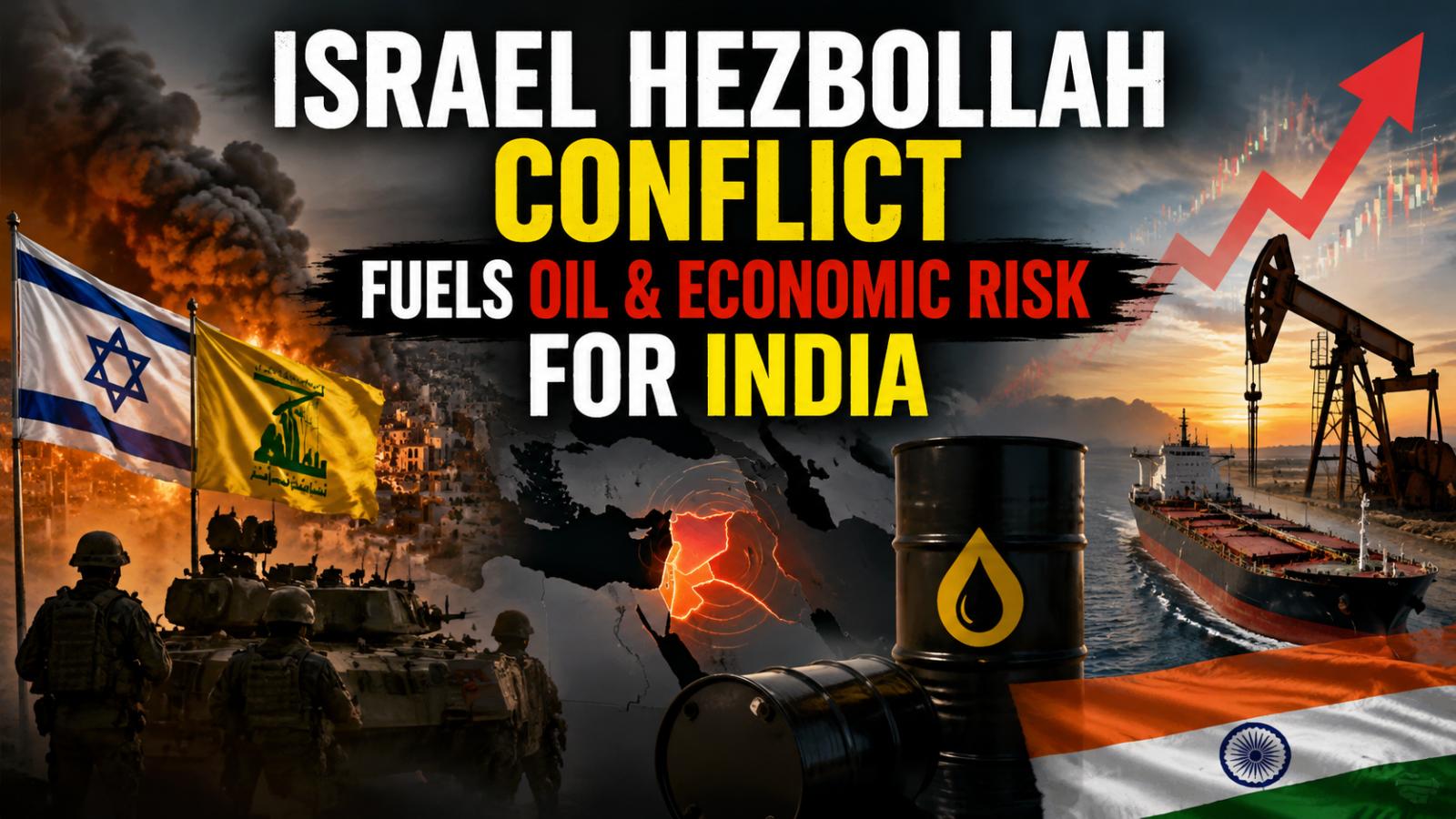
The renewed exchange of fire between Israeli forces and Hezbollah-linked positions in southern Lebanon has again drawn attention to an already fragile regional security environment. While both sides continue to frame their actions as targeted and defensive, the situation is increasingly being viewed through a wider geopolitical lens, especially by energy markets and trade-dependent economies.
Even limited escalation in this corridor tends to trigger immediate risk recalibration in global markets, not because of direct supply disruption, but due to fear of spillover into wider West Asian conflict zones.
Oil markets react to uncertainty, not only disruption
Crude oil prices have remained sensitive to developments in the region, with traders closely tracking any sign of expansion beyond localized strikes. Brent crude has shown intermittent swings, reflecting how quickly sentiment shifts when geopolitical risks rise.
For import-heavy economies like India, the concern is not only about supply cuts but also price volatility. Even short-lived spikes increase import bills, widen trade deficits, and add pressure on domestic inflation through fuel and transport costs.
India remains heavily dependent on imported crude, leaving it exposed to external shocks that originate far from its own borders but quickly reach its economy through global pricing mechanisms.
Maritime chokepoints add another layer of risk
Beyond oil production zones, shipping routes remain a critical pressure point. The Strait of Hormuz continues to be one of the most strategically sensitive maritime corridors in the world, handling a large share of global crude movement.
Any perception of instability in nearby conflict zones tends to increase insurance premiums for tankers and freight operators. This raises shipping costs even when physical disruption does not occur.
For trade-dependent economies, the indirect cost of conflict often arrives faster than any actual supply shortage.
India’s broader exposure goes beyond energy
India’s stake in West Asian stability is not limited to crude imports. A large Indian workforce in Gulf countries supports billions in annual remittances, which play a steady role in foreign exchange stability.
At the same time, India maintains layered relationships across the region—energy partnerships with Gulf producers, strategic cooperation with Israel, and connectivity interests linked to Iran and regional ports.
This creates a complex policy environment where instability in one corridor can influence multiple economic and diplomatic channels simultaneously.
Long-term infrastructure plans face sensitivity risks
Large-scale trade and infrastructure initiatives involving West Asia, including proposed trans-regional connectivity corridors, depend heavily on stable political conditions. Projects linked to ports, energy routes, and logistics networks become vulnerable when security risks rise.
Even without direct damage, prolonged uncertainty tends to slow investment decisions, delay contracts, and increase financing costs for regional development projects.
Conclusion
The current Israel–Hezbollah exchange remains geographically contained, but its economic impact is far wider. Oil markets, shipping costs, remittance flows, and long-term trade planning all react quickly to signals of escalation.
For India and other import-dependent economies, the primary challenge is not direct involvement in the conflict but exposure to its ripple effects through energy pricing, logistics costs, and regional stability risks.
The renewed exchange of fire between Israeli forces and Hezbollah-linked positions in southern Lebanon has again drawn attention to an already fragile regional security environment. While both sides continue to frame their actions as targeted and defensive, the situation is increasingly being viewed through a wider geopolitical lens, especially by energy markets and trade-dependent economies.
Even limited escalation in this corridor tends to trigger immediate risk recalibration in global markets, not because of direct supply disruption, but due to fear of spillover into wider West Asian conflict zones.
Oil markets react to uncertainty, not only disruption
Crude oil prices have remained sensitive to developments in the region, with traders closely tracking any sign of expansion beyond localized strikes. Brent crude has shown intermittent swings, reflecting how quickly sentiment shifts when geopolitical risks rise.
For import-heavy economies like India, the concern is not only about supply cuts but also price volatility. Even short-lived spikes increase import bills, widen trade deficits, and add pressure on domestic inflation through fuel and transport costs.
India remains heavily dependent on imported crude, leaving it exposed to external shocks that originate far from its own borders but quickly reach its economy through global pricing mechanisms.
Maritime chokepoints add another layer of risk
Beyond oil production zones, shipping routes remain a critical pressure point. The Strait of Hormuz continues to be one of the most strategically sensitive maritime corridors in the world, handling a large share of global crude movement.
Any perception of instability in nearby conflict zones tends to increase insurance premiums for tankers and freight operators. This raises shipping costs even when physical disruption does not occur.
For trade-dependent economies, the indirect cost of conflict often arrives faster than any actual supply shortage.
India’s broader exposure goes beyond energy
India’s stake in West Asian stability is not limited to crude imports. A large Indian workforce in Gulf countries supports billions in annual remittances, which play a steady role in foreign exchange stability.
At the same time, India maintains layered relationships across the region—energy partnerships with Gulf producers, strategic cooperation with Israel, and connectivity interests linked to Iran and regional ports.
This creates a complex policy environment where instability in one corridor can influence multiple economic and diplomatic channels simultaneously.
Long-term infrastructure plans face sensitivity risks
Large-scale trade and infrastructure initiatives involving West Asia, including proposed trans-regional connectivity corridors, depend heavily on stable political conditions. Projects linked to ports, energy routes, and logistics networks become vulnerable when security risks rise.
Even without direct damage, prolonged uncertainty tends to slow investment decisions, delay contracts, and increase financing costs for regional development projects.
Conclusion
The current Israel–Hezbollah exchange remains geographically contained, but its economic impact is far wider. Oil markets, shipping costs, remittance flows, and long-term trade planning all react quickly to signals of escalation.
For India and other import-dependent economies, the primary challenge is not direct involvement in the conflict but exposure to its ripple effects through energy pricing, logistics costs, and regional stability risks.
According to reports from June 25, 2026, leaders from Andhra Pradesh, Telangana, and Karnataka gathered in Hosapete (Hospet), Karnataka, ahead of the inauguration of the newly installed gates at the Tungabhadra Dam. The event was attended by Union Jal Shakti Minister C. R.
According to reports from June 25, 2026, leaders from Andhra Pradesh, Telangana, and Karnataka gathered in Hosapete (Hospet), Karnataka, ahead of the inauguration of the newly installed gates at the Tungabhadra Dam. The event was attended by Union Jal Shakti Minister C. R.
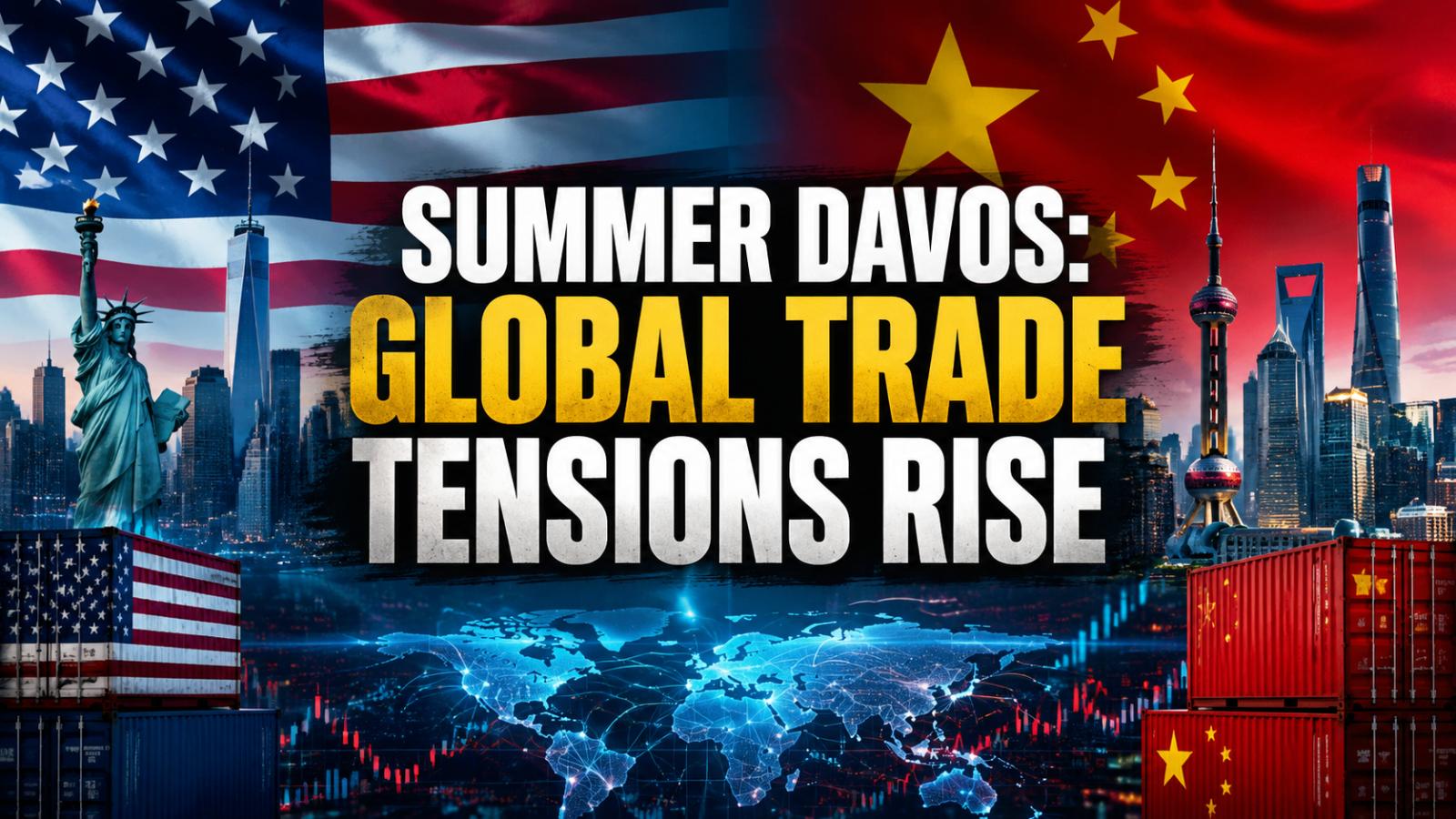
The gathering in Dalian under the World Economic Forum’s “Summer Davos” platform brought together policymakers, business leaders and economists at a time when global growth signals are weakening. The discussions reflected a clear shift in tone: confidence in stable trade expansion is fading, replaced by concern over fragmentation and competing economic blocs.
US–China
The gathering in Dalian under the World Economic Forum’s “Summer Davos” platform brought together policymakers, business leaders and economists at a time when global growth signals are weakening. The discussions reflected a clear shift in tone: confidence in stable trade expansion is fading, replaced by concern over fragmentation and competing economic blocs.
US–China
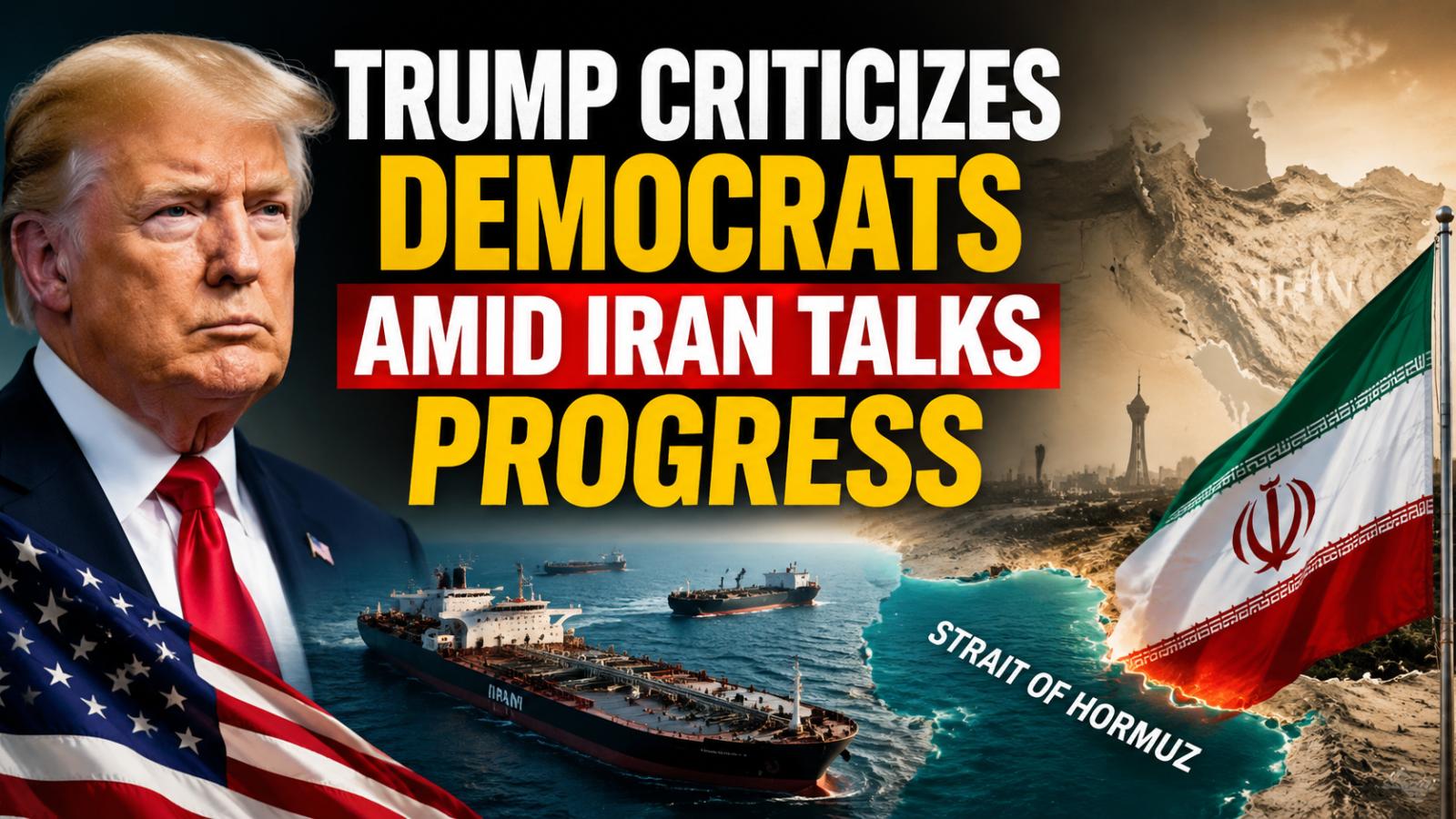
US President Donald Trump intensified political debate around ongoing Iran negotiations while addressing broader security and trade concerns tied to global energy routes. Speaking alongside NATO Secretary General Mark Rutte, he presented the current stage of Iran discussions as advancing, while sharply criticizing domestic political opponents for their foreign policy stance.
I
US President Donald Trump intensified political debate around ongoing Iran negotiations while addressing broader security and trade concerns tied to global energy routes. Speaking alongside NATO Secretary General Mark Rutte, he presented the current stage of Iran discussions as advancing, while sharply criticizing domestic political opponents for their foreign policy stance.
I
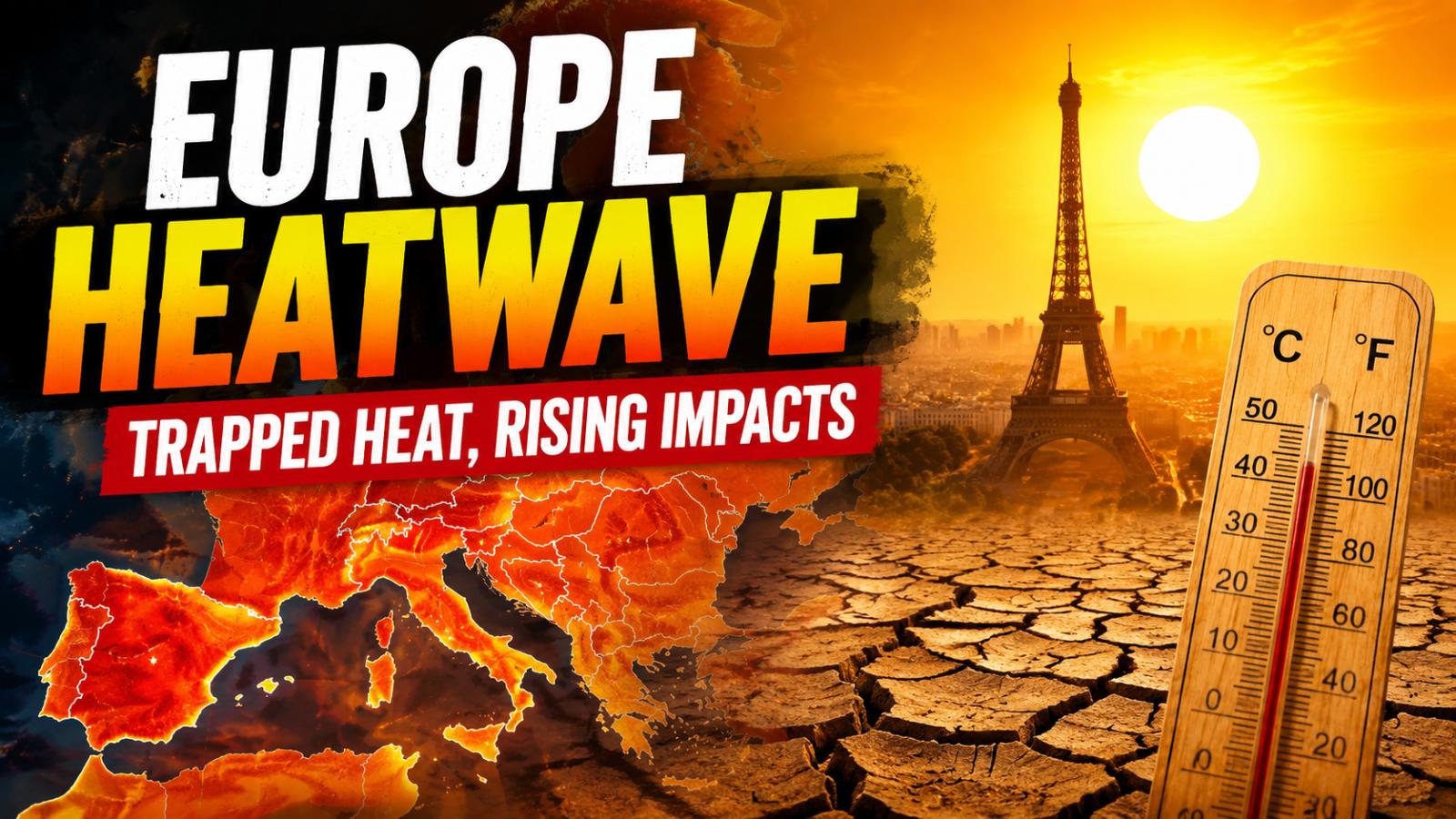
A strong and slow-moving atmospheric pattern is keeping large parts of Europe locked under unusually hot and dry conditions. The system is preventing cooler Atlantic air from entering the region, allowing heat to build up day after day. As a result, temperatures are climbing far above seasonal averages across Western and Central Europe, with multiple countries reporting prolonged heat stress rather than short heat spikes.
A strong and slow-moving atmospheric pattern is keeping large parts of Europe locked under unusually hot and dry conditions. The system is preventing cooler Atlantic air from entering the region, allowing heat to build up day after day. As a result, temperatures are climbing far above seasonal averages across Western and Central Europe, with multiple countries reporting prolonged heat stress rather than short heat spikes.
The recent clarification that an Indian passport is not legally considered conclusive proof of citizenship has sparked widespread discussion and confusion among citizens. For decades, passports, Aadhaar cards and voter ID cards have been widely accepted as the primary documents that establish a person's identity and nationality. However, under India's legal framework, these documents may not always serve as final proof of citizenship in certain legal or administrative si
The recent clarification that an Indian passport is not legally considered conclusive proof of citizenship has sparked widespread discussion and confusion among citizens. For decades, passports, Aadhaar cards and voter ID cards have been widely accepted as the primary documents that establish a person's identity and nationality. However, under India's legal framework, these documents may not always serve as final proof of citizenship in certain legal or administrative si
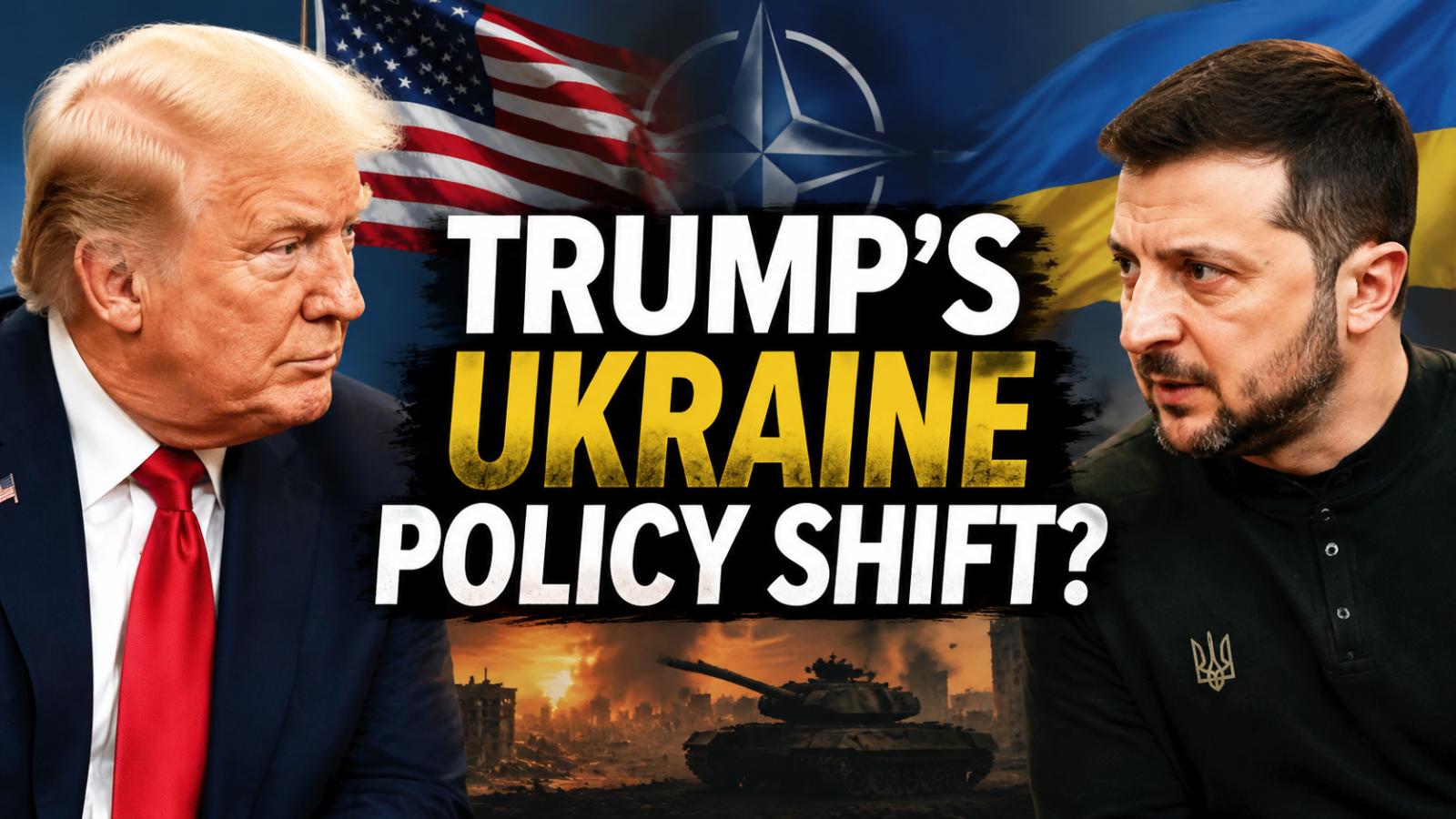
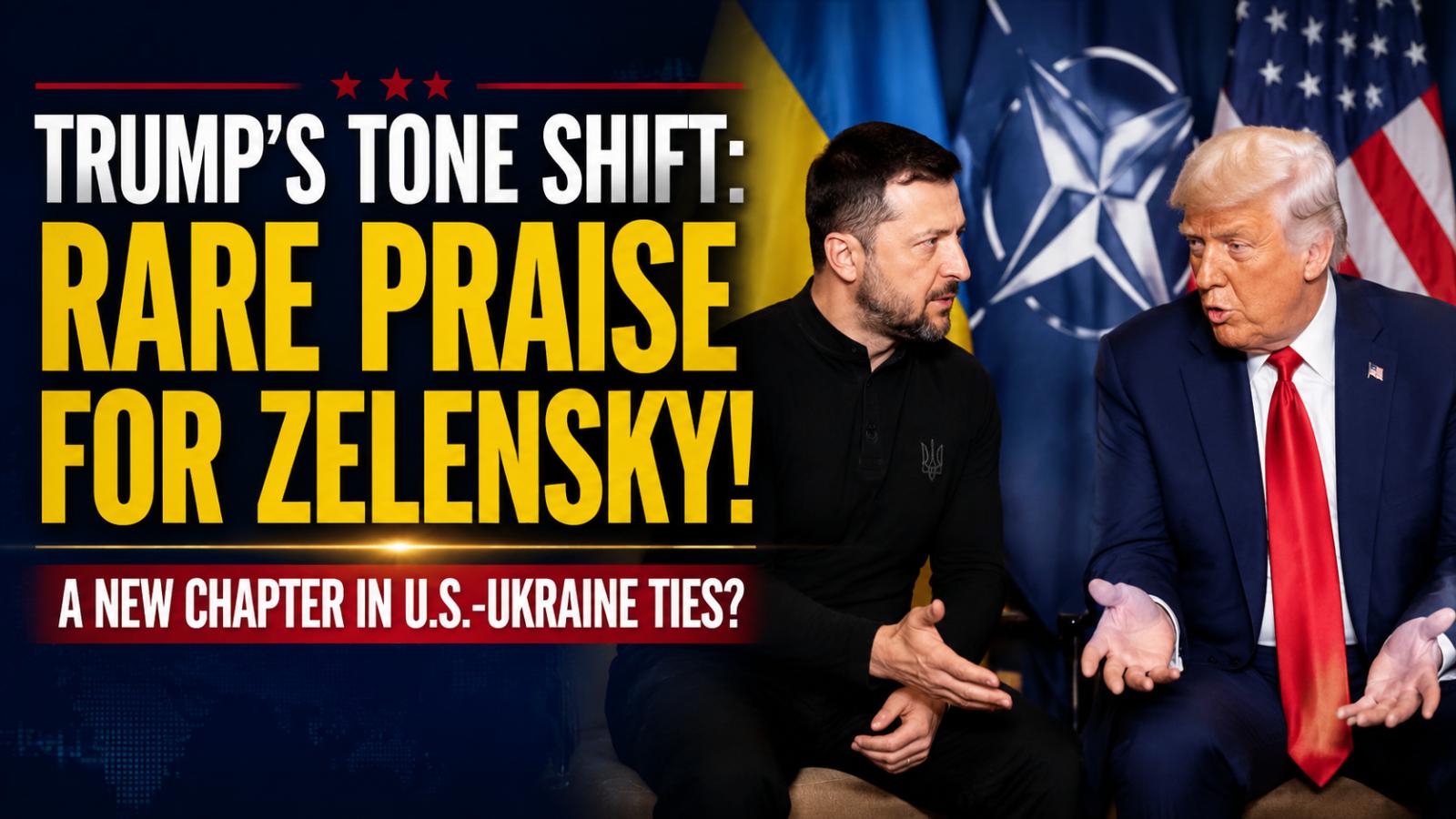
US President Donald Trump has recently shown a more measured tone when speaking about Ukrainian President Volodymyr Zelensky. During a public engagement alongside NATO leadership, Trump acknowledged Ukraine’s continued resistance in the war, describing its position as steady despite ongoing conflict. The comments mark a shift in tone compared to his earlier criticism and reflect a more cautious diplomatic posture from Washington.
G7 coordination shapes US approach
Recent discussions among G7 member nations have contributed to renewed alignment on Russia-related sanctions and energy strategy. Allied countries have been pushing for tighter coordination on restricting oil revenues linked to Moscow. This collective pressure has influenced US policy thinking, encouraging a more structured approach rather than isolated action. The focus remains on balancing economic pressure with long-term stability in global energy markets.
Battlefield situation influences political messaging
Developments on the ground in Ukraine continue to play a key role in shaping international responses. Reports of Ukraine expanding its operational reach and sustaining defensive positions have strengthened its bargaining position in diplomatic discussions. These battlefield realities are increasingly reflected in political messaging, as Western leaders reassess how the conflict may evolve over time.
Energy markets and global risks remain central
Global energy stability remains a key factor in foreign policy decisions. Earlier concerns linked to Middle East tensions and potential disruptions in key shipping routes had raised oil market uncertainty. As conditions show signs of stabilisation, policymakers are gaining more room to consider stricter measures on Russian energy exports without immediate economic disruption.
Diplomatic outlook remains uncertain
Despite continued international engagement, progress toward direct peace negotiations between Russia and Ukraine remains limited. Positions on territorial control and security guarantees continue to block meaningful breakthroughs. While diplomatic channels remain open, there is no clear indication of a near-term resolution. The current US approach reflects a balance between maintaining pressure and keeping space for future negotiations.
US President Donald Trump has recently shown a more measured tone when speaking about Ukrainian President Volodymyr Zelensky. During a public engagement alongside NATO leadership, Trump acknowledged Ukraine’s continued resistance in the war, describing its position as steady despite ongoing conflict. The comments mark a shift in tone compared to his earlier criticism and reflect a more cautious diplomatic posture from Washington.
G7 coordination shapes US approach
Recent discussions among G7 member nations have contributed to renewed alignment on Russia-related sanctions and energy strategy. Allied countries have been pushing for tighter coordination on restricting oil revenues linked to Moscow. This collective pressure has influenced US policy thinking, encouraging a more structured approach rather than isolated action. The focus remains on balancing economic pressure with long-term stability in global energy markets.
Battlefield situation influences political messaging
Developments on the ground in Ukraine continue to play a key role in shaping international responses. Reports of Ukraine expanding its operational reach and sustaining defensive positions have strengthened its bargaining position in diplomatic discussions. These battlefield realities are increasingly reflected in political messaging, as Western leaders reassess how the conflict may evolve over time.
Energy markets and global risks remain central
Global energy stability remains a key factor in foreign policy decisions. Earlier concerns linked to Middle East tensions and potential disruptions in key shipping routes had raised oil market uncertainty. As conditions show signs of stabilisation, policymakers are gaining more room to consider stricter measures on Russian energy exports without immediate economic disruption.
Diplomatic outlook remains uncertain
Despite continued international engagement, progress toward direct peace negotiations between Russia and Ukraine remains limited. Positions on territorial control and security guarantees continue to block meaningful breakthroughs. While diplomatic channels remain open, there is no clear indication of a near-term resolution. The current US approach reflects a balance between maintaining pressure and keeping space for future negotiations.
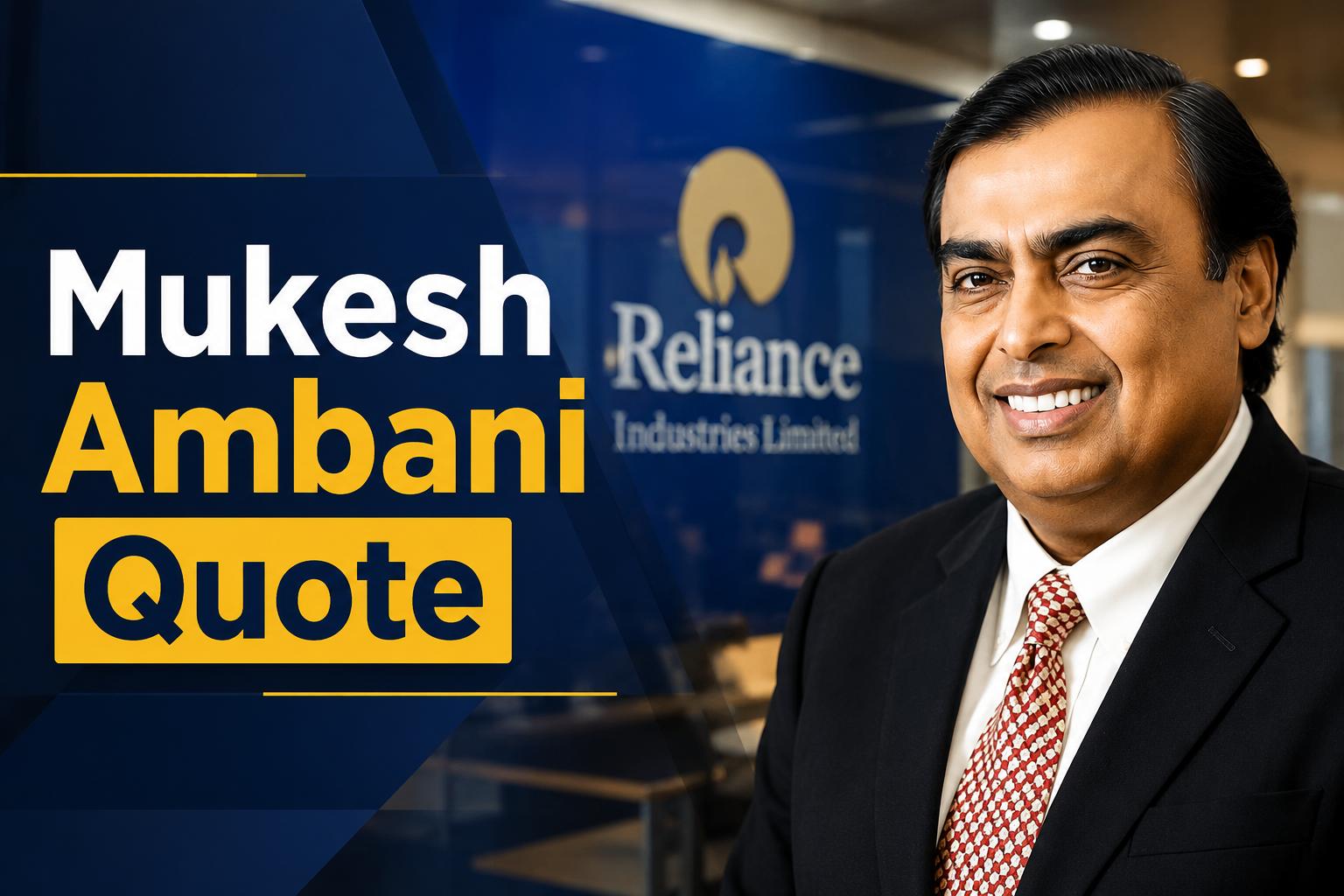
Mukesh Ambani’s quote on entrepreneurship shares a simple but powerful lesson from his father, Dhirubhai Ambani: those who want to build something of their own must learn to find their own way. The message continues to inspire young founders, business owners, and professionals aiming to take charge of their future.
The quote, shared in a “Quote of the Day” context, highlights one of the most important principles behi
Mukesh Ambani’s quote on entrepreneurship shares a simple but powerful lesson from his father, Dhirubhai Ambani: those who want to build something of their own must learn to find their own way. The message continues to inspire young founders, business owners, and professionals aiming to take charge of their future.
The quote, shared in a “Quote of the Day” context, highlights one of the most important principles behi
Trump Signals Shift in Tone on Ukraine Conflict
US President Donald Trump has offered a notably more supportive assessment of Ukrainian President Volodymyr Zelensky, describing him as performing “pretty well” in the ongoing war with Russia. Speaking alongside NATO Secretary General Mark Rutte, Trump acknowledged Ukraine’s resilience while emphasizing the heavy human cost of the conflict on both sides.
Trump Signals Shift in Tone on Ukraine Conflict
US President Donald Trump has offered a notably more supportive assessment of Ukrainian President Volodymyr Zelensky, describing him as performing “pretty well” in the ongoing war with Russia. Speaking alongside NATO Secretary General Mark Rutte, Trump acknowledged Ukraine’s resilience while emphasizing the heavy human cost of the conflict on both sides.
Powerful Earthquakes Shake Venezuela and Japan
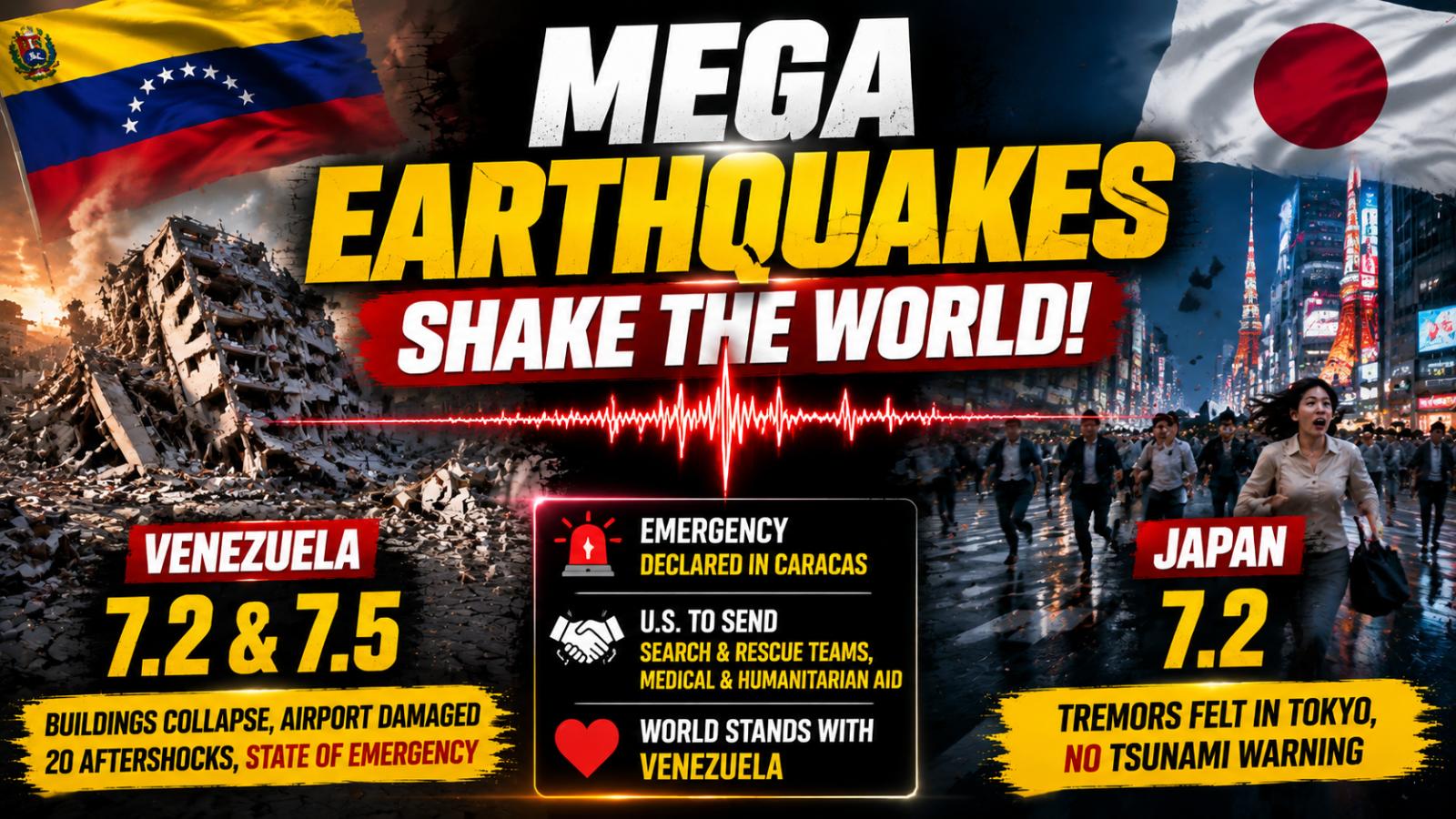
Two major earthquakes measuring magnitude 7.2 and 7.5 struck Venezuela on Wednesday evening, causing widespread destruction, infrastructure damage, and panic across affected regions. The tremors brought daily life to a standstill as roads cracked, buildings collapsed, and emergency services were deployed to assess the situ
Powerful Earthquakes Shake Venezuela and Japan
Two major earthquakes measuring magnitude 7.2 and 7.5 struck Venezuela on Wednesday evening, causing widespread destruction, infrastructure damage, and panic across affected regions. The tremors brought daily life to a standstill as roads cracked, buildings collapsed, and emergency services were deployed to assess the situ
Trump Raises Concerns Over NATO Support During Iran Conflict
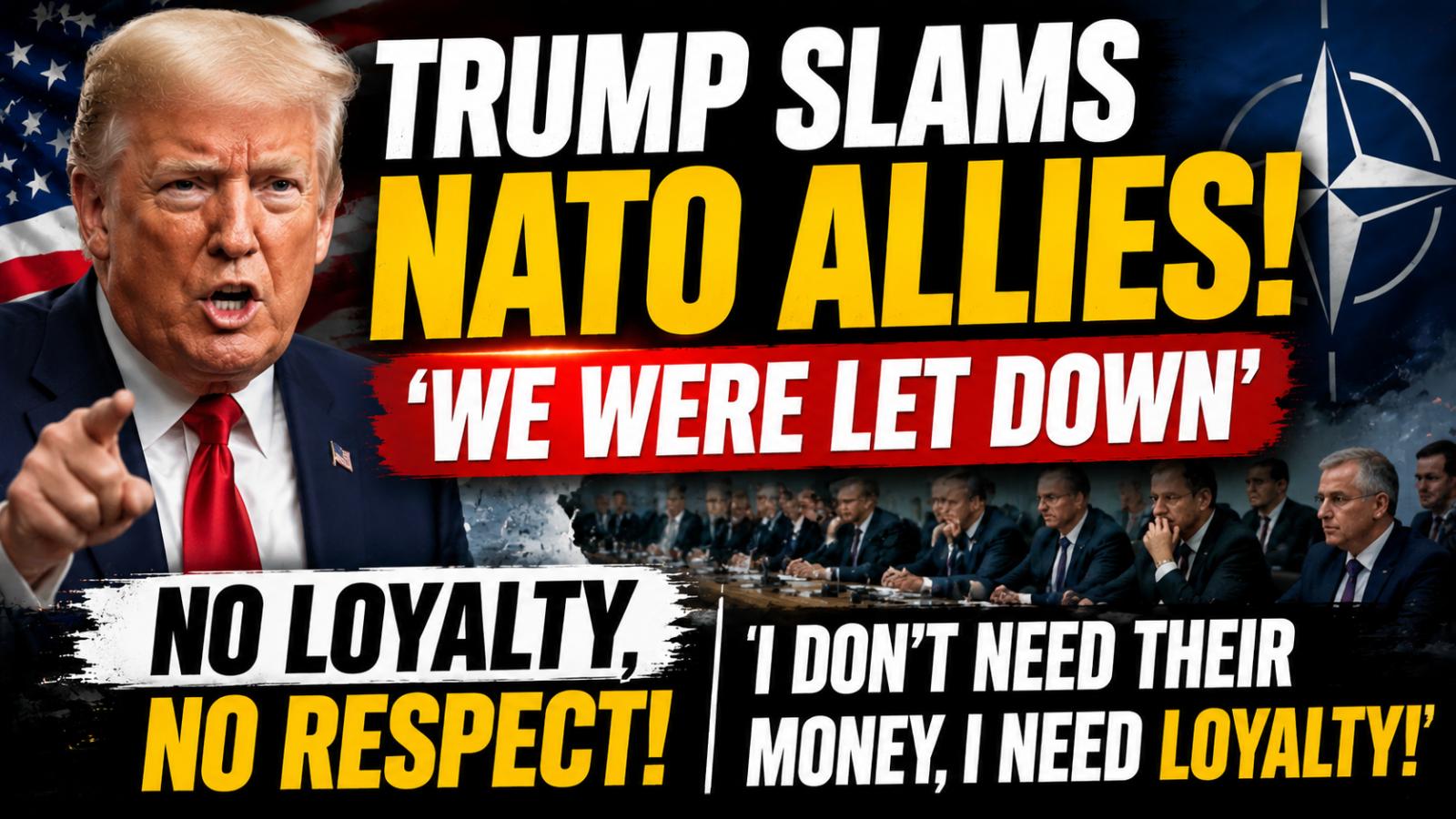
US President Donald Trump has expressed strong criticism of several NATO allies, stating that they failed to adequately support the United States during its recent military confrontation involving Iran. Speaking during a meeting with NATO Secretary General Mark Rutte at the White House, Trump said he was dis
Trump Raises Concerns Over NATO Support During Iran Conflict
US President Donald Trump has expressed strong criticism of several NATO allies, stating that they failed to adequately support the United States during its recent military confrontation involving Iran. Speaking during a meeting with NATO Secretary General Mark Rutte at the White House, Trump said he was dis
The Cornell Tata Scholarship provides need-based financial aid to eligible undergraduate students who attended secondary school in India. Applicants must gain admission to Cornell University, demonstrate financial need and complete the university’s required financial-aid process.
Created through a $25 million endowment from the Tata Education and Development Trust, the program supports about 20 scholars at any one time and awards assistance annually.
The Cornell Tata Scholarship provides need-based financial aid to eligible undergraduate students who attended secondary school in India. Applicants must gain admission to Cornell University, demonstrate financial need and complete the university’s required financial-aid process.
Created through a $25 million endowment from the Tata Education and Development Trust, the program supports about 20 scholars at any one time and awards assistance annually.