











#ajitdoval
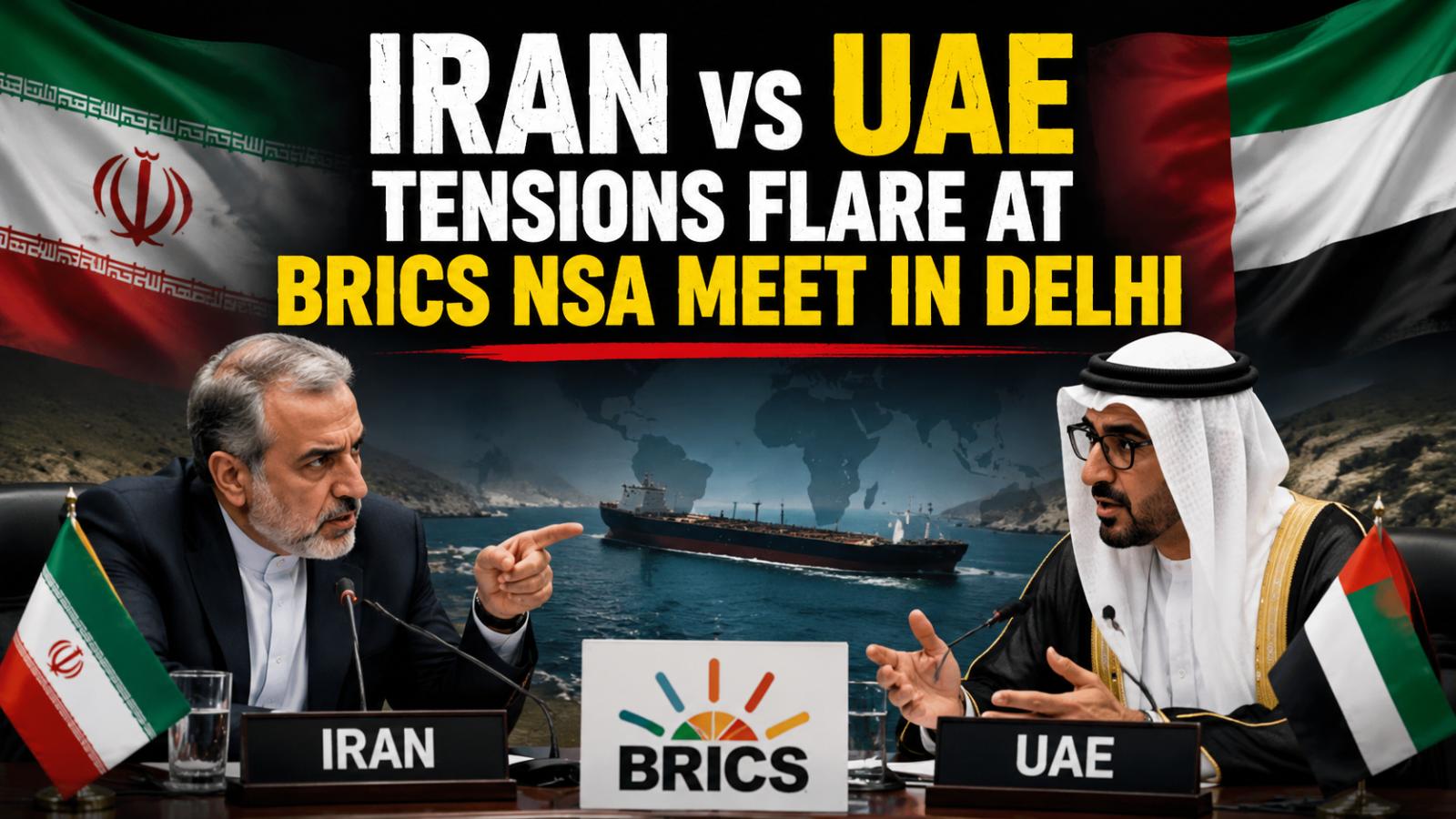
Iran UAE row escalates at BRICS NSA meeting in New Delhi
A BRICS National Security Advisers meeting in New Delhi turned tense after Iran and the United Arab Emirates exchanged strong political accusations over regional security concerns. The discussion, chaired by India’s National Security Advisor Ajit Doval, was intended to focus on cooperation in maritime safety and counterterrorism, but quickly exposed deep disagreements within the group on West Asia dynamics. Iran raises concerns over regional strikes and external involvement Iran’s delegation raised allegations linking recent regional strikes to external military coordination, suggesting that operations affecting Iranian interests were enabled through logistical and strategic support networks in the Gulf region. Tehran argued that such developments have increased risks for civilians and undermined stability across key transit zones. Strait of Hormuz remains central pressure point The Strait of Hormuz once again emerged as the most sensitive flashpoint in the discussion. Iranian representatives warned that continued military escalation near the waterway threatens global energy flows and could destabilize shipping routes that carry a significant share of the world’s oil supply. The issue highlighted how maritime security concerns are increasingly tied to broader geopolitical rivalries in the region. UAE pushes back and defends its position The UAE rejected the allegations and reiterated that it does not support or participate in hostile operations against any state. Emirati officials maintained that the country itself remains exposed to regional security threats and emphasized the need for de-escalation rather than blame-based diplomacy. Past BRICS discussions had already seen similar disagreements without consensus outcomes. BRICS unity tested by West Asia fault lines The confrontation underscored growing strain within BRICS as it expands its membership and geopolitical scope. While India has pushed for the bloc to act as a platform for dialogue and stability, persistent conflicts between member and partner states are limiting progress on unified security statements. The Iran–UAE exchange reflected how regional rivalries are increasingly shaping multilateral forums meant for cooperation rather than confrontation.
Iran UAE row escalates at BRICS NSA meeting in New Delhi
A BRICS National Security Advisers meeting in New Delhi turned tense after Iran and the United Arab Emirates exchanged strong political accusations over regional security concerns. The discussion, chaired by India’s National Security Advisor Ajit Doval, was intended to focus on cooperation in maritime safety and counterterrorism, but quickly exposed deep disagreements within the group on West Asia dynamics. Iran raises concerns over regional strikes and external involvement Iran’s delegation raised allegations linking recent regional strikes to external military coordination, suggesting that operations affecting Iranian interests were enabled through logistical and strategic support networks in the Gulf region. Tehran argued that such developments have increased risks for civilians and undermined stability across key transit zones. Strait of Hormuz remains central pressure point The Strait of Hormuz once again emerged as the most sensitive flashpoint in the discussion. Iranian representatives warned that continued military escalation near the waterway threatens global energy flows and could destabilize shipping routes that carry a significant share of the world’s oil supply. The issue highlighted how maritime security concerns are increasingly tied to broader geopolitical rivalries in the region. UAE pushes back and defends its position The UAE rejected the allegations and reiterated that it does not support or participate in hostile operations against any state. Emirati officials maintained that the country itself remains exposed to regional security threats and emphasized the need for de-escalation rather than blame-based diplomacy. Past BRICS discussions had already seen similar disagreements without consensus outcomes. BRICS unity tested by West Asia fault lines The confrontation underscored growing strain within BRICS as it expands its membership and geopolitical scope. While India has pushed for the bloc to act as a platform for dialogue and stability, persistent conflicts between member and partner states are limiting progress on unified security statements. The Iran–UAE exchange reflected how regional rivalries are increasingly shaping multilateral forums meant for cooperation rather than confrontation.
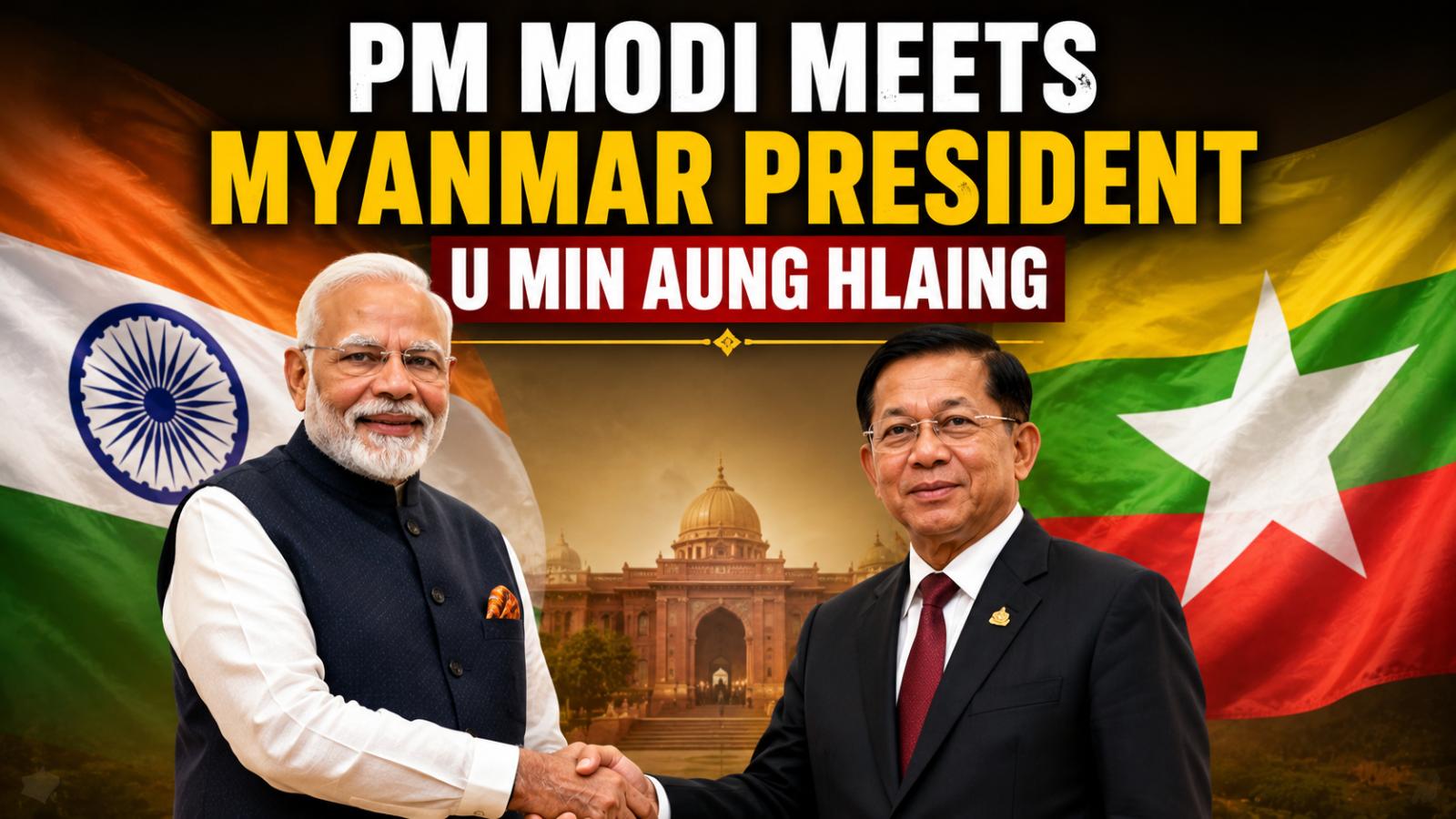
PM Narendra Modi meets Myanmar President Min Aung Hlaing in Delhi
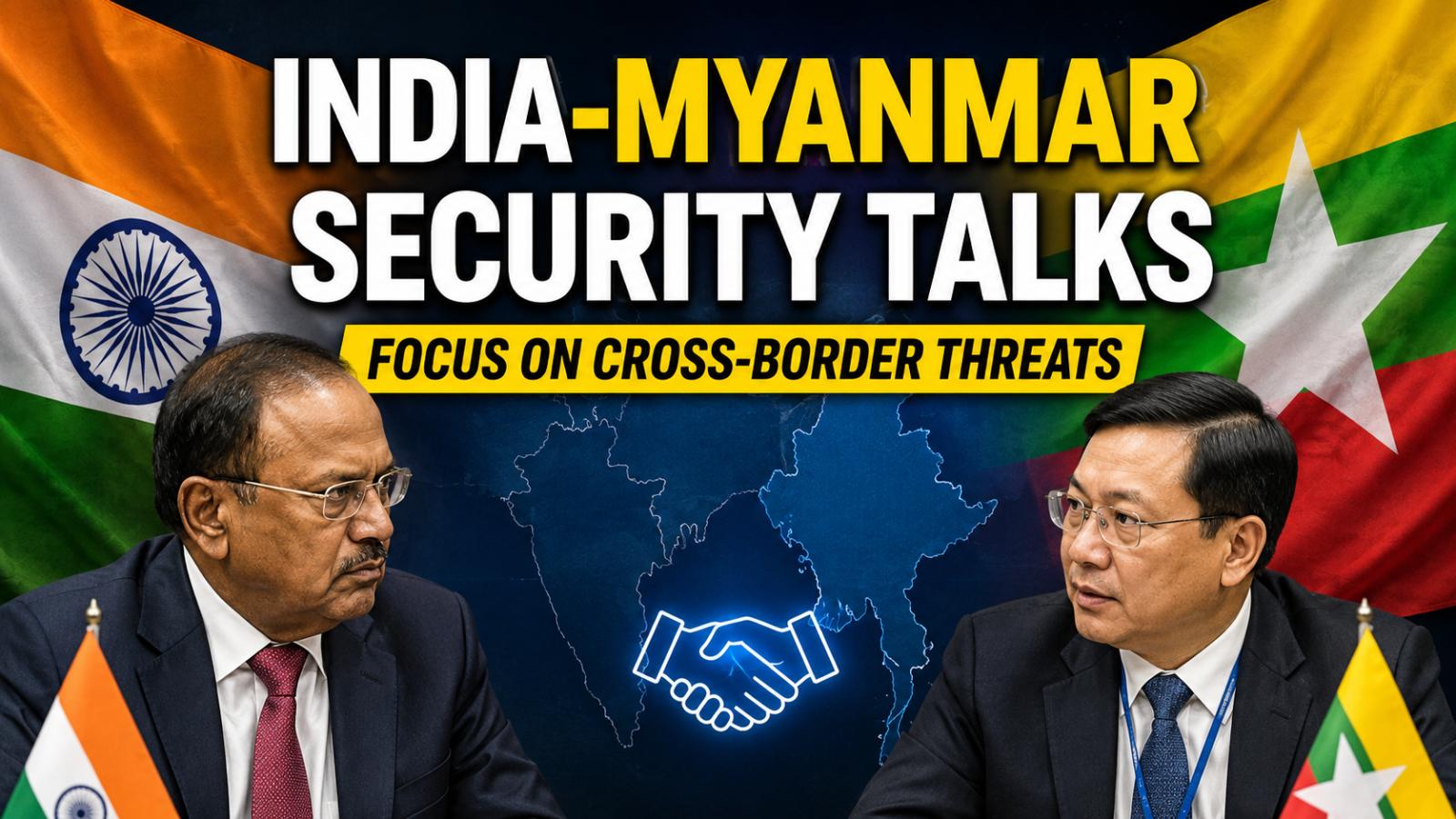
Prime Minister Narendra Modi met Myanmar President U Min Aung Hlaing at Hyderabad House in New Delhi on Monday as India and Myanmar looked to strengthen bilateral cooperation during the visiting leader’s official trip to India. The meeting was part of Min Aung Hlaing’s visit from May 30 to June 3, which marks his first visit to India in his current capacity as President. The Myanmar President arrived in India with a high-level delegation that included cabinet ministers, senior o
PM Narendra Modi meets Myanmar President Min Aung Hlaing in Delhi
Prime Minister Narendra Modi met Myanmar President U Min Aung Hlaing at Hyderabad House in New Delhi on Monday as India and Myanmar looked to strengthen bilateral cooperation during the visiting leader’s official trip to India. The meeting was part of Min Aung Hlaing’s visit from May 30 to June 3, which marks his first visit to India in his current capacity as President. The Myanmar President arrived in India with a high-level delegation that included cabinet ministers, senior o
IC 814 hijacking case: inside India’s high-stakes Kandahar negotiations
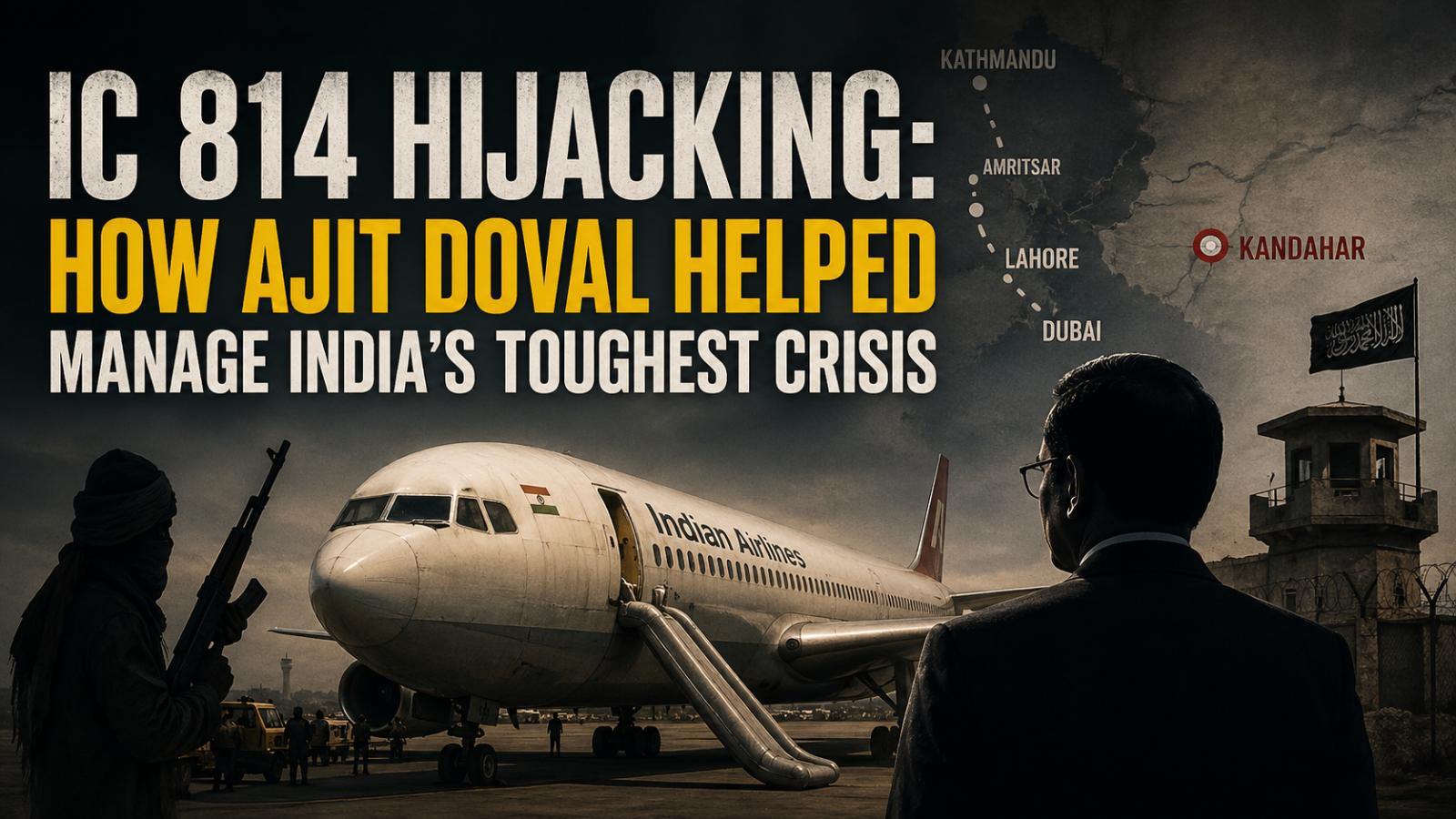
The IC 814 hijacking remains one of India’s most serious aviation crises, and the role of Ajit Doval in managing the situation from behind the scenes highlights the complexity of decisions taken under extreme pressure. The hijacking of Indian Airlines Flight IC-814 on December 24, 1999, forced India into a difficult choice between saving hostages and long-term security concerns. The flig
IC 814 hijacking case: inside India’s high-stakes Kandahar negotiations
The IC 814 hijacking remains one of India’s most serious aviation crises, and the role of Ajit Doval in managing the situation from behind the scenes highlights the complexity of decisions taken under extreme pressure. The hijacking of Indian Airlines Flight IC-814 on December 24, 1999, forced India into a difficult choice between saving hostages and long-term security concerns. The flig
Ajit Doval’s covert operations reveal the discipline behind intelligence work
Ajit Doval’s reported deep-cover operations are widely regarded as a study in psychological resilience rather than physical confrontation. Operating within hostile environments, including extended periods in Pakistan, his work required a high degree of composure, adaptability, and continuous situational awareness. Public discussions often reference cities such as Lahore, though specific operational details remain classified. The available accounts suggest that Doval functioned under an assu
Ajit Doval’s covert operations reveal the discipline behind intelligence work
Ajit Doval’s reported deep-cover operations are widely regarded as a study in psychological resilience rather than physical confrontation. Operating within hostile environments, including extended periods in Pakistan, his work required a high degree of composure, adaptability, and continuous situational awareness. Public discussions often reference cities such as Lahore, though specific operational details remain classified. The available accounts suggest that Doval functioned under an assu
Ajit Doval’s covert operations reveal the discipline behind intelligence work
Ajit Doval’s reported deep-cover operations are widely regarded as a study in psychological resilience rather than physical confrontation. Operating within hostile environments, including extended periods in Pakistan, his work required a high degree of composure, adaptability, and continuous situational awareness. Public discussions often reference cities such as Lahore, though specific operational details remain classified. The available accounts suggest that Doval functioned under an assu
Ajit Doval’s covert operations reveal the discipline behind intelligence work
Ajit Doval’s reported deep-cover operations are widely regarded as a study in psychological resilience rather than physical confrontation. Operating within hostile environments, including extended periods in Pakistan, his work required a high degree of composure, adaptability, and continuous situational awareness. Public discussions often reference cities such as Lahore, though specific operational details remain classified. The available accounts suggest that Doval functioned under an assu
Ajit Doval’s journey from IPS officer to covert intelligence operative
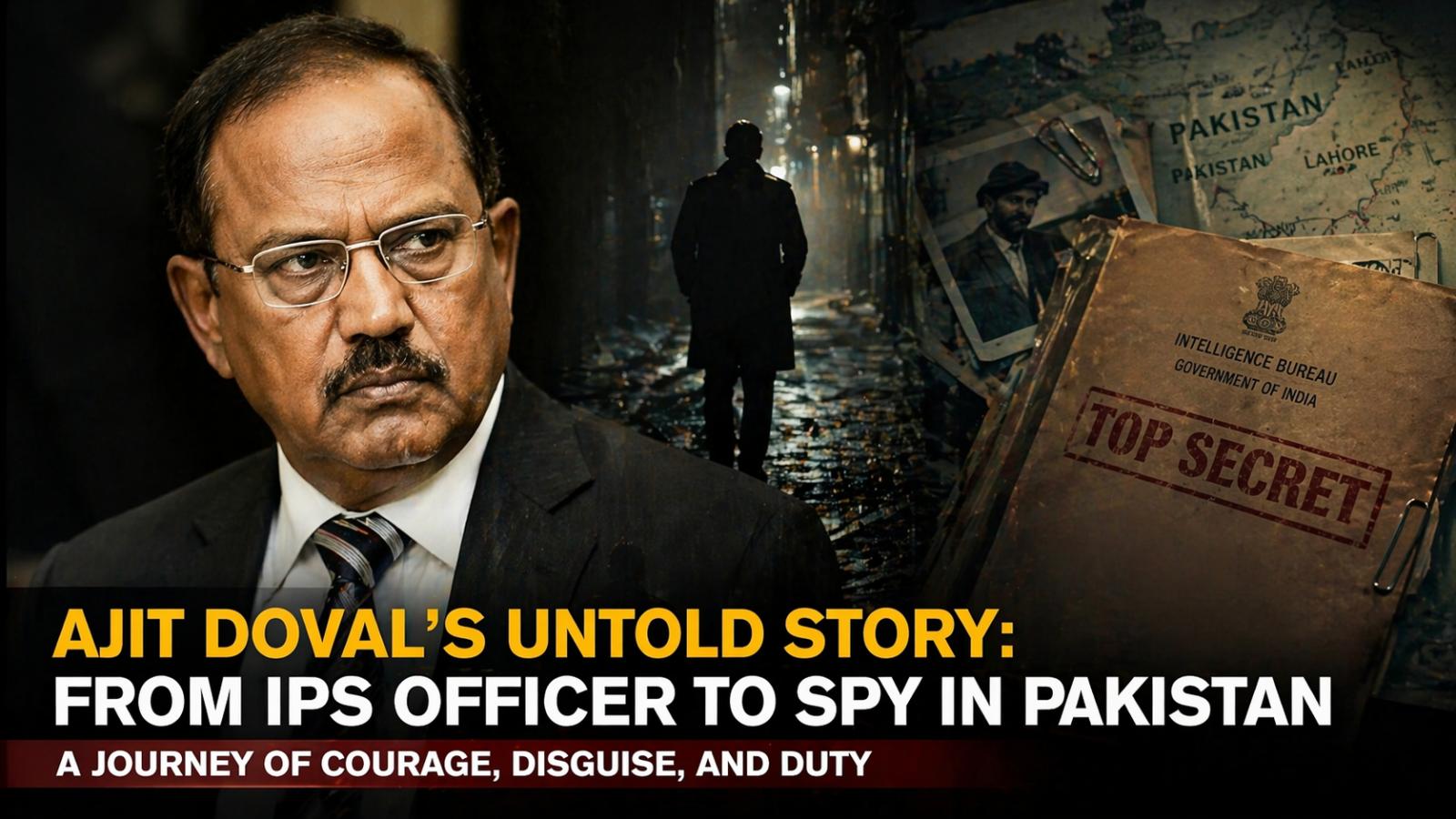
Ajit Doval began his professional journey as an officer in the Indian Police Service in 1968, serving in the Kerala cadre. Over time, he developed a reputation for managing insurgency-related challenges and complex law-and-order situations, which required a combination of tactical decision-making and psychological resilience. Rather than following a conventional policing career, he later transitioned into the Intelligence Bureau, moving into a domain where operational visibility is minimal but strategic impact is significant. During the 1970s, Doval was reportedly assigned to a deep-cover intelligence mission in Pakistan, marking a critical phase in his career. The assignment extended over several years, demanding a sustained and disciplined approach to undercover work. To function effectively, he assumed a complete alternate identity, integrating into local society through language proficiency, cultural understanding, and adherence to social and religious practices. This level of immersion was essential for maintaining credibility and avoiding suspicion in a sensitive environment. Operating in a foreign and potentially hostile setting required the development of a consistent personal narrative and the ability to establish relationships without drawing attention. Such assignments are typically conducted without direct support, placing significant responsibility on the individual operative. The risks associated with exposure are severe, emphasizing the need for precision, restraint, and continuous situational awareness. Intelligence gathering in these conditions often involves incremental efforts, where accurate information is collected over time rather than through rapid or visible actions. The nature of such operations differs considerably from their portrayal in popular media. While films like Dhurandhar often depict espionage through fast-paced sequences and overt action, real-world intelligence work is characterized by patience, discretion, and long-term commitment. Doval’s reported experiences reflect the complexities of covert operations, where outcomes are rarely visible and details remain largely classified, underscoring the contrast between cinematic representation and operational reality.
Ajit Doval’s journey from IPS officer to covert intelligence operative
Ajit Doval began his professional journey as an officer in the Indian Police Service in 1968, serving in the Kerala cadre. Over time, he developed a reputation for managing insurgency-related challenges and complex law-and-order situations, which required a combination of tactical decision-making and psychological resilience. Rather than following a conventional policing career, he later transitioned into the Intelligence Bureau, moving into a domain where operational visibility is minimal but strategic impact is significant. During the 1970s, Doval was reportedly assigned to a deep-cover intelligence mission in Pakistan, marking a critical phase in his career. The assignment extended over several years, demanding a sustained and disciplined approach to undercover work. To function effectively, he assumed a complete alternate identity, integrating into local society through language proficiency, cultural understanding, and adherence to social and religious practices. This level of immersion was essential for maintaining credibility and avoiding suspicion in a sensitive environment. Operating in a foreign and potentially hostile setting required the development of a consistent personal narrative and the ability to establish relationships without drawing attention. Such assignments are typically conducted without direct support, placing significant responsibility on the individual operative. The risks associated with exposure are severe, emphasizing the need for precision, restraint, and continuous situational awareness. Intelligence gathering in these conditions often involves incremental efforts, where accurate information is collected over time rather than through rapid or visible actions. The nature of such operations differs considerably from their portrayal in popular media. While films like Dhurandhar often depict espionage through fast-paced sequences and overt action, real-world intelligence work is characterized by patience, discretion, and long-term commitment. Doval’s reported experiences reflect the complexities of covert operations, where outcomes are rarely visible and details remain largely classified, underscoring the contrast between cinematic representation and operational reality.
Canada says no ongoing India link to violent crimes ahead of Mark Carney visit
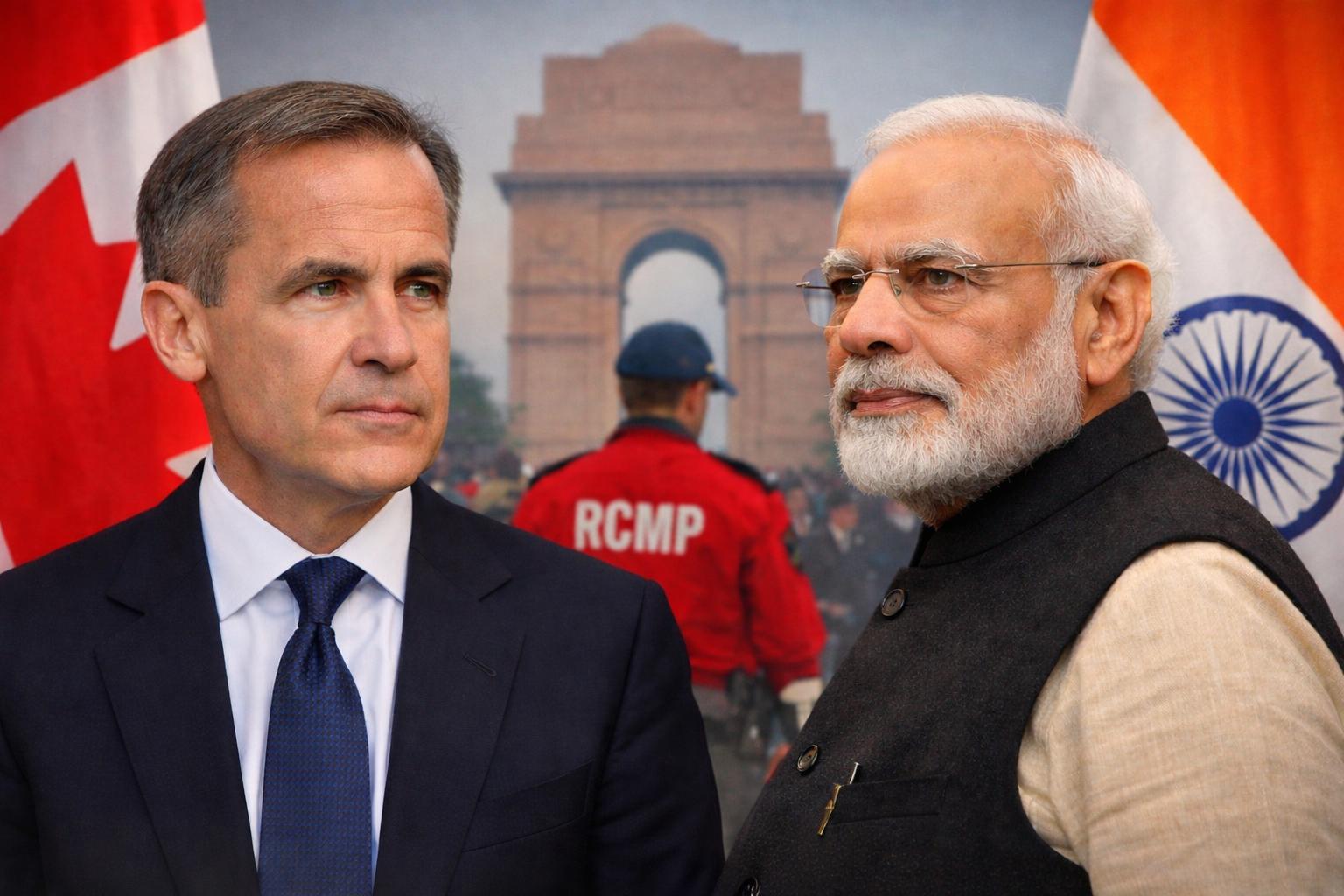
Canada has indicated a significant shift in its position on India, stating that it no longer believes New Delhi is linked to violent crimes or ongoing foreign interference within Canadian territory. The remarks were made during a briefing with journalists ahead of Prime Minister Mark Carney’s scheduled nine-day visit to India, which includes stops in Mumbai and New Delhi and a planned meeting with Prime Minister Narendra Modi. Senior Canadian officials said there is currently no evidence of continued foreign interference or violent activity tied to India. One official noted that diplomatic engagement between the two countries remains robust, including regular communication between national security advisers. The official added that the visit would not be taking place if authorities believed such activities were still ongoing. The statement marks a notable change from Canada’s earlier stance, when concerns about alleged foreign interference had strained bilateral ties. Relations between Ottawa and New Delhi deteriorated sharply following the June 2023 killing of Hardeep Singh Nijjar outside a gurdwara in British Columbia. Months after the incident, then Prime Minister Justin Trudeau stated that there was credible evidence linking agents of the Indian government to the killing. India strongly denied the allegations, calling them unfounded. The dispute escalated into a diplomatic standoff, with both countries expelling senior diplomats. In 2024, the Royal Canadian Mounted Police alleged that individuals linked to the Indian government were associated with violent crimes in Canada, including death threats and possible involvement in homicides. However, the latest comments from Canadian officials suggest that authorities no longer see active or continuing interference connected to India. The evolving position has drawn mixed reactions. Moninder Singh, a religious leader in British Columbia, said that Vancouver police had recently warned him of an imminent threat to his life and that of his family. Meanwhile, members of Sikhs for Justice staged protests on Parliament Hill, criticizing the government’s renewed engagement with India and expressing concern over the Nijjar case. Indian officials have consistently maintained that they are willing to cooperate with Canadian authorities within the framework of the law. India’s High Commissioner to Ottawa, Dinesh Patnaik, has previously emphasized that disagreements should be resolved through dialogue rather than actions that damage the broader relationship. He described recent discussions between the two countries’ national security advisers, including a visit by NSA Ajit Doval to Ottawa, as an important step toward strengthening bilateral security cooperation. Carney’s visit is being viewed as part of Ottawa’s effort to adopt a more pragmatic foreign policy approach and to deepen economic and strategic ties with India. With trade, investment, and security collaboration on the agenda, both sides appear to be seeking a reset after months of diplomatic friction. While the Nijjar case remains before the courts and political sensitivities persist, the latest statements suggest a willingness from both governments to stabilize relations and rebuild trust through sustained engagement.
Canada says no ongoing India link to violent crimes ahead of Mark Carney visit
Canada has indicated a significant shift in its position on India, stating that it no longer believes New Delhi is linked to violent crimes or ongoing foreign interference within Canadian territory. The remarks were made during a briefing with journalists ahead of Prime Minister Mark Carney’s scheduled nine-day visit to India, which includes stops in Mumbai and New Delhi and a planned meeting with Prime Minister Narendra Modi. Senior Canadian officials said there is currently no evidence of continued foreign interference or violent activity tied to India. One official noted that diplomatic engagement between the two countries remains robust, including regular communication between national security advisers. The official added that the visit would not be taking place if authorities believed such activities were still ongoing. The statement marks a notable change from Canada’s earlier stance, when concerns about alleged foreign interference had strained bilateral ties. Relations between Ottawa and New Delhi deteriorated sharply following the June 2023 killing of Hardeep Singh Nijjar outside a gurdwara in British Columbia. Months after the incident, then Prime Minister Justin Trudeau stated that there was credible evidence linking agents of the Indian government to the killing. India strongly denied the allegations, calling them unfounded. The dispute escalated into a diplomatic standoff, with both countries expelling senior diplomats. In 2024, the Royal Canadian Mounted Police alleged that individuals linked to the Indian government were associated with violent crimes in Canada, including death threats and possible involvement in homicides. However, the latest comments from Canadian officials suggest that authorities no longer see active or continuing interference connected to India. The evolving position has drawn mixed reactions. Moninder Singh, a religious leader in British Columbia, said that Vancouver police had recently warned him of an imminent threat to his life and that of his family. Meanwhile, members of Sikhs for Justice staged protests on Parliament Hill, criticizing the government’s renewed engagement with India and expressing concern over the Nijjar case. Indian officials have consistently maintained that they are willing to cooperate with Canadian authorities within the framework of the law. India’s High Commissioner to Ottawa, Dinesh Patnaik, has previously emphasized that disagreements should be resolved through dialogue rather than actions that damage the broader relationship. He described recent discussions between the two countries’ national security advisers, including a visit by NSA Ajit Doval to Ottawa, as an important step toward strengthening bilateral security cooperation. Carney’s visit is being viewed as part of Ottawa’s effort to adopt a more pragmatic foreign policy approach and to deepen economic and strategic ties with India. With trade, investment, and security collaboration on the agenda, both sides appear to be seeking a reset after months of diplomatic friction. While the Nijjar case remains before the courts and political sensitivities persist, the latest statements suggest a willingness from both governments to stabilize relations and rebuild trust through sustained engagement.
India–US trade deal: Doval warns Washington against pressure tactics
India’s national security advisor Ajit Doval conveyed a firm message to senior United States officials months before the announcement of a new trade agreement between New Delhi and Washington, underscoring that India would not yield to public pressure or coercive tactics during negotiations. According to officials familiar with the discussions, Doval made it clear during meetings in Washington that India was prepared to wait out the current US administration if necessary rather than accept terms it viewed as unfavorable. The visit took place in early September, shortly after Prime Minister Narendra Modi held talks with Russian President Vladimir Putin and Chinese President Xi Jinping, signaling an active diplomatic phase for New Delhi across major global powers. During his interaction with US Secretary of State Marco Rubio, Doval reportedly emphasized that while India remained committed to reviving trade talks, it expected a more measured tone from Washington and less public criticism that could complicate bilateral ties. Officials said Doval sought to put recent acrimony behind the two countries and expressed interest in restarting substantive discussions on a trade deal that has been under negotiation for several years. At the same time, he warned that India would not be “bullied” by President Donald Trump or senior members of his team, stressing that any agreement must respect India’s economic interests and strategic autonomy. The remarks came months before Trump publicly announced progress on a trade deal with India following a phone call with Modi on February 2. That announcement marked a fresh attempt by both sides to rebuild momentum in economic cooperation after a period marked by tariff disputes and disagreements over market access. Diplomatic observers note that India’s approach reflects a broader foreign policy strategy that balances engagement with firmness. By signaling willingness to continue talks while resisting overt pressure, New Delhi appears intent on safeguarding domestic priorities while preserving its long-term partnership with Washington. The United States remains one of India’s largest trading partners, and both governments view closer economic integration as central to strengthening strategic ties in the Indo-Pacific. The Washington meeting is seen as part of quiet backchannel diplomacy aimed at lowering tensions and creating space for practical negotiations. With both sides now indicating readiness to resume dialogue, officials say the focus will be on rebuilding trust and advancing a mutually beneficial trade framework that supports growth and stability in the relationship.
India–US trade deal: Doval warns Washington against pressure tactics
India’s national security advisor Ajit Doval conveyed a firm message to senior United States officials months before the announcement of a new trade agreement between New Delhi and Washington, underscoring that India would not yield to public pressure or coercive tactics during negotiations. According to officials familiar with the discussions, Doval made it clear during meetings in Washington that India was prepared to wait out the current US administration if necessary rather than accept terms it viewed as unfavorable. The visit took place in early September, shortly after Prime Minister Narendra Modi held talks with Russian President Vladimir Putin and Chinese President Xi Jinping, signaling an active diplomatic phase for New Delhi across major global powers. During his interaction with US Secretary of State Marco Rubio, Doval reportedly emphasized that while India remained committed to reviving trade talks, it expected a more measured tone from Washington and less public criticism that could complicate bilateral ties. Officials said Doval sought to put recent acrimony behind the two countries and expressed interest in restarting substantive discussions on a trade deal that has been under negotiation for several years. At the same time, he warned that India would not be “bullied” by President Donald Trump or senior members of his team, stressing that any agreement must respect India’s economic interests and strategic autonomy. The remarks came months before Trump publicly announced progress on a trade deal with India following a phone call with Modi on February 2. That announcement marked a fresh attempt by both sides to rebuild momentum in economic cooperation after a period marked by tariff disputes and disagreements over market access. Diplomatic observers note that India’s approach reflects a broader foreign policy strategy that balances engagement with firmness. By signaling willingness to continue talks while resisting overt pressure, New Delhi appears intent on safeguarding domestic priorities while preserving its long-term partnership with Washington. The United States remains one of India’s largest trading partners, and both governments view closer economic integration as central to strengthening strategic ties in the Indo-Pacific. The Washington meeting is seen as part of quiet backchannel diplomacy aimed at lowering tensions and creating space for practical negotiations. With both sides now indicating readiness to resume dialogue, officials say the focus will be on rebuilding trust and advancing a mutually beneficial trade framework that supports growth and stability in the relationship.
PM Modi Meets Chinese Foreign Minister Wang Yi, Highlights Steady Progress in Ties
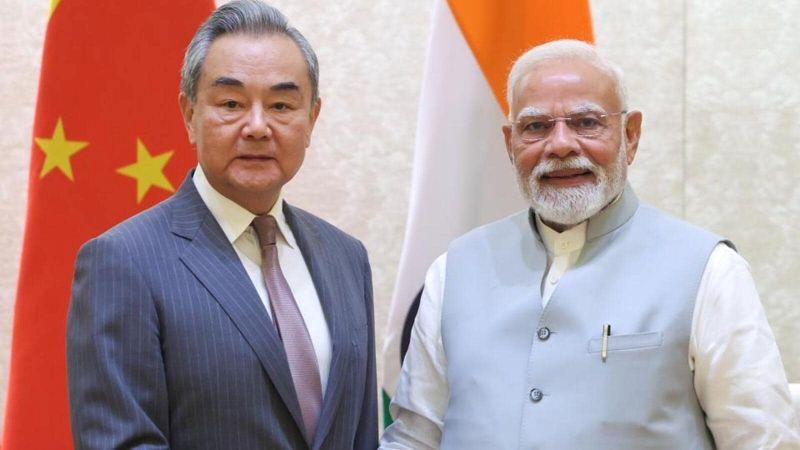
Prime Minister Narendra Modi met Chinese Foreign Minister Wang Yi in New Delhi on Tuesday, following a series of high-level talks by the visiting dignitary with India’s key officials, including National Security Advisor Ajit Doval and External Affairs Minister S. Jaishankar. The meeting focused on further strengthening bilateral ties between India and China, with an emphasis on the importance of stability and peace along the Line of Actual Control (LAC).
PM Modi Meets Chinese Foreign Minister Wang Yi, Highlights Steady Progress in Ties
Prime Minister Narendra Modi met Chinese Foreign Minister Wang Yi in New Delhi on Tuesday, following a series of high-level talks by the visiting dignitary with India’s key officials, including National Security Advisor Ajit Doval and External Affairs Minister S. Jaishankar. The meeting focused on further strengthening bilateral ties between India and China, with an emphasis on the importance of stability and peace along the Line of Actual Control (LAC).
India-Pakistan Ceasefire Holds After Overnight Attacks
The fragile ceasefire between India and Pakistan remains intact as of now, following a tense night of missile and drone attacks by Pakistan across the Line of Control (LoC) and International Border (IB). This came just hours after both nations agreed to halt all military action following the high-impact Operation Sindoor, India’s counter-terror offensive launched in response to the April 22 Pahalgam terror attack. The ceasefire was officially acknowledged by both sides late Saturday, af
India-Pakistan Ceasefire Holds After Overnight Attacks
The fragile ceasefire between India and Pakistan remains intact as of now, following a tense night of missile and drone attacks by Pakistan across the Line of Control (LoC) and International Border (IB). This came just hours after both nations agreed to halt all military action following the high-impact Operation Sindoor, India’s counter-terror offensive launched in response to the April 22 Pahalgam terror attack. The ceasefire was officially acknowledged by both sides late Saturday, af


