






Gold Declines, Silver Rises – Monday, April 27, 2026
Gold prices moved lower while silver recorded an increase in the latest market update. Currency rates remained steady with USD holding against INR. Gold Price Gold (per oz): $4,709.80 (↓) Gold 24K (per 10g): ₹128690 approx Gold 22K (per 10g): ₹117848 approx Silver Price Silver (per oz): $76.00 (↑) (₹6460 approx) Silver (per kg): $2443.45 (₹207655 approx)
Gold Declines, Silver Rises – Monday, April 27, 2026
Gold prices moved lower while silver recorded an increase in the latest market update. Currency rates remained steady with USD holding against INR. Gold Price Gold (per oz): $4,709.80 (↓) Gold 24K (per 10g): ₹128690 approx Gold 22K (per 10g): ₹117848 approx Silver Price Silver (per oz): $76.00 (↑) (₹6460 approx) Silver (per kg): $2443.45 (₹207655 approx)
US Expands Anti-Drug Campaign With New Pacific Strike
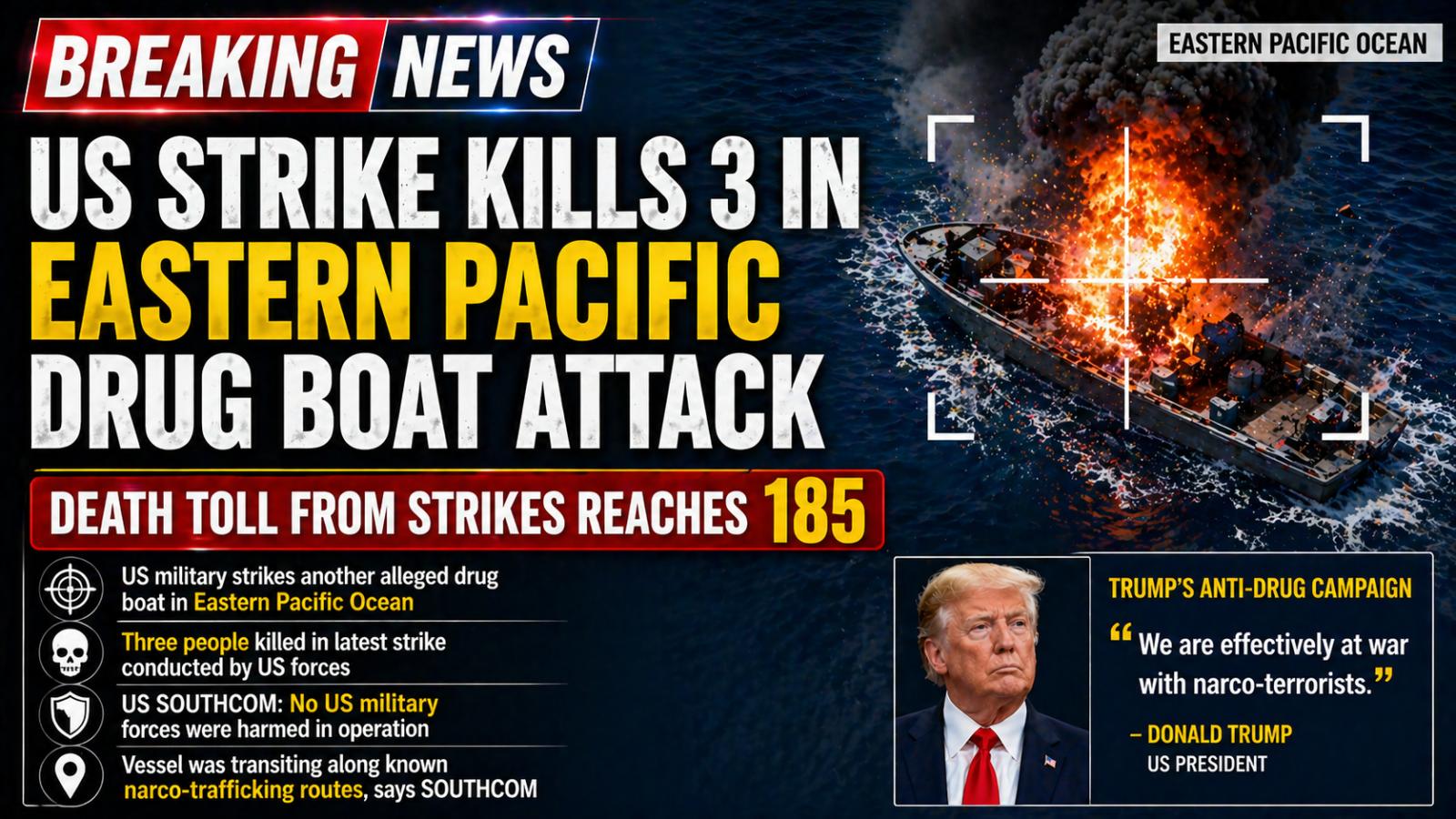
The United States military carried out another strike on a suspected drug-trafficking vessel in the Eastern Pacific, resulting in the deaths of three individuals, on Sunday (Apr 26), according to officials. The operation was conducted under the direction of US Southern Command, which stated that the vessel was operating along known narcotics trafficking routes and was actively engaged in il
US Expands Anti-Drug Campaign With New Pacific Strike
The United States military carried out another strike on a suspected drug-trafficking vessel in the Eastern Pacific, resulting in the deaths of three individuals, on Sunday (Apr 26), according to officials. The operation was conducted under the direction of US Southern Command, which stated that the vessel was operating along known narcotics trafficking routes and was actively engaged in il
Trump Cites Shooting to Push $400M White House Ballroom Plan
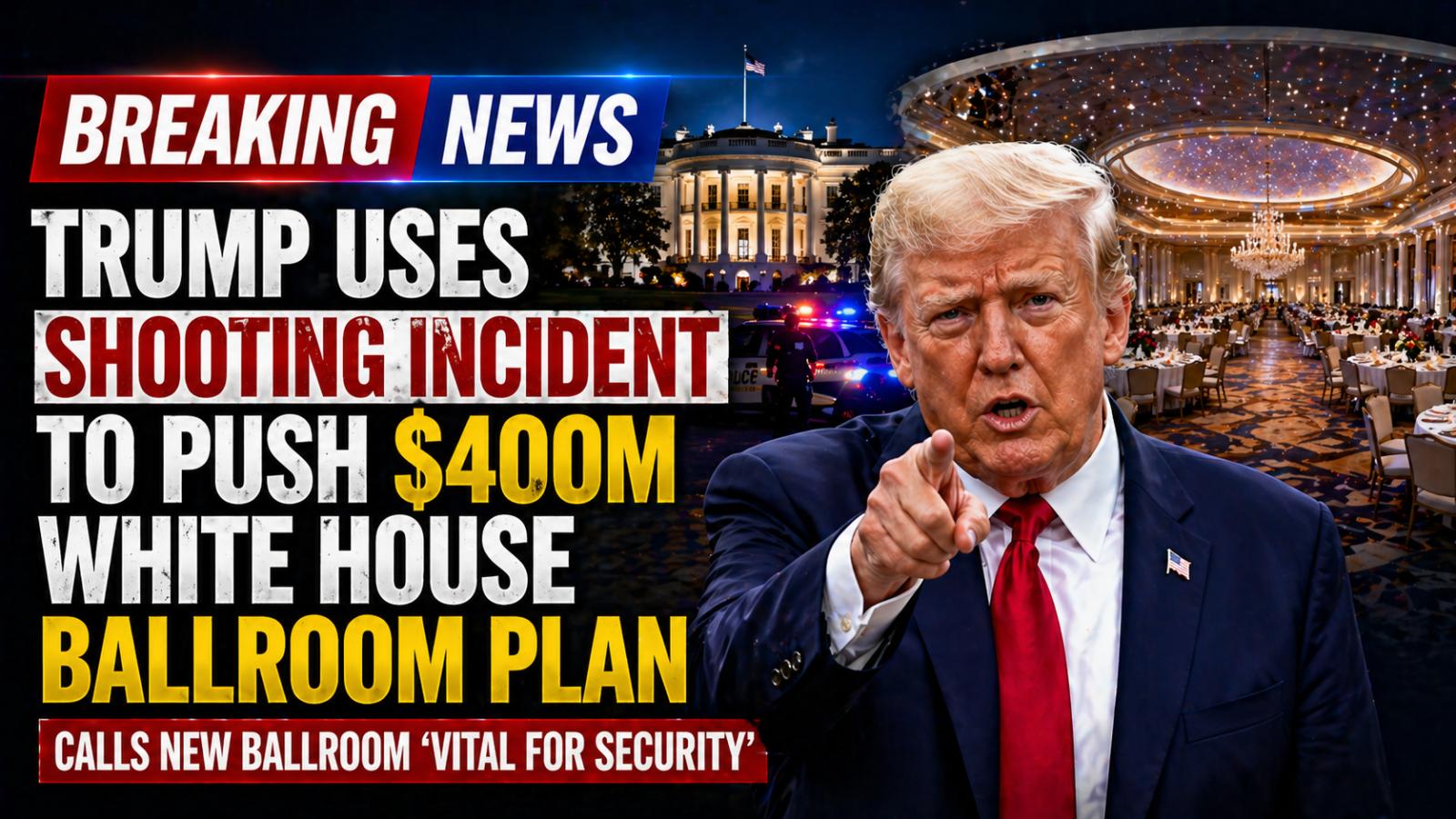
President Donald Trump has pointed to the recent shooting incident at the White House Correspondents’ Dinner as justification for his proposed $400 million ballroom project at the White House, describing it as essential for national security. In a statement shared on social media, Trump argued that the event underscored longstanding concerns about the safety of large gatherings involving senior government officials. According to the president, past administrations have recognized the need for a secure, large-scale event space within the White House complex. He claimed that the proposed ballroom would address vulnerabilities exposed by the recent incident, stating that such an event might have been prevented with enhanced security infrastructure. The project, however, remains under legal scrutiny, with ongoing challenges delaying its progress. The proposal outlines a 22,000-square-foot facility designed to host major events, alongside a reinforced structure featuring advanced security elements. Plans reportedly include a fortified roof, blast-resistant materials, and an expansion of the existing Presidential Emergency Operations Center beneath the site. The administration has described the project as a strategic investment in long-term security. The shooting incident that prompted renewed attention to the plan occurred during a high-profile event attended by government officials. Security personnel responded quickly, escorting attendees, including the president and senior leaders, to safety. Authorities later confirmed that the suspect, identified as Cole Tomas Allen, acted alone and was taken into custody at the scene. Investigators continue to examine the motive behind the attack, noting that the suspect had no prior criminal record. While officials have not confirmed specific details about intent, the case remains under active review. The incident has reignited debate over security measures at major political events, even as questions persist about the timing and feasibility of the proposed ballroom project.
Trump Cites Shooting to Push $400M White House Ballroom Plan
President Donald Trump has pointed to the recent shooting incident at the White House Correspondents’ Dinner as justification for his proposed $400 million ballroom project at the White House, describing it as essential for national security. In a statement shared on social media, Trump argued that the event underscored longstanding concerns about the safety of large gatherings involving senior government officials. According to the president, past administrations have recognized the need for a secure, large-scale event space within the White House complex. He claimed that the proposed ballroom would address vulnerabilities exposed by the recent incident, stating that such an event might have been prevented with enhanced security infrastructure. The project, however, remains under legal scrutiny, with ongoing challenges delaying its progress. The proposal outlines a 22,000-square-foot facility designed to host major events, alongside a reinforced structure featuring advanced security elements. Plans reportedly include a fortified roof, blast-resistant materials, and an expansion of the existing Presidential Emergency Operations Center beneath the site. The administration has described the project as a strategic investment in long-term security. The shooting incident that prompted renewed attention to the plan occurred during a high-profile event attended by government officials. Security personnel responded quickly, escorting attendees, including the president and senior leaders, to safety. Authorities later confirmed that the suspect, identified as Cole Tomas Allen, acted alone and was taken into custody at the scene. Investigators continue to examine the motive behind the attack, noting that the suspect had no prior criminal record. While officials have not confirmed specific details about intent, the case remains under active review. The incident has reignited debate over security measures at major political events, even as questions persist about the timing and feasibility of the proposed ballroom project.
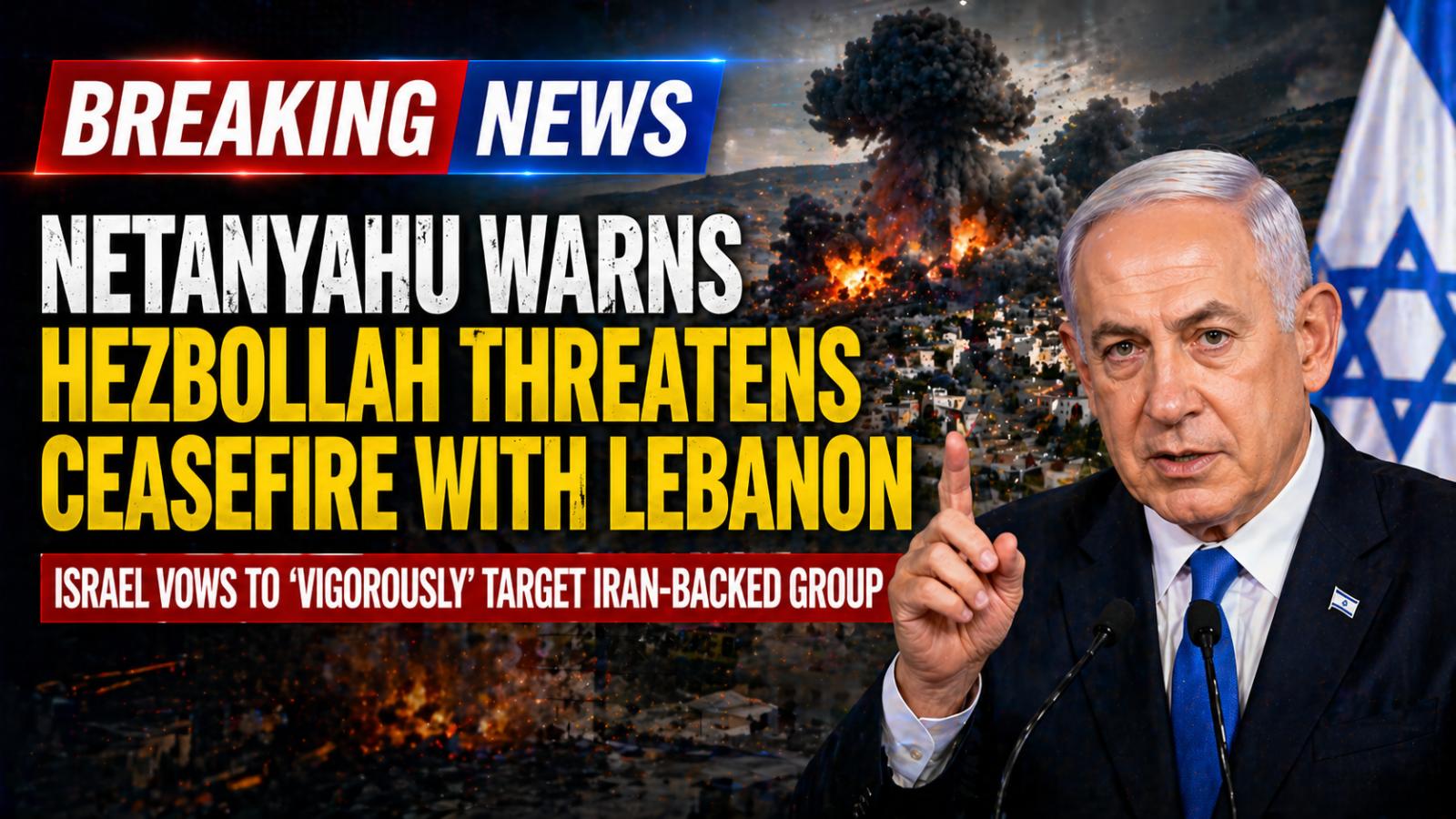
Israel Accuses Hezbollah of Violating Ceasefire Amid Rising Tensions
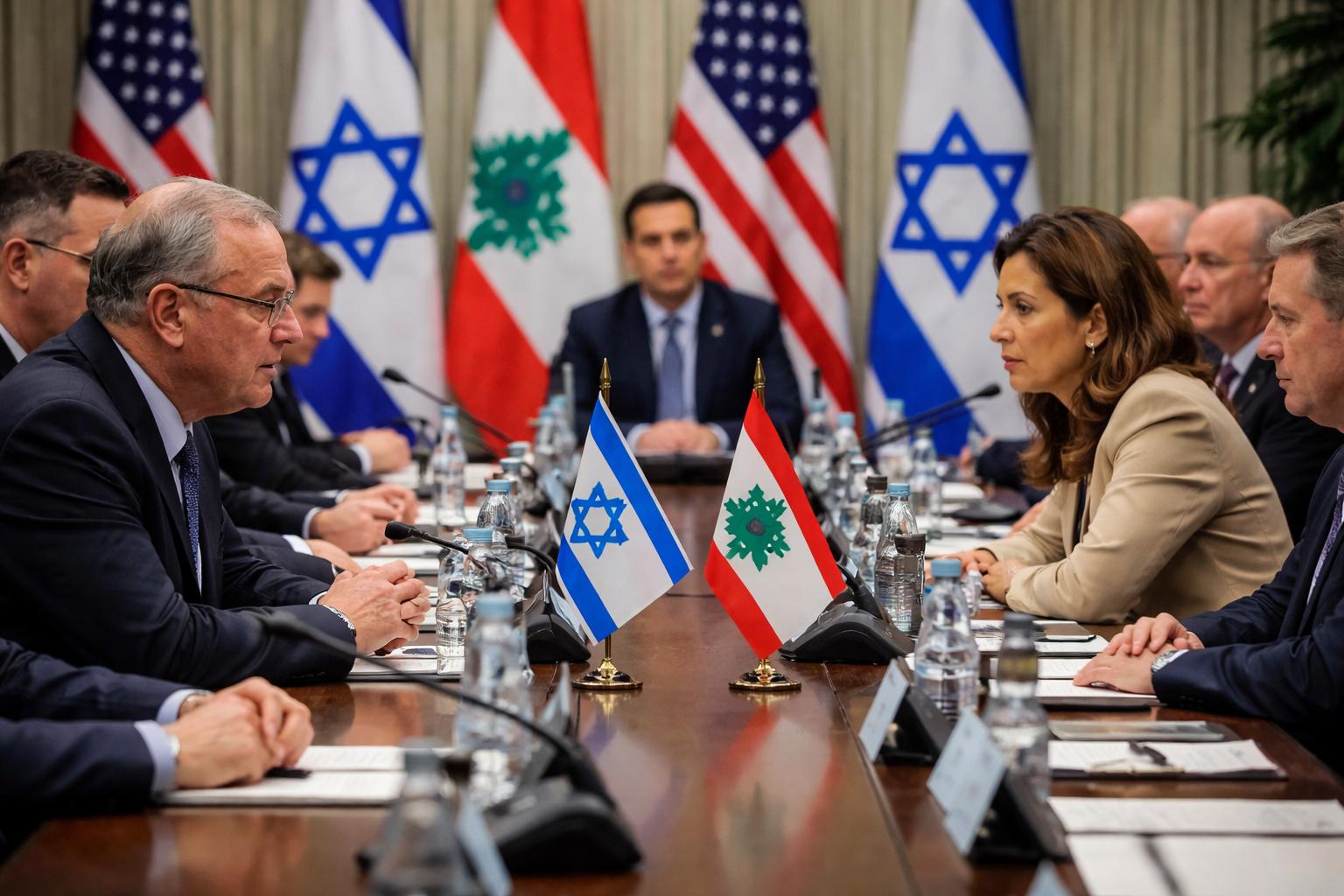
Israeli Prime Minister Benjamin Netanyahu has warned that ongoing actions by Hezbollah are placing the fragile ceasefire between Israel and Lebanon under increasing strain. Speaking during a weekly Cabinet meeting, Netanyahu stated that repeated violations by the Iran-backed group were effectively undermining the agreement intended to reduce hostilities along the border. In a separate statement, the Israeli military said recent activity attributed to Hezbollah represented a direct breach of ceasefire understandings. The Israel Defense Forces confirmed that it conducted overnight strikes on multiple structures in southern Lebanon, describing them as locations used by Hezbollah for operational purposes. These developments come amid heightened tensions despite ongoing diplomatic efforts to stabilize the region. The ceasefire arrangement, initially agreed upon for a limited period, was recently extended following discussions in Washington. During those talks, US President Donald Trump described the negotiations as productive, while acknowledging the complexities posed by Hezbollah’s involvement. The agreement aimed to provide additional time for de-escalation and further dialogue between the parties. Despite these efforts, reports of violations have continued to emerge from both sides since the truce came into effect. The situation remains fluid, with both Israel and Hezbollah accusing each other of actions that could destabilize the agreement. The initial ceasefire period, originally set to expire soon after its implementation, has faced mounting challenges as regional dynamics continue to shift. Observers note that the involvement of Iran-backed forces and the broader geopolitical context add complexity to maintaining the ceasefire. With both sides remaining on alert, the risk of escalation persists, even as diplomatic channels remain open.
Israel Accuses Hezbollah of Violating Ceasefire Amid Rising Tensions
Israeli Prime Minister Benjamin Netanyahu has warned that ongoing actions by Hezbollah are placing the fragile ceasefire between Israel and Lebanon under increasing strain. Speaking during a weekly Cabinet meeting, Netanyahu stated that repeated violations by the Iran-backed group were effectively undermining the agreement intended to reduce hostilities along the border. In a separate statement, the Israeli military said recent activity attributed to Hezbollah represented a direct breach of ceasefire understandings. The Israel Defense Forces confirmed that it conducted overnight strikes on multiple structures in southern Lebanon, describing them as locations used by Hezbollah for operational purposes. These developments come amid heightened tensions despite ongoing diplomatic efforts to stabilize the region. The ceasefire arrangement, initially agreed upon for a limited period, was recently extended following discussions in Washington. During those talks, US President Donald Trump described the negotiations as productive, while acknowledging the complexities posed by Hezbollah’s involvement. The agreement aimed to provide additional time for de-escalation and further dialogue between the parties. Despite these efforts, reports of violations have continued to emerge from both sides since the truce came into effect. The situation remains fluid, with both Israel and Hezbollah accusing each other of actions that could destabilize the agreement. The initial ceasefire period, originally set to expire soon after its implementation, has faced mounting challenges as regional dynamics continue to shift. Observers note that the involvement of Iran-backed forces and the broader geopolitical context add complexity to maintaining the ceasefire. With both sides remaining on alert, the risk of escalation persists, even as diplomatic channels remain open.
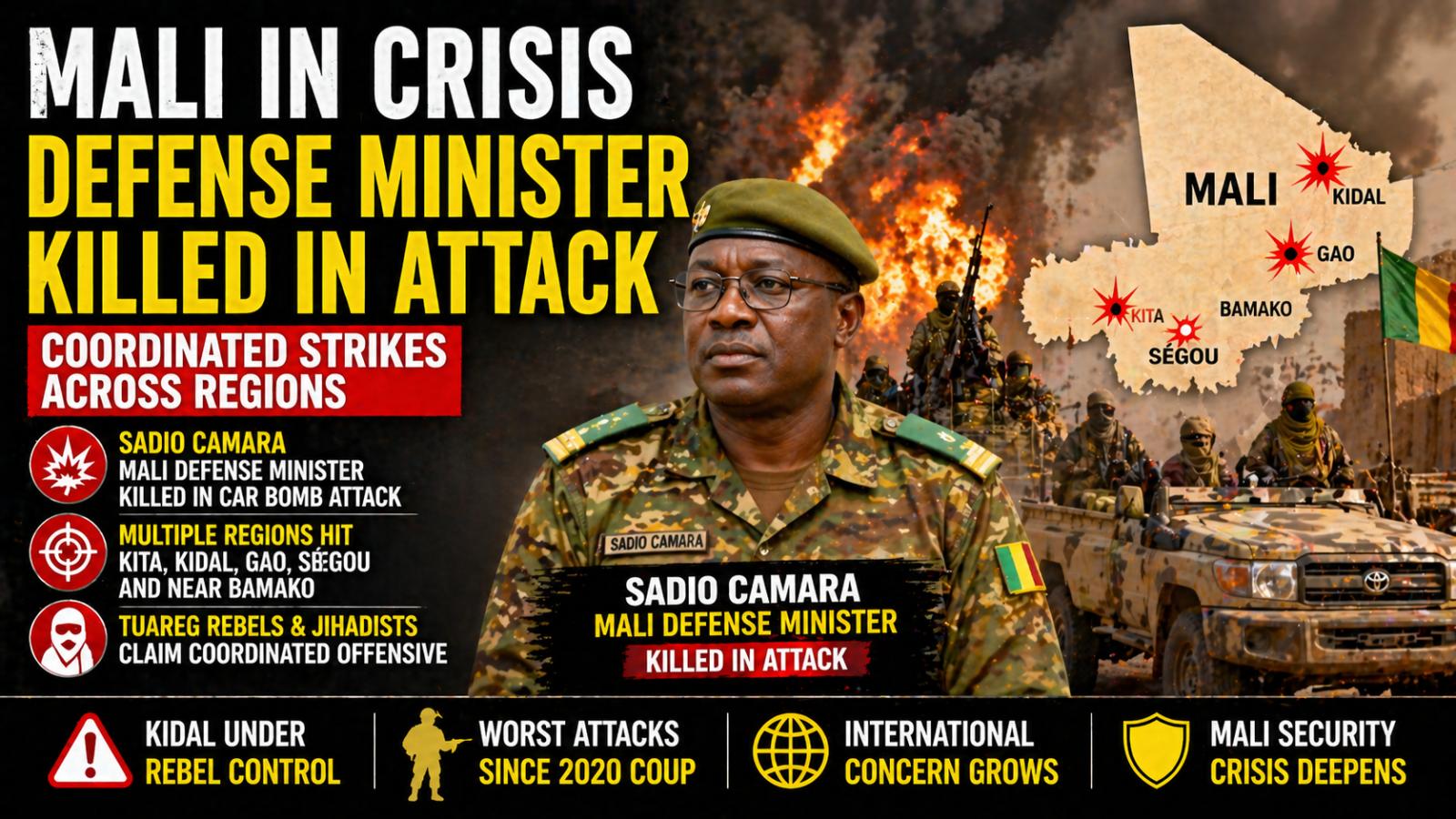
What happened in Mali? Defense minister killed in coordinated attacks across regions
Mali’s defense minister Sadio Camara was killed in a coordinated attack as insurgent violence escalates across the country. Camara died alongside family members after a car bomb struck his residence in Kita, a key stronghold of the ruling military junta, according to family sources and officials cited by AFP. The attack formed part of a broader wave of coordinated assaults that targeted multiple regions across Mali, including Kita, Kidal, Gao, and Ségou. Fighting continued into
What happened in Mali? Defense minister killed in coordinated attacks across regions
Mali’s defense minister Sadio Camara was killed in a coordinated attack as insurgent violence escalates across the country. Camara died alongside family members after a car bomb struck his residence in Kita, a key stronghold of the ruling military junta, according to family sources and officials cited by AFP. The attack formed part of a broader wave of coordinated assaults that targeted multiple regions across Mali, including Kita, Kidal, Gao, and Ségou. Fighting continued into
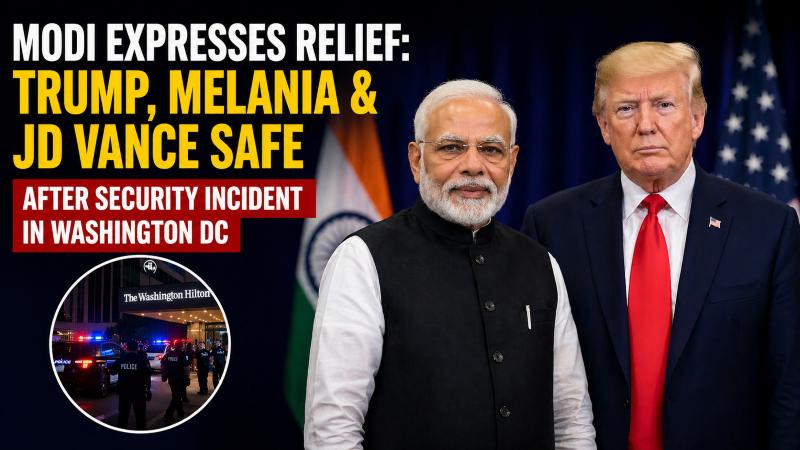
Narendra Modi Reacts to Washington DC Incident: Trump, Melania, JD Vance Safe
Prime Minister Narendra Modi expressed relief that Donald Trump, Melania Trump, and
Narendra Modi Reacts to Washington DC Incident: Trump, Melania, JD Vance Safe
Prime Minister Narendra Modi expressed relief that Donald Trump, Melania Trump, and
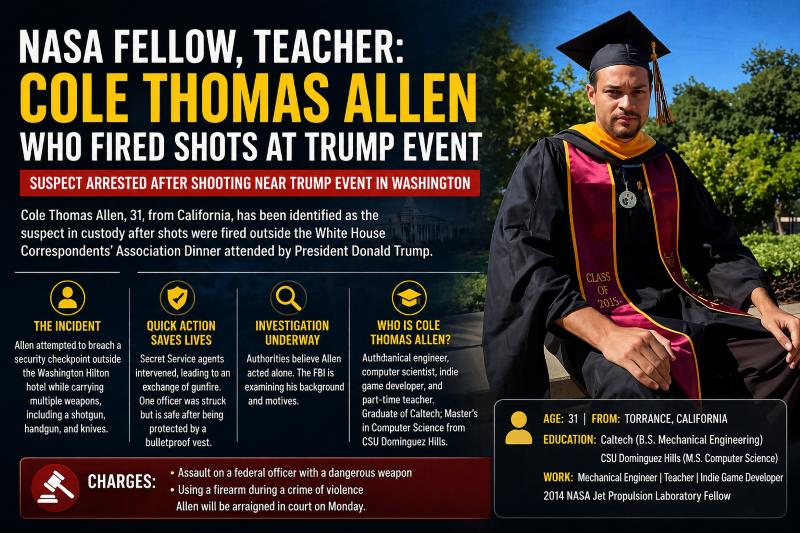
Cole Thomas Allen Arrested After Shooting Near Trump Event in DC
Cole Thomas Allen, a 31-year-old from California, was arrested after attempting to breach security with multiple weapons near a Trump-attended event in Washington, D.C., where a Secret Service agent was shot but survived due to a bulletproof vest. April 26, 2026 Washington Hilton,
Cole Thomas Allen Arrested After Shooting Near Trump Event in DC
Cole Thomas Allen, a 31-year-old from California, was arrested after attempting to breach security with multiple weapons near a Trump-attended event in Washington, D.C., where a Secret Service agent was shot but survived due to a bulletproof vest. April 26, 2026 Washington Hilton,

SRH Chase Down 228 as Abhishek, Ishan Outshine Vaibhav’s IPL Ton
Sunrisers Hyderabad chased down 229 in 18.3 overs to defeat Rajasthan Royals, who posted 228/6 in 20 overs, winning by 5 wickets at Sawai Mansingh Stadium, Jaipur.
SRH Chase Down 228 as Abhishek, Ishan Outshine Vaibhav’s IPL Ton
Sunrisers Hyderabad chased down 229 in 18.3 overs to defeat Rajasthan Royals, who posted 228/6 in 20 overs, winning by 5 wickets at Sawai Mansingh Stadium, Jaipur.
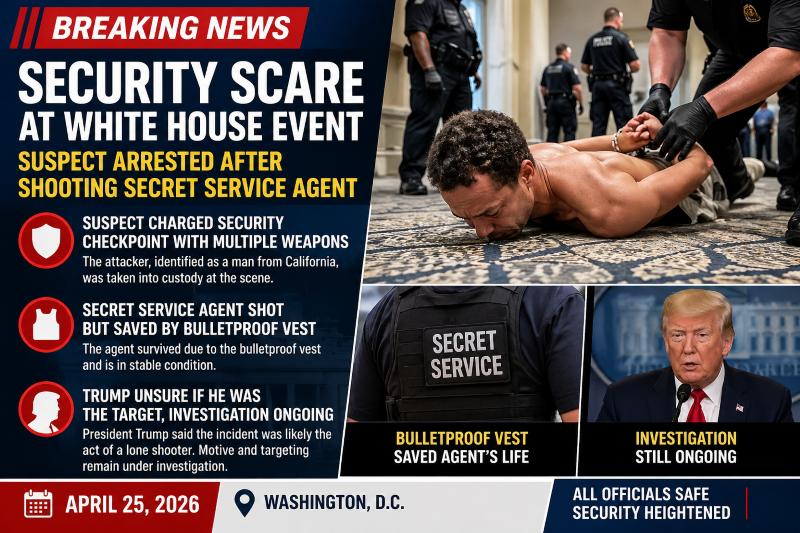
Secret Service Agent Shot at White House Event, Suspect Arrested
Secret Service Agent Injured in Security Breach, Suspect Arrested at White House Event Date: April 25, 2026 Location: Washington, D.C. A major security scare unfolded after a suspect reportedly charged a security checkpoint with multiple weapons during a
Secret Service Agent Shot at White House Event, Suspect Arrested
Secret Service Agent Injured in Security Breach, Suspect Arrested at White House Event Date: April 25, 2026 Location: Washington, D.C. A major security scare unfolded after a suspect reportedly charged a security checkpoint with multiple weapons during a
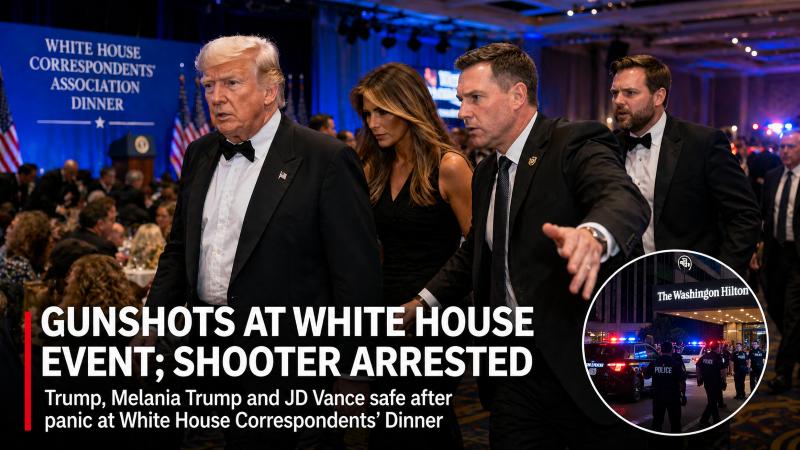
Trump Safe After Gunshots at White House Dinner, Shooter Arrested in Washington DC
Gunshots at White House Correspondents' Dinner trigger panic as Secret Service swiftly evacuates leaders and arrests suspect. Date: April 25, 2026 Location: Washington Hilton, Washington, D.C. Gunshots caused a sudden security scare during the high-profile White House Correspondents' Association Dinner, where Donald Trump, Melania Trump, and JD Vance were in attendance. Secret Service agents immediately moved in, evacuating key officials from the venue as panic spread among hundreds of guests, including journalists, celebrities, and political leaders. Authorities quickly secured the area as attendees took cover under tables. Within minutes, law enforcement and United States Secret Service personnel surrounded the banquet hall, ensuring the safety of all high-profile individuals present. Shortly after the incident, President Trump confirmed via Truth Social that the suspect had been apprehended. He stated that all officials, including the First Lady, Vice President, and cabinet members, were safe and unharmed, while also praising the rapid and decisive response of security forces.
Trump Safe After Gunshots at White House Dinner, Shooter Arrested in Washington DC
Gunshots at White House Correspondents' Dinner trigger panic as Secret Service swiftly evacuates leaders and arrests suspect. Date: April 25, 2026 Location: Washington Hilton, Washington, D.C. Gunshots caused a sudden security scare during the high-profile White House Correspondents' Association Dinner, where Donald Trump, Melania Trump, and JD Vance were in attendance. Secret Service agents immediately moved in, evacuating key officials from the venue as panic spread among hundreds of guests, including journalists, celebrities, and political leaders. Authorities quickly secured the area as attendees took cover under tables. Within minutes, law enforcement and United States Secret Service personnel surrounded the banquet hall, ensuring the safety of all high-profile individuals present. Shortly after the incident, President Trump confirmed via Truth Social that the suspect had been apprehended. He stated that all officials, including the First Lady, Vice President, and cabinet members, were safe and unharmed, while also praising the rapid and decisive response of security forces.

Lungi Ngidi stretchered off after head injury during DC vs PBKS match
Lungi Ngidi stretchered off after head injury during DC vs PBKS match as the Delhi Capitals fast bowler was taken to a hospital following a concerning on-field incident at Arun Jaitley Stadium in Delhi during an Indian Premier League game held on Saturday, April 25, 2026 (IST). The incident occurred during the third over of the second innings when Ngidi attempted a catch to dismiss Punjab Kings opener Priyansh Arya. While tracking the ball, the South African pacer
Lungi Ngidi stretchered off after head injury during DC vs PBKS match
Lungi Ngidi stretchered off after head injury during DC vs PBKS match as the Delhi Capitals fast bowler was taken to a hospital following a concerning on-field incident at Arun Jaitley Stadium in Delhi during an Indian Premier League game held on Saturday, April 25, 2026 (IST). The incident occurred during the third over of the second innings when Ngidi attempted a catch to dismiss Punjab Kings opener Priyansh Arya. While tracking the ball, the South African pacer
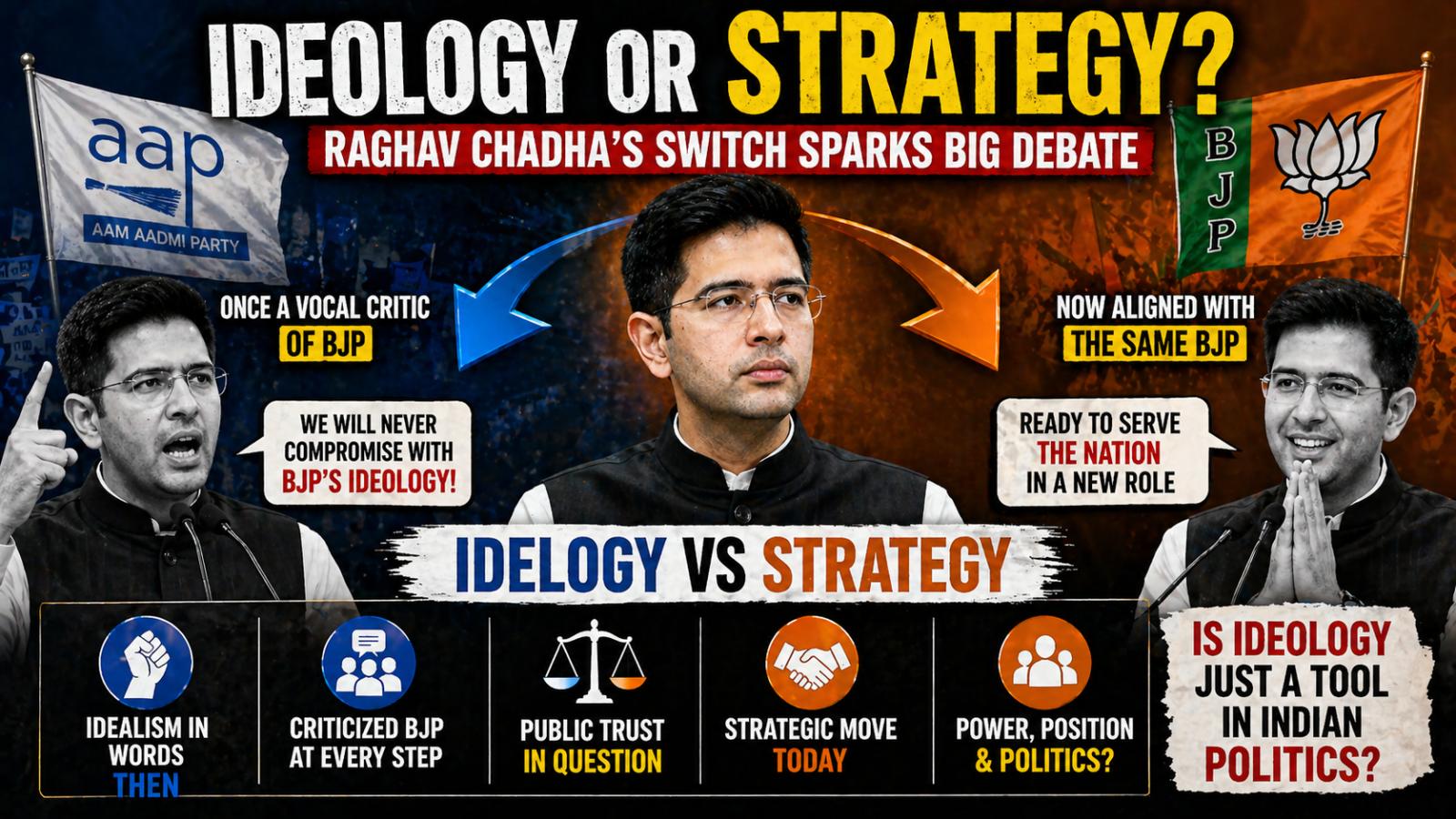
Did Raghav Chadha’s switch expose ideology as strategy in politics? Yes, it raises serious questions
Did Raghav Chadha’s switch expose ideology as strategy in Indian politics? Yes, it raises serious questions as the recent political move by Raghav Chadha has triggered a wider debate about whether ideology in Indian politics is truly stable or simply a matter of strategy. The development, reported on Thursday, April 24, 2026, in India Standard Time, comes as Chadha, once a vocal critic of the Bharatiya Janata Party (BJP), aligned himself with the same political force he had publicly opposed. From vocal opposition to alignment with former rivals For years, Chadha built his political identity within the Aam Aadmi Party (AAP) by criticizing the BJP’s governance style, raising concerns about institutional independence and democratic functioning. His speeches positioned AAP as a clear alternative, emphasizing transparency and accountability. This consistent messaging helped shape public perception and earned him credibility among urban and educated voters. The sudden shift, however, has led to questions about whether those earlier positions were rooted in firm ideological belief or were part of a broader political strategy that evolved over time. BJP’s acceptance raises questions about ideological consistency The BJP, which has maintained political dominance at the national level for over a decade, has consistently emphasized strong ideological foundations and governance continuity. Its decision to accept a leader who had openly challenged its policies now brings attention to the balance between ideological commitment and political expansion. In parliamentary systems, numbers often determine legislative outcomes. Strategic decisions to strengthen representation can override past disagreements, reflecting a pragmatic approach to governance and policy-making. A recurring pattern across political systems This development is not isolated. Political realignments, shifting alliances, and evolving narratives are common across democratic systems worldwide. Leaders frequently transition between parties, and parties themselves adapt to changing political landscapes. Such shifts suggest that while ideology is presented as a guiding principle, strategy often plays a decisive role in shaping political actions. Public trust, consistency, and the shifting foundation of politics For the public, these developments can create uncertainty. Strong statements made in one phase of a political career may not align with actions taken later. This gap between words and actions raises broader concerns about consistency, accountability, and long-term trust in political institutions. What emerges from this pattern is not just a question about one leader or one party, but about the direction of politics itself. When positions can shift so sharply and be accepted just as quickly, it becomes harder to separate belief from convenience. The debate is no longer limited to whether one individual changed sides, but whether such changes are now an accepted norm across the political spectrum. In that context, the latest move involving Raghav Chadha reinforces a broader concern: political systems that emphasize ideology in public messaging may increasingly rely on strategy in practice. In that reality, one conclusion is becoming difficult to ignore. Adapting strategy to suit the moment is no longer just a political tool; it is increasingly becoming the most consistent ideology across political parties.
Did Raghav Chadha’s switch expose ideology as strategy in politics? Yes, it raises serious questions
Did Raghav Chadha’s switch expose ideology as strategy in Indian politics? Yes, it raises serious questions as the recent political move by Raghav Chadha has triggered a wider debate about whether ideology in Indian politics is truly stable or simply a matter of strategy. The development, reported on Thursday, April 24, 2026, in India Standard Time, comes as Chadha, once a vocal critic of the Bharatiya Janata Party (BJP), aligned himself with the same political force he had publicly opposed. From vocal opposition to alignment with former rivals For years, Chadha built his political identity within the Aam Aadmi Party (AAP) by criticizing the BJP’s governance style, raising concerns about institutional independence and democratic functioning. His speeches positioned AAP as a clear alternative, emphasizing transparency and accountability. This consistent messaging helped shape public perception and earned him credibility among urban and educated voters. The sudden shift, however, has led to questions about whether those earlier positions were rooted in firm ideological belief or were part of a broader political strategy that evolved over time. BJP’s acceptance raises questions about ideological consistency The BJP, which has maintained political dominance at the national level for over a decade, has consistently emphasized strong ideological foundations and governance continuity. Its decision to accept a leader who had openly challenged its policies now brings attention to the balance between ideological commitment and political expansion. In parliamentary systems, numbers often determine legislative outcomes. Strategic decisions to strengthen representation can override past disagreements, reflecting a pragmatic approach to governance and policy-making. A recurring pattern across political systems This development is not isolated. Political realignments, shifting alliances, and evolving narratives are common across democratic systems worldwide. Leaders frequently transition between parties, and parties themselves adapt to changing political landscapes. Such shifts suggest that while ideology is presented as a guiding principle, strategy often plays a decisive role in shaping political actions. Public trust, consistency, and the shifting foundation of politics For the public, these developments can create uncertainty. Strong statements made in one phase of a political career may not align with actions taken later. This gap between words and actions raises broader concerns about consistency, accountability, and long-term trust in political institutions. What emerges from this pattern is not just a question about one leader or one party, but about the direction of politics itself. When positions can shift so sharply and be accepted just as quickly, it becomes harder to separate belief from convenience. The debate is no longer limited to whether one individual changed sides, but whether such changes are now an accepted norm across the political spectrum. In that context, the latest move involving Raghav Chadha reinforces a broader concern: political systems that emphasize ideology in public messaging may increasingly rely on strategy in practice. In that reality, one conclusion is becoming difficult to ignore. Adapting strategy to suit the moment is no longer just a political tool; it is increasingly becoming the most consistent ideology across political parties.
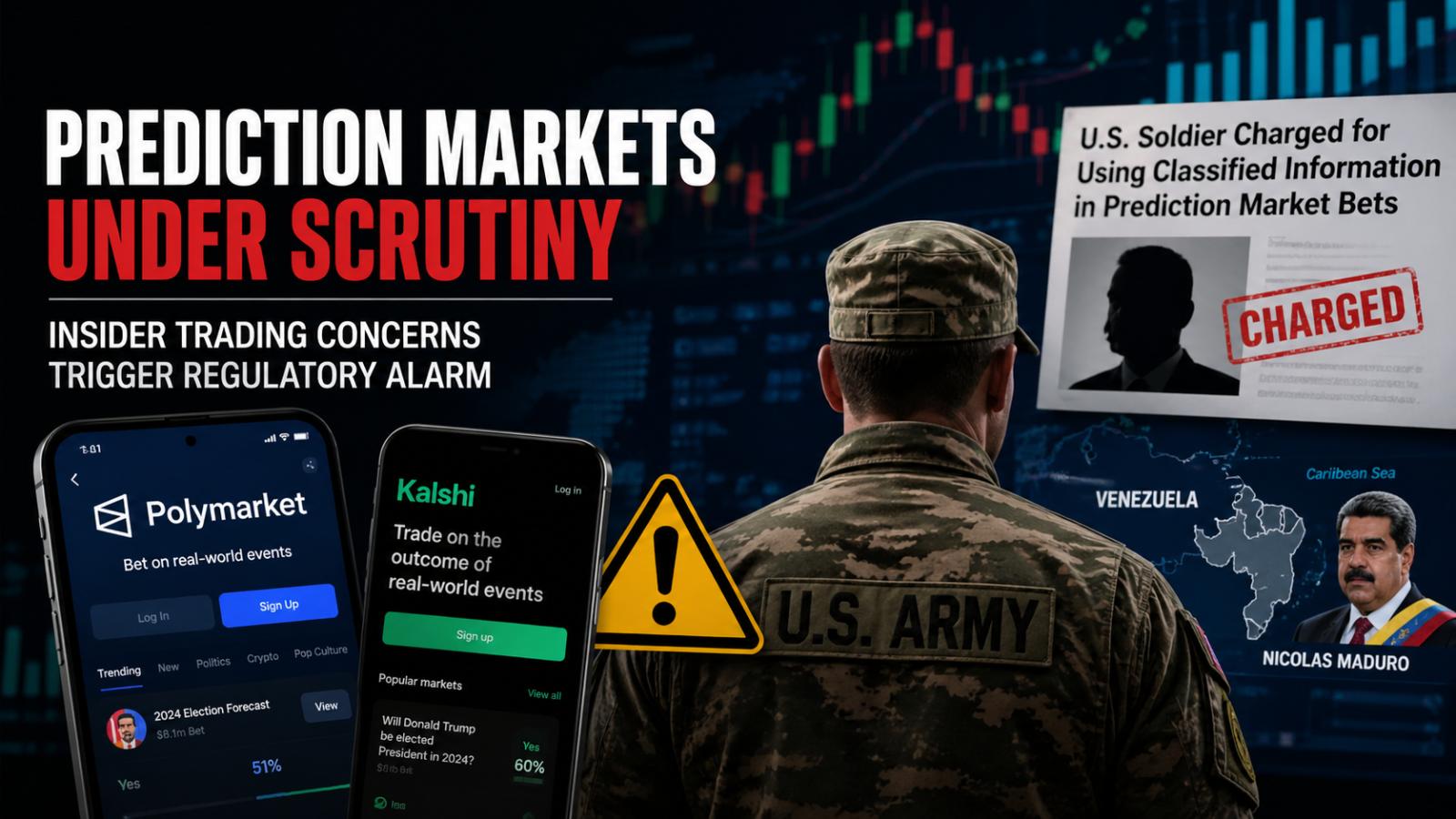
Regulators eye prediction markets after suspicious betting activity
Prediction markets, digital platforms that allow users to wager on future events, are drawing increasing scrutiny amid concerns over suspicious trading activity and the potential misuse of sensitive information. The issue has gained prominence following a case involving a US Army special forces soldier accused of leveraging classified intelligence to place bets linked to a mission targeting Venezuelan President Nicolas Maduro. What are prediction markets? Prediction markets such as Polymarket and Kalshi operate in a manner similar to gambling platforms, but instead of sports, they focus on real-world events. Users place wagers on outcomes ranging from political developments and economic shifts to weather patterns and online activity. Participants earn profits if their predictions are accurate, while platforms generate revenue through transaction fees. With millions of users globally, these platforms now facilitate billions of dollars in wagers across diverse subjects including elections, tariffs, and commodity prices. Are these markets legal? The legal status of prediction markets varies by region. Globally, many jurisdictions permit such platforms, but the regulatory framework in the United States remains complex. Polymarket had been restricted domestically for several years before resuming limited operations, while Kalshi operates under oversight from the Commodity Futures Trading Commission. Some users attempt to bypass restrictions through virtual private networks, raising additional compliance concerns. Unlike traditional bookmakers, these platforms position themselves as exchanges that enable trading rather than setting odds. Can prediction markets accurately forecast events? Research suggests that collective forecasting, often described as the “wisdom of crowds,” can provide valuable insights. By aggregating diverse opinions, prediction markets can sometimes outperform individual experts in anticipating political, economic, and global outcomes. What are the risks involved? Concerns have intensified regarding the potential use of insider information. In the recent case, the US soldier allegedly earned more than $400,000 by betting on outcomes tied to a military operation. Similar patterns have been observed before major geopolitical and entertainment events, where unusual betting activity accurately predicted outcomes. Such incidents have raised questions about whether privileged information is influencing market behavior. Regulatory response and growing oversight Authorities are responding to these developments with increased vigilance. Several US states have initiated measures to restrict or ban prediction markets, while platforms like Kalshi and Polymarket have introduced safeguards to prevent misuse. Kalshi has prohibited political candidates from betting on their own elections, and government agencies have cautioned officials against using insider knowledge for financial gain. A concept with historical roots Despite recent attention, prediction markets are not a new phenomenon. Early models such as the Iowa Electronic Markets, established in 1988, focused on political forecasting. In 2003, the Pentagon explored launching a platform to predict geopolitical events, including potential security threats, but the initiative was abandoned following public criticism. As scrutiny intensifies, the future of prediction markets will likely depend on how effectively regulators and platforms address concerns surrounding transparency, legality, and the ethical use of information.
Regulators eye prediction markets after suspicious betting activity
Prediction markets, digital platforms that allow users to wager on future events, are drawing increasing scrutiny amid concerns over suspicious trading activity and the potential misuse of sensitive information. The issue has gained prominence following a case involving a US Army special forces soldier accused of leveraging classified intelligence to place bets linked to a mission targeting Venezuelan President Nicolas Maduro. What are prediction markets? Prediction markets such as Polymarket and Kalshi operate in a manner similar to gambling platforms, but instead of sports, they focus on real-world events. Users place wagers on outcomes ranging from political developments and economic shifts to weather patterns and online activity. Participants earn profits if their predictions are accurate, while platforms generate revenue through transaction fees. With millions of users globally, these platforms now facilitate billions of dollars in wagers across diverse subjects including elections, tariffs, and commodity prices. Are these markets legal? The legal status of prediction markets varies by region. Globally, many jurisdictions permit such platforms, but the regulatory framework in the United States remains complex. Polymarket had been restricted domestically for several years before resuming limited operations, while Kalshi operates under oversight from the Commodity Futures Trading Commission. Some users attempt to bypass restrictions through virtual private networks, raising additional compliance concerns. Unlike traditional bookmakers, these platforms position themselves as exchanges that enable trading rather than setting odds. Can prediction markets accurately forecast events? Research suggests that collective forecasting, often described as the “wisdom of crowds,” can provide valuable insights. By aggregating diverse opinions, prediction markets can sometimes outperform individual experts in anticipating political, economic, and global outcomes. What are the risks involved? Concerns have intensified regarding the potential use of insider information. In the recent case, the US soldier allegedly earned more than $400,000 by betting on outcomes tied to a military operation. Similar patterns have been observed before major geopolitical and entertainment events, where unusual betting activity accurately predicted outcomes. Such incidents have raised questions about whether privileged information is influencing market behavior. Regulatory response and growing oversight Authorities are responding to these developments with increased vigilance. Several US states have initiated measures to restrict or ban prediction markets, while platforms like Kalshi and Polymarket have introduced safeguards to prevent misuse. Kalshi has prohibited political candidates from betting on their own elections, and government agencies have cautioned officials against using insider knowledge for financial gain. A concept with historical roots Despite recent attention, prediction markets are not a new phenomenon. Early models such as the Iowa Electronic Markets, established in 1988, focused on political forecasting. In 2003, the Pentagon explored launching a platform to predict geopolitical events, including potential security threats, but the initiative was abandoned following public criticism. As scrutiny intensifies, the future of prediction markets will likely depend on how effectively regulators and platforms address concerns surrounding transparency, legality, and the ethical use of information.

US deploys three aircraft carriers to Middle East amid Iran tensions
US deploys three aircraft carriers to the Middle East amid Iran tensions, expanding naval operations and reinforcing security in key maritime routes including the Strait of Hormuz. US deploys three aircraft carriers to Middle East amid Iran tensions as Washington significantly expands its military footprint across the region, marking one of the largest naval concentrations in more than two decades. Officials confirmed that three carrier strike groups—the USS Abraham Lincoln, USS Gerald R. Ford, and USS George H.W. Bush—are operating simultaneously, supported by more than 200 aircraft and approximately 15,000 sailors and Marines. A statement from US Central Command on Thursday confirmed the rare deployment, describing it as a significant concentration of naval power aimed at maintaining operational readiness amid rising tensions involving Iran. The carrier groups and their air wings are conducting coordinated missions, underscoring the strategic importance of key maritime routes in the Middle East and reinforcing a broader posture of deterrence. The announcement coincided with remarks from Donald Trump on Thursday, who declined to provide a timeline for a potential resolution to the Iran conflict. He indicated that any agreement would depend on conditions favorable to US interests, highlighting ongoing uncertainty surrounding diplomatic efforts. The absence of a clear timeline has aligned with increased military activity and messaging focused on regional stability. Defense officials stated on Friday that the US blockade of Iranian vessels in the Strait of Hormuz remains “ironclad,” with additional naval assets expected to join the operation in the coming days. The expanding mission signals a broader enforcement effort in one of the world’s most critical shipping corridors. The USS George H.W. Bush, commissioned in 2009, is among the newest Nimitz-class carriers involved, measuring nearly 1,000 feet in length and powered by two nuclear reactors, with the capacity to carry more than 80 aircraft and support a crew exceeding 5,500 personnel.
US deploys three aircraft carriers to Middle East amid Iran tensions
US deploys three aircraft carriers to the Middle East amid Iran tensions, expanding naval operations and reinforcing security in key maritime routes including the Strait of Hormuz. US deploys three aircraft carriers to Middle East amid Iran tensions as Washington significantly expands its military footprint across the region, marking one of the largest naval concentrations in more than two decades. Officials confirmed that three carrier strike groups—the USS Abraham Lincoln, USS Gerald R. Ford, and USS George H.W. Bush—are operating simultaneously, supported by more than 200 aircraft and approximately 15,000 sailors and Marines. A statement from US Central Command on Thursday confirmed the rare deployment, describing it as a significant concentration of naval power aimed at maintaining operational readiness amid rising tensions involving Iran. The carrier groups and their air wings are conducting coordinated missions, underscoring the strategic importance of key maritime routes in the Middle East and reinforcing a broader posture of deterrence. The announcement coincided with remarks from Donald Trump on Thursday, who declined to provide a timeline for a potential resolution to the Iran conflict. He indicated that any agreement would depend on conditions favorable to US interests, highlighting ongoing uncertainty surrounding diplomatic efforts. The absence of a clear timeline has aligned with increased military activity and messaging focused on regional stability. Defense officials stated on Friday that the US blockade of Iranian vessels in the Strait of Hormuz remains “ironclad,” with additional naval assets expected to join the operation in the coming days. The expanding mission signals a broader enforcement effort in one of the world’s most critical shipping corridors. The USS George H.W. Bush, commissioned in 2009, is among the newest Nimitz-class carriers involved, measuring nearly 1,000 feet in length and powered by two nuclear reactors, with the capacity to carry more than 80 aircraft and support a crew exceeding 5,500 personnel.
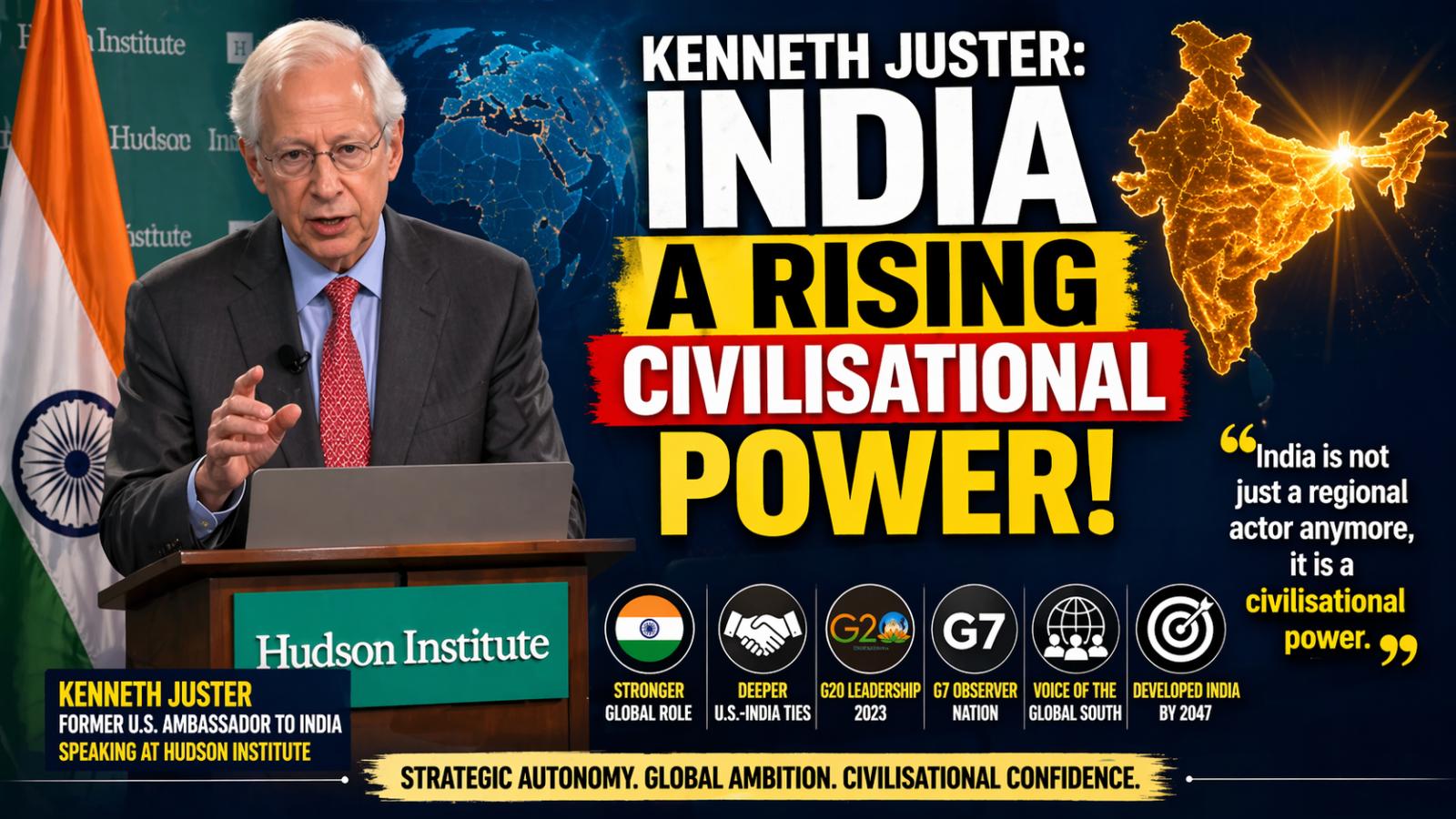
What did Kenneth Juster say about India’s global role? He called it a rising civilisational power
India’s emergence as a civilisational power in global affairs What did Kenneth Juster say about India’s global role? He called it a rising civilisational power, underscoring a major shift in how the country positions itself internationally. Former U.S. Ambassador to India Kenneth Juster said on Thursday, April 23, 2026, that India has evolved into a “civilisational power” under Prime Minister Narendra Modi, reflecting a more assertive and confident global posture. Speaking at an event hosted by the Hudson Institute, Juster identified Modi’s 2014 election as a turning point that accelerated India’s transformation in foreign policy and international engagement. Expanding diplomatic reach and global engagement Juster emphasized that India’s approach to global affairs has shifted significantly over the past decade, with New Delhi demonstrating greater confidence and a willingness to engage broadly with countries across regions. He noted that India no longer views itself as limited to a regional role but instead positions itself as a major global force with a distinct civilizational identity. This evolution has enabled India to expand its diplomatic outreach and pursue strategic ambitions with increased clarity and purpose. Navigating U.S.-China competition with strategic autonomy According to Juster, India’s foreign policy reflects a careful balance between deeper global engagement and maintaining strategic autonomy, particularly in the context of U.S.-China competition. While India shares concerns with other middle powers about preserving independence in decision-making, it has simultaneously strengthened ties with the United States. This dual approach allows India to navigate geopolitical tensions while safeguarding its national interests. Growing influence in global governance platforms Juster also highlighted India’s increasing role in global governance, including its active participation in G7 discussions as a regular observer and its leadership during the G20 presidency in 2023. He pointed to India’s ambition of becoming a developed nation by 2047 as a key driver of its international strategy. Additionally, India has sought to position itself as a leading voice for the Global South, shaping conversations on development, equity, and governance. Washington’s perspective on India’s rising global role Juster’s remarks reflect a broader consensus in Washington that India is emerging as a confident and influential actor on the world stage. By combining strategic independence with proactive diplomacy, India is increasingly seen as a country intent on shaping the global order in the 21st century while advancing its long-term national objectives.
What did Kenneth Juster say about India’s global role? He called it a rising civilisational power
India’s emergence as a civilisational power in global affairs What did Kenneth Juster say about India’s global role? He called it a rising civilisational power, underscoring a major shift in how the country positions itself internationally. Former U.S. Ambassador to India Kenneth Juster said on Thursday, April 23, 2026, that India has evolved into a “civilisational power” under Prime Minister Narendra Modi, reflecting a more assertive and confident global posture. Speaking at an event hosted by the Hudson Institute, Juster identified Modi’s 2014 election as a turning point that accelerated India’s transformation in foreign policy and international engagement. Expanding diplomatic reach and global engagement Juster emphasized that India’s approach to global affairs has shifted significantly over the past decade, with New Delhi demonstrating greater confidence and a willingness to engage broadly with countries across regions. He noted that India no longer views itself as limited to a regional role but instead positions itself as a major global force with a distinct civilizational identity. This evolution has enabled India to expand its diplomatic outreach and pursue strategic ambitions with increased clarity and purpose. Navigating U.S.-China competition with strategic autonomy According to Juster, India’s foreign policy reflects a careful balance between deeper global engagement and maintaining strategic autonomy, particularly in the context of U.S.-China competition. While India shares concerns with other middle powers about preserving independence in decision-making, it has simultaneously strengthened ties with the United States. This dual approach allows India to navigate geopolitical tensions while safeguarding its national interests. Growing influence in global governance platforms Juster also highlighted India’s increasing role in global governance, including its active participation in G7 discussions as a regular observer and its leadership during the G20 presidency in 2023. He pointed to India’s ambition of becoming a developed nation by 2047 as a key driver of its international strategy. Additionally, India has sought to position itself as a leading voice for the Global South, shaping conversations on development, equity, and governance. Washington’s perspective on India’s rising global role Juster’s remarks reflect a broader consensus in Washington that India is emerging as a confident and influential actor on the world stage. By combining strategic independence with proactive diplomacy, India is increasingly seen as a country intent on shaping the global order in the 21st century while advancing its long-term national objectives.
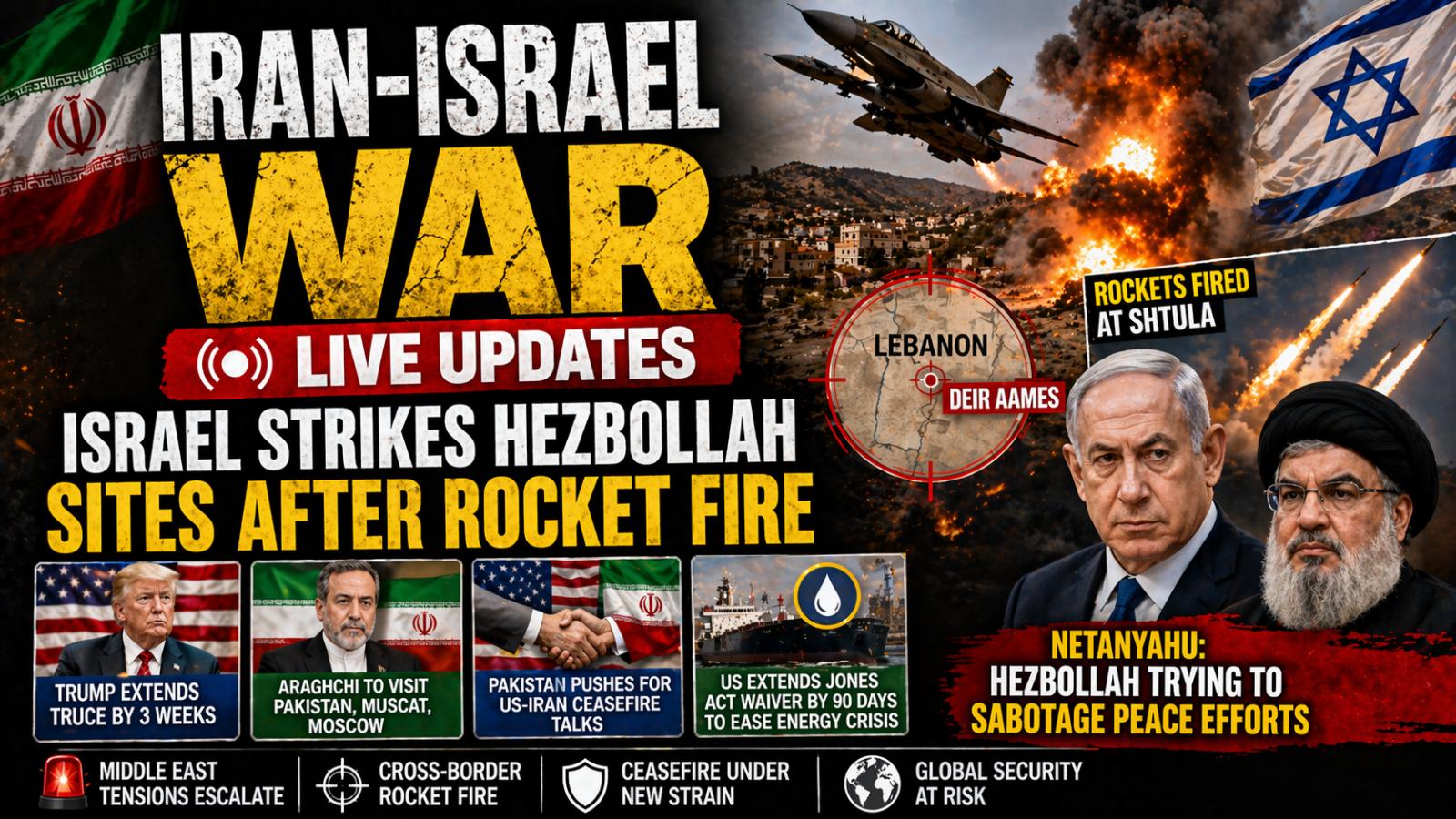
Netanyahu accuses Hezbollah of sabotaging Israel-Lebanon peace efforts
Israel strikes Hezbollah targets after rocket fire from Lebanon as tensions persist despite a truce extension, while diplomatic efforts and US energy measures reflect widening regional impact. Iran-Israel war live updates: Israel strikes Hezbollah sites after rocket fire as regional tensions escalated on Friday, April 24, 2026, with the Israeli military confirming strikes on Hezbollah-linked locations in southern Lebanon following cross-border rocket launches. The Israeli military stated that it targeted sites near the town of Deir Aames after rockets were fired toward the Israeli town of Shtula a day earlier. Deir Aames lies outside the designated border buffer zone that Israeli forces have continued to occupy even after a 10-day ceasefire agreement implemented the previous week. Earlier on Friday, April 24, 2026, the military issued evacuation warnings urging residents to leave the area before the strikes. The renewed hostilities come despite diplomatic efforts to maintain calm. U.S. President Donald Trump announced on Thursday, April 23, 2026, a three-week extension of the Israel-Hezbollah truce. However, both sides have continued intermittent exchanges of fire, raising concerns about the durability of the ceasefire. Israeli Prime Minister Benjamin Netanyahu accused Hezbollah of undermining peace efforts, stating on Friday, April 24, 2026, that the group was attempting to “sabotage” negotiations aimed at reaching a long-term agreement between Israel and Lebanon. His remarks marked his first public comments following the truce extension. Meanwhile, diplomatic activity continued across the region. Iranian Foreign Minister Abbas Araghchi said his upcoming visits to Islamabad, Muscat, and Moscow are intended to coordinate with regional partners and discuss evolving developments. While he did not directly address potential talks with the United States, officials in Pakistan have recently intensified efforts to facilitate renewed ceasefire negotiations between Washington and Tehran. In Washington, the White House announced an extension of a waiver to the Jones Act by 90 days on Friday, April 24, 2026. The measure is designed to ease domestic energy supply pressures amid disruptions linked to the broader West Asia conflict. Officials said the extension would help maintain the flow of oil and natural gas within the United States by allowing greater flexibility in maritime transport. The combination of military actions, diplomatic outreach, and economic measures underscores the widening impact of the conflict, with regional instability continuing to influence global security and energy markets.
Netanyahu accuses Hezbollah of sabotaging Israel-Lebanon peace efforts
Israel strikes Hezbollah targets after rocket fire from Lebanon as tensions persist despite a truce extension, while diplomatic efforts and US energy measures reflect widening regional impact. Iran-Israel war live updates: Israel strikes Hezbollah sites after rocket fire as regional tensions escalated on Friday, April 24, 2026, with the Israeli military confirming strikes on Hezbollah-linked locations in southern Lebanon following cross-border rocket launches. The Israeli military stated that it targeted sites near the town of Deir Aames after rockets were fired toward the Israeli town of Shtula a day earlier. Deir Aames lies outside the designated border buffer zone that Israeli forces have continued to occupy even after a 10-day ceasefire agreement implemented the previous week. Earlier on Friday, April 24, 2026, the military issued evacuation warnings urging residents to leave the area before the strikes. The renewed hostilities come despite diplomatic efforts to maintain calm. U.S. President Donald Trump announced on Thursday, April 23, 2026, a three-week extension of the Israel-Hezbollah truce. However, both sides have continued intermittent exchanges of fire, raising concerns about the durability of the ceasefire. Israeli Prime Minister Benjamin Netanyahu accused Hezbollah of undermining peace efforts, stating on Friday, April 24, 2026, that the group was attempting to “sabotage” negotiations aimed at reaching a long-term agreement between Israel and Lebanon. His remarks marked his first public comments following the truce extension. Meanwhile, diplomatic activity continued across the region. Iranian Foreign Minister Abbas Araghchi said his upcoming visits to Islamabad, Muscat, and Moscow are intended to coordinate with regional partners and discuss evolving developments. While he did not directly address potential talks with the United States, officials in Pakistan have recently intensified efforts to facilitate renewed ceasefire negotiations between Washington and Tehran. In Washington, the White House announced an extension of a waiver to the Jones Act by 90 days on Friday, April 24, 2026. The measure is designed to ease domestic energy supply pressures amid disruptions linked to the broader West Asia conflict. Officials said the extension would help maintain the flow of oil and natural gas within the United States by allowing greater flexibility in maritime transport. The combination of military actions, diplomatic outreach, and economic measures underscores the widening impact of the conflict, with regional instability continuing to influence global security and energy markets.
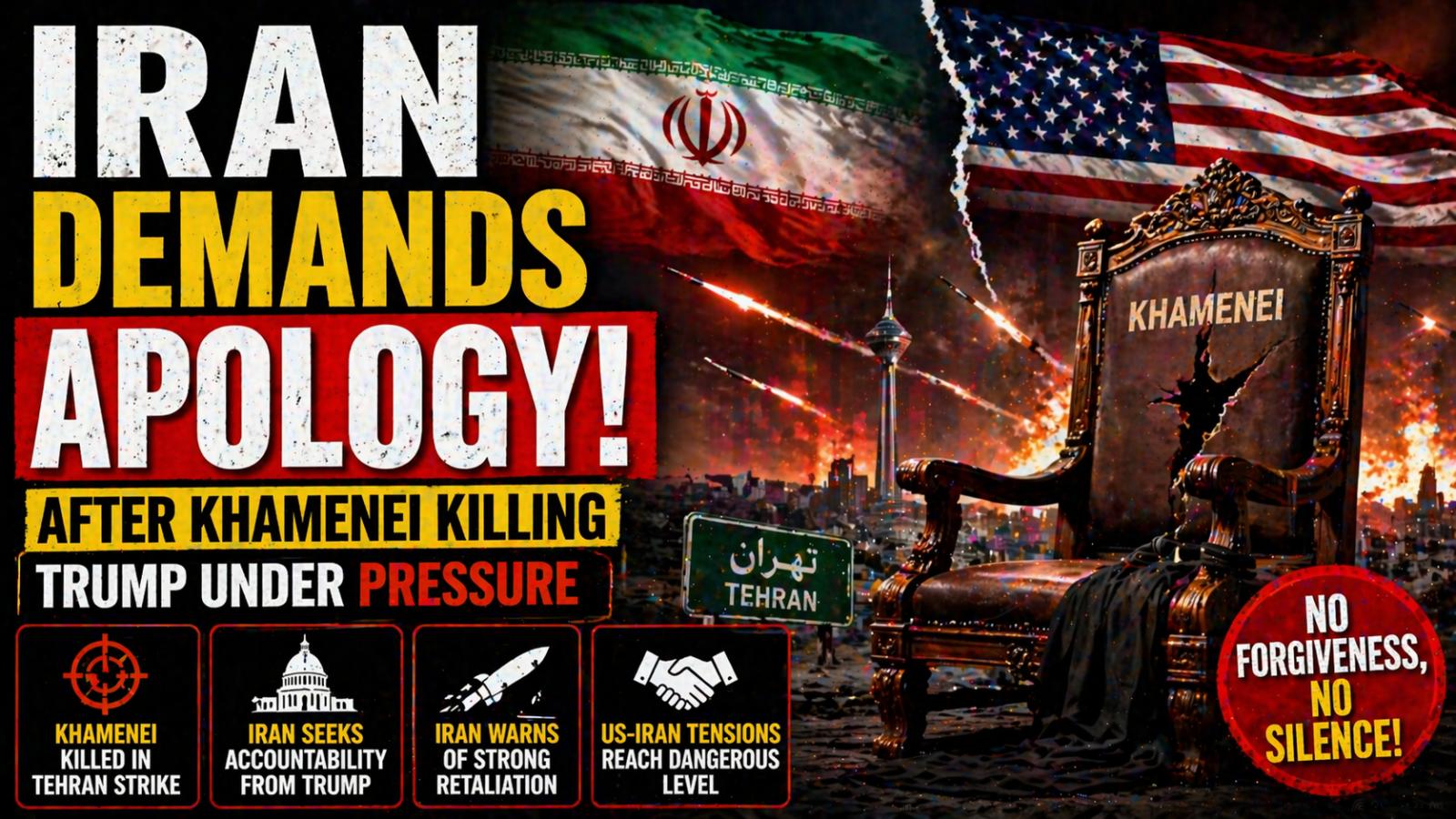
Why did Ali Shirazi demand an apology from Donald Trump? Iran seeks accountability after Khamenei killing
Escalating diplomatic tensions after Tehran strike Why did Ali Shirazi demand an apology from Donald Trump? Iran seeks accountability after Khamenei killing, as senior Iranian cleric Ali Shirazi called on U.S. President Donald Trump to publicly acknowledge wrongdoing following t
Why did Ali Shirazi demand an apology from Donald Trump? Iran seeks accountability after Khamenei killing
Escalating diplomatic tensions after Tehran strike Why did Ali Shirazi demand an apology from Donald Trump? Iran seeks accountability after Khamenei killing, as senior Iranian cleric Ali Shirazi called on U.S. President Donald Trump to publicly acknowledge wrongdoing following t

Porsche exits Bugatti Rimac joint venture in strategic stake sale
Porsche sells its Bugatti Rimac stake, marking a full exit and shift toward core operations amid global market challenges. Porsche exits Bugatti Rimac joint venture in strategic stake sale — Porsche AG has agreed to sell its 45% stake in the Bugatti Rimac joint venture, marking a full withdrawal from the high-performance electric hypercar venture as it sharpens focus on
Porsche exits Bugatti Rimac joint venture in strategic stake sale
Porsche sells its Bugatti Rimac stake, marking a full exit and shift toward core operations amid global market challenges. Porsche exits Bugatti Rimac joint venture in strategic stake sale — Porsche AG has agreed to sell its 45% stake in the Bugatti Rimac joint venture, marking a full withdrawal from the high-performance electric hypercar venture as it sharpens focus on
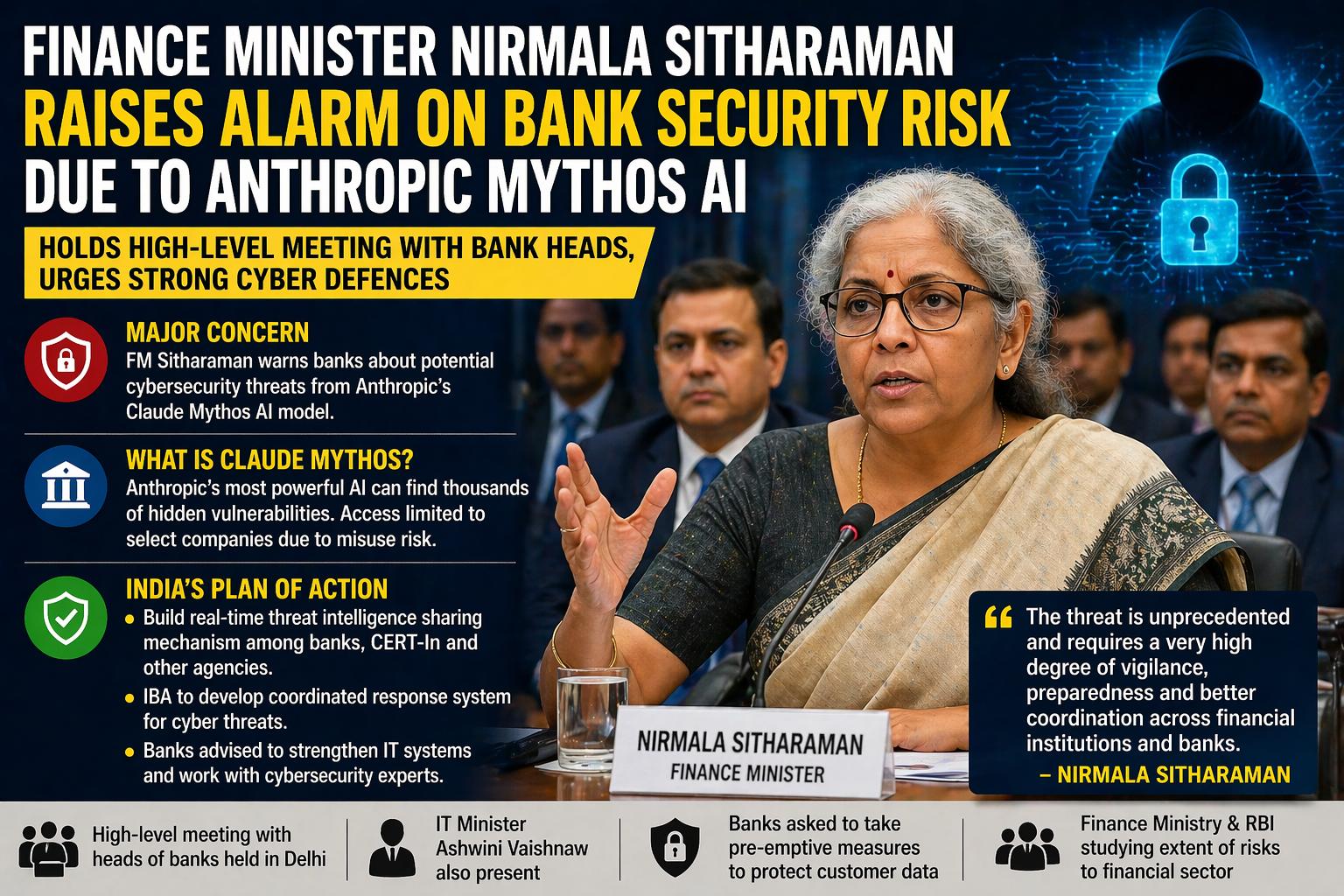
Nirmala Sitharaman Warns Banks On AI Threat From Anthropic Claude Mythos
Union Finance Minister Nirmala Sitharaman on Thursday, April 24, 2026, raised serious concerns over emerging cybersecurity risks posed by advanced artificial intelligence systems, particularly Claude Mythos developed by
Nirmala Sitharaman Warns Banks On AI Threat From Anthropic Claude Mythos
Union Finance Minister Nirmala Sitharaman on Thursday, April 24, 2026, raised serious concerns over emerging cybersecurity risks posed by advanced artificial intelligence systems, particularly Claude Mythos developed by
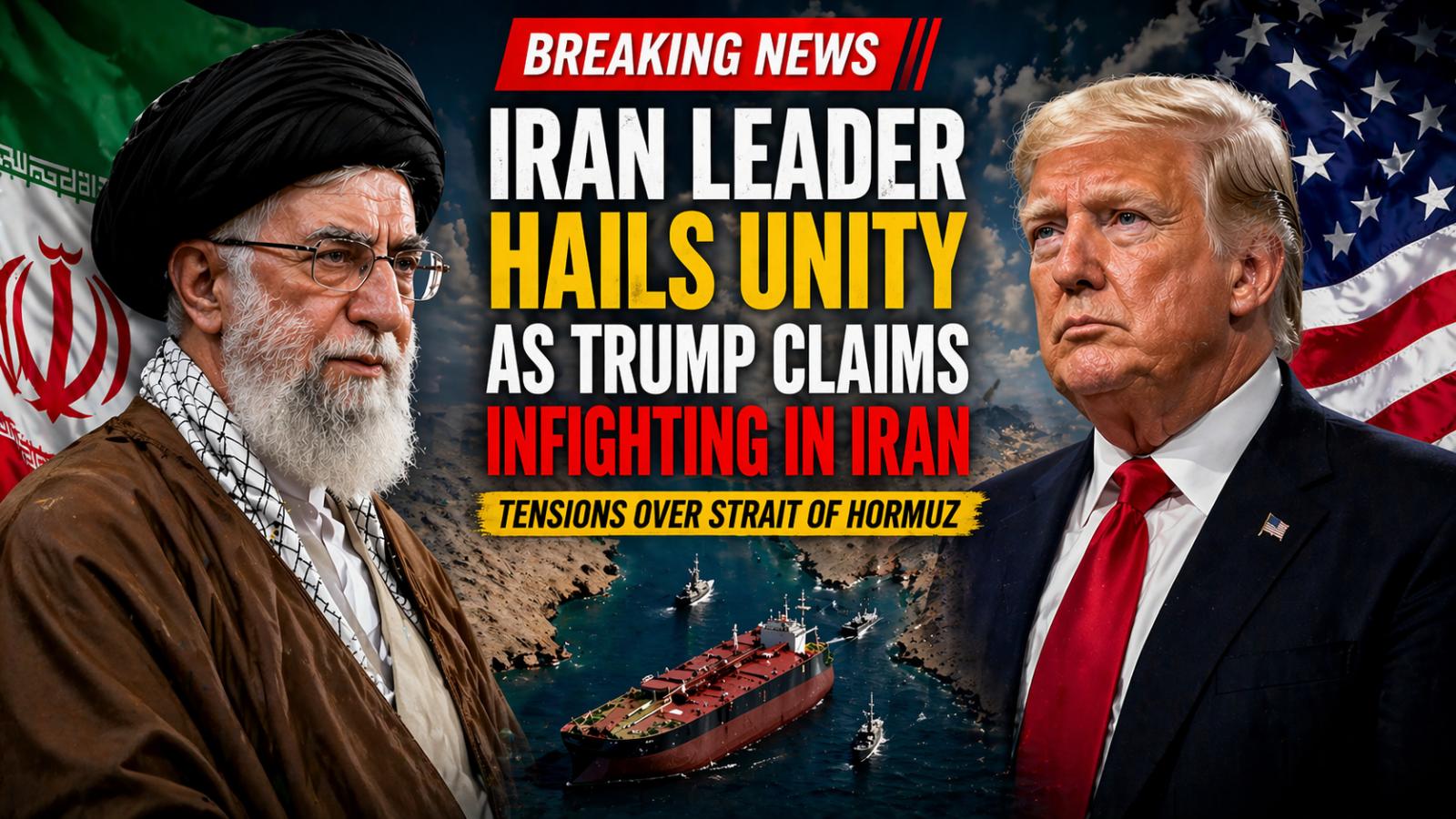
Khamenei Praises National Cohesion Amid Rising US-Iran Tensions
Mojtaba Khamenei has emphasized national unity in Iran, stating that collective cohesion among citizens has strengthened the country’s position amid ongoing tensions with the United States. In a public message, he described unity as a decisive factor in countering external pressure, urging continued commitment to national solidarity. Khamenei’s remarks come as
Khamenei Praises National Cohesion Amid Rising US-Iran Tensions
Mojtaba Khamenei has emphasized national unity in Iran, stating that collective cohesion among citizens has strengthened the country’s position amid ongoing tensions with the United States. In a public message, he described unity as a decisive factor in countering external pressure, urging continued commitment to national solidarity. Khamenei’s remarks come as










