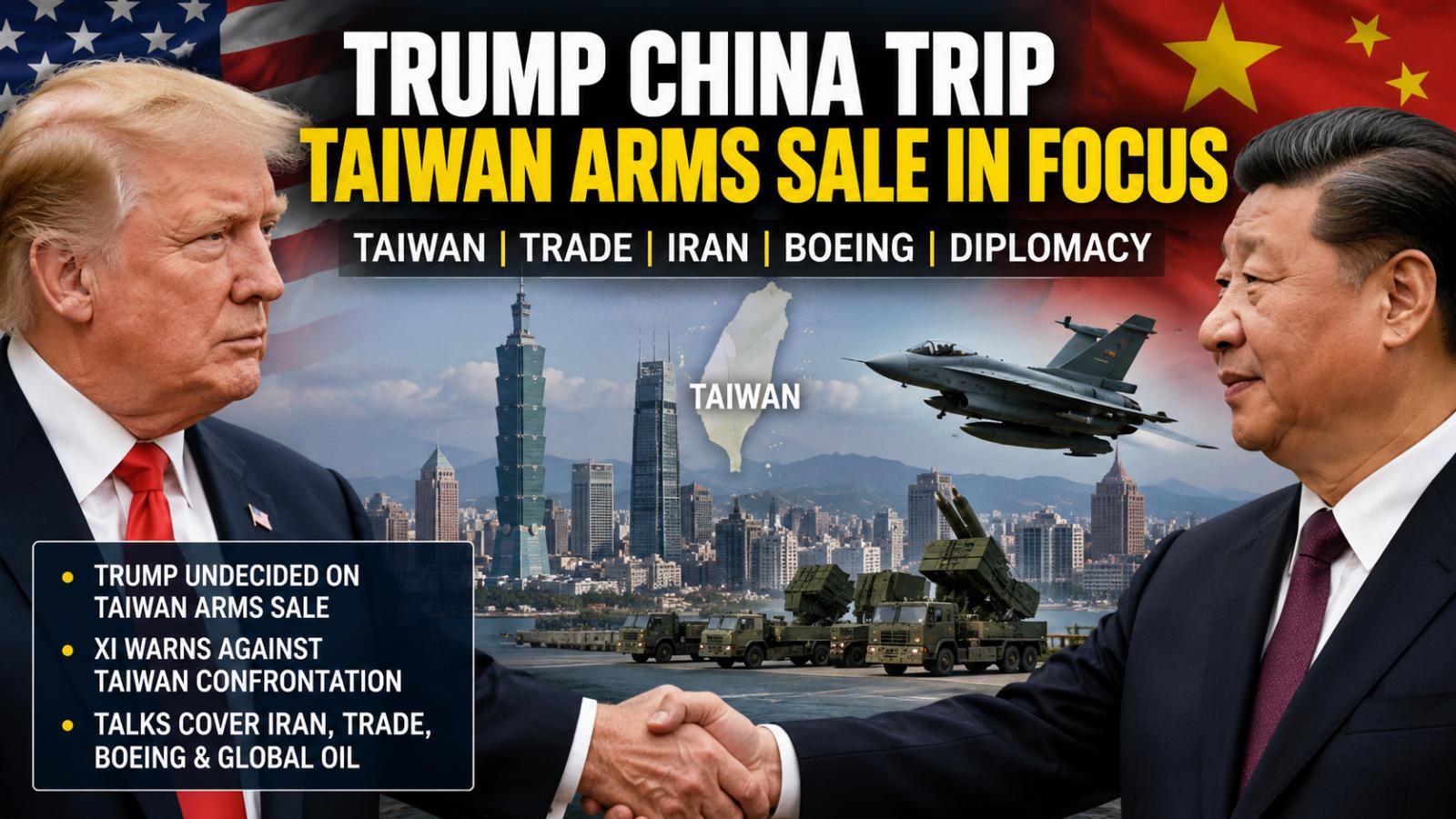
President Donald Trump left Beijing on Friday, May 15, 2026, without a final decision on a major U.S. arms sale to Taiwan, keeping one of the most sensitive issues in U.S.-China relations unresolved.
The Trump Taiwan arms sale decision became a central focus after his three-day China visit, where talks with Chinese President Xi Jinping covered Taiwan, Iran, trade, Boeing aircraft and wider efforts to stabilize relations between Washington and Beijing.
Trump-Xi Tai
President Donald Trump left Beijing on Friday, May 15, 2026, without a final decision on a major U.S. arms sale to Taiwan, keeping one of the most sensitive issues in U.S.-China relations unresolved.
The Trump Taiwan arms sale decision became a central focus after his three-day China visit, where talks with Chinese President Xi Jinping covered Taiwan, Iran, trade, Boeing aircraft and wider efforts to stabilize relations between Washington and Beijing.
Trump-Xi Tai
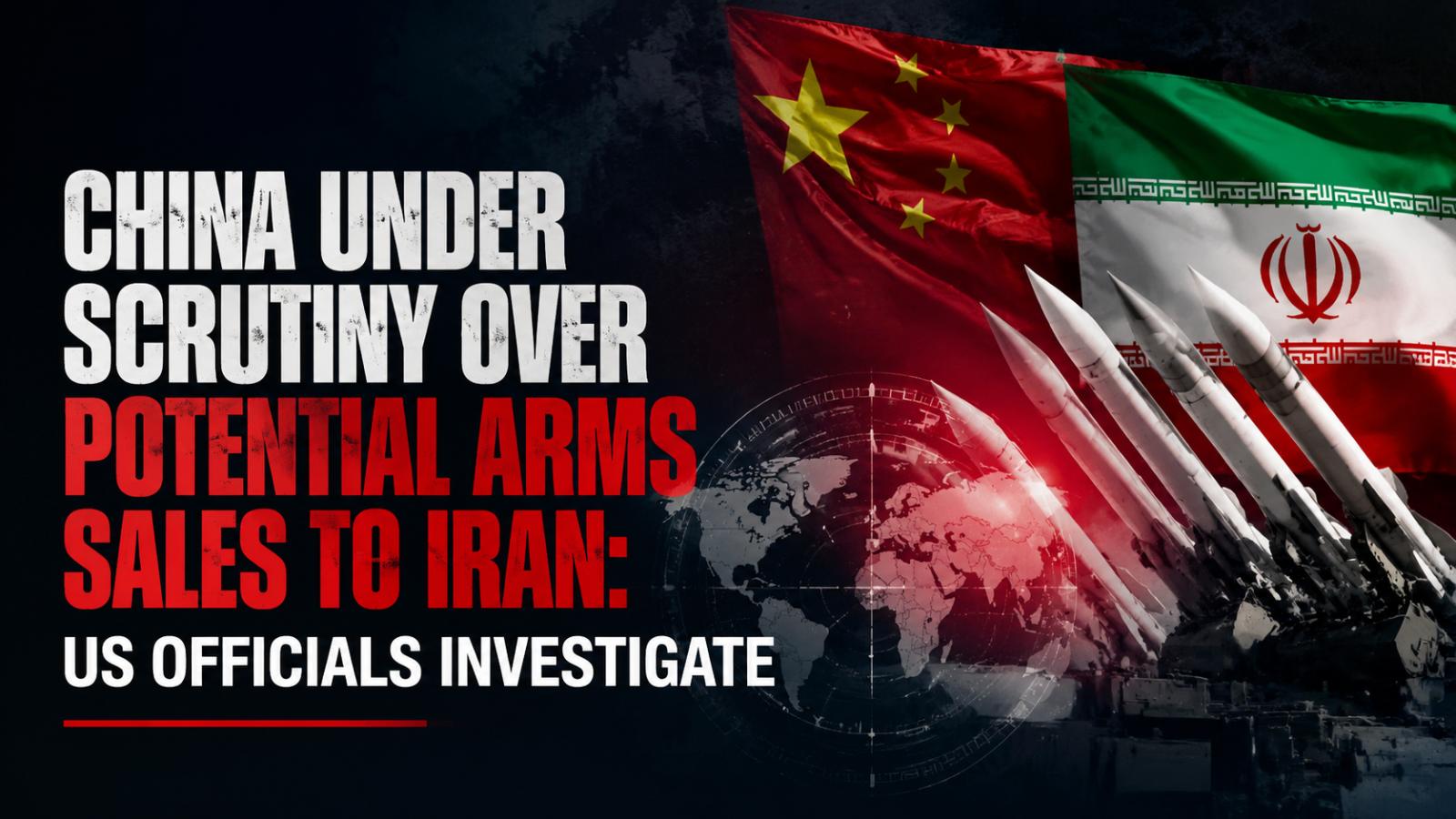
Amid rising tensions in the Middle East, US intelligence agencies are investigating whether China has been supplying military support to Iran. Sources familiar with the ongoing probe suggest that Chinese companies may have been negotiating arms transfers with Iranian officials. These weapons, believed to be funneled through third-party nations, are reportedly being used to mask their origin. However, it remains uncertain if any shipments have been completed or whether China’s government has given its official approval.
This investigation unfolds as President Donald Trump is scheduled to meet with Chinese President Xi Jinping in Beijing, where the topic of military cooperation is expected to be high on the agenda. US officials are pushing for a strong stance, as reports suggest that China might have provided Iran with sophisticated military equipment, including shoulder-fired anti-aircraft missile systems known as MANPADS. These missiles could target low-flying aircraft, which would be a major security threat in the region.
How is the US responding?
The United States has called on China to end any military support to Iran, stressing that such actions are unacceptable, especially with ongoing diplomatic efforts to stabilize relations. Despite attempts to smooth over tensions with China, the US administration has been vocal about its concerns, citing intelligence reports that point to a potential arms shipment route passing through an African nation. So far, there is no clear evidence that any weapons have been successfully transferred.
Has China already provided military aid to Iran?
While the situation remains ambiguous, reports indicate that China has been providing Iran with other forms of assistance, such as intelligence support and satellite surveillance technology. These resources have significantly boosted Iran’s ability to monitor US military positions in the region. Furthermore, China is believed to have supplied dual-use technology, including semiconductors and sensors, which have both civilian and military applications. These components are often harder to trace, raising concerns that China may be covertly aiding Iran’s military capabilities.
What does China gain from supporting Iran?
China has strategic interests in maintaining a strong partnership with Iran. As one of Iran's top economic allies, China imports a significant portion of Iran's oil, with estimates suggesting that 80% of Iranian oil exports are bound for China. Beijing’s involvement in the region is also driven by its need to safeguard energy shipments that pass through the Strait of Hormuz, a critical maritime trade route. With the ongoing conflict affecting global shipping, China’s role in ensuring the stability of this region has become more crucial. However, the uncertainty surrounding the Middle East conflict is putting pressure on China, as well as on the broader global market.
As the investigation into possible Chinese arms sales to Iran continues, the US is maintaining its vigilance, closely monitoring China’s actions in the Middle East. The growing influence of these geopolitical dynamics on the region’s stability suggests that the US will keep up its scrutiny of China’s role in Iran’s military affairs, especially as tensions continue to rise in this strategic part of the world.
Amid rising tensions in the Middle East, US intelligence agencies are investigating whether China has been supplying military support to Iran. Sources familiar with the ongoing probe suggest that Chinese companies may have been negotiating arms transfers with Iranian officials. These weapons, believed to be funneled through third-party nations, are reportedly being used to mask their origin. However, it remains uncertain if any shipments have been completed or whether China’s government has given its official approval.
This investigation unfolds as President Donald Trump is scheduled to meet with Chinese President Xi Jinping in Beijing, where the topic of military cooperation is expected to be high on the agenda. US officials are pushing for a strong stance, as reports suggest that China might have provided Iran with sophisticated military equipment, including shoulder-fired anti-aircraft missile systems known as MANPADS. These missiles could target low-flying aircraft, which would be a major security threat in the region.
How is the US responding?
The United States has called on China to end any military support to Iran, stressing that such actions are unacceptable, especially with ongoing diplomatic efforts to stabilize relations. Despite attempts to smooth over tensions with China, the US administration has been vocal about its concerns, citing intelligence reports that point to a potential arms shipment route passing through an African nation. So far, there is no clear evidence that any weapons have been successfully transferred.
Has China already provided military aid to Iran?
While the situation remains ambiguous, reports indicate that China has been providing Iran with other forms of assistance, such as intelligence support and satellite surveillance technology. These resources have significantly boosted Iran’s ability to monitor US military positions in the region. Furthermore, China is believed to have supplied dual-use technology, including semiconductors and sensors, which have both civilian and military applications. These components are often harder to trace, raising concerns that China may be covertly aiding Iran’s military capabilities.
What does China gain from supporting Iran?
China has strategic interests in maintaining a strong partnership with Iran. As one of Iran's top economic allies, China imports a significant portion of Iran's oil, with estimates suggesting that 80% of Iranian oil exports are bound for China. Beijing’s involvement in the region is also driven by its need to safeguard energy shipments that pass through the Strait of Hormuz, a critical maritime trade route. With the ongoing conflict affecting global shipping, China’s role in ensuring the stability of this region has become more crucial. However, the uncertainty surrounding the Middle East conflict is putting pressure on China, as well as on the broader global market.
As the investigation into possible Chinese arms sales to Iran continues, the US is maintaining its vigilance, closely monitoring China’s actions in the Middle East. The growing influence of these geopolitical dynamics on the region’s stability suggests that the US will keep up its scrutiny of China’s role in Iran’s military affairs, especially as tensions continue to rise in this strategic part of the world.
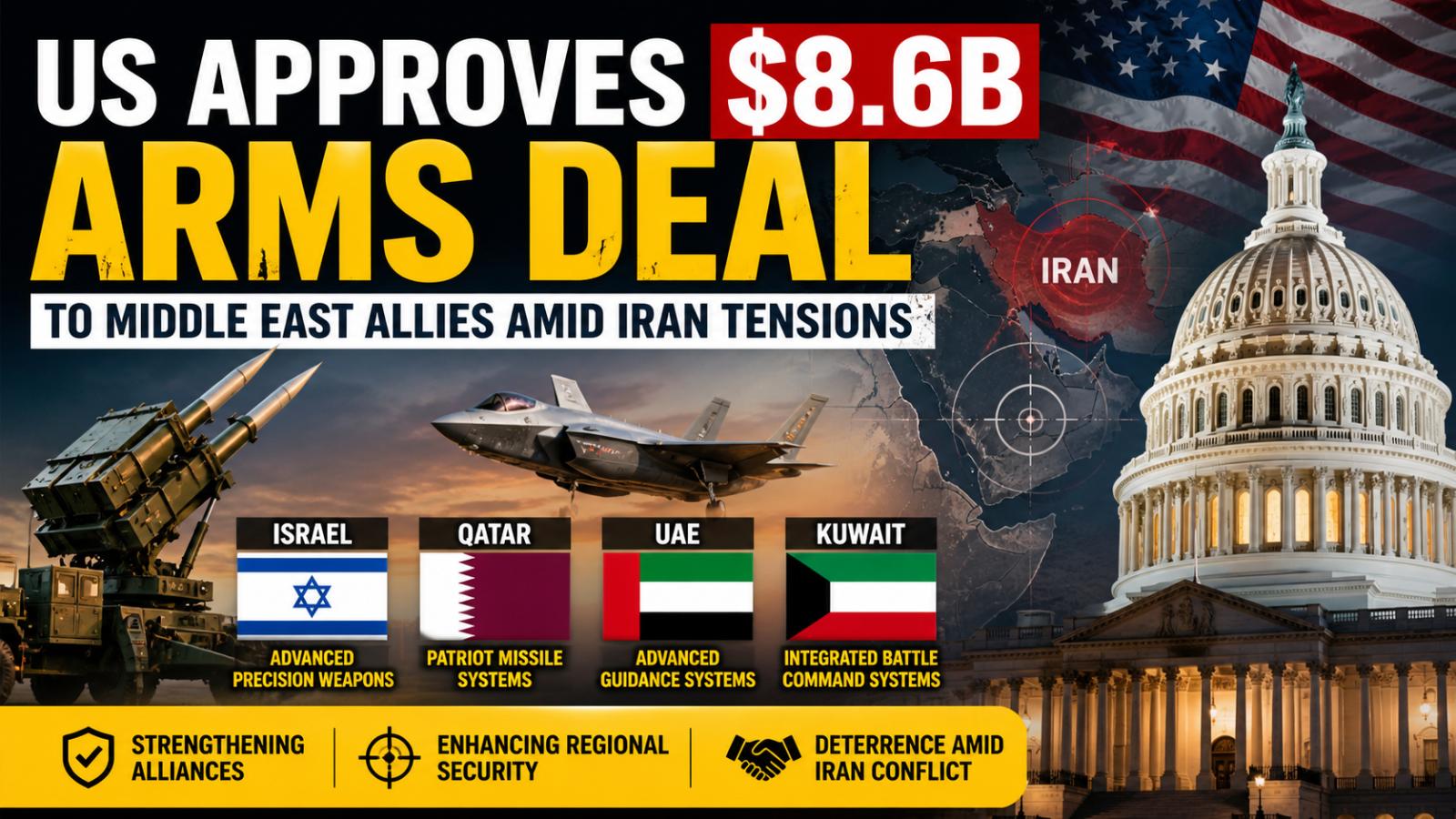
The United States has fast-tracked more than $8.6 billion in arms sales to key Middle East allies, signaling a sharp escalation in its response to rising tensions with Iran. Approved under emergency powers, the move bypasses Congress and reflects Washington’s urgency to strengthen regional defenses as the conflict enters a critical phase.
Emergency Approval Signals Rising Urgency
The decision, issued on Friday, invokes a rarely used em
The United States has fast-tracked more than $8.6 billion in arms sales to key Middle East allies, signaling a sharp escalation in its response to rising tensions with Iran. Approved under emergency powers, the move bypasses Congress and reflects Washington’s urgency to strengthen regional defenses as the conflict enters a critical phase.
Emergency Approval Signals Rising Urgency
The decision, issued on Friday, invokes a rarely used em