#betting
Kentucky Derby 2026 shock: The Puma scratched hours before race
Something big changed just hours before the biggest race in American horse racing — and it could reshape everything. Kentucky Derby 2026 shock: The Puma scratched hours before race as officials at Churchill Downs confirmed the late withdrawal on Saturday, May 2, 2026, just ahead of the 6:57 PM ET post time. The last-minute decision cuts the Kentucky Derby 2026 field from 20 horses to 19, triggerin
Kentucky Derby 2026 shock: The Puma scratched hours before race
Something big changed just hours before the biggest race in American horse racing — and it could reshape everything. Kentucky Derby 2026 shock: The Puma scratched hours before race as officials at Churchill Downs confirmed the late withdrawal on Saturday, May 2, 2026, just ahead of the 6:57 PM ET post time. The last-minute decision cuts the Kentucky Derby 2026 field from 20 horses to 19, triggerin
Regulators eye prediction markets after suspicious betting activity
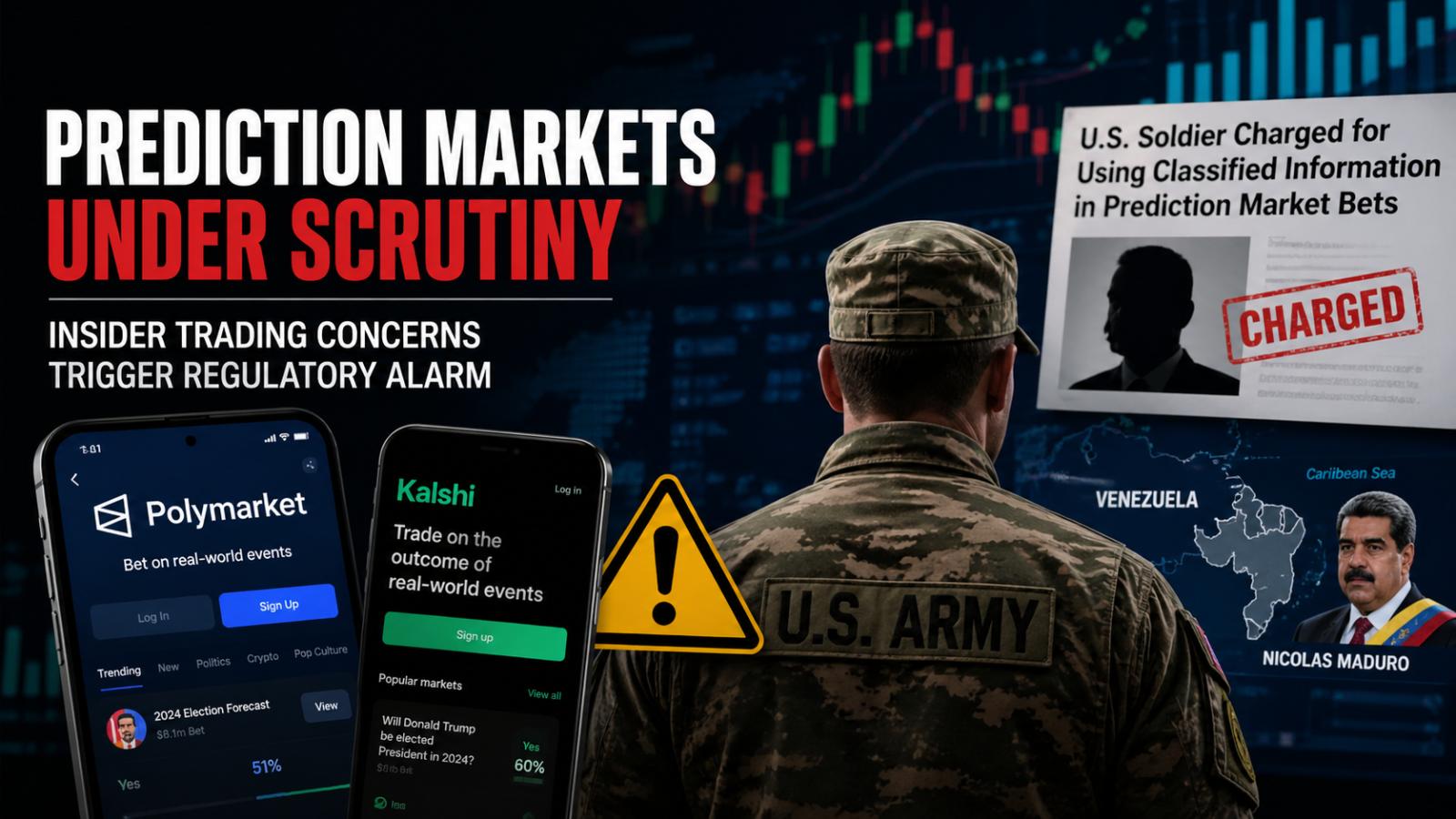
Prediction markets, digital platforms that allow users to wager on future events, are drawing increasing scrutiny amid concerns over suspicious trading activity and the potential misuse of sensitive information. The issue has gained prominence following a case involving a US Army special forces soldier accused of leveraging classified intelligence to place bets linked to a mission targeting Venezuelan President Nicolas Maduro. What are prediction markets? Prediction markets such as Polymarket and Kalshi operate in a manner similar to gambling platforms, but instead of sports, they focus on real-world events. Users place wagers on outcomes ranging from political developments and economic shifts to weather patterns and online activity. Participants earn profits if their predictions are accurate, while platforms generate revenue through transaction fees. With millions of users globally, these platforms now facilitate billions of dollars in wagers across diverse subjects including elections, tariffs, and commodity prices. Are these markets legal? The legal status of prediction markets varies by region. Globally, many jurisdictions permit such platforms, but the regulatory framework in the United States remains complex. Polymarket had been restricted domestically for several years before resuming limited operations, while Kalshi operates under oversight from the Commodity Futures Trading Commission. Some users attempt to bypass restrictions through virtual private networks, raising additional compliance concerns. Unlike traditional bookmakers, these platforms position themselves as exchanges that enable trading rather than setting odds. Can prediction markets accurately forecast events? Research suggests that collective forecasting, often described as the “wisdom of crowds,” can provide valuable insights. By aggregating diverse opinions, prediction markets can sometimes outperform individual experts in anticipating political, economic, and global outcomes. What are the risks involved? Concerns have intensified regarding the potential use of insider information. In the recent case, the US soldier allegedly earned more than $400,000 by betting on outcomes tied to a military operation. Similar patterns have been observed before major geopolitical and entertainment events, where unusual betting activity accurately predicted outcomes. Such incidents have raised questions about whether privileged information is influencing market behavior. Regulatory response and growing oversight Authorities are responding to these developments with increased vigilance. Several US states have initiated measures to restrict or ban prediction markets, while platforms like Kalshi and Polymarket have introduced safeguards to prevent misuse. Kalshi has prohibited political candidates from betting on their own elections, and government agencies have cautioned officials against using insider knowledge for financial gain. A concept with historical roots Despite recent attention, prediction markets are not a new phenomenon. Early models such as the Iowa Electronic Markets, established in 1988, focused on political forecasting. In 2003, the Pentagon explored launching a platform to predict geopolitical events, including potential security threats, but the initiative was abandoned following public criticism. As scrutiny intensifies, the future of prediction markets will likely depend on how effectively regulators and platforms address concerns surrounding transparency, legality, and the ethical use of information.
Regulators eye prediction markets after suspicious betting activity
Prediction markets, digital platforms that allow users to wager on future events, are drawing increasing scrutiny amid concerns over suspicious trading activity and the potential misuse of sensitive information. The issue has gained prominence following a case involving a US Army special forces soldier accused of leveraging classified intelligence to place bets linked to a mission targeting Venezuelan President Nicolas Maduro. What are prediction markets? Prediction markets such as Polymarket and Kalshi operate in a manner similar to gambling platforms, but instead of sports, they focus on real-world events. Users place wagers on outcomes ranging from political developments and economic shifts to weather patterns and online activity. Participants earn profits if their predictions are accurate, while platforms generate revenue through transaction fees. With millions of users globally, these platforms now facilitate billions of dollars in wagers across diverse subjects including elections, tariffs, and commodity prices. Are these markets legal? The legal status of prediction markets varies by region. Globally, many jurisdictions permit such platforms, but the regulatory framework in the United States remains complex. Polymarket had been restricted domestically for several years before resuming limited operations, while Kalshi operates under oversight from the Commodity Futures Trading Commission. Some users attempt to bypass restrictions through virtual private networks, raising additional compliance concerns. Unlike traditional bookmakers, these platforms position themselves as exchanges that enable trading rather than setting odds. Can prediction markets accurately forecast events? Research suggests that collective forecasting, often described as the “wisdom of crowds,” can provide valuable insights. By aggregating diverse opinions, prediction markets can sometimes outperform individual experts in anticipating political, economic, and global outcomes. What are the risks involved? Concerns have intensified regarding the potential use of insider information. In the recent case, the US soldier allegedly earned more than $400,000 by betting on outcomes tied to a military operation. Similar patterns have been observed before major geopolitical and entertainment events, where unusual betting activity accurately predicted outcomes. Such incidents have raised questions about whether privileged information is influencing market behavior. Regulatory response and growing oversight Authorities are responding to these developments with increased vigilance. Several US states have initiated measures to restrict or ban prediction markets, while platforms like Kalshi and Polymarket have introduced safeguards to prevent misuse. Kalshi has prohibited political candidates from betting on their own elections, and government agencies have cautioned officials against using insider knowledge for financial gain. A concept with historical roots Despite recent attention, prediction markets are not a new phenomenon. Early models such as the Iowa Electronic Markets, established in 1988, focused on political forecasting. In 2003, the Pentagon explored launching a platform to predict geopolitical events, including potential security threats, but the initiative was abandoned following public criticism. As scrutiny intensifies, the future of prediction markets will likely depend on how effectively regulators and platforms address concerns surrounding transparency, legality, and the ethical use of information.
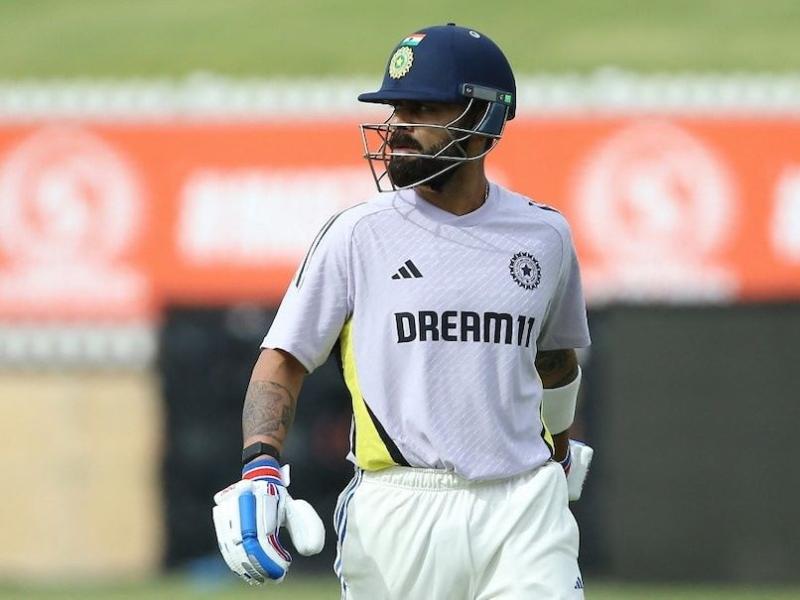
BCCI’s Strict Guidelines for Choosing Indian Cricket Team’s Title Sponsor: Alcohol, Pornography Banned
In a move to ensure that only reputable brands associate with the Indian cricket team, the Board of Control for Cricket in India (BCCI) has laid out strict guidelines for the title sponsor selection process. The BCCI invited bids for the national team’s lead sponsor rights and set an official deadline for bids to be submitted by September 16, 2025. This announcement came through a detailed Invitation for Expression of Interest (IEOI) document, with the l
BCCI’s Strict Guidelines for Choosing Indian Cricket Team’s Title Sponsor: Alcohol, Pornography Banned
In a move to ensure that only reputable brands associate with the Indian cricket team, the Board of Control for Cricket in India (BCCI) has laid out strict guidelines for the title sponsor selection process. The BCCI invited bids for the national team’s lead sponsor rights and set an official deadline for bids to be submitted by September 16, 2025. This announcement came through a detailed Invitation for Expression of Interest (IEOI) document, with the l
Lost Rs 18 Lakh in 6 Months: Online Betting Dangers
A SEBI-registered financial advisor has sounded a serious alarm about the growing menace of online betting in India, after witnessing a client lose Rs 18 lakh in just six months. The loss didn’t occur through stock markets or crypto investments, but through online betting apps an increasingly dangerous digital trap affecting thousands across the country. Abhishek Kumar, founder of SahajMoney, shared the story o
Lost Rs 18 Lakh in 6 Months: Online Betting Dangers
A SEBI-registered financial advisor has sounded a serious alarm about the growing menace of online betting in India, after witnessing a client lose Rs 18 lakh in just six months. The loss didn’t occur through stock markets or crypto investments, but through online betting apps an increasingly dangerous digital trap affecting thousands across the country. Abhishek Kumar, founder of SahajMoney, shared the story o