




















#braindevelopment
How Late Nights Affect Your Child’s Sleep, Learning and Mood
A child who looks lazy in the morning may simply be sleep-deprived. For many families, late bedtimes and early school wake-up calls have become normal, but pediatric sleep guidance shows that children need more rest than many schedules allow. How Much Sleep Do Children Need? The CDC says children ages 3 to 5 need 10 to 13 hours of sleep per 24 hours, including naps. Children ages 6 to 12 need 9 to 12 hours. The American Academy of Pediatrics has also end
How Late Nights Affect Your Child’s Sleep, Learning and Mood
A child who looks lazy in the morning may simply be sleep-deprived. For many families, late bedtimes and early school wake-up calls have become normal, but pediatric sleep guidance shows that children need more rest than many schedules allow. How Much Sleep Do Children Need? The CDC says children ages 3 to 5 need 10 to 13 hours of sleep per 24 hours, including naps. Children ages 6 to 12 need 9 to 12 hours. The American Academy of Pediatrics has also end
World Brain Day 2025: Theme, Significance, and Tips for Boosting Brain Health Across All Ages
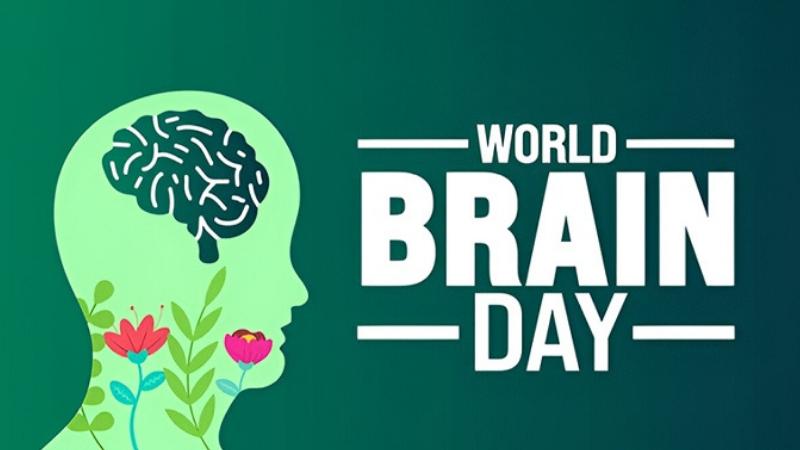
World Brain Day, observed annually on July 22, is an important initiative that highlights the significance of brain health and neurological care across the globe. Established by the World Federation of Neurology (WFN) in 2014, this event aims to raise awareness about the importance of safeguarding neurological health at every stage of life from childhood through to older adulthood. The primary goal of World Brain Day is to emphasize early intervention, education
World Brain Day 2025: Theme, Significance, and Tips for Boosting Brain Health Across All Ages
World Brain Day, observed annually on July 22, is an important initiative that highlights the significance of brain health and neurological care across the globe. Established by the World Federation of Neurology (WFN) in 2014, this event aims to raise awareness about the importance of safeguarding neurological health at every stage of life from childhood through to older adulthood. The primary goal of World Brain Day is to emphasize early intervention, education


