A child who looks lazy in the morning may simply be sleep-deprived. For many families, late bedtimes and early school wake-up calls have become normal, but pediatric sleep guidance shows that children need more rest than many schedules allow.
How Much Sleep Do Children Need?
The CDC says children ages 3 to 5 need 10 to 13 hours of sleep per 24 hours, including naps. Children ages 6 to 12 need 9 to 12 hours. The American Academy of Pediatrics has also endorsed sleep-duration guidance from the American Academy of Sleep Medicine using the same age-based ranges.
These recommendations mean total sleep in a 24-hour period, not only deep sleep. For school-age children, even one or two late nights can reduce rest before an early morning alarm.
Practical Bedtime Examples for School Nights
If a child must wake up at 6:30 a.m., bedtime should be planned backward from the sleep hours needed.
For ages 3 to 5, the child may need 10 to 13 total hours of sleep, including naps. Depending on nap time, bedtime may need to fall much earlier than many families expect.
For ages 6 to 12, a child waking at 6:30 a.m. may need to sleep around 6:30 p.m. to 9:30 p.m., depending on whether the child needs 9, 10, 11, or 12 hours of sleep.
A Simple School-Night Sleep Routine
A healthy bedtime routine does not need to be complicated. Parents can start with a 30- to 45-minute wind-down period before sleep.
Keep the routine simple: finish homework earlier, keep the school bag and uniform ready, reduce screen time before bed, dim the lights, read a short story, and keep the wake-up time consistent. A calm night routine can make the next morning easier.
Why Sleep Matters for Learning and Mood
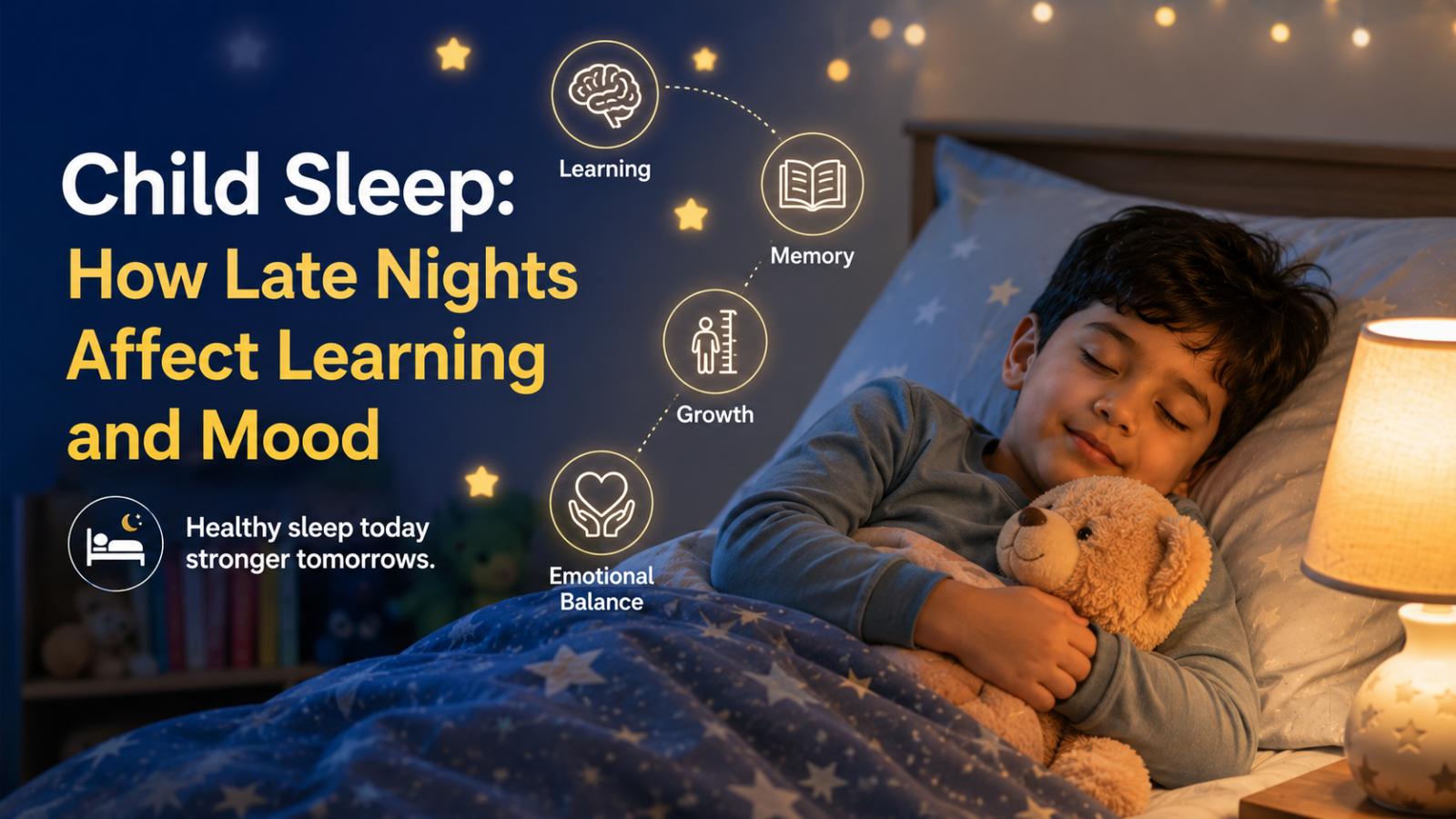
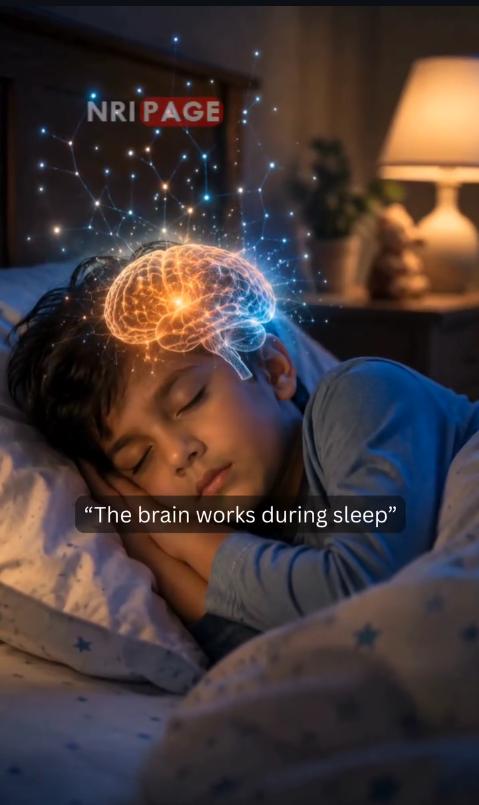
Sleep is not wasted time for children. During sleep, the brain supports learning, memory, emotional balance, and physical growth.
The immediate effects of less sleep may appear the next morning as tiredness, poor focus, irritability, and low energy. Over time, repeated lack of sleep can affect learning, memory, mood, and overall development.
Watch: Why Sleep Is Development Time for Children
We also explained this topic in a short Instagram reel for parents. The reel shows how late nights and early school mornings can affect a child’s focus, mood, and daily energy.
Watch the Instagram Reel on Child Sleep and School Mornings
If a child regularly struggles with sleep, loud snoring, breathing pauses, or extreme daytime tiredness, parents should consider speaking with a pediatrician.
For children, sleep is development time. A healthier morning often starts with what happens the night before.