



















#cava
Cava to open its first Ohio restaurant in Columbus at Polaris Parkway
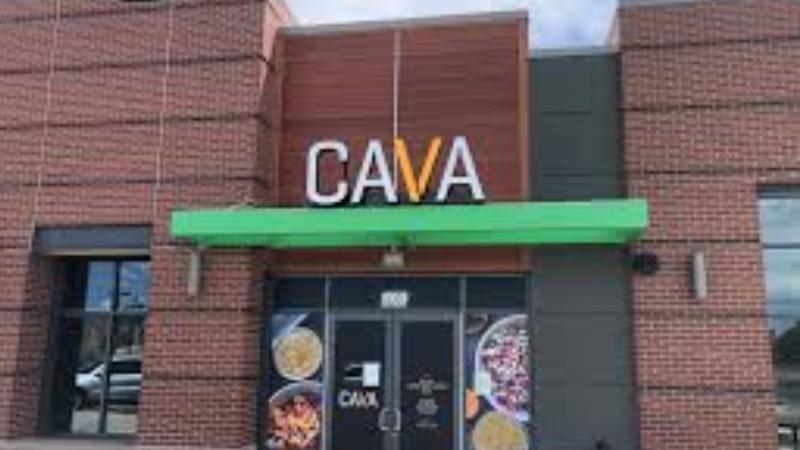
Mediterranean-inspired fast-casual chain Cava is preparing to launch its very first Ohio location, setting its sights on the city of Columbus. The popular restaurant brand, known for customizable grain bowls, pitas, and house-made dips, has submitted plans to open at 1370 Polaris Parkway, directly across from Polaris Fashion Place. A building permit filed in June indicates that the Columbus branch will occupy a space previously used by another restaurant, signaling Cava’s growing national
Cava to open its first Ohio restaurant in Columbus at Polaris Parkway
Mediterranean-inspired fast-casual chain Cava is preparing to launch its very first Ohio location, setting its sights on the city of Columbus. The popular restaurant brand, known for customizable grain bowls, pitas, and house-made dips, has submitted plans to open at 1370 Polaris Parkway, directly across from Polaris Fashion Place. A building permit filed in June indicates that the Columbus branch will occupy a space previously used by another restaurant, signaling Cava’s growing national
Roman-Era Cemetery in Cambridgeshire Unveils Rare Gypsum Burial and Grave Goods
Archaeologists in Cambridgeshire have made an extraordinary discovery of a Roman-era cemetery that includes a unique burial involving liquid gypsum, providing rare insights into ancient burial practices. The central grave, believed to belong to a high-status individual, was found encased in a stone coffin with gypsum poured around the body, a practice known from Roman times but poorly understood. The gypsum preserved impressions of fabric from the individual's clothing, offering a glimpse
Roman-Era Cemetery in Cambridgeshire Unveils Rare Gypsum Burial and Grave Goods
Archaeologists in Cambridgeshire have made an extraordinary discovery of a Roman-era cemetery that includes a unique burial involving liquid gypsum, providing rare insights into ancient burial practices. The central grave, believed to belong to a high-status individual, was found encased in a stone coffin with gypsum poured around the body, a practice known from Roman times but poorly understood. The gypsum preserved impressions of fabric from the individual's clothing, offering a glimpse


