

















#cervicalcancer
PM Modi to Launch Nationwide HPV Vaccination Drive for 14-Year-Old Girls on Feb 28
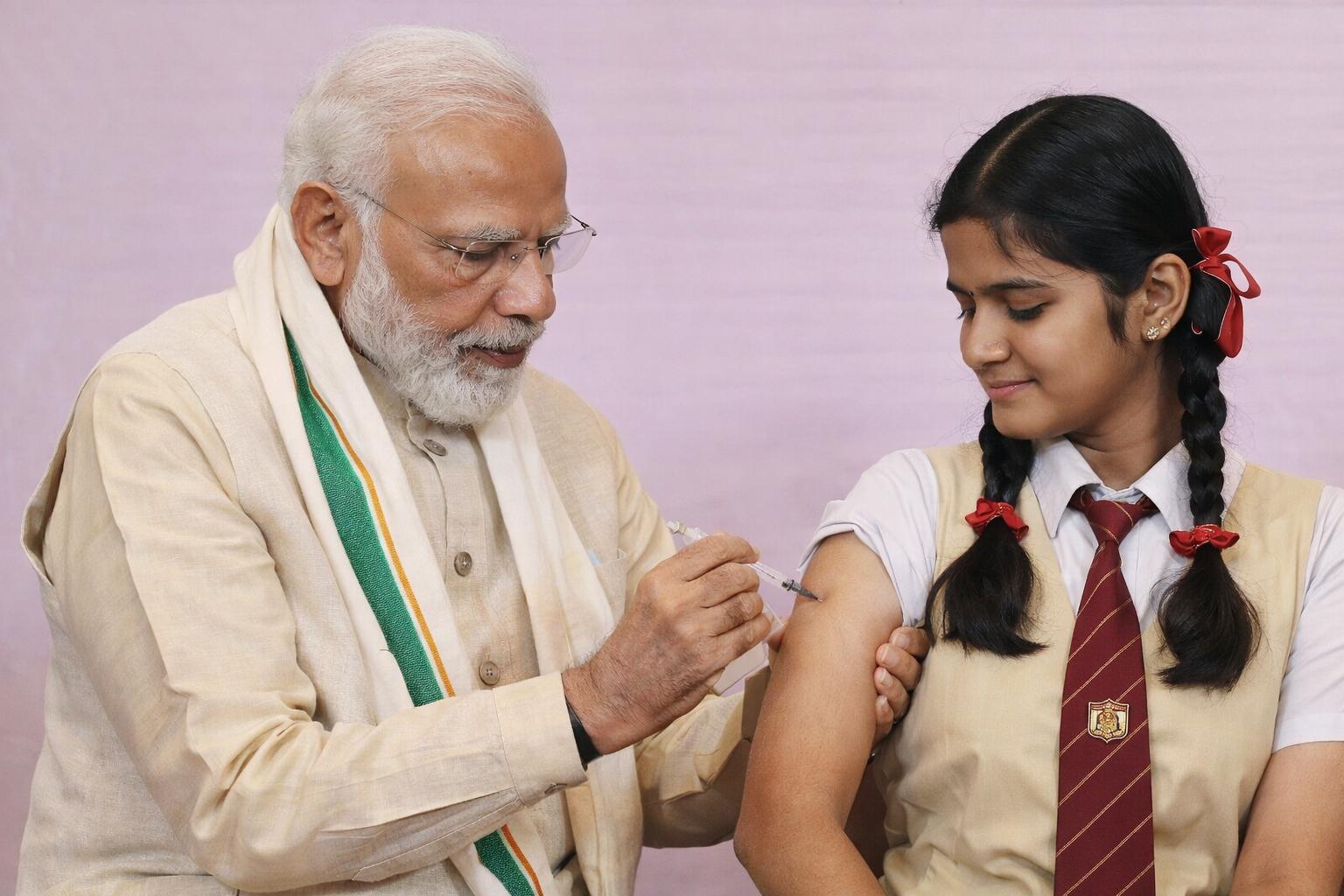
Prime Minister Narendra Modi is set to launch a nationwide HPV vaccination campaign on February 28, aimed at preventing cervical cancer in India. The campaign will provide free vaccinations to 14-year-old girls at government health centres, a significant step towards reducing the burden of cervical cancer, one of the leading causes of cancer-related deaths among women in India. The launch event will take place at 11:30 AM from Ajmer, with the participation of Chief Ministers, admini
PM Modi to Launch Nationwide HPV Vaccination Drive for 14-Year-Old Girls on Feb 28
Prime Minister Narendra Modi is set to launch a nationwide HPV vaccination campaign on February 28, aimed at preventing cervical cancer in India. The campaign will provide free vaccinations to 14-year-old girls at government health centres, a significant step towards reducing the burden of cervical cancer, one of the leading causes of cancer-related deaths among women in India. The launch event will take place at 11:30 AM from Ajmer, with the participation of Chief Ministers, admini
HPV Positive Test Explained: Why It Doesn’t Always Mean Cervical Cancer
Human papillomavirus (HPV) is the most common sexually transmitted infection worldwide, with more than 200 identified strains. According to the World Health Organisation (WHO), almost every sexually active person will contract HPV at some point in their lives. While most infections disappear naturally within one to two years, some high-risk strains such as HPV 16 and 18 can persist and lead to cervical cancer. These two strains alone cause nearly 70% of cervica
HPV Positive Test Explained: Why It Doesn’t Always Mean Cervical Cancer
Human papillomavirus (HPV) is the most common sexually transmitted infection worldwide, with more than 200 identified strains. According to the World Health Organisation (WHO), almost every sexually active person will contract HPV at some point in their lives. While most infections disappear naturally within one to two years, some high-risk strains such as HPV 16 and 18 can persist and lead to cervical cancer. These two strains alone cause nearly 70% of cervica


