






















#child-sleep
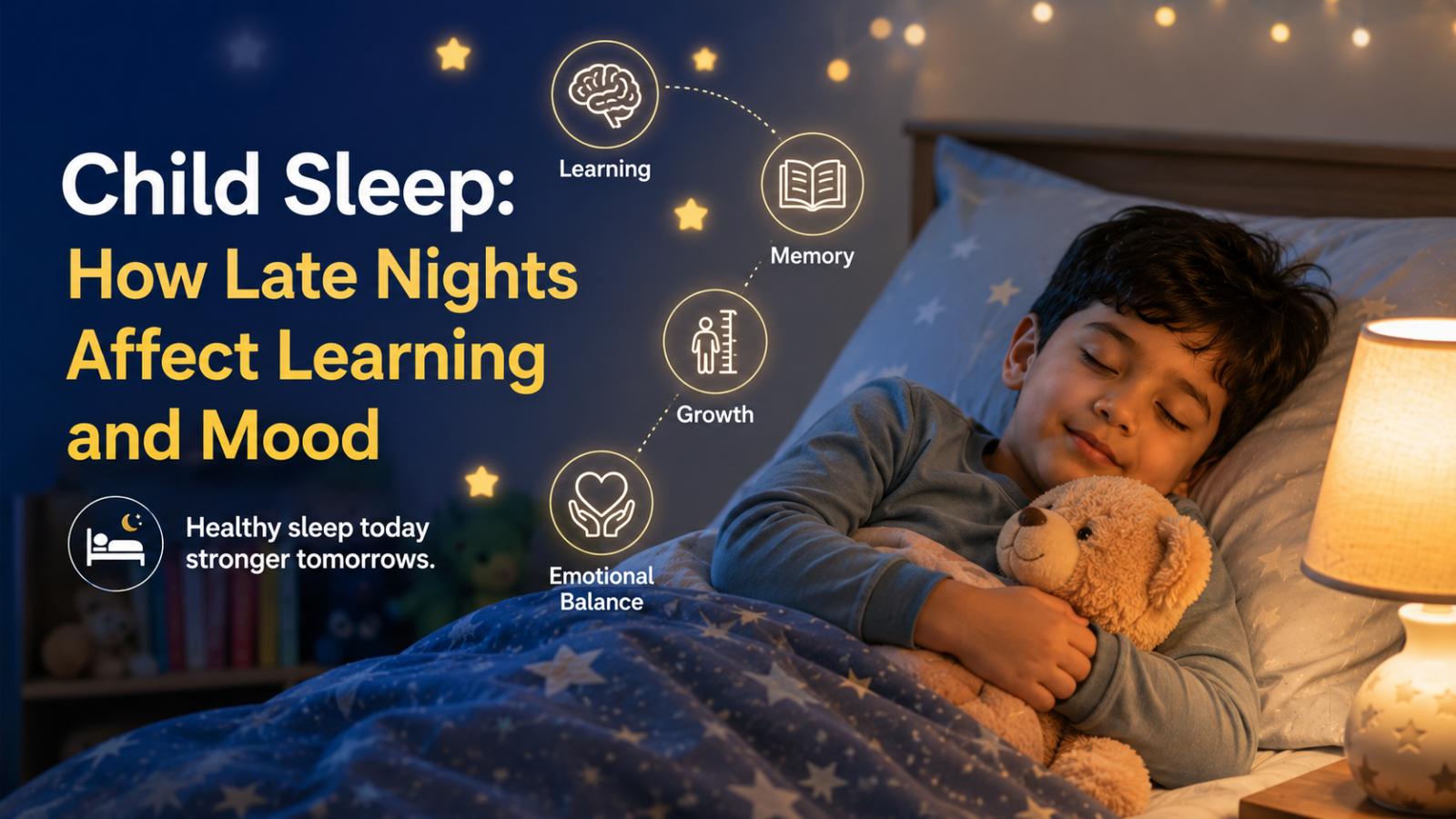
How Late Nights Affect Your Child’s Sleep, Learning and Mood
A child who looks lazy in the morning may simply be sleep-deprived. For many families, late bedtimes and early school wake-up calls have become normal, but pediatric sleep guidance shows that children need more rest than many schedules allow. How Much Sleep Do Children Need? The CDC says children ages 3 to 5 need 10 to 13 hours of sleep per 24 hours, including naps. Children ages 6 to 12 need 9 to 12 hours. The American Academy of Pediatrics has also end
How Late Nights Affect Your Child’s Sleep, Learning and Mood
A child who looks lazy in the morning may simply be sleep-deprived. For many families, late bedtimes and early school wake-up calls have become normal, but pediatric sleep guidance shows that children need more rest than many schedules allow. How Much Sleep Do Children Need? The CDC says children ages 3 to 5 need 10 to 13 hours of sleep per 24 hours, including naps. Children ages 6 to 12 need 9 to 12 hours. The American Academy of Pediatrics has also end
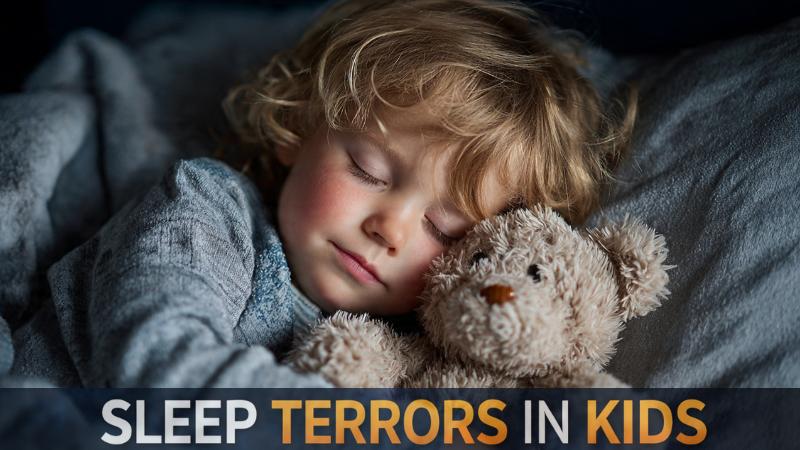
Sleep Terrors In Kids: Causes, Warning Signs, And How Parents Should Respond Safely
Sleep terrors in children can be deeply frightening for parents, especially when a child suddenly wakes up screaming, sweating, and appearing terrified while remaining unresponsive. These episodes often occur during deep sleep and can leave families confused and worried. However, medical experts emphasize that sleep terrors, also known as night terrors, are a common childhood sleep condition and are usually harmless. Understanding why they happen and how parents should respond can make these
Sleep Terrors In Kids: Causes, Warning Signs, And How Parents Should Respond Safely
Sleep terrors in children can be deeply frightening for parents, especially when a child suddenly wakes up screaming, sweating, and appearing terrified while remaining unresponsive. These episodes often occur during deep sleep and can leave families confused and worried. However, medical experts emphasize that sleep terrors, also known as night terrors, are a common childhood sleep condition and are usually harmless. Understanding why they happen and how parents should respond can make these
Why Isn’t My Baby Sleeping? Exploring the Top Parenting Search
One of the most common worries new parents share is, “Why isn’t my baby sleeping?” Whether it’s trouble falling asleep, frequent night wakings, or short naps, sleep struggles are a universal parenting challenge. Babies’ sleep patterns can vary widely, and understanding the reasons behind sleepless nights can make the journey a little easier. In the first few months, newborns wake often because their tiny stomachs need frequent feeding. As babies grow, s
Why Isn’t My Baby Sleeping? Exploring the Top Parenting Search
One of the most common worries new parents share is, “Why isn’t my baby sleeping?” Whether it’s trouble falling asleep, frequent night wakings, or short naps, sleep struggles are a universal parenting challenge. Babies’ sleep patterns can vary widely, and understanding the reasons behind sleepless nights can make the journey a little easier. In the first few months, newborns wake often because their tiny stomachs need frequent feeding. As babies grow, s
Why Consistent Routines Matter for Children
Establishing consistent routines for children is one of the most effective strategies for ensuring their well-being and development. Children thrive in environments where they know what to expect. Routines provide structure, security, and stability, which are essential for emotional growth and behavior management. Consistency helps children understand boundaries and feel more secure, as they can predict what happens next in their day-to-day life. Whether it’s a morning routine, a set be
Why Consistent Routines Matter for Children
Establishing consistent routines for children is one of the most effective strategies for ensuring their well-being and development. Children thrive in environments where they know what to expect. Routines provide structure, security, and stability, which are essential for emotional growth and behavior management. Consistency helps children understand boundaries and feel more secure, as they can predict what happens next in their day-to-day life. Whether it’s a morning routine, a set be


