Historic Summit Marks a New Phase for US-China Relations
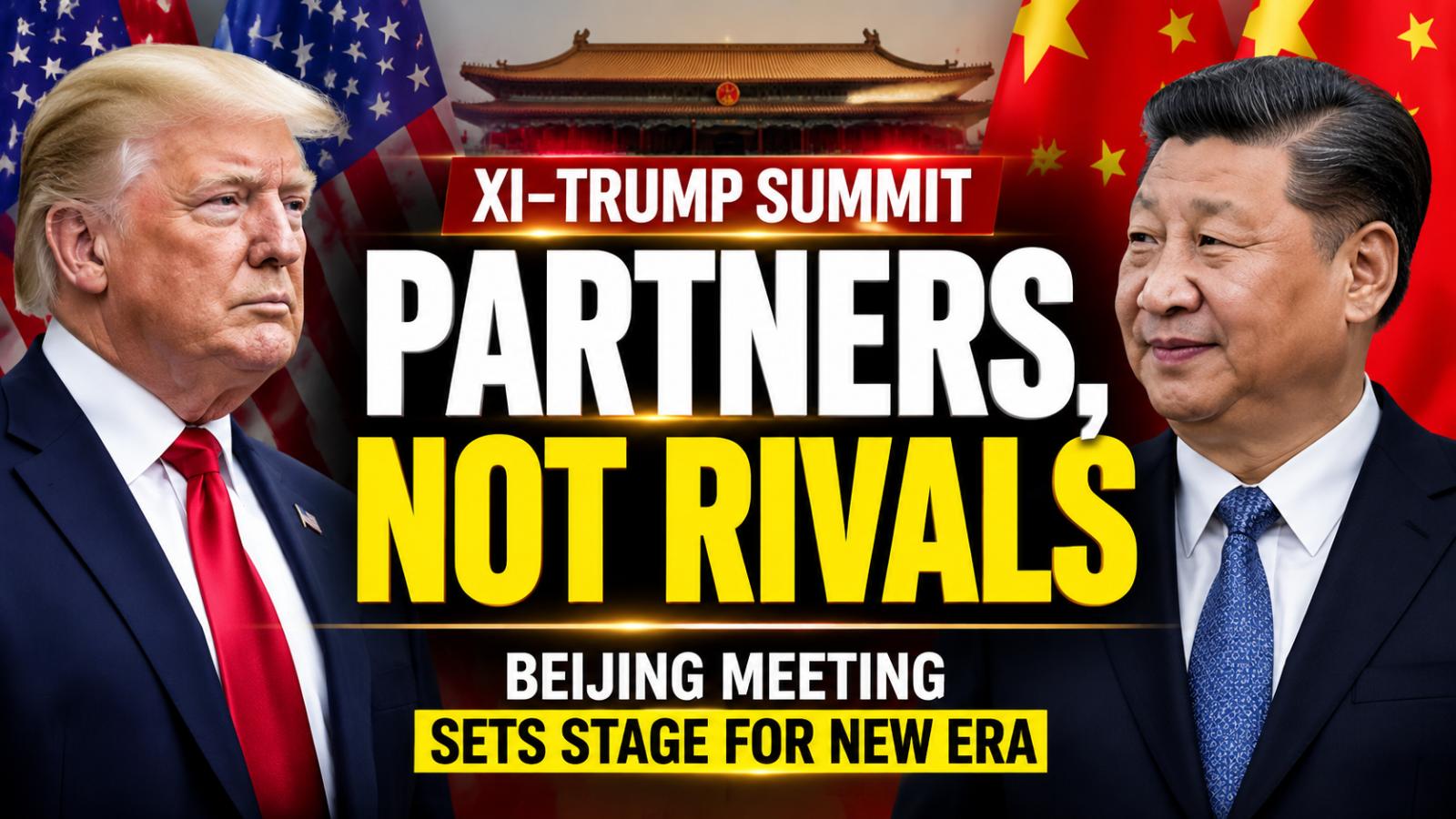
On Thursday, May 14, 2026, Chinese President Xi Jinping welcomed US President Donald Trump to Beijing for a high-stakes summit, marking a critical moment in the evolving relationship between the two global powers. Xi set the tone for the summit by stressing the importance of cooperation over confrontation, calling for a stable US-China relationship as a foundation for global stability. “A stable China-US relationship is a
Historic Summit Marks a New Phase for US-China Relations
On Thursday, May 14, 2026, Chinese President Xi Jinping welcomed US President Donald Trump to Beijing for a high-stakes summit, marking a critical moment in the evolving relationship between the two global powers. Xi set the tone for the summit by stressing the importance of cooperation over confrontation, calling for a stable US-China relationship as a foundation for global stability. “A stable China-US relationship is a
US Sanctions Target Iran Military Supply Network
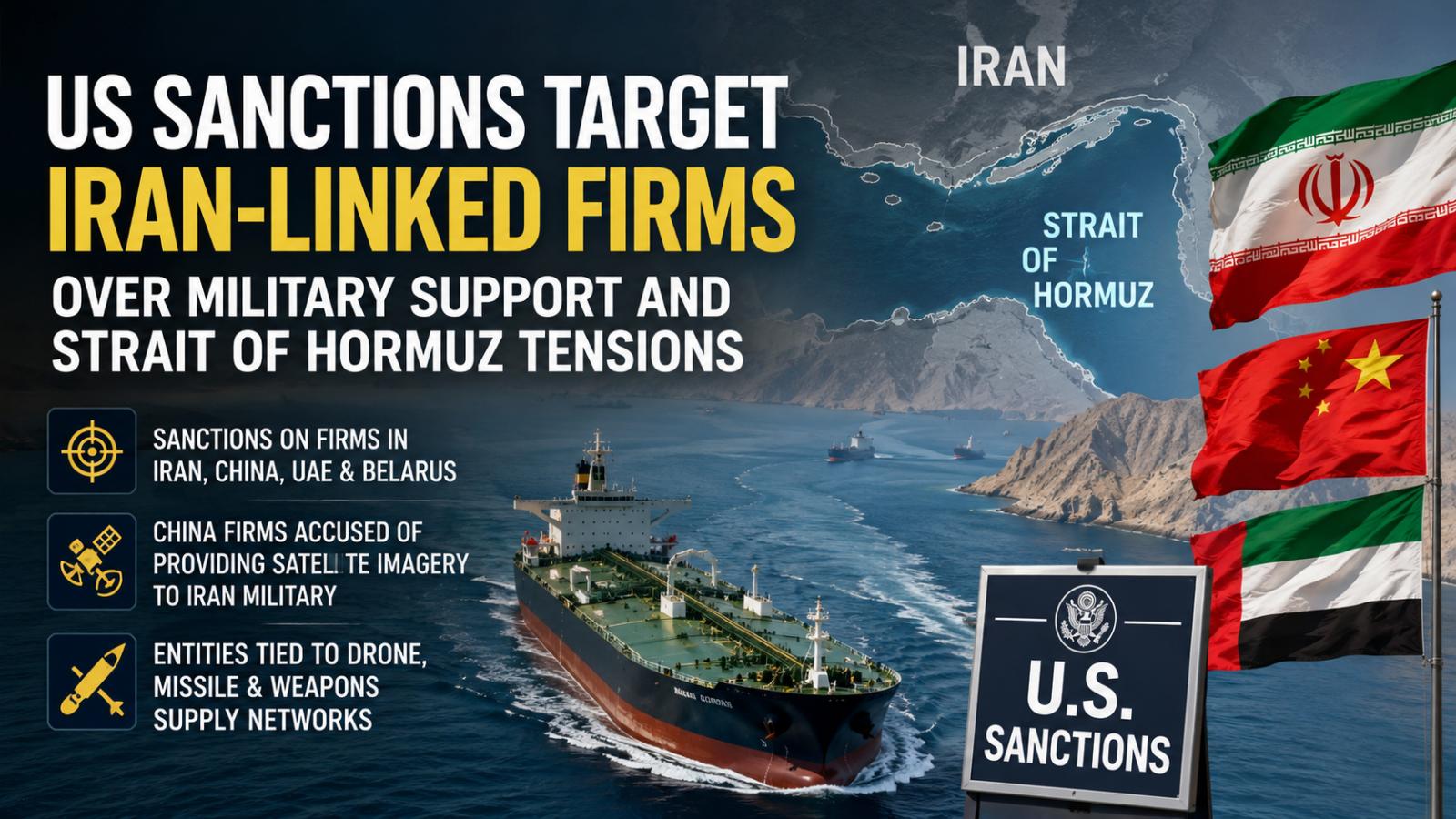
The United States has imposed new sanctions on companies and individuals accused of helping Iran’s military programs, including drone, missile and satellite-support networks.
Officials said the penalties target entities linked to Iran, China, Belarus and the United Arab Emirates, widening Washington’s pressure campaign as tensions continue around the Strait of Hormuz.
China Firms Acc
US Sanctions Target Iran Military Supply Network
The United States has imposed new sanctions on companies and individuals accused of helping Iran’s military programs, including drone, missile and satellite-support networks.
Officials said the penalties target entities linked to Iran, China, Belarus and the United Arab Emirates, widening Washington’s pressure campaign as tensions continue around the Strait of Hormuz.
China Firms Acc
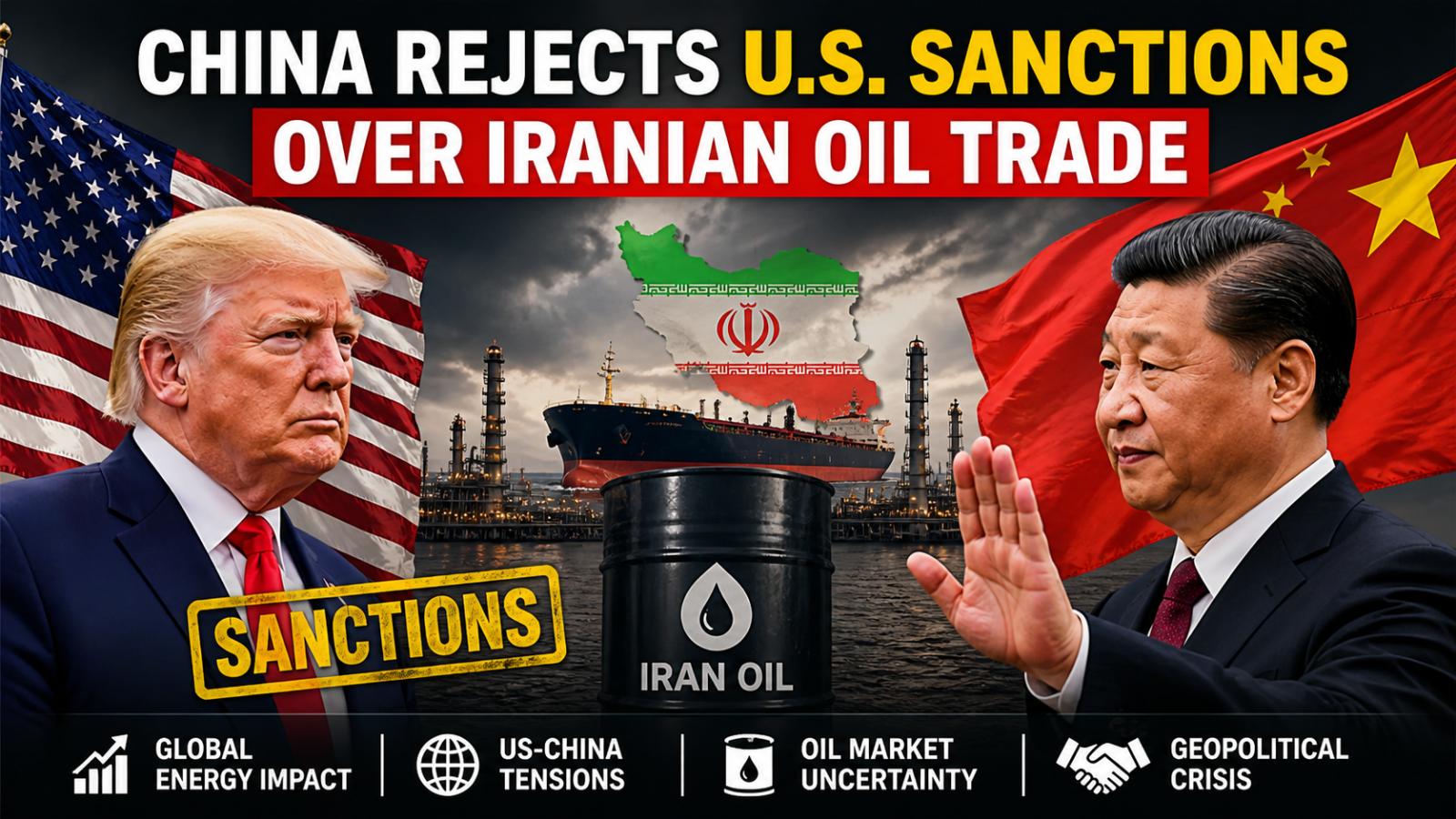
China has strongly rejected new sanctions imposed by the United States on Chinese firms accused of purchasing Iranian oil, calling the measures “unlawful” and a violation of international trade norms. The move marks a fresh escalation in tensions between China and Washington, with potential ripple effe
China has strongly rejected new sanctions imposed by the United States on Chinese firms accused of purchasing Iranian oil, calling the measures “unlawful” and a violation of international trade norms. The move marks a fresh escalation in tensions between China and Washington, with potential ripple effe
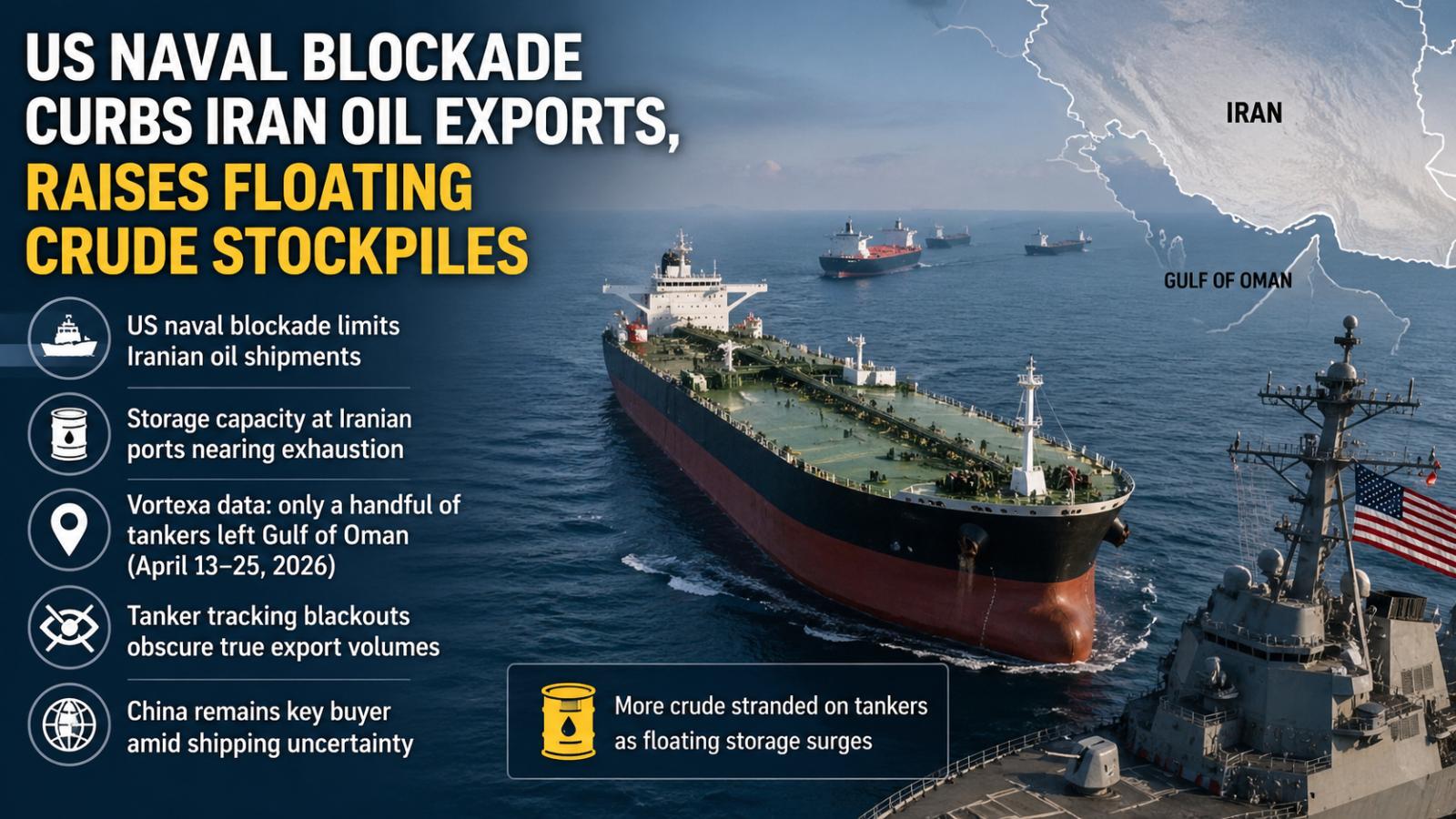
The US naval blockade has sharply reduced Iran’s oil exports, forcing crude into floating storage as onshore capacity fills. Limited tanker movement and tracking blackouts obscure shipments, raising concerns over global supply transparency and market stability
US naval blockade curbs Iran oil exports, raises floating crude stockpiles has significantly reduced Tehran’s oil shipments, leaving large volumes stranded at sea as storage capacity tightens. Analysts citing shipping data report that Iranian crude exports have dropped sharply due to heightened maritime restrictions and operational risks in key transit routes.
According to data from oil analytics firm Vortexa, only a limited number of tankers carrying Iranian crude departed the Gulf of Oman between Sunday, April 13, 2026, and Friday, April 25, 2026. This decline underscores the growing impact of the blockade, which has disrupted traditional export channels and created uncertainty across global energy markets. The situation is further complicated by tanker operators switching off tracking systems to avoid detection, making it difficult to accurately measure export volumes.
China remains Iran’s primary buyer, but the opacity surrounding shipments has increased as vessels attempt to evade monitoring systems. Analysts note that this lack of transparency could distort global supply assessments and complicate pricing trends in international oil markets. As Iranian onshore storage facilities reach capacity, more crude is being held on tankers, effectively turning them into floating storage units.
The blockade’s ripple effects extend beyond oil logistics. Broader policy measures tied to the maritime restrictions have contributed to operational challenges within U.S. federal systems. Since Friday, February 14, 2026, certain agencies have faced funding interruptions, leading to disruptions including extended wait times at major U.S. airports. While a recent measure supported by President Donald Trump has reopened the Department of Homeland Security, it does not allocate additional funding for Immigration and Customs Enforcement or the U.S. Border Patrol.
The evolving situation highlights the intersection of geopolitical strategy and global energy flows, with analysts warning that prolonged disruptions could tighten supply chains and influence oil prices worldwide.
The US naval blockade has sharply reduced Iran’s oil exports, forcing crude into floating storage as onshore capacity fills. Limited tanker movement and tracking blackouts obscure shipments, raising concerns over global supply transparency and market stability
US naval blockade curbs Iran oil exports, raises floating crude stockpiles has significantly reduced Tehran’s oil shipments, leaving large volumes stranded at sea as storage capacity tightens. Analysts citing shipping data report that Iranian crude exports have dropped sharply due to heightened maritime restrictions and operational risks in key transit routes.
According to data from oil analytics firm Vortexa, only a limited number of tankers carrying Iranian crude departed the Gulf of Oman between Sunday, April 13, 2026, and Friday, April 25, 2026. This decline underscores the growing impact of the blockade, which has disrupted traditional export channels and created uncertainty across global energy markets. The situation is further complicated by tanker operators switching off tracking systems to avoid detection, making it difficult to accurately measure export volumes.
China remains Iran’s primary buyer, but the opacity surrounding shipments has increased as vessels attempt to evade monitoring systems. Analysts note that this lack of transparency could distort global supply assessments and complicate pricing trends in international oil markets. As Iranian onshore storage facilities reach capacity, more crude is being held on tankers, effectively turning them into floating storage units.
The blockade’s ripple effects extend beyond oil logistics. Broader policy measures tied to the maritime restrictions have contributed to operational challenges within U.S. federal systems. Since Friday, February 14, 2026, certain agencies have faced funding interruptions, leading to disruptions including extended wait times at major U.S. airports. While a recent measure supported by President Donald Trump has reopened the Department of Homeland Security, it does not allocate additional funding for Immigration and Customs Enforcement or the U.S. Border Patrol.
The evolving situation highlights the intersection of geopolitical strategy and global energy flows, with analysts warning that prolonged disruptions could tighten supply chains and influence oil prices worldwide.
China on Wednesday strongly criticized reported United States demands aimed at reshaping Venezuela’s oil partnerships, calling the move an act of coercion that violates both national sovereignty and international law. Beijing’s response follows media reports that Washington has sought exclusive control over Venezuela’s oil sector as part of its political and economic engagement with the South American nation.
Speaking at a regular press briefing, Chinese Foreign Ministry spoke
China on Wednesday strongly criticized reported United States demands aimed at reshaping Venezuela’s oil partnerships, calling the move an act of coercion that violates both national sovereignty and international law. Beijing’s response follows media reports that Washington has sought exclusive control over Venezuela’s oil sector as part of its political and economic engagement with the South American nation.
Speaking at a regular press briefing, Chinese Foreign Ministry spoke
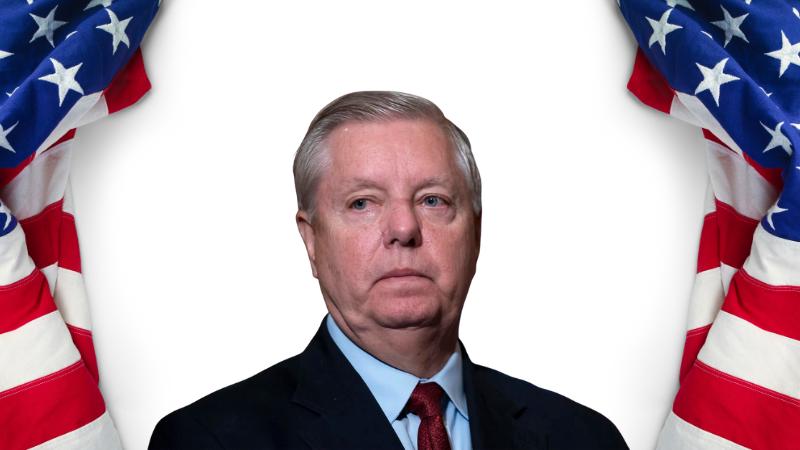
Following the narrative established during the Trump administration, South Carolina Senator Lindsey Graham has drawn a connection between US tariffs, the ongoing Russia-Ukraine conflict, and India’s role in the global energy market. On Wednesday, Graham responded sharply to reports of a deadly Russian strike in Kyiv that killed at least 23 people. His message on X directly addressed India, China, and Brazil for their continued purchase of Russian crude.
Following the narrative established during the Trump administration, South Carolina Senator Lindsey Graham has drawn a connection between US tariffs, the ongoing Russia-Ukraine conflict, and India’s role in the global energy market. On Wednesday, Graham responded sharply to reports of a deadly Russian strike in Kyiv that killed at least 23 people. His message on X directly addressed India, China, and Brazil for their continued purchase of Russian crude.
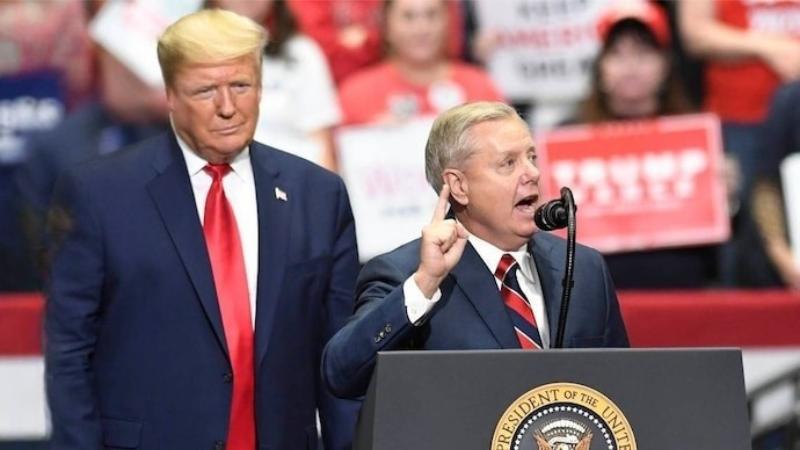
US Senator Lindsey Graham, a close ally of President Donald Trump, has issued a direct warning to India, China, and Brazil over their continued purchase of oil from Russia, suggesting that these nations could face severe economic consequences. Speaking during a live interview on Fox News, Graham revealed that the Trump administration plans to impose a 100% tariff on oil imports from countries that maintain trade relations with Russia. This bold statement comes
US Senator Lindsey Graham, a close ally of President Donald Trump, has issued a direct warning to India, China, and Brazil over their continued purchase of oil from Russia, suggesting that these nations could face severe economic consequences. Speaking during a live interview on Fox News, Graham revealed that the Trump administration plans to impose a 100% tariff on oil imports from countries that maintain trade relations with Russia. This bold statement comes
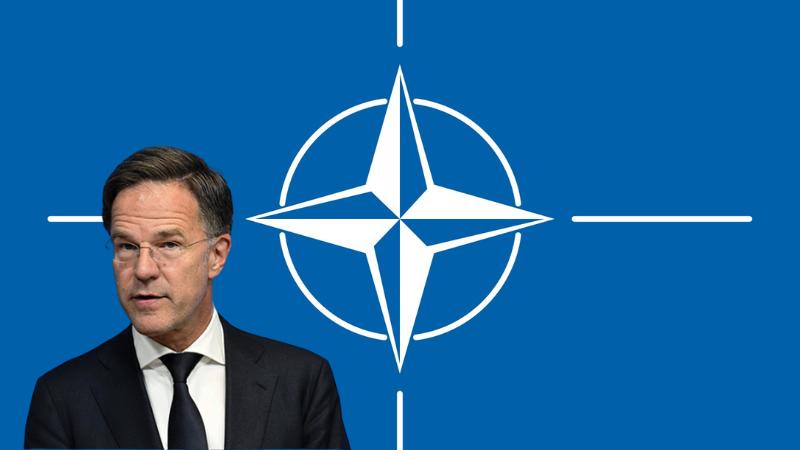
NATO Secretary General Mark Rutte has issued a clear and stern warning to countries maintaining economic relations with Russia amid the ongoing conflict in Ukraine. During recent meetings with U.S. senators, Rutte emphasized that countries like India, China, and Brazil risk facing severe secondary sanctions, including 100 percent tariffs, if they continue their commercial engagements with Russia. His message, delivered just a day after President Donald Trump revealed a new arms package for Uk
NATO Secretary General Mark Rutte has issued a clear and stern warning to countries maintaining economic relations with Russia amid the ongoing conflict in Ukraine. During recent meetings with U.S. senators, Rutte emphasized that countries like India, China, and Brazil risk facing severe secondary sanctions, including 100 percent tariffs, if they continue their commercial engagements with Russia. His message, delivered just a day after President Donald Trump revealed a new arms package for Uk