

















#culturalheritage
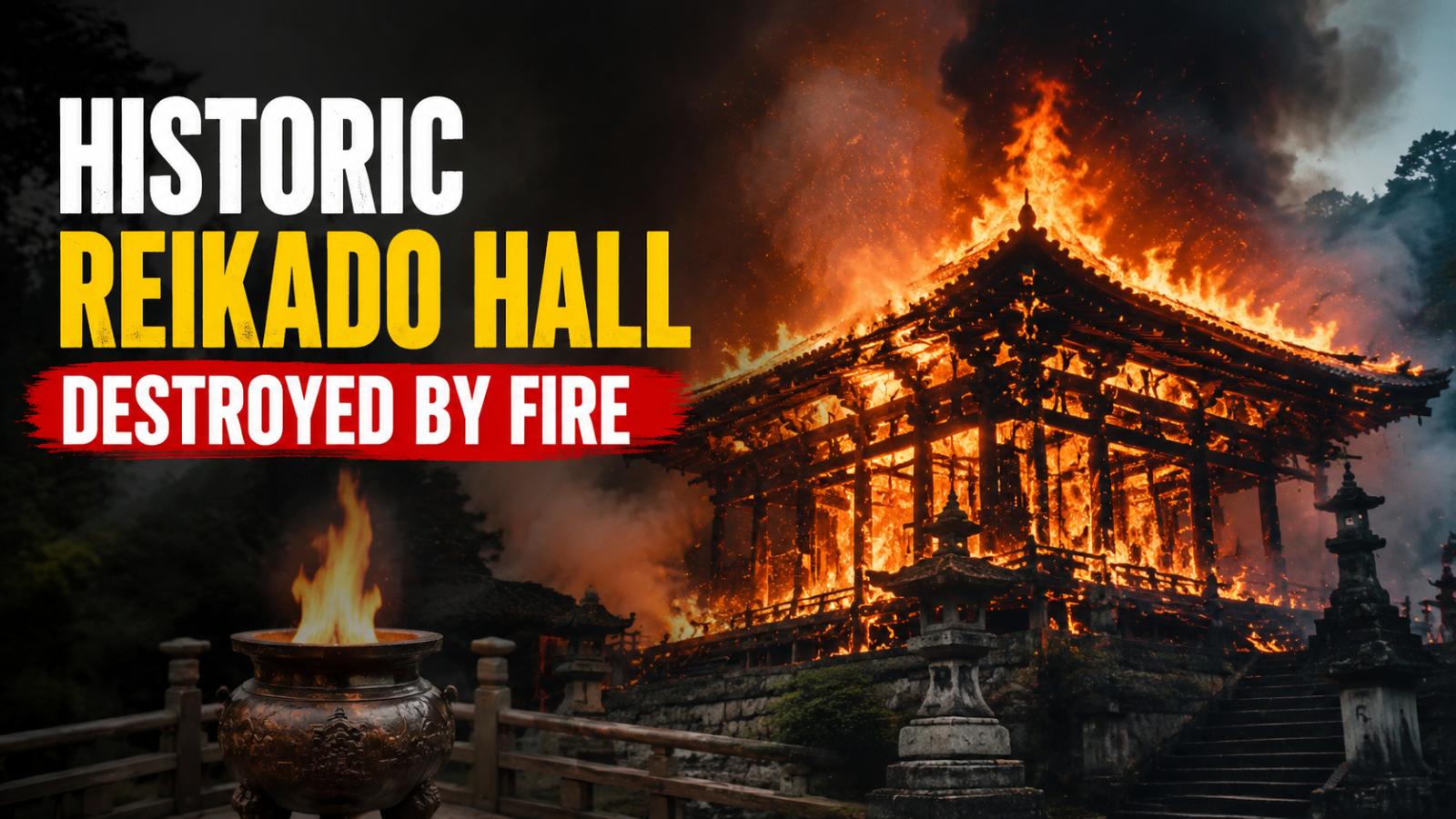
Reikado Hall Fire on Miyajima Island Destroys Historic Temple, Eternal Flame Preserved
Reikado Hall, a centuries-old Shingon Buddhist temple on Miyajima Island, was completely destroyed by fire on Wednesday, May 20. Known for housing a sacred “eternal flame” that had reportedly burned for more than 1,200 years, the hall was reduced to ruins despite efforts to save the structure. Temple officials confirmed that the eternal flame was safely relocated before the collapse, ensuring that its spiritual legacy endures. The Daisho-in temple, responsible for managing Reikado Hall, e
Reikado Hall Fire on Miyajima Island Destroys Historic Temple, Eternal Flame Preserved
Reikado Hall, a centuries-old Shingon Buddhist temple on Miyajima Island, was completely destroyed by fire on Wednesday, May 20. Known for housing a sacred “eternal flame” that had reportedly burned for more than 1,200 years, the hall was reduced to ruins despite efforts to save the structure. Temple officials confirmed that the eternal flame was safely relocated before the collapse, ensuring that its spiritual legacy endures. The Daisho-in temple, responsible for managing Reikado Hall, e
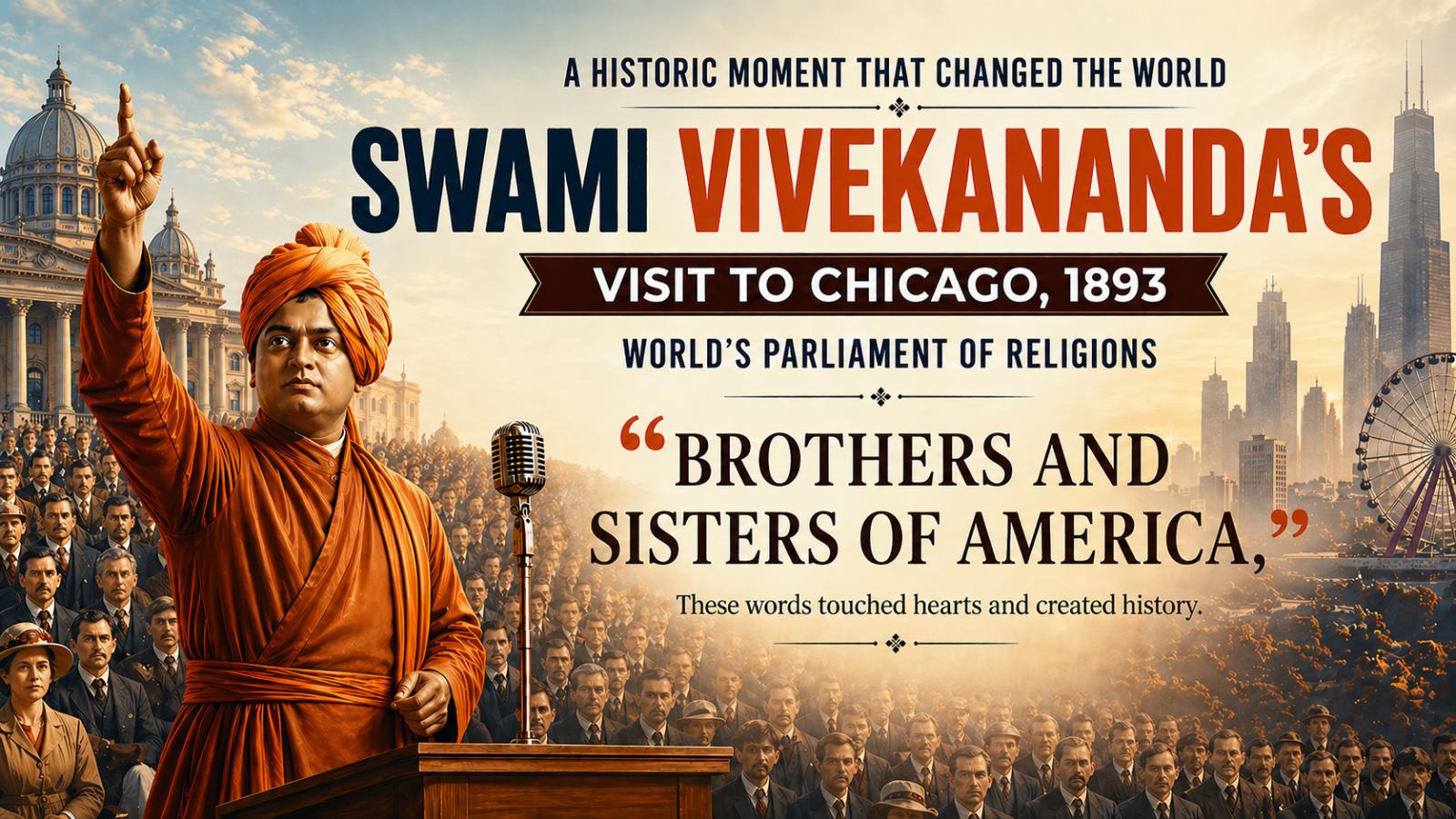
How One Indian Monk Won the World in 1893!
Swami Vivekananda’s visit to Chicago in 1893 remains a defining moment in the global exchange of spiritual and cultural ideas. He traveled to the United States to participate in the World’s Parliament of Religions, an international gathering held as part of the Columbian Exposition. His address on September 11, 1893, is widely remembered for its message of unity and universal acceptance. Opening his speech with the now-famous greeting, “Brothers and Sisters of America,” Vivekananda immediately connected with the audience, receiving a prolonged standing ovation. His remarks emphasized the shared essence of all religions and advocated for tolerance, mutual respect, and compassion. He presented the principles of Vedanta and Yoga as paths toward understanding humanity’s deeper spiritual nature, highlighting that true religion transcends rigid doctrines. The impact of his speech extended far beyond the event itself. Vivekananda’s ideas resonated strongly with American audiences, introducing many to Indian philosophical traditions for the first time. His teachings contributed to a broader awareness of Hinduism and helped establish a foundation for ongoing cultural and intellectual dialogue between India and the West. In India, his legacy continues to inspire generations, particularly through the observance of National Youth Day on January 12, his birth anniversary. Declared by the Government of India in 1984, the day is marked by educational and cultural activities across schools and institutions. These events reflect Vivekananda’s enduring message of self-confidence, service, and the transformative power of knowledge. Through his writings and lectures, inspired by his guru Ramakrishna Paramahansa, Vivekananda encouraged young people to pursue both personal growth and social responsibility. His influence remains significant today, as his vision of harmony and spiritual awareness continues to shape conversations on global unity and cultural understanding.
How One Indian Monk Won the World in 1893!
Swami Vivekananda’s visit to Chicago in 1893 remains a defining moment in the global exchange of spiritual and cultural ideas. He traveled to the United States to participate in the World’s Parliament of Religions, an international gathering held as part of the Columbian Exposition. His address on September 11, 1893, is widely remembered for its message of unity and universal acceptance. Opening his speech with the now-famous greeting, “Brothers and Sisters of America,” Vivekananda immediately connected with the audience, receiving a prolonged standing ovation. His remarks emphasized the shared essence of all religions and advocated for tolerance, mutual respect, and compassion. He presented the principles of Vedanta and Yoga as paths toward understanding humanity’s deeper spiritual nature, highlighting that true religion transcends rigid doctrines. The impact of his speech extended far beyond the event itself. Vivekananda’s ideas resonated strongly with American audiences, introducing many to Indian philosophical traditions for the first time. His teachings contributed to a broader awareness of Hinduism and helped establish a foundation for ongoing cultural and intellectual dialogue between India and the West. In India, his legacy continues to inspire generations, particularly through the observance of National Youth Day on January 12, his birth anniversary. Declared by the Government of India in 1984, the day is marked by educational and cultural activities across schools and institutions. These events reflect Vivekananda’s enduring message of self-confidence, service, and the transformative power of knowledge. Through his writings and lectures, inspired by his guru Ramakrishna Paramahansa, Vivekananda encouraged young people to pursue both personal growth and social responsibility. His influence remains significant today, as his vision of harmony and spiritual awareness continues to shape conversations on global unity and cultural understanding.
World Heritage Day 2026 Explained: History, Importance, Theme and Key Facts
Every year on April 18, people across the globe observe World Heritage Day, a day dedicated to celebrating and safeguarding the world’s cultural and historical treasures. The occasion serves as a reminder that heritage is not just about the past—it also shapes our identity and future.
World Heritage Day 2026 Explained: History, Importance, Theme and Key Facts
Every year on April 18, people across the globe observe World Heritage Day, a day dedicated to celebrating and safeguarding the world’s cultural and historical treasures. The occasion serves as a reminder that heritage is not just about the past—it also shapes our identity and future.
2,500-year-old Romanian treasure found after year-long investigation
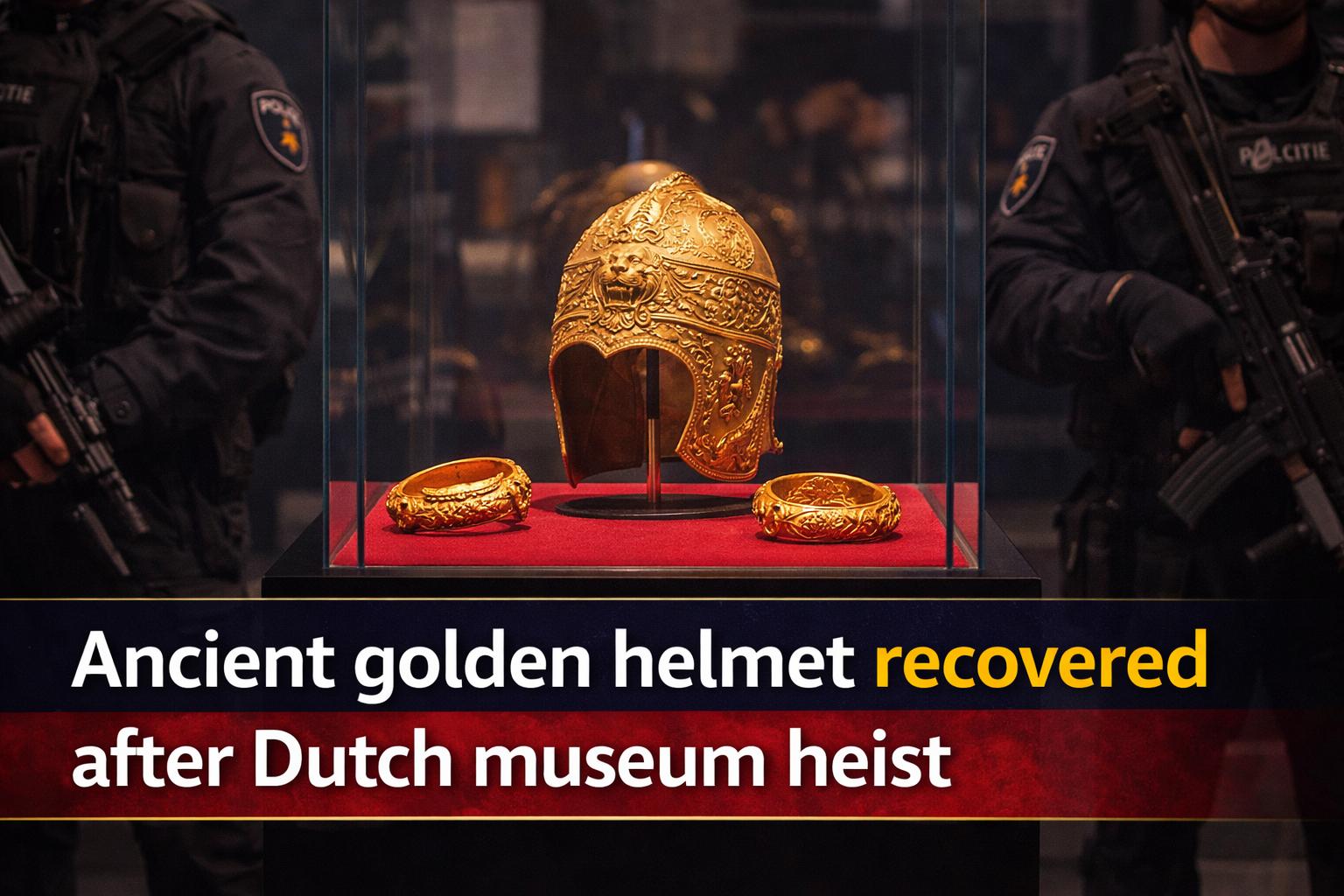
A 2,500-year-old golden helmet, regarded as one of Romania’s most valuable cultural treasures, has been recovered more than a year after it was stolen from a museum in the Netherlands. The artifact, along with two gold bracelets dating to around 450 BC, was officially unveiled on Thursday, April 3, 2026, at the Drents Museum in Assen, where it is now displayed under tight security. The items had been taken during a high-profile armed robbery while on loan from Romania’s National
2,500-year-old Romanian treasure found after year-long investigation
A 2,500-year-old golden helmet, regarded as one of Romania’s most valuable cultural treasures, has been recovered more than a year after it was stolen from a museum in the Netherlands. The artifact, along with two gold bracelets dating to around 450 BC, was officially unveiled on Thursday, April 3, 2026, at the Drents Museum in Assen, where it is now displayed under tight security. The items had been taken during a high-profile armed robbery while on loan from Romania’s National
Raja Ravi Varma painting sets $17.9M record in Indian art sale
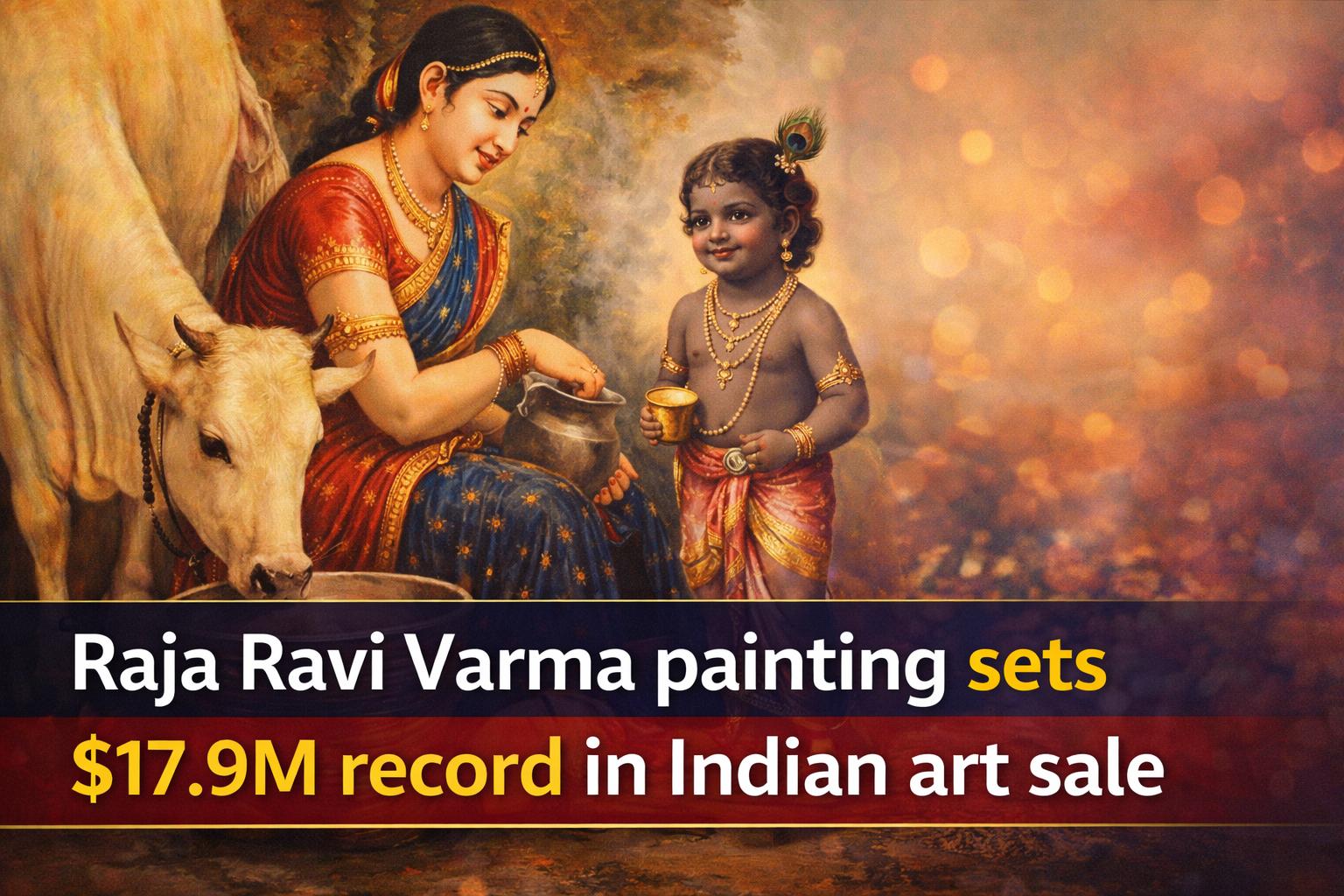
A 19th-century painting by renowned Indian artist Raja Ravi Varma has set a new benchmark in the global art market, selling for 1.67 billion rupees ($17.9 million) at an auction in New Delhi on Wednesday, April 2, 2026. The sale marks the highest price ever achieved for an Indian artwork, surpassing the previous record held by a work from modernist painter MF Husain. The painting, titled Yashoda and Krishna, is an oil-on-canvas masterpiece created in the 1890s, during the peak of Va
Raja Ravi Varma painting sets $17.9M record in Indian art sale
A 19th-century painting by renowned Indian artist Raja Ravi Varma has set a new benchmark in the global art market, selling for 1.67 billion rupees ($17.9 million) at an auction in New Delhi on Wednesday, April 2, 2026. The sale marks the highest price ever achieved for an Indian artwork, surpassing the previous record held by a work from modernist painter MF Husain. The painting, titled Yashoda and Krishna, is an oil-on-canvas masterpiece created in the 1890s, during the peak of Va
US museum to repatriate ancient Tamil Nadu bronzes to India
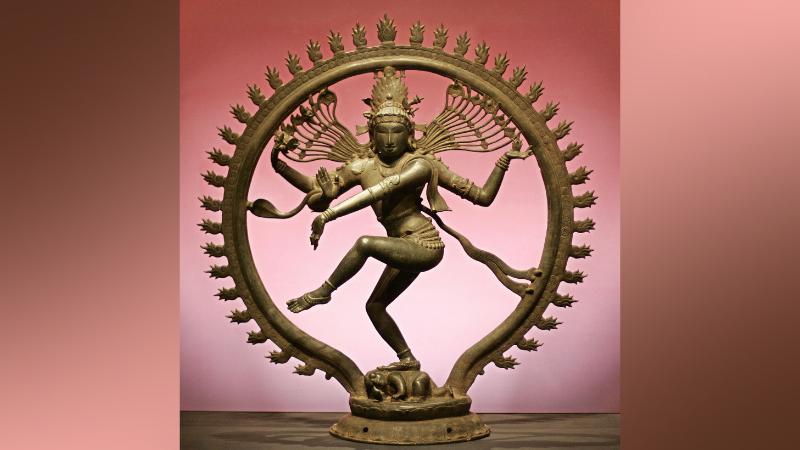
The Smithsonian’s National Museum of Asian Art in the United States has announced that it will return three historic bronze sculptures to India after concluding that the works were illegally removed from temple sites in Tamil Nadu. The decision follows an extensive provenance review of the museum’s South Asian collection and marks a significant step in addressing the long-standing issue of illicit trafficking of cultural heritage. The most prominent of the sculptures slated for return is a bronze depiction of Shiva Nataraja, dating to around A.D. 990. Created during the Chola period, the sculpture represents the Hindu deity Shiva in his cosmic dance, symbolizing the cycle of creation and destruction. The figure shows Shiva dancing upon a demon that embodies ignorance, encircled by a ring of fire and standing on a lotus base. Art historians regard this form as one of the most visually powerful and symbolically rich representations in Indian art, revered both within India and among global audiences. Alongside the Shiva Nataraja, the museum will repatriate a Somaskanda sculpture from the 12th century, also from the Chola period. This bronze depicts Shiva seated with his consort Parvathy and their son Skanda, reflecting devotional traditions that were central to temple worship in medieval South India. The third work to be returned is a 16th-century bronze titled Saint Sundarar With Paravai, dating to the Vijayanagar period, which portrays the revered Shaivite saint with his companion. The museum stated that the return of these works reflects its commitment to ethical museum practices and responsible stewardship. A comprehensive review was initiated to determine whether any objects in the collection had been unlawfully acquired. During this process, researchers uncovered evidence that raised serious concerns about the origins of the three bronzes. The Shiva Nataraja entered the museum’s collection in 2002 through a New York art gallery. Subsequent investigation revealed inconsistencies in the documentation associated with the acquisition, including the inability to verify the gallery’s listed address. Researchers later established that the sculpture appeared in photographs taken at a Tamil Nadu temple during the 1950s, confirming that it had been removed from its original religious setting. Further inquiry connected the gallery to a network involved in the trafficking of stolen antiquities. Court records have shown that individuals associated with this network engaged in smuggling cultural objects from South Asia and falsifying provenance records to introduce them into the international art market. In recent years, other institutions have also returned comparable works linked to the same sources. The Somaskanda and Saint Sundarar With Paravai sculptures were donated to the museum in 1987 as part of a major private collection. Their provenance came under scrutiny after a tip prompted researchers to consult archival material held by the French Institute of Pondicherry. Photographs from the 1950s in the institute’s archives showed both sculptures installed in temples in Tamil Nadu, providing clear evidence that they had been stolen and exported illegally. Experts note that bronze sculptures from South Indian temples have been frequent targets of theft due to their artistic value and global demand. Replicas have circulated widely in tourist markets, while original works disappeared from sacred sites, often leaving communities without objects of worship that had been central to their cultural and religious identity for centuries. The Smithsonian’s decision is being viewed as part of a broader international movement toward repatriation and accountability in the museum sector. By returning these sculptures, the institution acknowledges the importance of restoring cultural heritage to its place of origin and reinforces growing global standards for transparency and ethical collecting practices.
US museum to repatriate ancient Tamil Nadu bronzes to India
The Smithsonian’s National Museum of Asian Art in the United States has announced that it will return three historic bronze sculptures to India after concluding that the works were illegally removed from temple sites in Tamil Nadu. The decision follows an extensive provenance review of the museum’s South Asian collection and marks a significant step in addressing the long-standing issue of illicit trafficking of cultural heritage. The most prominent of the sculptures slated for return is a bronze depiction of Shiva Nataraja, dating to around A.D. 990. Created during the Chola period, the sculpture represents the Hindu deity Shiva in his cosmic dance, symbolizing the cycle of creation and destruction. The figure shows Shiva dancing upon a demon that embodies ignorance, encircled by a ring of fire and standing on a lotus base. Art historians regard this form as one of the most visually powerful and symbolically rich representations in Indian art, revered both within India and among global audiences. Alongside the Shiva Nataraja, the museum will repatriate a Somaskanda sculpture from the 12th century, also from the Chola period. This bronze depicts Shiva seated with his consort Parvathy and their son Skanda, reflecting devotional traditions that were central to temple worship in medieval South India. The third work to be returned is a 16th-century bronze titled Saint Sundarar With Paravai, dating to the Vijayanagar period, which portrays the revered Shaivite saint with his companion. The museum stated that the return of these works reflects its commitment to ethical museum practices and responsible stewardship. A comprehensive review was initiated to determine whether any objects in the collection had been unlawfully acquired. During this process, researchers uncovered evidence that raised serious concerns about the origins of the three bronzes. The Shiva Nataraja entered the museum’s collection in 2002 through a New York art gallery. Subsequent investigation revealed inconsistencies in the documentation associated with the acquisition, including the inability to verify the gallery’s listed address. Researchers later established that the sculpture appeared in photographs taken at a Tamil Nadu temple during the 1950s, confirming that it had been removed from its original religious setting. Further inquiry connected the gallery to a network involved in the trafficking of stolen antiquities. Court records have shown that individuals associated with this network engaged in smuggling cultural objects from South Asia and falsifying provenance records to introduce them into the international art market. In recent years, other institutions have also returned comparable works linked to the same sources. The Somaskanda and Saint Sundarar With Paravai sculptures were donated to the museum in 1987 as part of a major private collection. Their provenance came under scrutiny after a tip prompted researchers to consult archival material held by the French Institute of Pondicherry. Photographs from the 1950s in the institute’s archives showed both sculptures installed in temples in Tamil Nadu, providing clear evidence that they had been stolen and exported illegally. Experts note that bronze sculptures from South Indian temples have been frequent targets of theft due to their artistic value and global demand. Replicas have circulated widely in tourist markets, while original works disappeared from sacred sites, often leaving communities without objects of worship that had been central to their cultural and religious identity for centuries. The Smithsonian’s decision is being viewed as part of a broader international movement toward repatriation and accountability in the museum sector. By returning these sculptures, the institution acknowledges the importance of restoring cultural heritage to its place of origin and reinforces growing global standards for transparency and ethical collecting practices.
Kwanzaa celebration draws families to Anacostia museum as unity takes center stage
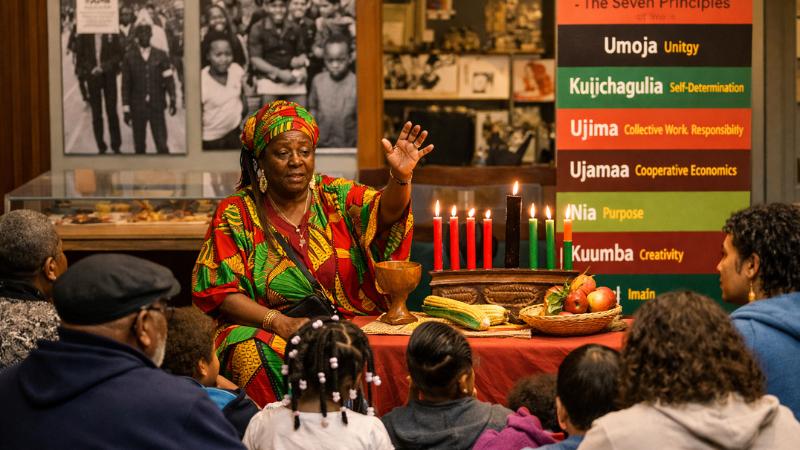
WASHINGTON — The first day of Kwanzaa was observed in Southeast Washington with a gathering that brought together multiple generations to reflect on culture, history, and community. Nearly 150 people filled two rooms of the Anacostia Community Museum as families assembled to mark the start of the weeklong celebration, which runs from December 26 through January 1. The event centered on storytelling led by Mama Ayo, a longtime cultural educator who has spent decades teaching the pr
Kwanzaa celebration draws families to Anacostia museum as unity takes center stage
WASHINGTON — The first day of Kwanzaa was observed in Southeast Washington with a gathering that brought together multiple generations to reflect on culture, history, and community. Nearly 150 people filled two rooms of the Anacostia Community Museum as families assembled to mark the start of the weeklong celebration, which runs from December 26 through January 1. The event centered on storytelling led by Mama Ayo, a longtime cultural educator who has spent decades teaching the pr
San Jose Viet Museum legal battle deepens as board members clash
The Viet Museum in San Jose, an institution that holds deep cultural and historical value for the local Vietnamese community, has been at the center of a bitter dispute that has now escalated into a full-fledged legal battle. After being closed for months due to disagreements over leadership and governance, the future of the museum remains uncertain as lawsuits and accusations continue to mount. The conflict has pitted nonprofit leaders against one another, ra
San Jose Viet Museum legal battle deepens as board members clash
The Viet Museum in San Jose, an institution that holds deep cultural and historical value for the local Vietnamese community, has been at the center of a bitter dispute that has now escalated into a full-fledged legal battle. After being closed for months due to disagreements over leadership and governance, the future of the museum remains uncertain as lawsuits and accusations continue to mount. The conflict has pitted nonprofit leaders against one another, ra
Newark Symphony Hall Hosts Juneteenth Arts Summit Focused on Culture and Community
The largest Black arts institution in New Jersey marked Juneteenth this year with a vibrant and purposeful three-day summit, drawing together hundreds of community members, artists, educators, and leaders. Newark Symphony Hall, a historic cornerstone of the city’s cultural life, opened its doors to celebrate Black arts and honor Juneteenth through a series of panels, performances, and community-driven conversations. The summit, now in its third year, was designed not on
Newark Symphony Hall Hosts Juneteenth Arts Summit Focused on Culture and Community
The largest Black arts institution in New Jersey marked Juneteenth this year with a vibrant and purposeful three-day summit, drawing together hundreds of community members, artists, educators, and leaders. Newark Symphony Hall, a historic cornerstone of the city’s cultural life, opened its doors to celebrate Black arts and honor Juneteenth through a series of panels, performances, and community-driven conversations. The summit, now in its third year, was designed not on


